

Diplomats insist EU, Egypt won’t train Hamas-linked officers for Gaza police force
Official says training and deployment of police dependent on Gaza stabilization force, whose role and composition also remains unclear
 Add ToI as a Preferred Source on Google
Nava Freiberg is The Times of Israel's deputy diplomatic correspondent.
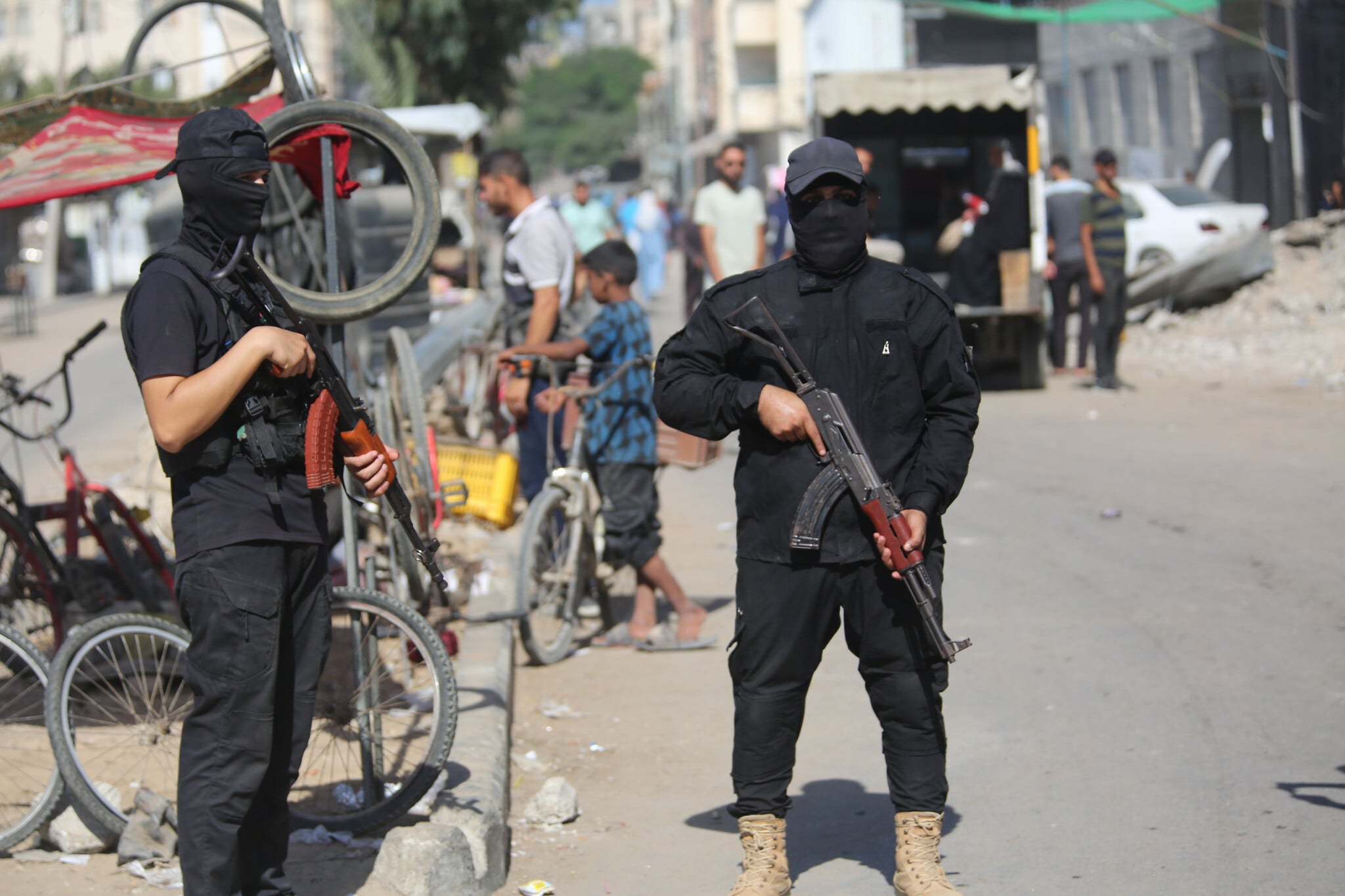
Neither Egypt nor the European Union will train police officers in Gaza who are affiliated with Hamas, an Egyptian and a European diplomat told The Times of Israel on Thursday, following reports that Hamas is seeking roles for its 10,000 police officers in the postwar Strip.
Both Egypt and the EU have been preparing to expand training of Palestinian police for deployment in Gaza under US President Donald Trump’s plan for the territory, which authorizes the deployment of a temporary International Stabilization Force that would support and work alongside a “newly trained and vetted Palestinian police force.”
In December, officials told The Times of Israel that the new force would be free of Hamas-affiliated personnel, despite reports at the time indicating that Hamas members could continue to police Gaza as part of the newly installed body.
Israel regards all elements of Hamas, including its police, as components of the terrorist organization.
On Thursday, the Egyptian and European diplomats reiterated that Cairo and Brussels will play no role in training any personnel tied to Hamas. The European diplomat noted that any officers trained by the EU would be vetted by Israel for any affiliation with the terror group.
Discussions are still ongoing about amending the current mandate of EUPOL COPPS — the EU’s existing police support mission in the West Bank — to include the training of officers for deployment in Gaza, the European diplomat said.
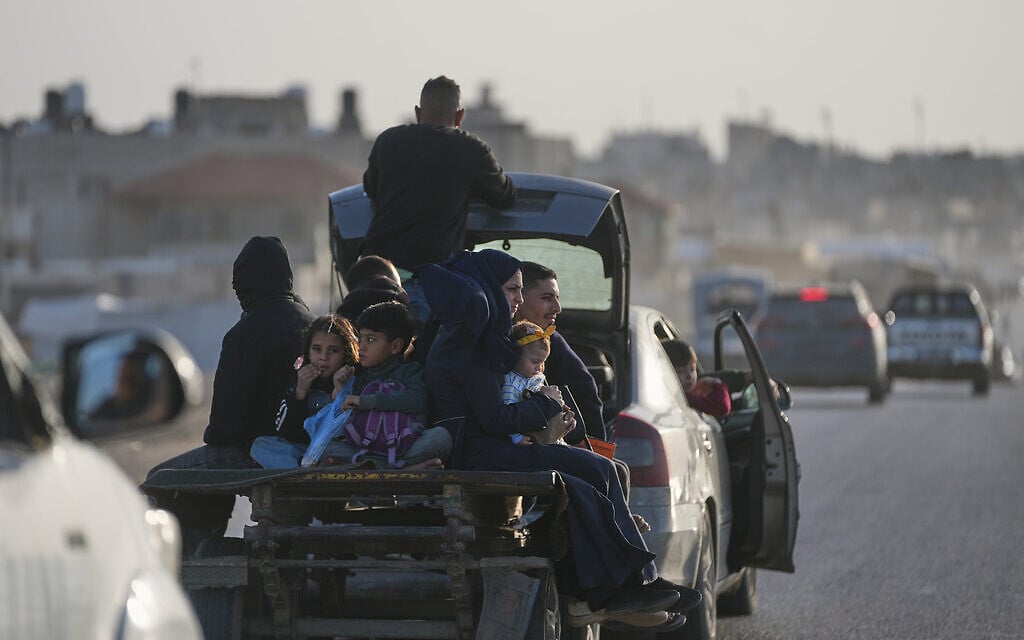
That envoy added that no deployment date for the police force could be given, as neither vetting nor training has begun, and details remain unclear surrounding the ISF’s role and deployment.
“This all is linked to the ISF,” the European diplomat said, adding that the form and composition of the international force remains undetermined, though Indonesia recently said it would be contributing troops.
“Now we’re waiting for the ISF to start taking shape. And that’s a bit out of our hands. It’s in the hands of the US, which is the lead on this,” they said.
The US-brokered ceasefire plan reached in October foresees the demilitarization of Gaza and the disarmament of Hamas, as well as the withdrawal of Israeli troops from the enclave. The terror group, however, has not agreed to give up its weapons.
Hamas is not the only terror group in the enclave to possess arms. A source in a Gaza faction allied with Hamas told Reuters last month that other terror groups were discussing disarmament but worried about being left defenseless.
Even with fighting officially halted, near-daily incidents have occurred along the ceasefire line, with Israel accusing Hamas of violating its terms and the terror group making counterclaims.
The ceasefire, now in its second phase, also calls for the day-to-day governance of Gaza to be handed to the newly formed National Committee for the Administration of Gaza, a Palestinian technocratic body with US oversight that is meant to exclude Hamas. Several other bodies will oversee Gaza under the umbrella of the Board of Peace, a group of world leaders inaugurated by Trump, and set to hold its first meeting next week.
Reuters contributed to this report.




The Times of Israel Community.