

Eau de mom: Israeli study shows how a mother’s scent comforts premature babies
‘Close to the Heart,’ an initiative at two Israeli NICUs, uses smell to ease physical and emotional separation between mother and newborn, reducing stress and strengthening vitals
 Add ToI as a Preferred Source on Google
Reporter at The Times of Israel
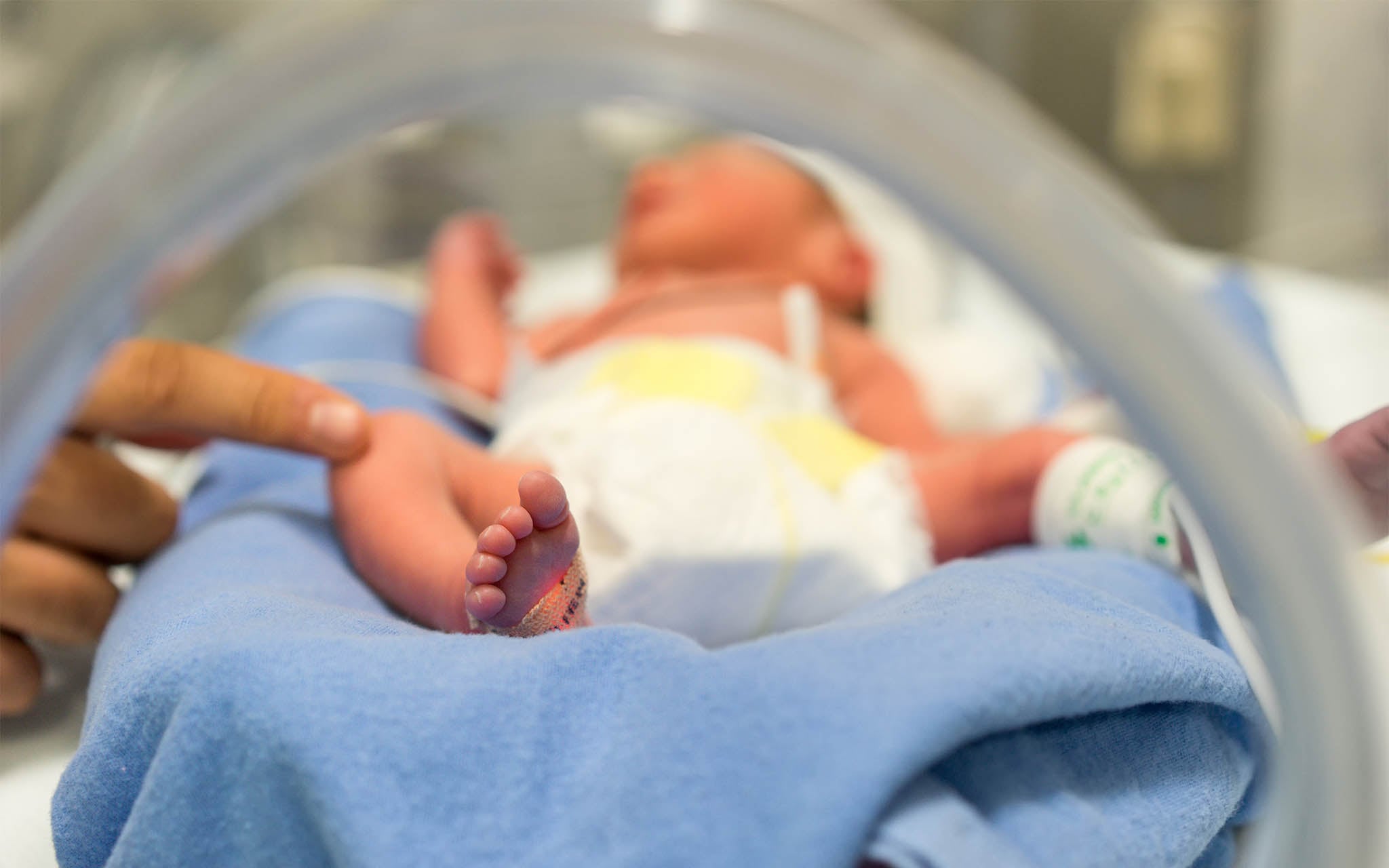
When Dror Strassman was born prematurely in March 2025, she weighed 650 grams (1 pound, 7 ounces) — about as much as a loaf of sandwich bread.
Born at just over 25 weeks’ gestation, Dror spent 99 days in the neonatal intensive care unit at Meir Medical Center in Kfar Saba.
“With all that hospital equipment and machinery surrounding her, I felt completely helpless,” Dror’s mother, Tal Strassman, told The Times of Israel by telephone. “You feel like you’ve lost yourself in every direction. The whole environment feels so sterile and overwhelming for both the mother and the baby.”
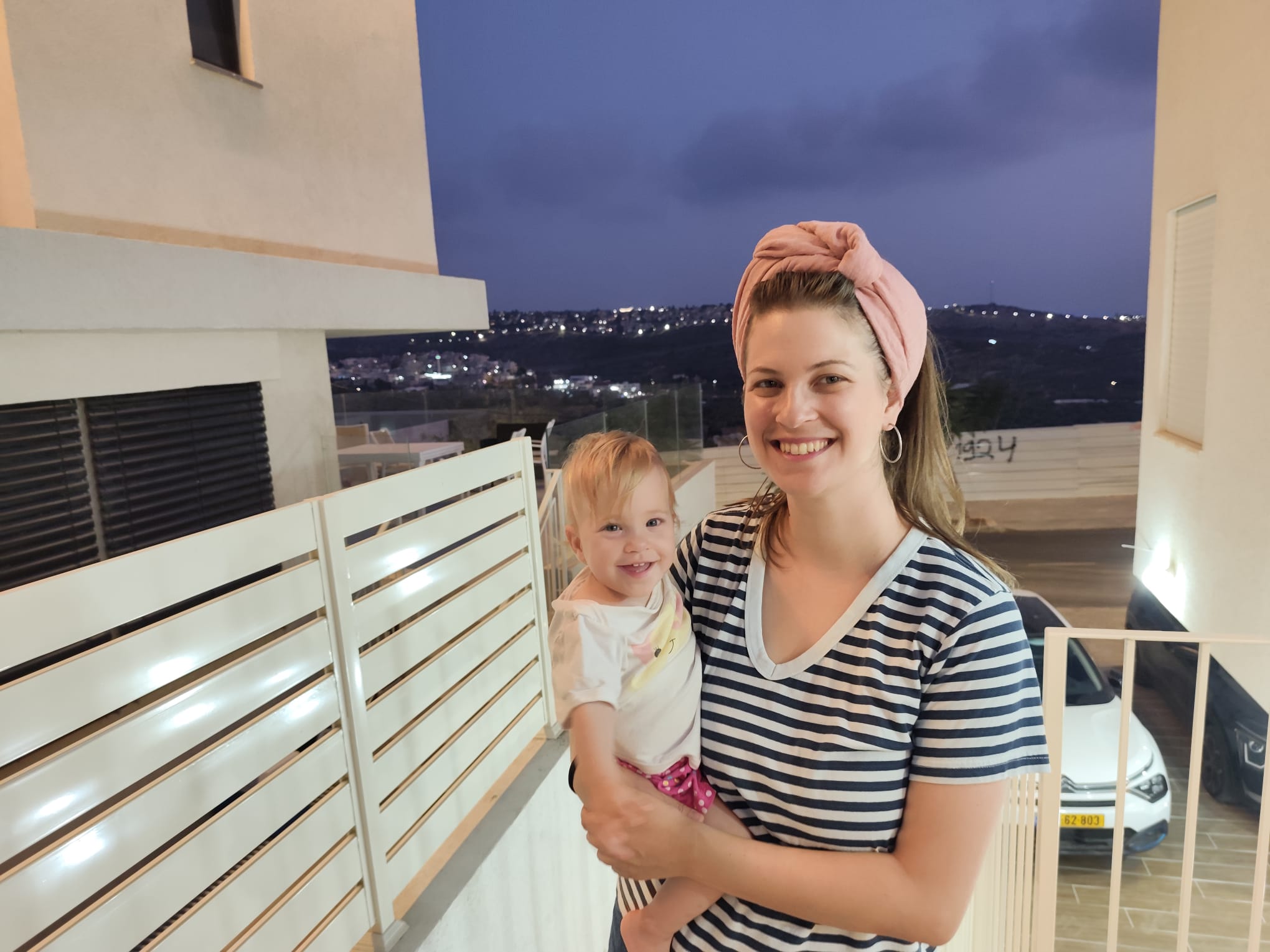
Strassman, a social worker, then heard about “Lev shel Ima,” or “Close to the Heart,” an initiative launched in 2019 by occupational therapist Dr. Adi Freund-Azaria.
The project uses smell to ease the physical and emotional separation between a mother and her premature baby, Freund-Azaria told The Times of Israel.
“Research has shown that a mother’s scent stabilizes her baby’s heart rate, reduces stress, and improves vital signs,” Freund-Azaria said. “Meanwhile, the baby’s scent boosts oxytocin levels in the mother, helping her ease her separation anxiety and breast milk production.”
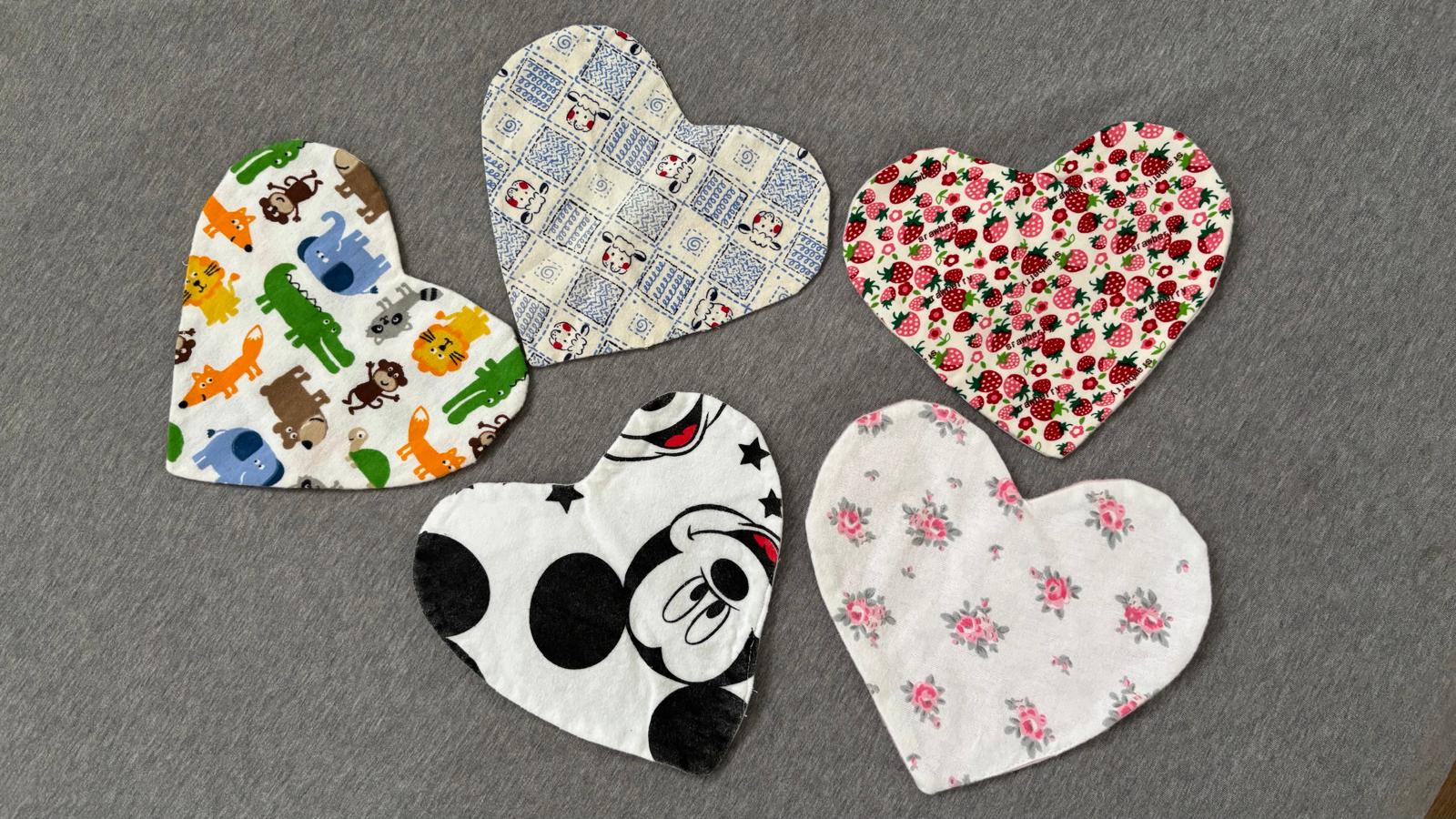
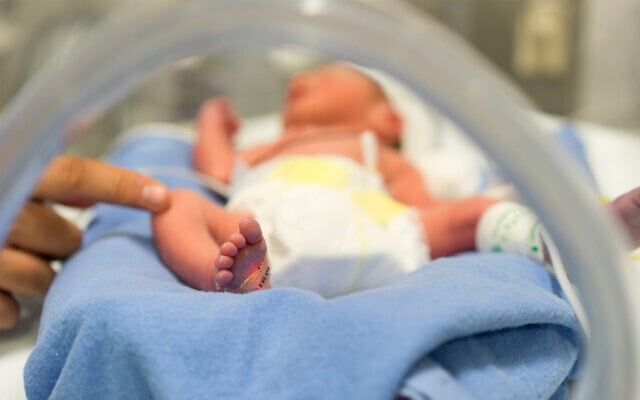
The idea is simple, but it is evidence-based. The mother wears a soft fabric heart against her skin to absorb her scent. It is then sealed inside a plastic bag before being placed inside the incubator beside her baby. In return, the mother takes home another fabric heart that has absorbed her infant’s scent.
“I had nothing else to do to improve the situation, so I tried it,” Strassman said. “I wore a heart against my skin for a whole day so my scent would absorb deeply into the cloth. It was then placed inside the incubator next to my daughter, and my scent helped calm her. It gave her an immediate boost. From my perspective as a mother, I felt like that little cloth heart meant the whole world to her. It also gave me a little sense of control in a situation where I felt so powerless.”
The hospital’s initiative has helped dozens of premature babies and their mothers, Freund-Azaria said.
A second “Close to the Heart” initiative began in July at the Hillel Yaffe Medical Center’s Newborn and Neonatal Care Department in Hadera.
Preventing ‘sensory overload’ in premature babies
The scented-heart exchange draws on principles developed through the Newborn Individualized Developmental Care and Assessment Program (NIDCAP), created in the 1980s by Dr. Heidelise Als at Boston Children’s Hospital.
NIDCAP focuses on protecting premature babies’ developing brains from sensory overload and involving parents more closely in their care. Neonatal intensive care units in North America, Europe, Australia and Israel now use a variety of scent-exchange programs.

According to Freund-Azaria, when babies are born prematurely, their physiological systems haven’t developed completely.
“At precisely this time in the intensive care unit, they are overstimulated by so many strong negative stimuli such as disinfectants, bright lights and noise,” she said. “The NIDCAP principles seek to reduce sensory overload.”
Freund-Azaria said occupational therapists help support premature infants’ development while teaching parents how to take an active role in their care.
“In developmental care, strengthening the parent–infant relationship involves the senses,” Freund-Azaria said. “We encourage parents to talk and sing to their baby, have eye contact and face-to-face interaction, and emphasize ‘skin-to-skin’ contact.”
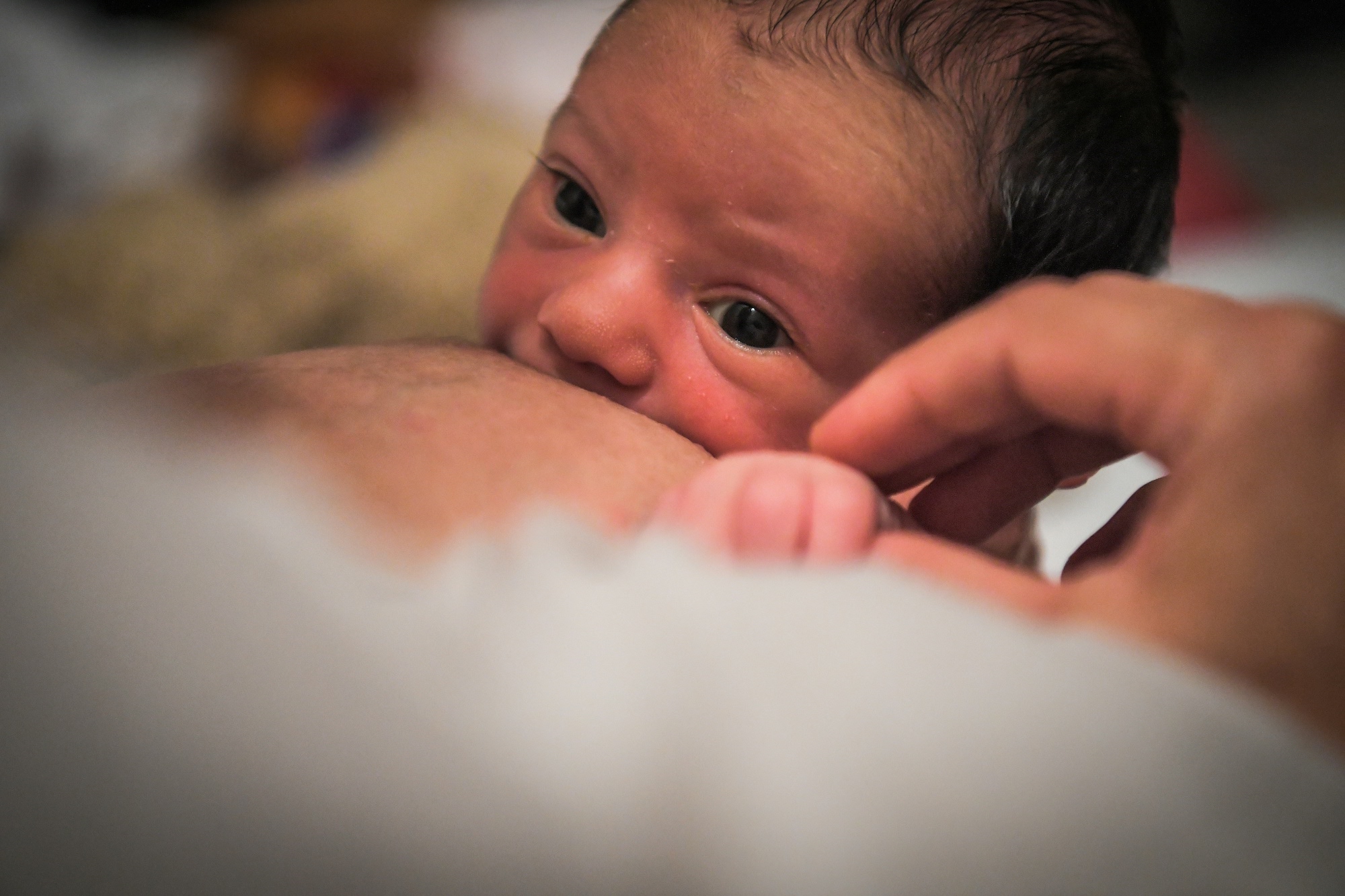
But the hospital’s occupational therapists realized they “were paying so much attention to sound, vision and touch, and much less attention to the sense of smell.”
This awareness led them to search for ways to bring the mother’s familiar scent into the incubator.
“A baby already knows their mother’s scent through the amniotic fluid,” Freund-Azaria said.
“When parents feel empowered rather than helpless on the other side of the incubator glass, the entire developmental trajectory changes,” she said. “Smell provides such a strong connection, offering comfort to both the baby in the incubator and the mother recovering outside of it.”
“When we started the project, we saw the change immediately,” Freund-Azaria said. “Babies who were in distress calmed down. Their vital signs stabilized. Their behavioral responses improved.”

Noa Temime, a NICU nurse and lactation consultant at Tel Aviv Sourasky University Medical Center, said there is a narrow “window of opportunity” in the NICU “during which we can support the baby’s brain development.”
She said the goal is to reduce “potentially harmful stimuli and enhance positive ones.”
For example, Temime said that parents disinfect their hands with alcohol before touching their baby to protect them from infection.
However, “if they do not allow the alcohol to evaporate before placing their hands inside the incubator, which is a small, enclosed space, the smell can become trapped inside, and this can be unpleasant or overstimulating for the baby,” Temime said.
“A mother’s scent may serve as an anchor of safety and familiarity for the baby,” she said.
For Freund-Azaria, the scented-heart initiative grew not only from her professional knowledge but also from her personal experience.
“My oldest daughter was born prematurely 21 years ago and spent three weeks in the NICU,” she said. “It was so hard for me to leave her and feel so far away. Now I think about how I could have left her with my scent. A mother’s scent is comforting. It’s familiar.”









The Times of Israel Community.