

After Trump floats talks, Iran security chief rejects negotiations until ‘conditions’ met
Supreme National Security Council secretary Mohsen Rezaei declares ‘stakes around oil and the straits have changed,’ vows Tehran will only talk if all its conditions are met
 Add ToI as a Preferred Source on Google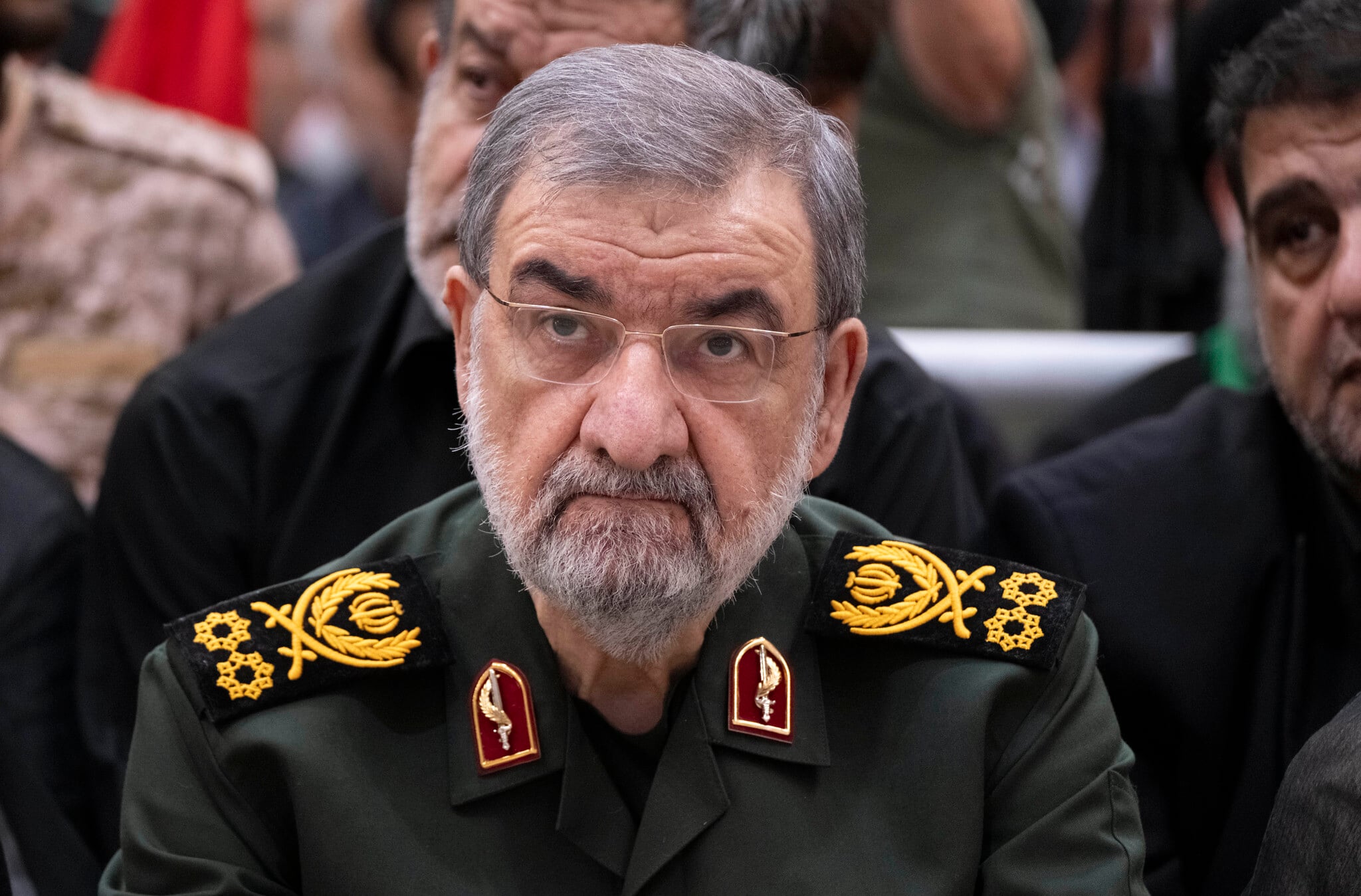
TEHRAN, Iran — Iran’s security chief on Tuesday rejected any talks with the United States after US President Donald Trump said he was open to resuming discussions on the Middle East war.
“Don’t get distracted by the US president’s mixed signals — from ‘no negotiations’ to ‘we’re ready to talk,'” the secretary of Iran’s Supreme National Security Council, Mohsen Rezaei, posted on X.
“The stakes around oil and the straits have changed. Damage control won’t stop what’s coming. No talks until Iran’s conditions are met. Period!” he added.
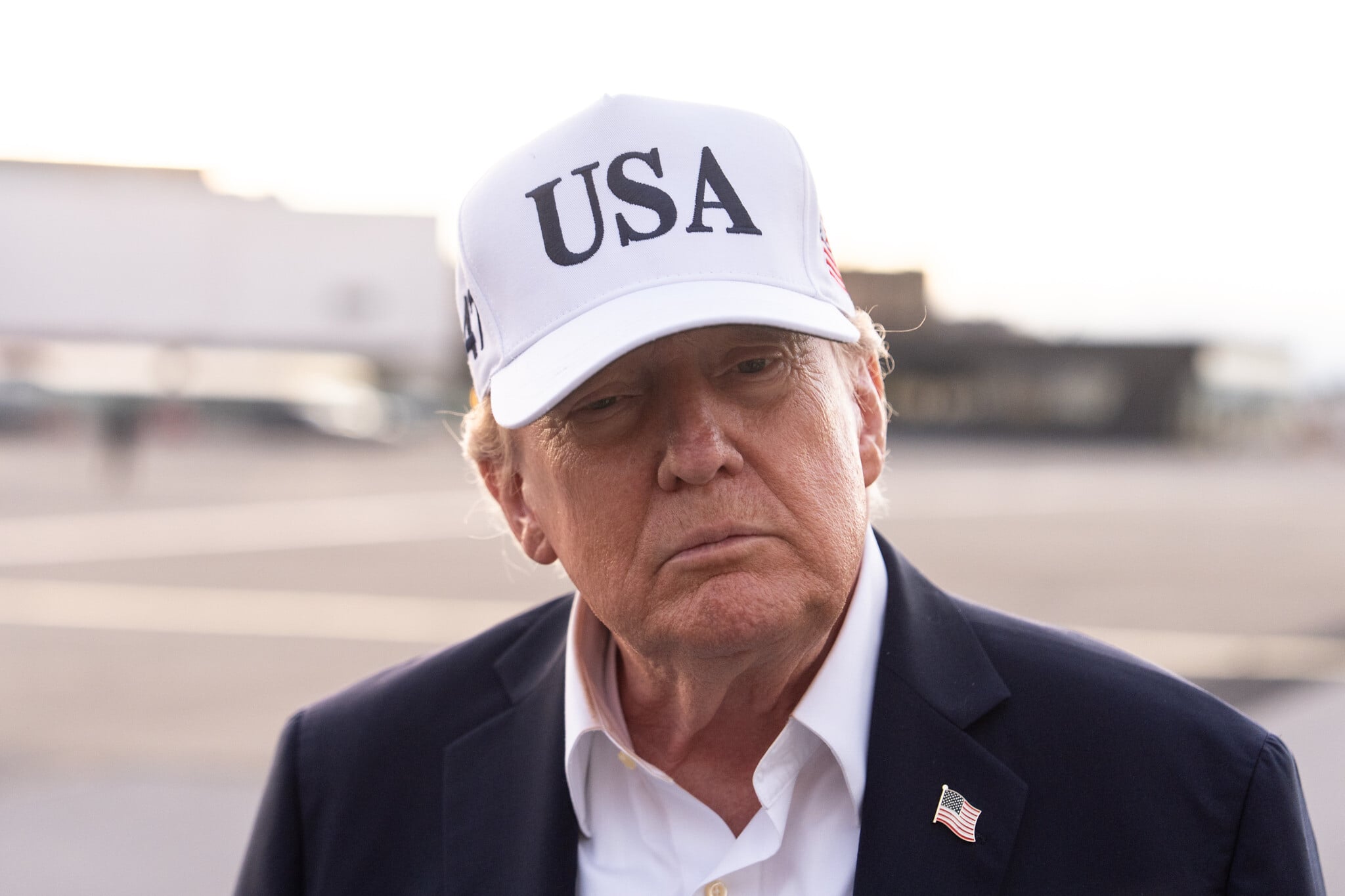
Trump on Monday said he was open to holding talks with Iran, after weeks of saying it was too early to make a deal to end the war.
“The failing Nation of Iran wants to make a deal, quickly and badly. I will determine whether or not the U.S.A. will choose to engage — The concept of which we are open to,” Trump said on his Truth Social network.
Iran has repeatedly listed demands including war reparations and the lifting of sanctions as preconditions for ending the war and its blockade on the Strait of Hormuz.
The Strait of Hormuz has been subjected to an Iranian and later a US blockade since February 28, when the US and Israel launched strikes on Iran, prompting a wider war across the region.
A June accord between Washington and Tehran faltered on disagreements over Hormuz, and a blistering offensive in recent days by Yemen’s Houthi rebels has given the Tehran-allied group leverage over a second critical waterway, the Bab el-Mandeb.
The strait was free to transit before the war, but Iran now requires vessels to obtain permission and is considering a mechanism to impose service fees.
Ships that do not comply are regularly targeted by Iranian strikes, while the United States periodically bombs the Iranian coastline to challenge the Islamic Republic’s control of the strait.
On Monday, a planned meeting between Iran and Gulf states about Hormuz was postponed amid diplomatic stumbling blocks.




The Times of Israel Community.