

‘Red line’: Houthis accused of targeting Mecca for first time in current flare-up
Iran-backed Yemeni rebels deny claim of drone attack on Islam’s holiest city; Muslim umbrella body denounces ‘heinous’ attack, as fighting goes on in Arabian Peninsula
 Add ToI as a Preferred Source on Google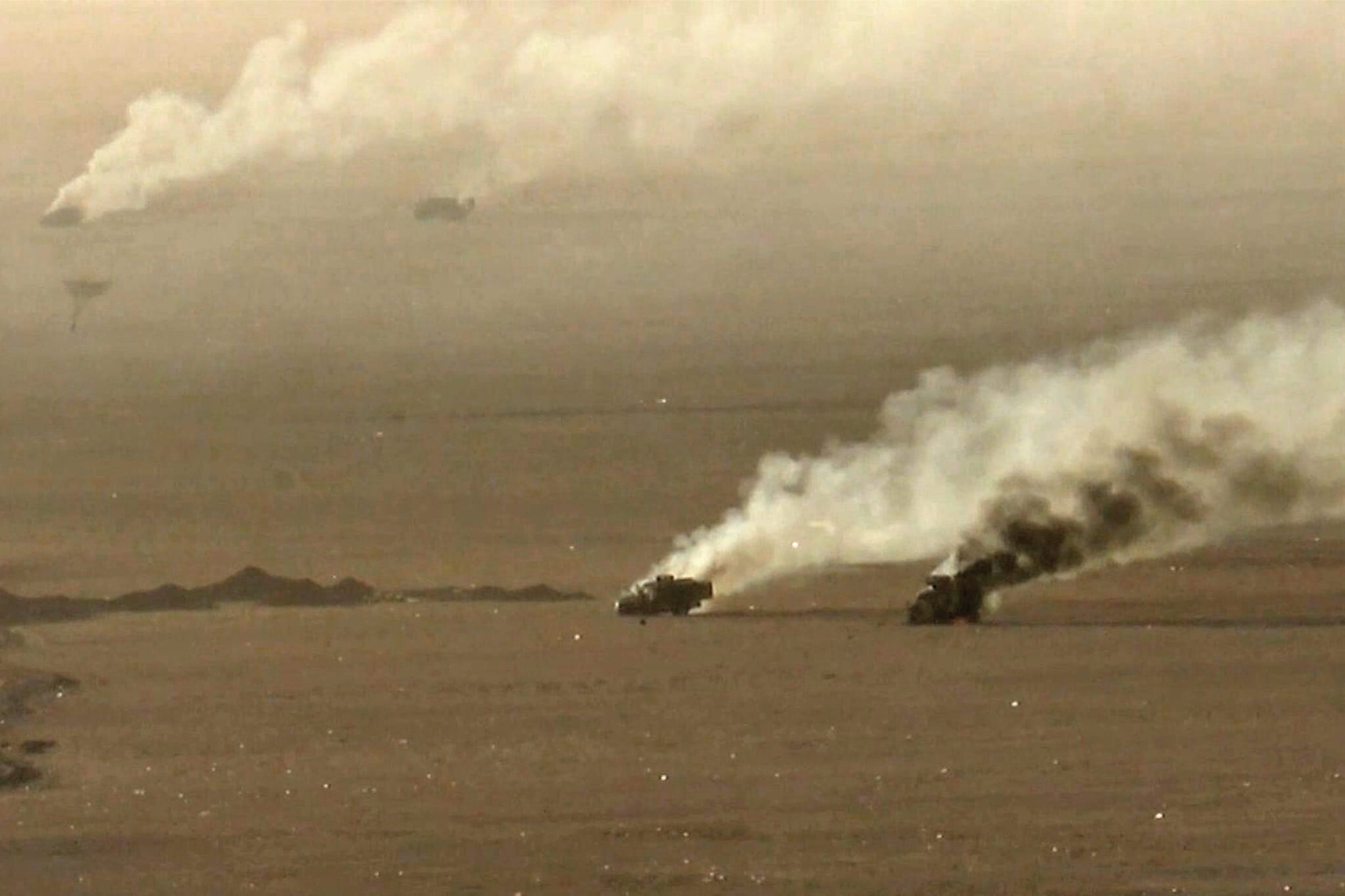
The Saudi-led coalition battling Yemen’s Houthis accused the rebels on Wednesday of targeting Islam’s holy city Mecca, sparking outrage across the Muslim world and deepening the conflict roiling the region.
A spokesperson for the military coalition said Saudi Arabia’s air defenses had destroyed a Houthi drone south of Mecca before it entered prohibited airspace over the holy city.
It was the second alleged Houthi attempt to target Mecca after a ballistic missile launch in July 2017, spokesperson Turki al-Malki said in a statement.
Fresh fighting between the Iran-backed Houthis and the Saudi-backed, internationally recognized Yemeni government has dragged in Riyadh, with the Houthis declaring a maritime blockade on the kingdom and targeting its ships in the Red Sea.
A lightning offensive last week saw the group seize control of the entirety of Yemen’s Red Sea coast and the Bab el-Mandeb Strait, a vital artery for Saudi oil exports, as the wider Middle East war chokes off the strategic Strait of Hormuz shipping route.
The Houthis swiftly rejected as a “lie” Riyadh’s report that it shot down a drone from the rebels heading toward Mecca, which attracts millions of pilgrims each year.
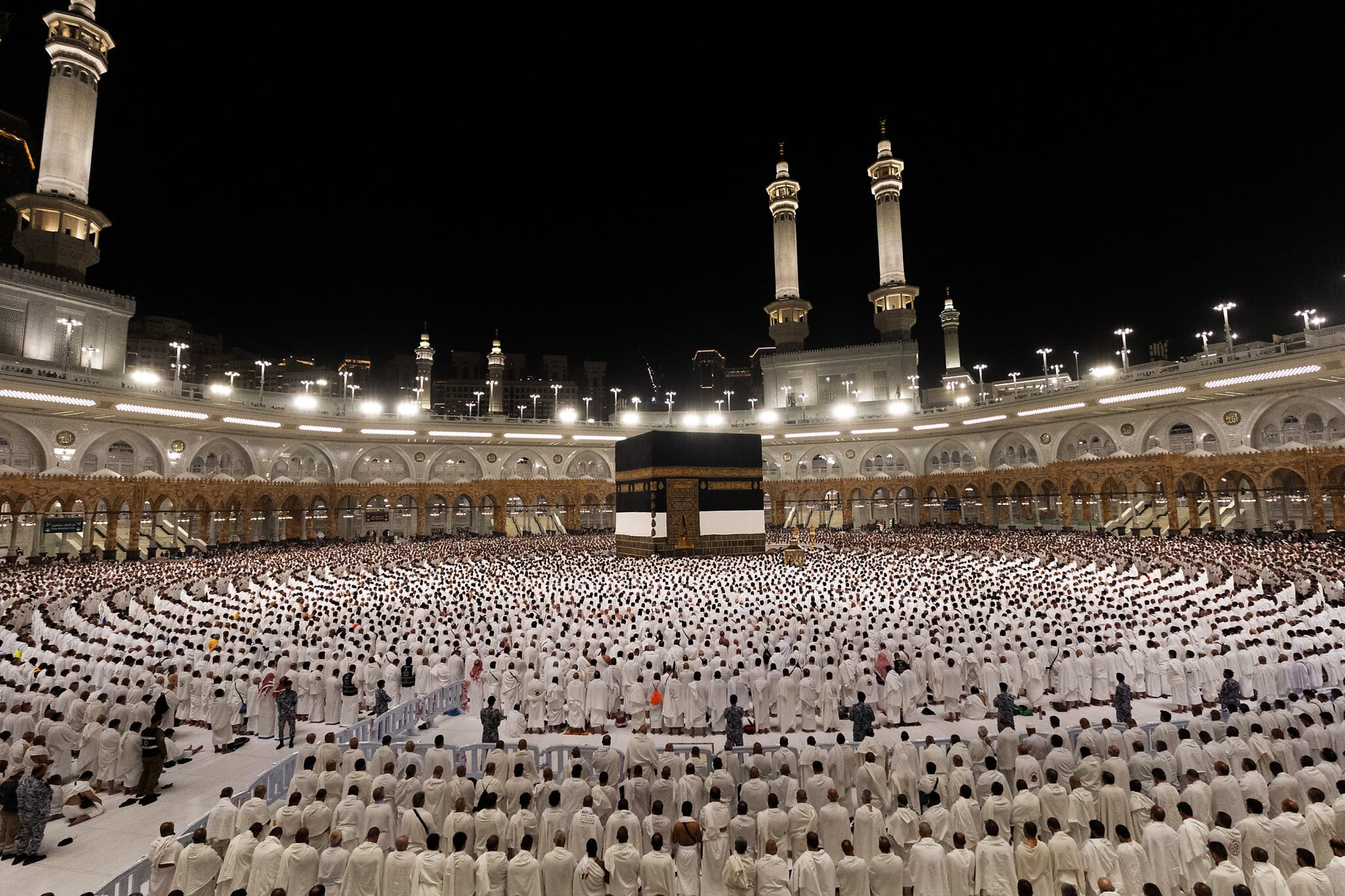
“The claims about targeting Mecca are a worn-out lie that has been used before and no longer fools anyone,” Hazem al-Assad from the Houthis’ politburo wrote on X.
The coalition vowed retaliation, warning that the security of holy sites was a “red line.”
“The security of the Two Holy Mosques and the pilgrims is a red line, and the Joint Forces Command of the Coalition will not hesitate to take the necessary and deterrent measures against the Terrorist Houthi Militia,” the coalition said in a statement shared by al-Malki on X.
The Organisation of Islamic Cooperation — a bloc of 57 Muslim countries — condemned the “heinous” attack.
Saudi Arabia had issued brief alerts on Tuesday over possible attacks across swaths of the kingdom’s south, which borders Yemen.
The alerts, including the first one issued in Mecca since the Iran war erupted in late February, came a day after a wave of ballistic missile and drone attacks launched from Yemen wounded 13 people in the kingdom’s south.
The Houthis said on Wednesday morning that they had shot down a Saudi fighter jet, claiming a locally made munition was used to target the warplane.
“The Yemeni Armed Forces, with Allah’s aid and grace, succeeded in shooting down a Saudi F-15 fighter jet while it was carrying out hostile operations in support of its military mobilizations in the airspace of Marib province, using a locally made air-to-air missile,” a spokesman for the Houthis said on social media, while accusing Saudi Arabia of launching 450 strikes.
Fighting flared in July when the Houthis, who have for years controlled swaths of northern Yemen, launched a large-scale offensive against Yemeni government forces.
The conflict in the Arabian Peninsula’s poorest country has forced 82,000 people to flee their homes since the start of September, according to the United Nations.
Yemen’s permanent representative at the UN, Abdullah al-Saadi, said Yemenis were fighting to restore “national institutions across every inch of their land,” and called on the international community to take action against the Houthis.
‘Hostile and extremist’
Yemen’s plea came as Saudi Arabia and Egypt called for free navigation in the Red Sea following the Houthis’ offensive in the vital waterway.
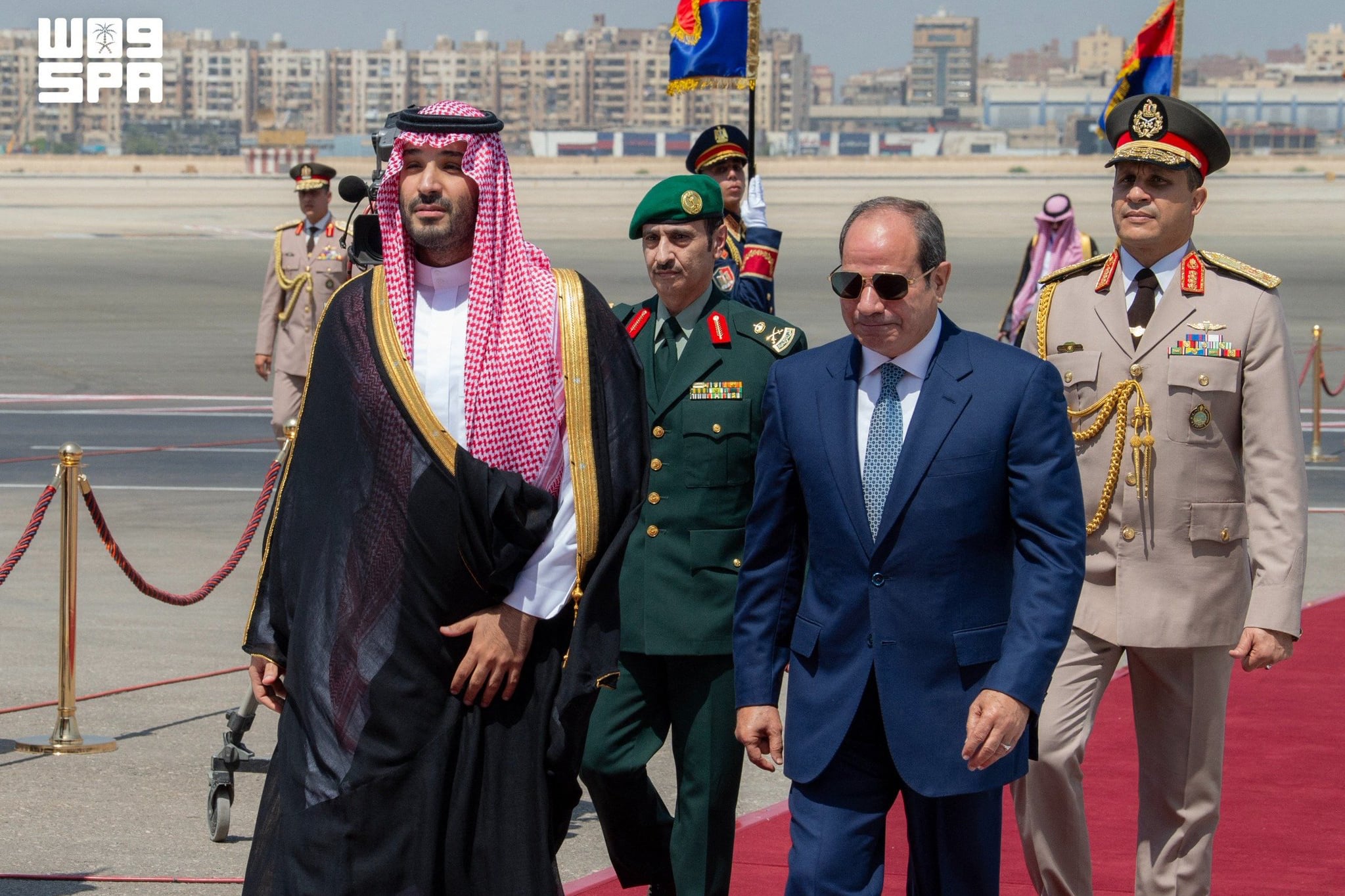
De facto Saudi leader Crown Prince Mohammed bin Salman and Egyptian President Abdel-Fattah el-Sissi called on Tuesday for “ensuring the freedom and security of maritime navigation” through the Hormuz and Bab el-Mandeb — which links the Red Sea with the Gulf of Aden, the Egyptian presidency said.
The revival of Yemen’s civil war, dormant since 2022, has left Riyadh rushing to respond.
US media reported last week that the Saudi crown prince made a personal request to US President Donald Trump for American intervention, but was turned down.
The Houthis have insisted that there is no threat to navigation in the Bab el-Mandeb except for Saudi vessels.
Any attacks in the waterway are likely to make it less attractive to shippers, who would instead need to circle the entire African continent, adding weeks and significant costs to what would otherwise be a straightforward journey.
Disruption in the strait could cause Egypt to feel the pinch too, as the Red Sea serves as the gateway to the Suez Canal, upon which Cairo relies for crucial foreign revenue.
Canal revenues are currently around half of what they were before the Houthis first started attacking Red Sea shipping in 2023, a campaign they said was in solidarity with Palestinians during the Israel-Hamas war in Gaza.
On Tuesday, Qatar warned of dire consequences if Bab el-Mandeb was closed, saying it would be “catastrophic for the entire world.”
The Houthis have also targeted oil infrastructure in Saudi Arabia, the world’s leading crude exporter, helping push global prices above the $100-a-barrel threshold.
The Saudi-led coalition said it would deal with the attacks “firmly to protect the sovereignty of the Kingdom,” and would take “all necessary operational measures to deter this… hostile and extremist approach.”
Houthi military spokesman Yahya Saree said Tuesday that Saudi Arabia had launched 52 airstrikes on Yemen over the previous 24 hours, accusing it of targeting civilian sites, including schools and bridges.
But Riyadh’s strikes have failed to reverse the group’s gains.
A US military task force is working to enhance intelligence-sharing and planning assistance for Saudi forces as they face attacks, a US official told AFP on Tuesday.









The Times of Israel Community.