

Eisenkot: ‘Waste of time’ to debate 2-state solution, LGBT rights a ‘personal issue’
No. 3 on National Unity electoral slate refuses to take firm position on number of matters; LGBT group: Party must address ‘discriminatory policy that has been going on for years’
 Add ToI as a Preferred Source on Google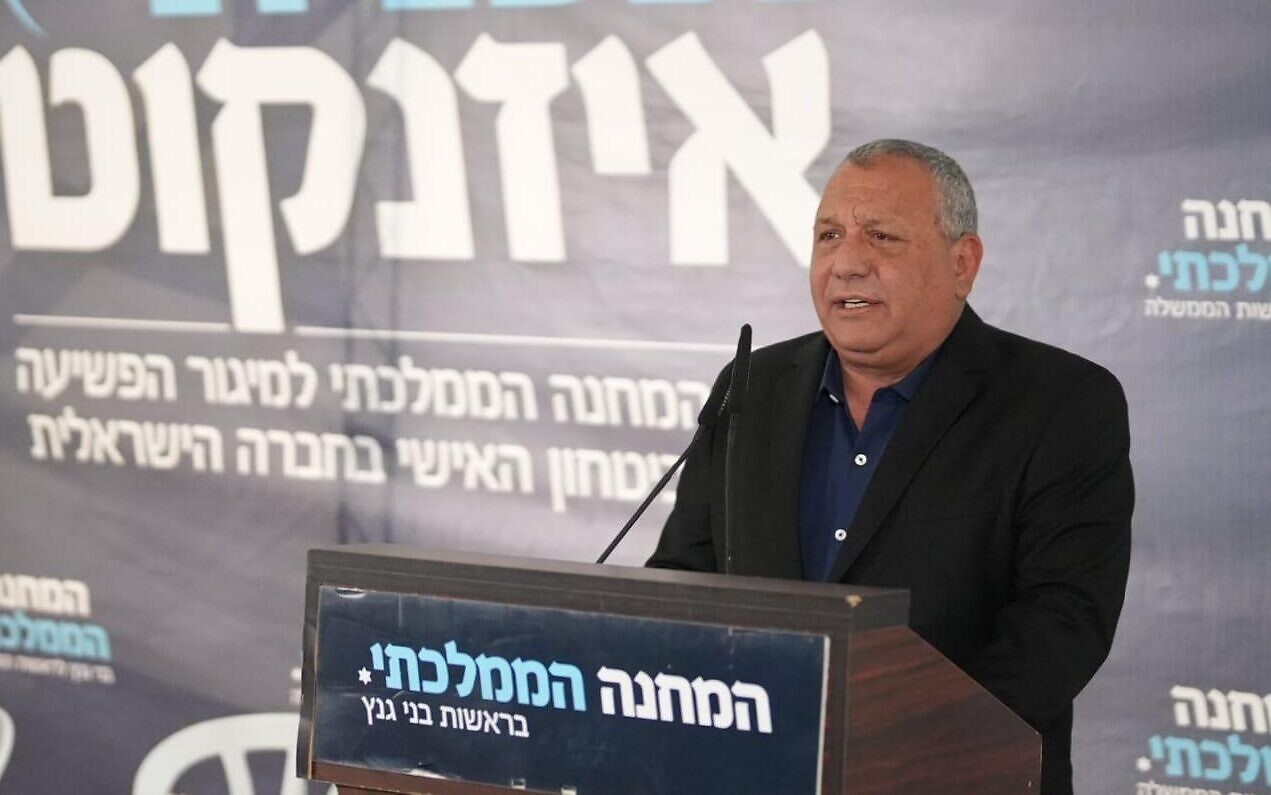
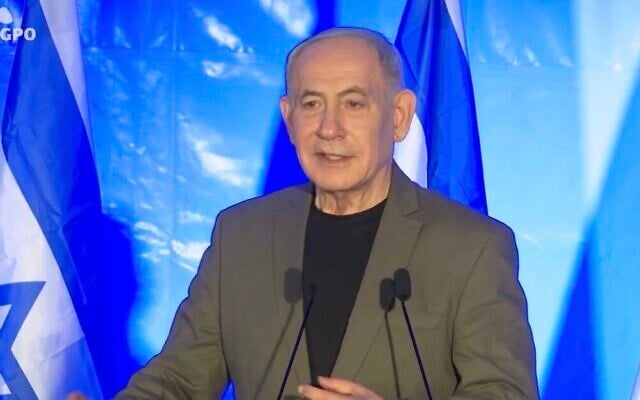
Former IDF chief of staff Gadi Eisenkot, number three in the center-right National Unity party, refused to take a firm position during an interview on Sunday on either a two-state solution or policies regarding same-sex marriage and public transportation on Shabbat.
Eisenkot told Army Radio that while his positions on a two-state solution were clear, “it was a shame to waste time” discussing them.
“The two-state solution is not on the agenda right now, so it’s a shame to get into it,” Eisenkot said. “I have never commented on the final status of Judea and Samaria because it seems to me to be irrelevant at the moment,” he added, using the Biblical name for the West Bank.
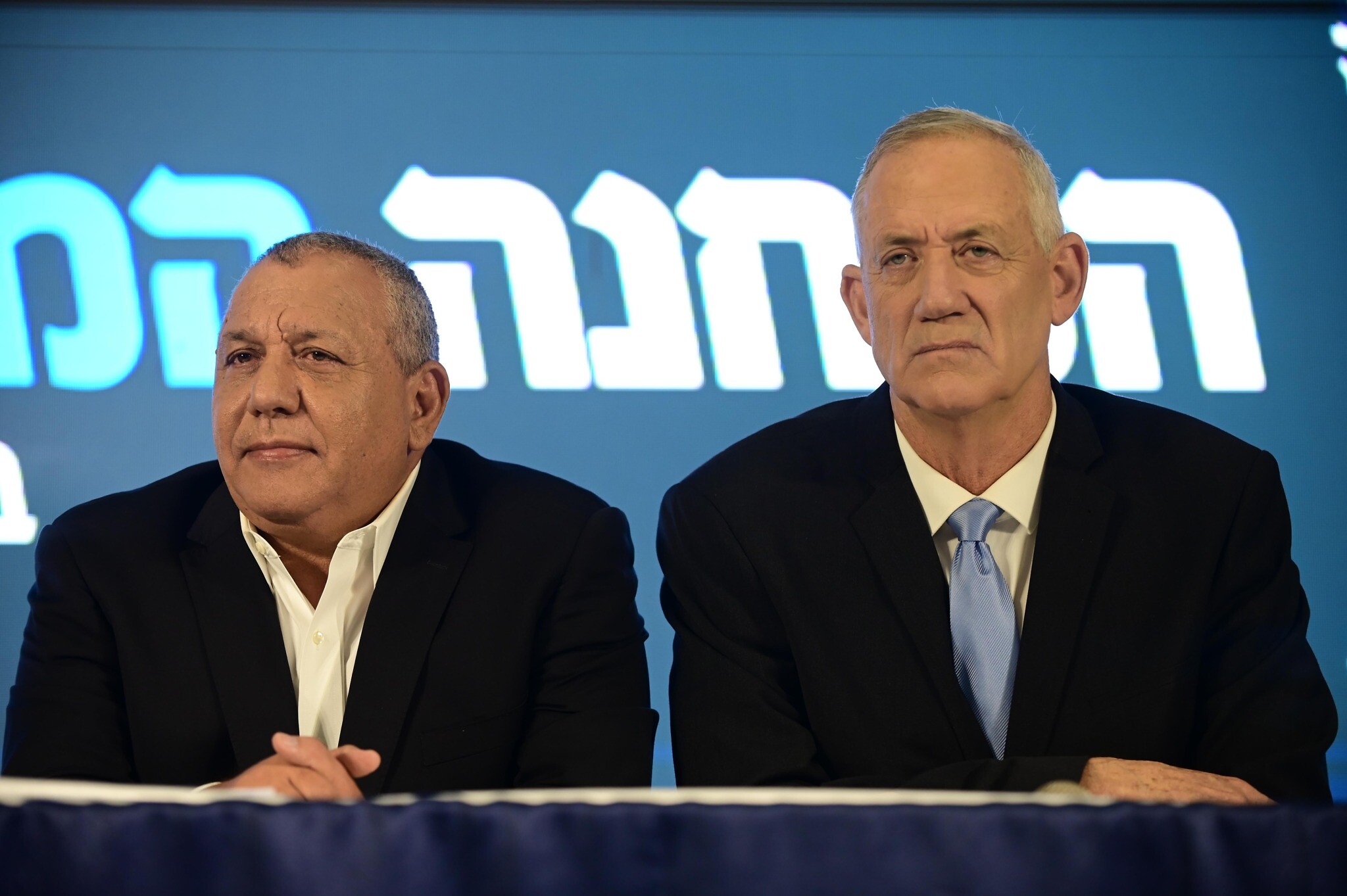
Eisenkot is reportedly party leader Defense Minister Benny Gantz’s choice to replace him in the role in the event that the National Unity leader manages to form the next government and serve as prime minister.
In August, Eisenkot said Israel must enact “active policies to prevent the dangerous development of a bi-national state,” a possible outcome for the Israeli-Palestinian conflict in which failure to establish a Palestinian state leads to a single state of Jews and Palestinians. However, he did not explicitly give his backing to a two-state solution.
Eisenkot served as military chief from 2015 to 2019 under Netanyahu-led governments.
The former IDF chief of staff has previously characterized himself as a “big expert on the Palestinian issue,” saying that his approach involves the completion and sealing of the West Bank security barrier, the creation of West Bank hospitals for treating Palestinians, the establishment of West Bank industrial zones to improve the Palestinian economy, and energy independence for the Palestinians.
Last month he took aim at settler activists and supporters who advocate building settlements “everywhere” in the West Bank, saying that they would lead Israel to “disaster.”
When asked about same-sex marriage on Sunday, Eisenkot said that he didn’t want to interfere in anyone’s personal life.
“I wouldn’t go into personal places — let everyone do as they see fit,” he said. “I won’t be involved in people’s bedrooms — live and let live.”
There is no civil marriage in Israel — only religious nuptials sanctioned by the Chief Rabbinate, which does not recognize same-sex relations.
The Association for LGBTQ Equality in Israel (Aguda) responded that Eisenkot didn’t understand that the issue was not a “personal matter” and that the lack of same-sex marriage in Israel was a “discriminatory policy that has been going on for years.”
“After this unfortunate statement, it is appropriate for Eisenkot and the National Unity party to publish clarifications regarding their commitment to full equality for LGBT people,” the organization said.

Eisenkot also refused to address the issue of public transportation on Shabbat, saying only that he is “in favor of the status quo.”
Currently, most municipalities do not operate any public transportation options on Shabbat, with just a handful of locales offering limited operations — something Transportation Minister Merav Michaeli has vowed to change.
On the issue of the current tensions in Jerusalem and the West Bank, the former IDF chief said, “The wave of terrorism looks serious and has the potential for a more serious escalation, but a broad operation is not called for. The way to fight terrorism is to separate terrorism from the population, and not to be tempted by collective punishment because of public opinion.”
Last week, the National Unity party unveiled a plan pledging to tackle both terror-related violence and underworld criminal incidents, which plague many areas of Israel, in particular its Arab communities.



The Times of Israel Community.