

Eli Zeira, Yom Kippur War intel chief who assessed Egypt and Syria wouldn’t attack, dies at 97
Zeira, whose dismissal of warnings before the 1973 war left Israel blindsided, became one of the most controversial figures in the nation’s military and intelligence history


 Add ToI as a Preferred Source on Google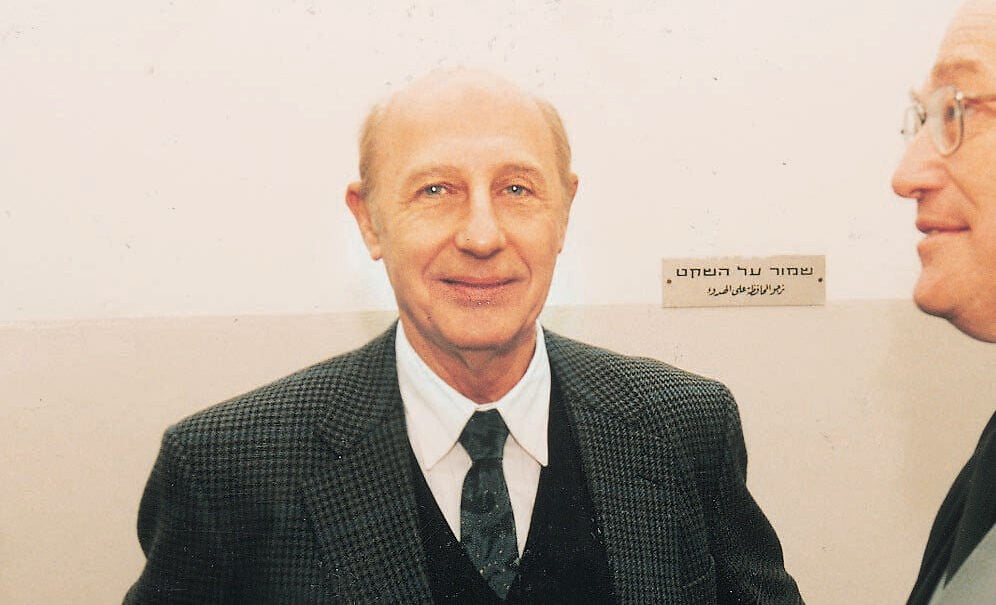
Maj. Gen. (ret.) Eli Zeira, chief of the Military Intelligence Directorate during the 1973 Yom Kippur War and one of the most controversial figures in Israel’s military history, has died at the age of 97.
Zeira misread Egypt and Syria’s intentions to attack in 1973, and was widely blamed for Israel’s failure to prepare for the catastrophic conflict, which is regarded as Israel’s gravest intelligence and security failure, alongside the October 7, 2023, Hamas-led invasion.
Born on April 4, 1928, in Haifa, Mandatory Palestine, Zeira joined the Palmach at 18. During the 1948 War of Independence, he served as a platoon and company commander in the Yiftah Infantry Brigade’s 1st Battalion.
After the war, he became the first Israel Defense Forces officer sent to the US Army company commanders’ school. Upon returning to Israel, he completed a bachelor’s degree in economics and statistics at Jerusalem’s Hebrew University.
Throughout the 1950s and 1960s, Zeira rose steadily through the IDF’s combat and command ranks. He headed the office of then-chief of staff Moshe Dayan in 1954-1955, later commanding the now-defunct Givati Brigade’s 51st Battalion (not to be confused with the modern Givati Brigade established in 1983)
During the 1956 Sinai Campaign, he served as a senior operations officer in the Operations Directorate before being sent again to the United States for command and staff training at Fort Leavenworth.
In 1960, he was appointed commander of the Paratroopers Brigade, and two and a half years later became head of the Operations Department, a unit within the Operations Directorate.
He moved to the Military Intelligence Directorate in 1963, taking charge of the IDF’s intelligence collection department, and later in 1968, served as assistant to the chief of the directorate.
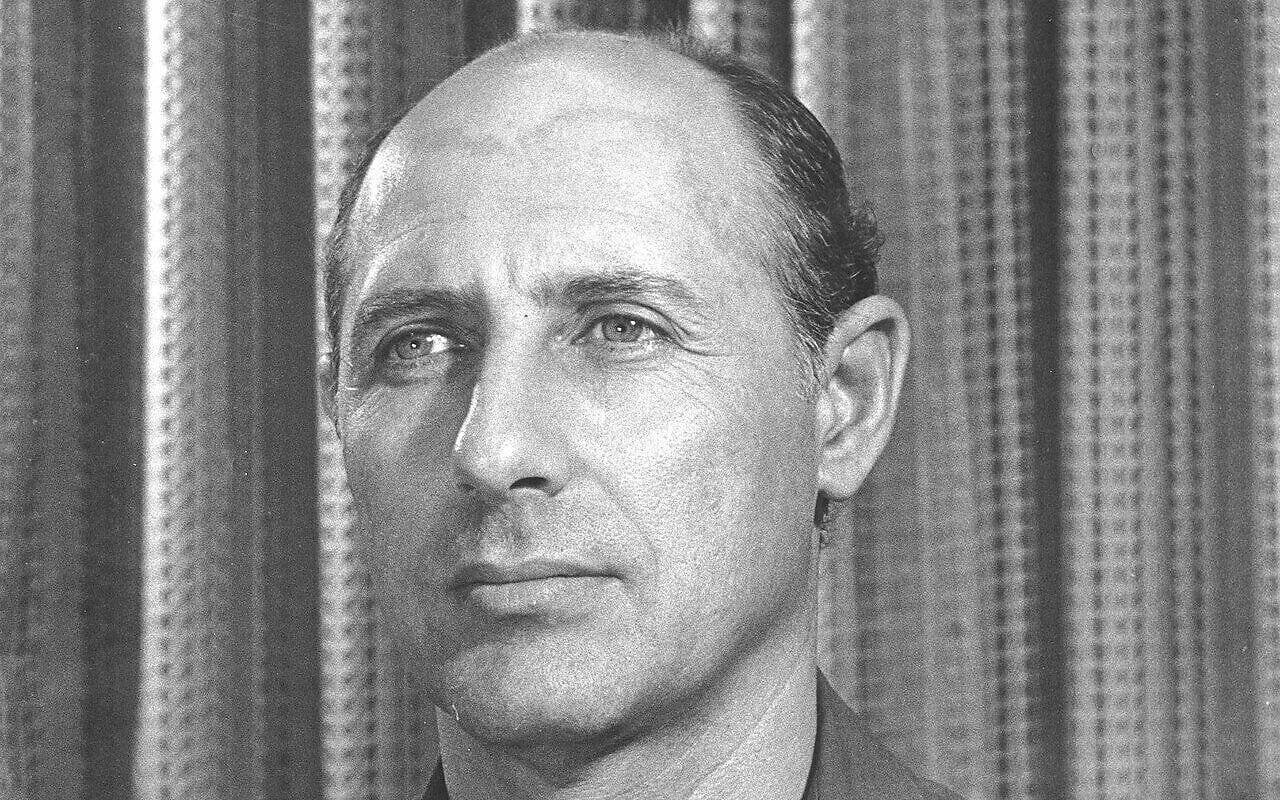
In January 1970, he was appointed Israel’s military attaché to the United States and Canada and promoted to major general. Zeira returned to Israel in September 1972 and was appointed head of the Military Intelligence Directorate the following month — a role that would define his legacy.
A year later, on the eve of Yom Kippur, he infamously assessed that Egypt and Syria would not attack Israel despite mounting intelligence to the contrary. That misreading of intentions proved catastrophic.
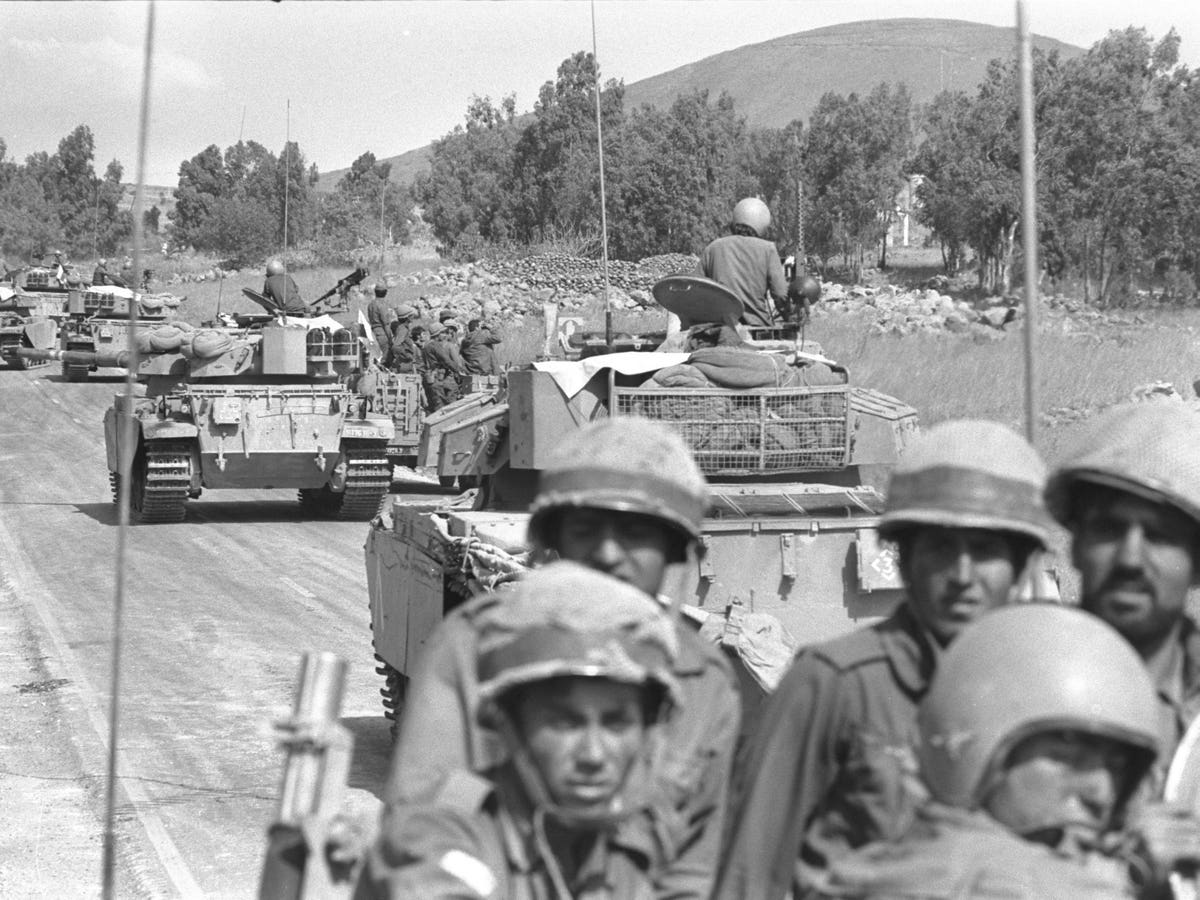
When Egypt and Syria launched a coordinated assault on October 6, 1973, Israeli forces were caught off guard, resulting in heavy early losses and a national trauma that still shapes Israeli security thinking to this day.
The postwar Agranat Commission, established to investigate the failures that led to the surprise attack, found Zeira negligent in his duties. Though the panel did not explicitly recommend his dismissal from the IDF, he chose to study for a year at Stanford University and subsequently ended his military service.
Years later, Zeira became embroiled in another major controversy. In 2004, former Mossad chief Zvi Zamir accused him of leaking the identity of Ashraf Marwan — the billionaire son-in-law of Egypt’s second president Gamal Abdel Nasser and a close adviser to his successor Anwar Sadat — who had secretly provided Israel with invaluable intelligence for years, including the final warning ahead of the 1973 attack.
The State Prosecutor’s Office opened a criminal probe, but after years of investigation, it closed the case in 2012 without charges.
Zeira leaves behind a complicated legacy — defined as much by his long record of service as by the fateful misjudgments that continue to reverberate more than 50 years after the Yom Kippur War.








The Times of Israel Community.