

Few options for Tehran as it plots revenge on Israel
Revolutionary Guard commander struggling to find partners, in Iran and abroad, for military response after Iranians targeted in alleged Israeli strikes in Syria

 Add ToI as a Preferred Source on Google
Avi Issacharoff, The Times of Israel's Middle East analyst, fills the same role for Walla, the leading portal in Israel. He is also a guest commentator on many different radio shows and current affairs programs on television. Until 2012, he was a reporter and commentator on Arab affairs for the Haaretz newspaper. He also lectures on modern Palestinian history at Tel Aviv University, and is currently writing a script for an action-drama series for the Israeli satellite Television "YES." Born in Jerusalem, he graduated cum laude from Ben Gurion University with a B.A. in Middle Eastern studies and then earned his M.A. from Tel Aviv University on the same subject, also cum laude. A fluent Arabic speaker, Avi was the Middle East Affairs correspondent for Israeli Public Radio covering the Israeli-Palestinian conflict, the war in Iraq and the Arab countries between the years 2003-2006. Avi directed and edited short documentary films on Israeli television programs dealing with the Middle East. In 2002 he won the "best reporter" award for the "Israel Radio” for his coverage of the second intifada. In 2004, together with Amos Harel, he wrote "The Seventh War - How we won and why we lost the war with the Palestinians." A year later the book won an award from the Institute for Strategic Studies for containing the best research on security affairs in Israel. In 2008, Issacharoff and Harel published their second book, entitled "34 Days - The Story of the Second Lebanon War," which won the same prize.
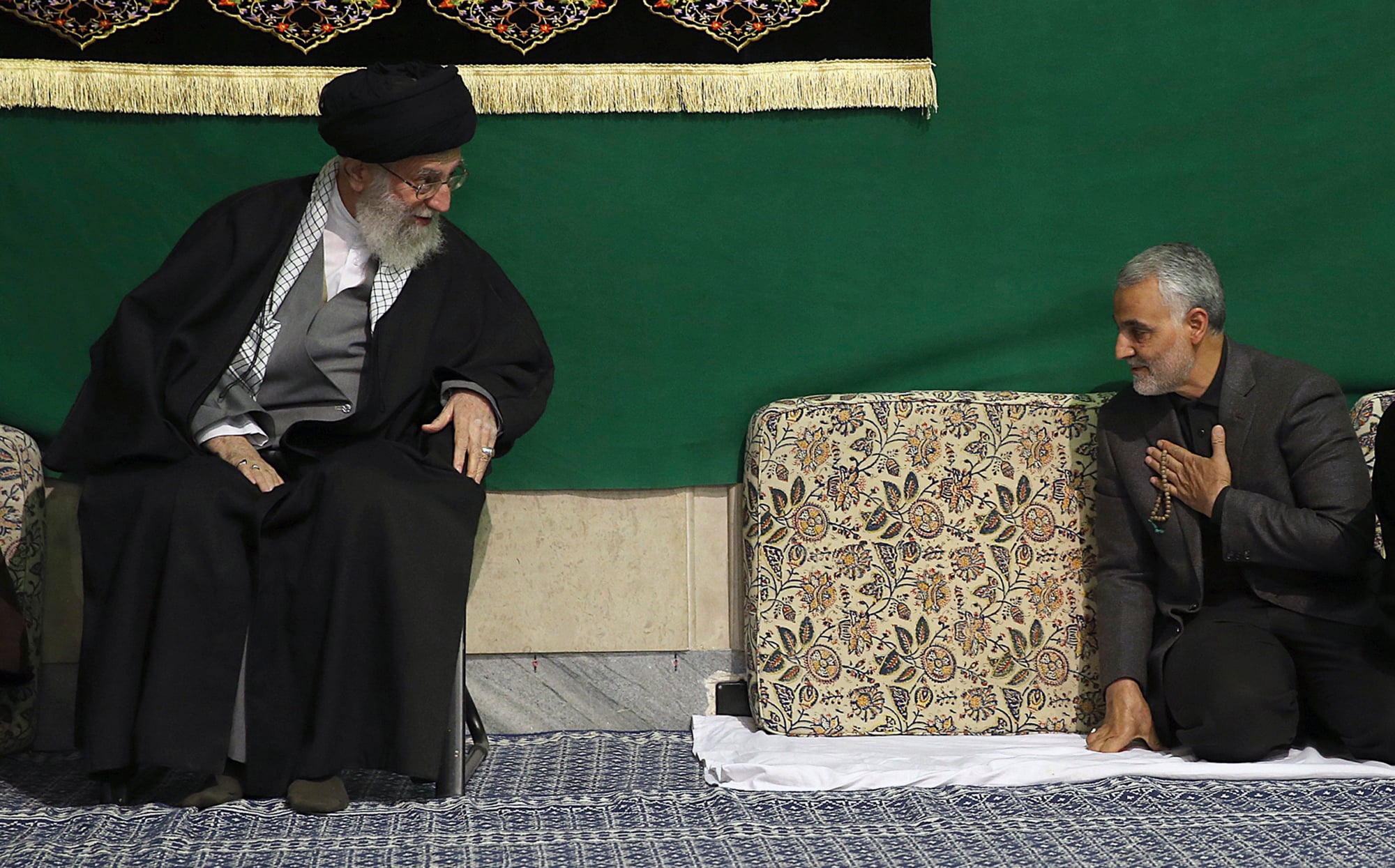
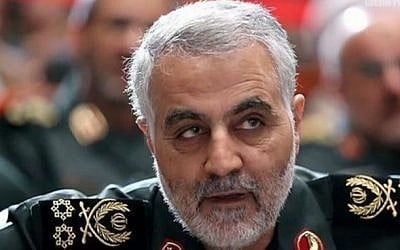
It is a tough time for Qassem Soleimani, the commander of the Revolutionary Guard’s Quds Force. The Iranian general, a legendary figure who has been spotted in every possible battlefront throughout the Middle East, has lately had to deal with several setbacks due to military action in Syria attributed to Israel.
Soleimani in recent weeks reportedly lost seven of his men in Syria, and has had to give explanations to Tehran about the extent of the Quds Force’s involvement in Syria — something that isn’t welcomed by some factions in Iran.
Soleimani and the Revolutionary Guard would like to respond to the strikes in Syria, according to assessments by Israeli officials, but it is a difficult task.
First, it seems like Iran’s military operations in Syria are tracked and largely known to Israel.
But beyond that, in the current map of interests in the Middle East, it is hard to identify partners who would cooperate with a revenge attempt against Israel.
Russia, expecting to reap benefits from its involvement in Syria in the form of rehabilitation of the war-torn country and construction of Russian infrastructure, wouldn’t want to see another war on Syrian soil after seven years of civil war. The issue is likely to be discussed during Prime Minister Benjamin Netanyahu’s upcoming visit to Russia.
Syrian President Bashar Assad would similarly prefer to rehabilitate his country rather than see it become an Iranian proxy, after recently clearing the capital Damascus of Islamic State terrorists and still being tied up in a battle over the Yarmouk refugee camp.
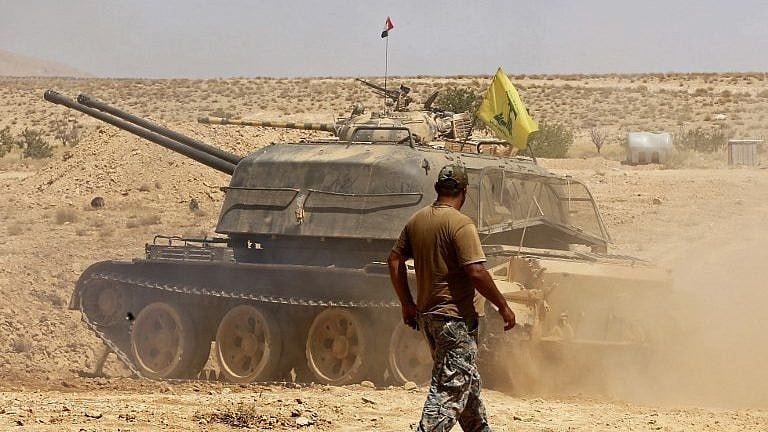
Even for Iran’s branch in Lebanon, terror group Hezbollah, revenge against Israel isn’t easy at this time. Right after an election campaign that highlighted the group’s focus on internal Lebanese issues, it can be assumed that Hezbollah, wanting to increase its power within the Lebanese government, wouldn’t be thrilled to launch a new war with Israel on Iran’s behalf.
Nevertheless, Israeli officials estimate that Hezbollah’s military forces constitute a significant part of Iran’s entrenchment in Syria.
Iran is secretly putting efforts into establishing a proxy group that would react against Israel without implicating Hezbollah or leaving Iranian fingerprints — just like Iran has been operating against Saudi Arabia in Yemen in recent years with Hezbollah’s help. Houthi rebels launch missiles toward Saudi territory every few weeks and have managed to hit such targets as the Riyadh airport.
In Syria, Hezbollah and its leader Hassan Nasrallah aren’t officially committing themselves to the Iranian efforts. But the group has agreed to send its top experts and advisers to help with the task: launching long-range missiles at Israel, hoping to hit a military target and thus ostensibly responding proportionately to the alleged Israeli strikes. (It should be noted in this context that Iran is seeking “revenge” for alleged Israeli strikes that followed the launch into Israel from Syria by Iran in February of a drone carrying explosives, and that Israel has made repeatedly plain that it will take the actions necessary to prevent Iran from establishing a military infrastructure across its northern border in Syria.)
Israel has identified some of these advisers in Syria, together with members of Shiite militias seen as field operatives for Soleimani.
The Quds Force commander has been aided in the transfer of missiles from Iran to Syria by the Revolutionary Guard’s Air Force commander, Amir Ali Hajizadeh, and the head of its surface-to-surface missile program, Col. Mahmoud Bakri Katrem Abadi.
Soleimani and his colleagues in the Revolutionary Guard are also facing internal Iranian opposition, primarily from the heads of the so-called moderate camp, President Hassan Rouhani and Foreign Minister Mohammad Javad Zarif.
Iran doesn’t want to land itself in trouble in Syria on the eve of US President Donald Trump’s decision on whether to withdraw from the 2015 nuclear deal.
But it should be noted that even after May 12, when Trump will announce his decision, nobody from the moderate camp in Tehran sees any benefit in getting involved in a military confrontation with Israel. It could be too costly.
Iran’s economy is deteriorating and the nuclear deal apparently has not improved the situation. The Wall Street Journal reported Monday that the country has lately seen a large-scale wave of strikes and protests. Unemployment rate is at 12 percent, the rial is plunging, and prices for basic products are on the rise.
An Iranian entanglement in Syria isn’t expected to bring calm to the turbulent streets of Iran. On the contrary, it would only bring further deterioration, and we can only guess what would happen if the nuclear deal isn’t renewed and economic sanctions are intensified.







The Times of Israel Community.