

Film charts how newly licensed Saudi women motorists try to drive social change
Out October 24, HBO documentary ‘Saudi Women’s Driving School’ follows female drivers who maintain cautious optimism even as gender rights activists still sit behind bars
 Add ToI as a Preferred Source on Google
Jordan Hoffman, a member of the New York Film Critics Circle, is The Times of Israel's long-time film reviewer and the co-host of The Reel Schmooze.
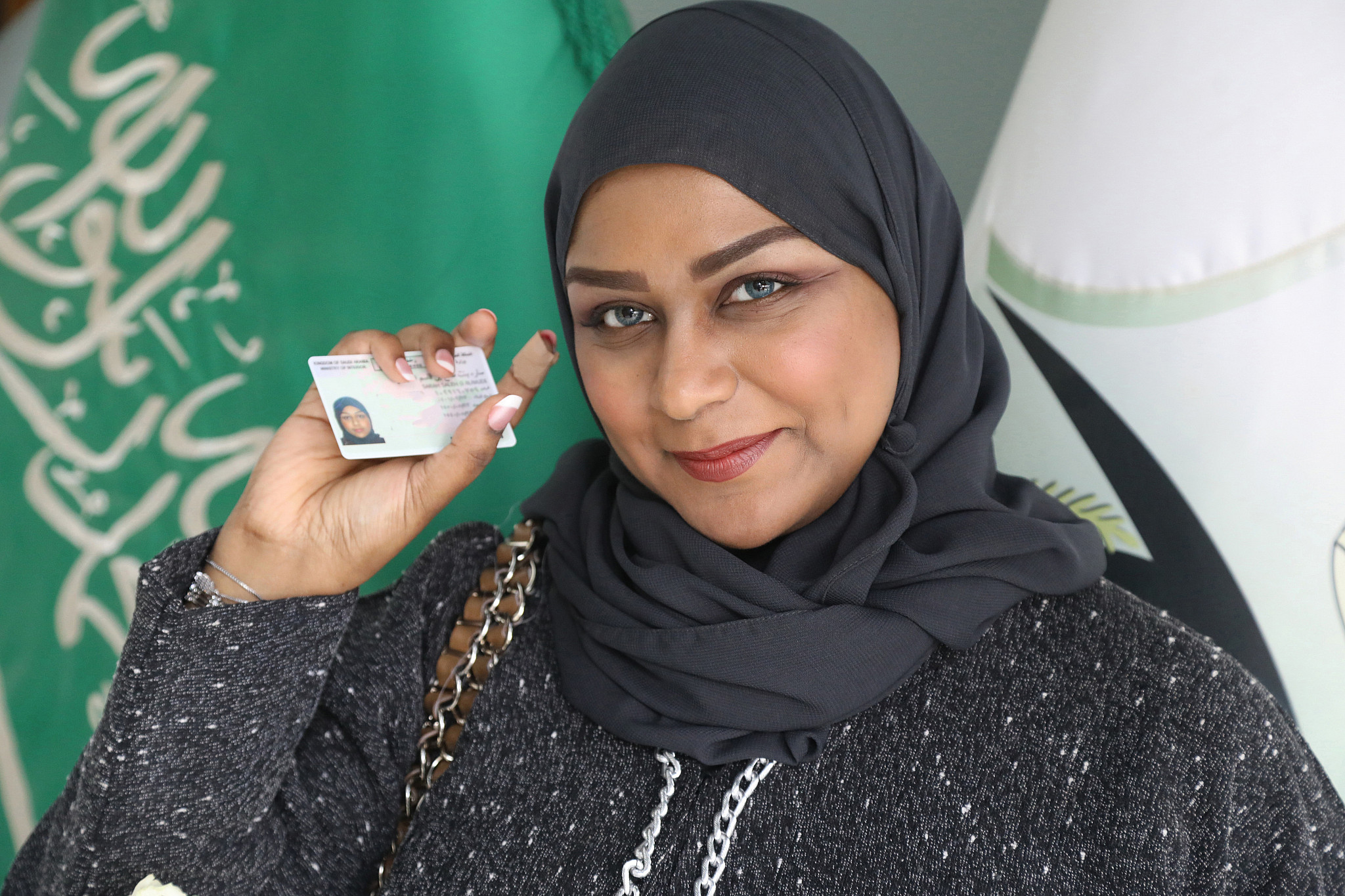
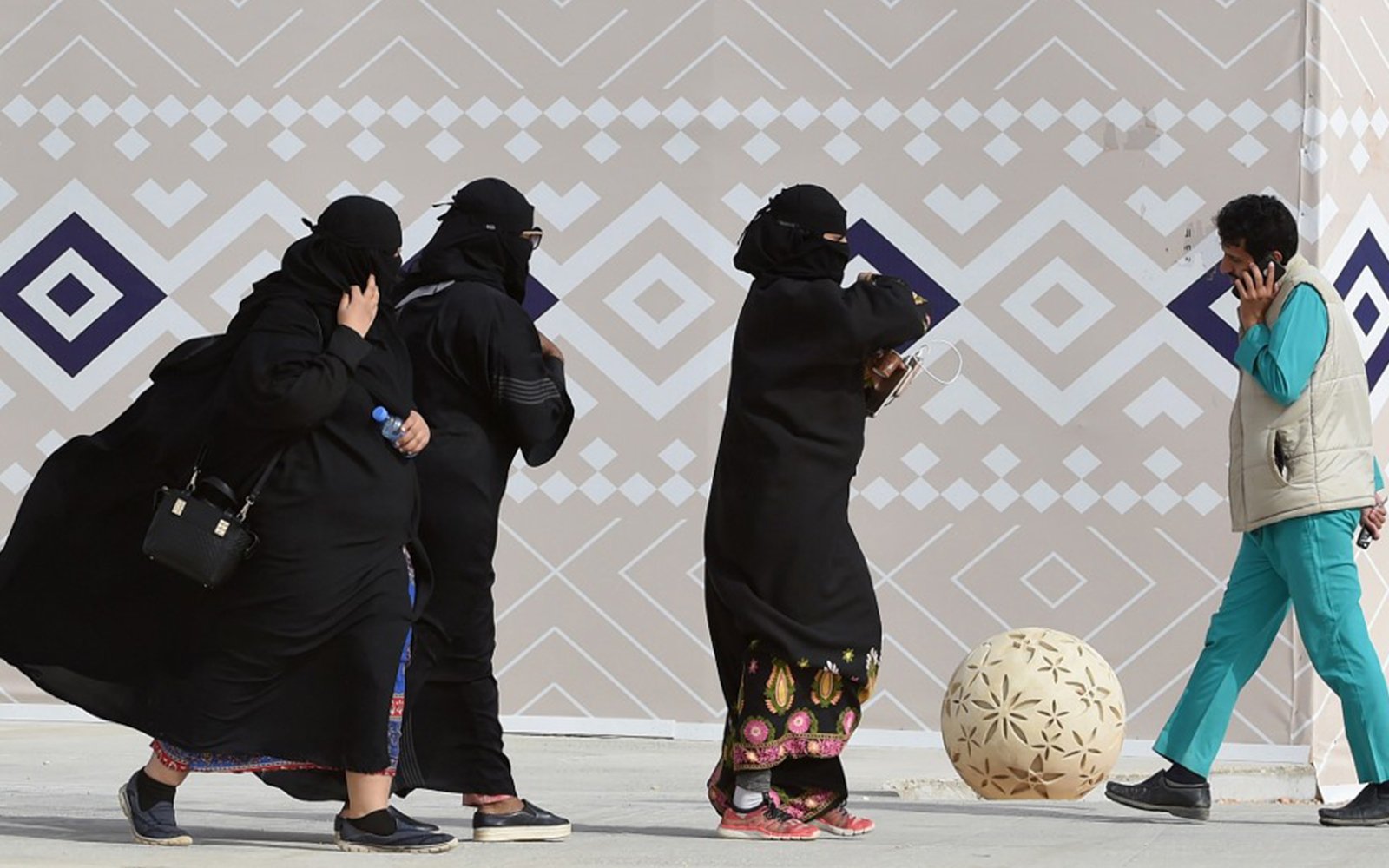
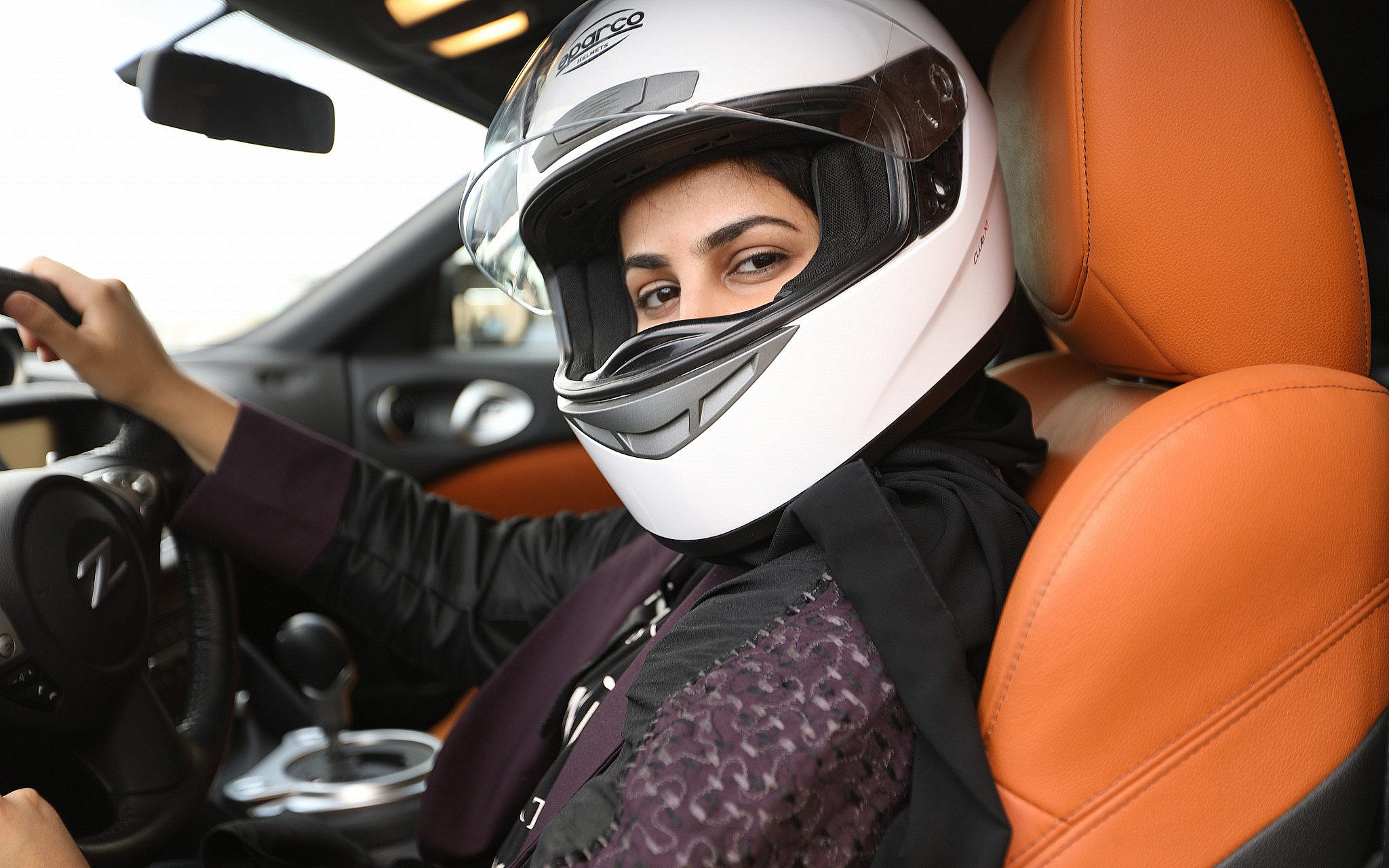
NEW YORK — It sounds like something out of “The Handmaid’s Tale”: A wealthy, modern society in which women are kept subservient to men by royal decree such that even their freedom of movement is curtailed. Unfortunately, that’s the reality of life in Saudi Arabia. There is, however, evidence that significant change is coming.
In June 2018 the ban on women driving — the only such gender-specific ban in the world — was lifted. It didn’t come easy. It took years of activism, and many protestors are still imprisoned as traitors despite the current change in the law.
This past August saw an easing of the barbaric “guardianship” rules which preclude women from making life decisions without a male’s approval (either a father, husband, brother or, in some cases, a son). Women now no longer need a guardian’s sign-off to travel or to register the births of their children. But they still need a man’s approval to do many other things, such as enter a domestic violence shelter, which is just too absurd to comment on.
These are noticeable and significant societal changes. So much so that Saudi Arabia allowed a British documentary crew to observe and interview some of the first waves of legal Saudi women drivers — a rare case of transparency.
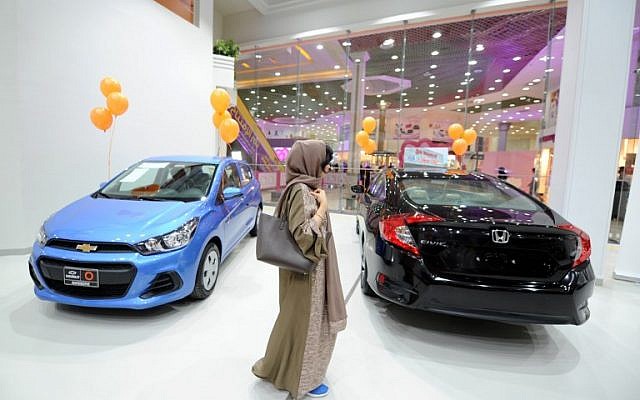
“Saudi Women’s Driving School,” which debuts on HBO on October 24, gets under the hood with three new drivers: a car salesperson who needs to better learn her product, an Uber driver with a new sense of liberation and an actual motorsport racer.
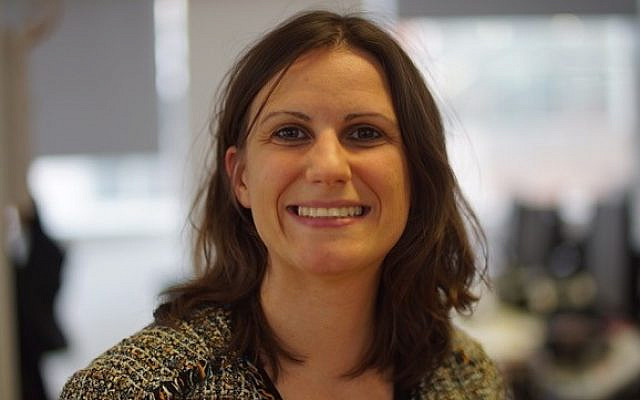
I spoke with the film’s director Erica Gornall about her project. An edited version of our conversation is below.
I am a little more optimistic for women in Saudi Arabia after watching your film. Is it fair to say things are on the upswing?
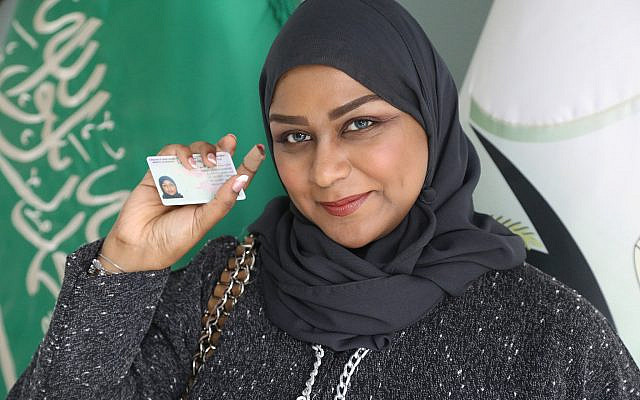
With the women I spoke to — everyday women in Saudi Arabia — there definitely is a sense of optimism. There are more openings in professions that were closed to women before and, obviously, the right to drive is the one that hit the headlines. They were the last country not to allow women to drive. These are incredibly strong women, they are just bursting to go. The Saudi driving school has a huge waiting list, which is a good indicator there.
Driving a car may be seen as mundane in the US or UK, but it means something so much more to these women.
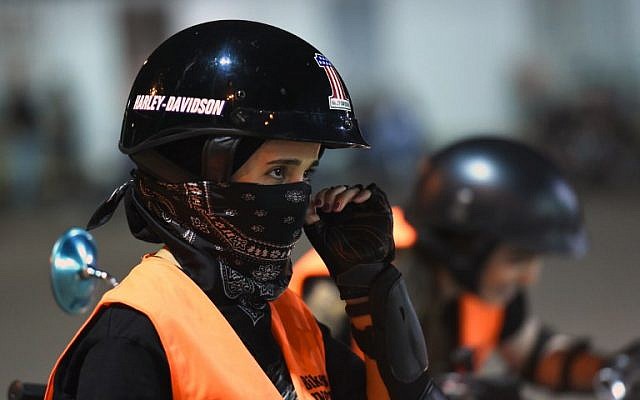
I can sometimes be a little cynical, so when I watch a documentary like this I think, cui bono (who benefits)? It’s a little vague just why the king has suddenly gone from throwing women who drive in jail to making this the new law of the land?
It’s hard to tell, and certainly hard to know, “What if it didn’t happen?” But my impression of Saudi Arabia is that it is very top-down. Only weeks before the restriction was lifted there were women arrested for driving. So it isn’t a straightforward progression. It’s not “rights are getting better” full stop, and certainly the women I spoke to felt that. There are other things happening. There still are crackdowns on other activists.
The lifting of the ban has been interpreted as “Mohammed bin Salman has been kind,” but as we know, anything in the Kingdom has cross-communication. The activists who were arrested that are still awaiting trial, and are considered traitors — even though we show them in the film doing the very thing that just a short period later is considered legal.
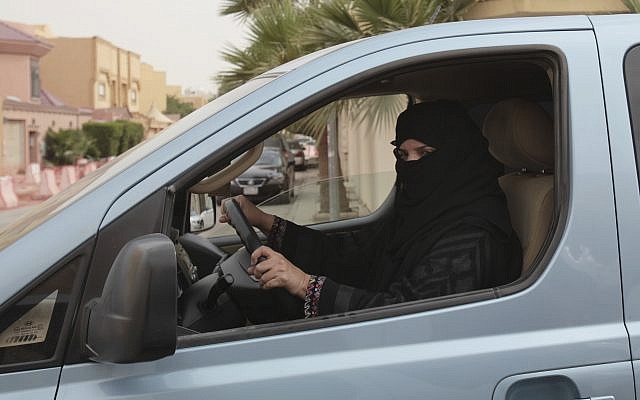
It’s quite infuriating to watch. Is their incarceration being used as a fear tactic, you think, or do reasonable people still consider them traitors because they didn’t listen to their king?
It’s hard to tell. I really do not know. Going to Saudi Arabia is like going to a separate world.
You meet loads of women who are excited about how their lives are about to change, but the lives of the activists don’t necessarily overlap. It’s strange. Different women in the country are going through different experiences. That’s why we try to tell separate stories, different paths in the same kingdom.
Not everyone can afford a new car!
In Saudi Arabia petrol is actually cheaper than water
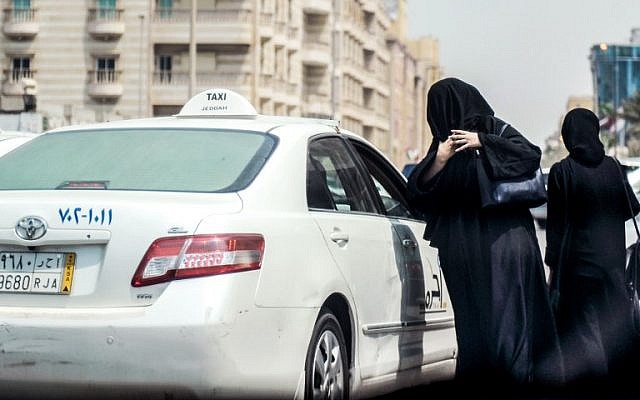
True. True in the USA, too. But in Saudi Arabia petrol is actually cheaper than water. Seriously. So being able to drive in Saudi Arabia isn’t just necessary, with their lack of public transportation, but also it’s something almost anyone can do. And prior to the ban being lifted women were paying lots of money to ride with Uber and similar companies, so they were still mobile, it was just costing a lot of money. So this is a considerable savings.
I was curious about that. I’ve seen previous films of women in Saudi Arabia hiring minivans to get them around, or, as you say, taking Uber — and it would naturally be a male driver. There are all these social codes about separating the sexes, about women not being alone with men who aren’t their family, so I never understood how that was allowed in such a strict culture?
Yeah. It’s hard to understand. When I was in Riyadh I took Uber all the time, and most of my drivers were guys and they said the majority of their passengers were women. I can’t quite understand it, but I guess in the context of a car it’s “okay.”
But there are still remnants of the old ways. For me, as a female film director, going to the Saudi driving school was like going back to my high school. It was only women, and it was, quite frankly, an amazing atmosphere, with everyone chatting and laughing. Then when my producer Nick London would enter a room, it all just changed. So there are still different spheres for men and women.
But it is changing. We filmed in cafés without partitions or religious police, and I heard stories where only years ago to be in a café with the opposite sex would be a worrying scenario.
Very few film crews are allowed inside the Kingdom; your film even opens with that boast. So part one of my question is, “How the heck did you get in there?” and part two is, “Did you have a government-assigned attaché trailing you?”
It’s a good question. You hear “Saudi Arabia” and “documentary” and ask these questions.
When we heard about women being allowed to drive, my producers sprung into action. “Who are these women? What will it mean to them? How will they learn?” It was meant to be a blank canvas; let the women tell us. These are women that we barely hear from. That was the motivation.
It took about a year until we caught a plane to go. We got our visas and everything, but once we were there we were pretty much left to our own devices. The school was happy for us to be there, once we met face to face.
And the process of finding the contributors was just as long and arduous as it would have been in the UK, and sometimes fortuitous. Sarah Saleh, the car saleswoman, was someone Nick just met when he was visiting auto showrooms. She had been working there, but had he gone a year prior they would not have met; she would have been in the back room. But now she’s out there selling because there are women to sell to, and she was about to go to the driving school anyway.
With Shahad al-Humaizi, we met with women who were making money through taxi driving and Uber and found her. We met Amjad Al-Amri through an associate who is a motor sports fan who said, “You won’t believe this person.”
So a similar process, but they really had to trust us. The interviews got quite personal, discussing “guardianship” before the government relaxation on women traveling happened. There’s some criticism in there, and that can get dangerous. They had to feel safe. These women are not people who have run away or live in the USA or London. They live and work in Saudi Arabia and want to stay there. There is the unspoken consequence to saying something controversial. They need to be careful.
Did you have to show it to anyone before you left? Was there any vetting process?
We showed it to the contributors, so that they felt confident in their own safety. Which is important to me as a filmmaker; I want to give people a voice, but to do it in a way they are comfortable. That’s the same for me anywhere in the world.
We showed it to the contributors, so that they felt confident in their own safety
But did you have to show someone in Saudi Arabia a rough cut?
Absolutely not. Not to say that we weren’t asked, but that could happen anywhere. But we didn’t have to show it to them. No one in Saudi Arabia has seen it there yet.
One of your experts, the author Manal al-Sharif, refers to Saudi Arabia’s “post-oil economy.” I didn’t realize this was a thing.
They talk a lot about 2030, how they won’t be selling oil forever. You can see it, to an extent. They are attracting people with motorsport events, with concerts. There was a huge one while we were shooting, with Black Eyed Peas. But the big push also is to get women into the economy. And with women driving, it will encourage women working more, so that is the economic argument to lift this longtime ban. Oil can’t be the income forever.


The Times of Israel Community.