

The government’s bid to fire Attorney General Gali Baharav-Miara: What happens next?
If newly formed ministerial committee, set to meet a second time on Thursday, recommends she be dismissed, cabinet will take a final vote. But High Court could then step in

 Add ToI as a Preferred Source on Google
Jeremy Sharon is The Times of Israel’s legal affairs and settlements reporter
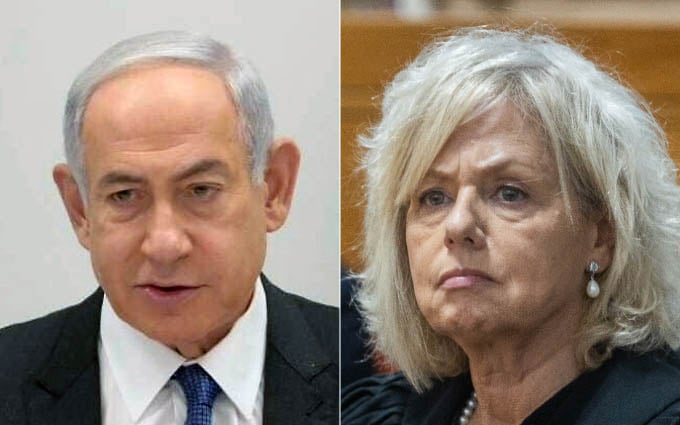
The story arc of Israel’s long-running legal melodrama intensified on Monday, as a newly formed ministerial committee convened to deliberate as to whether to fire Attorney General Gali Baharav-Miara.
Baharav-Miara herself refused to attend, stating that the new dismissal process — which was introduced last month after the government realized it could not complete the original process — was a sham with a foregone conclusion and was legally invalid.
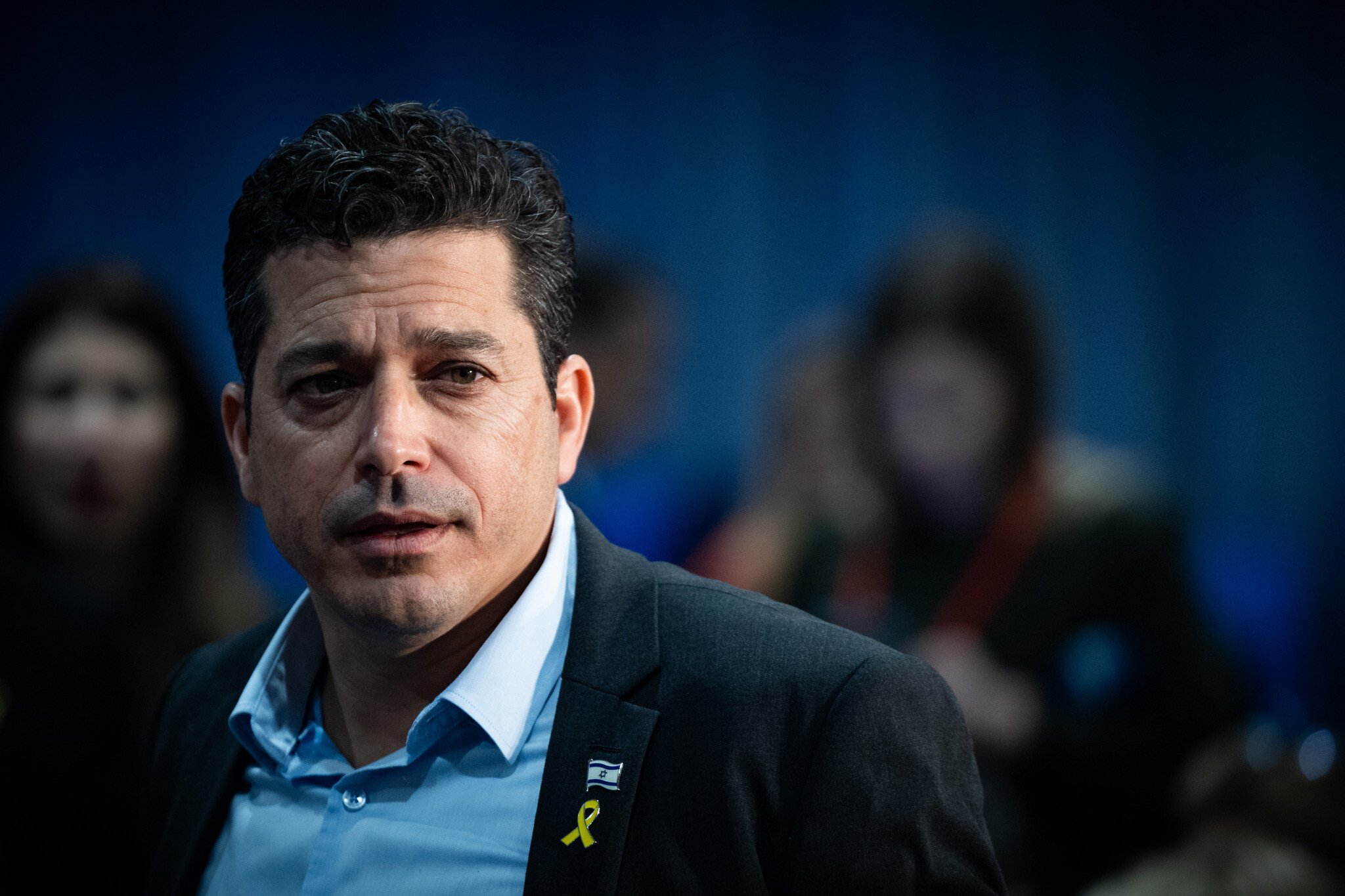
As it turned out, the committee, chaired by Diaspora Affairs Minister Amichai Chikli, a member of Prime Minister Benjamin Netanyahu’s Likud party, decided to end Monday’s episode on an ostensible cliffhanger, saying it would hold a second hearing for Baharav-Miara on Thursday.
In a formal decision, the committee said it was going “beyond the letter of the law,” and giving Baharav-Miara a final chance to argue her case.
The reason behind that decision remains unclear. It could be designed as an effort to demonstrate that the committee is truly and sincerely weighing the evidence for and against firing the attorney general, or equally due to the political crisis currently facing the government, or indeed both.
As the members of the committee have made clear in comments they have made individually about the attorney general, however, it seems almost inevitable that they will, indeed, recommend to the government that it fire Baharav-Miara. That, after all, is what the committee was formed to do.
But what happens after that?

In the government’s hands
The new process for firing the attorney general, approved by the government on June 8, empowers a five-member ministerial committee to hold a hearing for the attorney general and then submit a recommendation to the government as to whether it should fire Baharav-Miara or not.
It replaced a process established in 2000, whereby the same public, professional committee that recommends a candidate for the position of attorney general must also make a recommendation on whether to fire him or her.
Given the government’s oft-expressed and ardent desire to rid itself of its attorney general, it seems likely that the new, ministerial committee will issue its recommendation to that effect on Thursday.
The government would then be able to hold a vote to remove Baharav-Miara from office at the next cabinet meeting, should it so wish, which would be Sunday, July 20.
But before or after a final cabinet vote is held, there are likely to be legal obstacles to overcome, meaning that Baharav-Miara may remain in office for a considerable time.
High Court petitions
Following the approval of the cabinet resolution in June changing the attorney general dismissal process, government watchdog groups immediately filed petitions to the High Court of Justice asking it to declare the new process invalid.
The organizations argued that the cabinet resolution moved the goalposts for firing the attorney general simply because the government had been unable to follow the established process. This was in large part because it could not find a former attorney general or justice minister to sit on the public, professional committee that was supposed to weigh such matters.
The petitioners also argued that the cabinet resolution was not a principled effort to change the attorney general firing process as a matter of legal doctrine, but simply a convenient way to dismiss a specific attorney general due to the current government’s objections to her.
The petitioners requested that the High Court issue an interim order against the new dismissal process and bar the government from holding Monday’s hearing until the court made a final ruling on the entire issue.
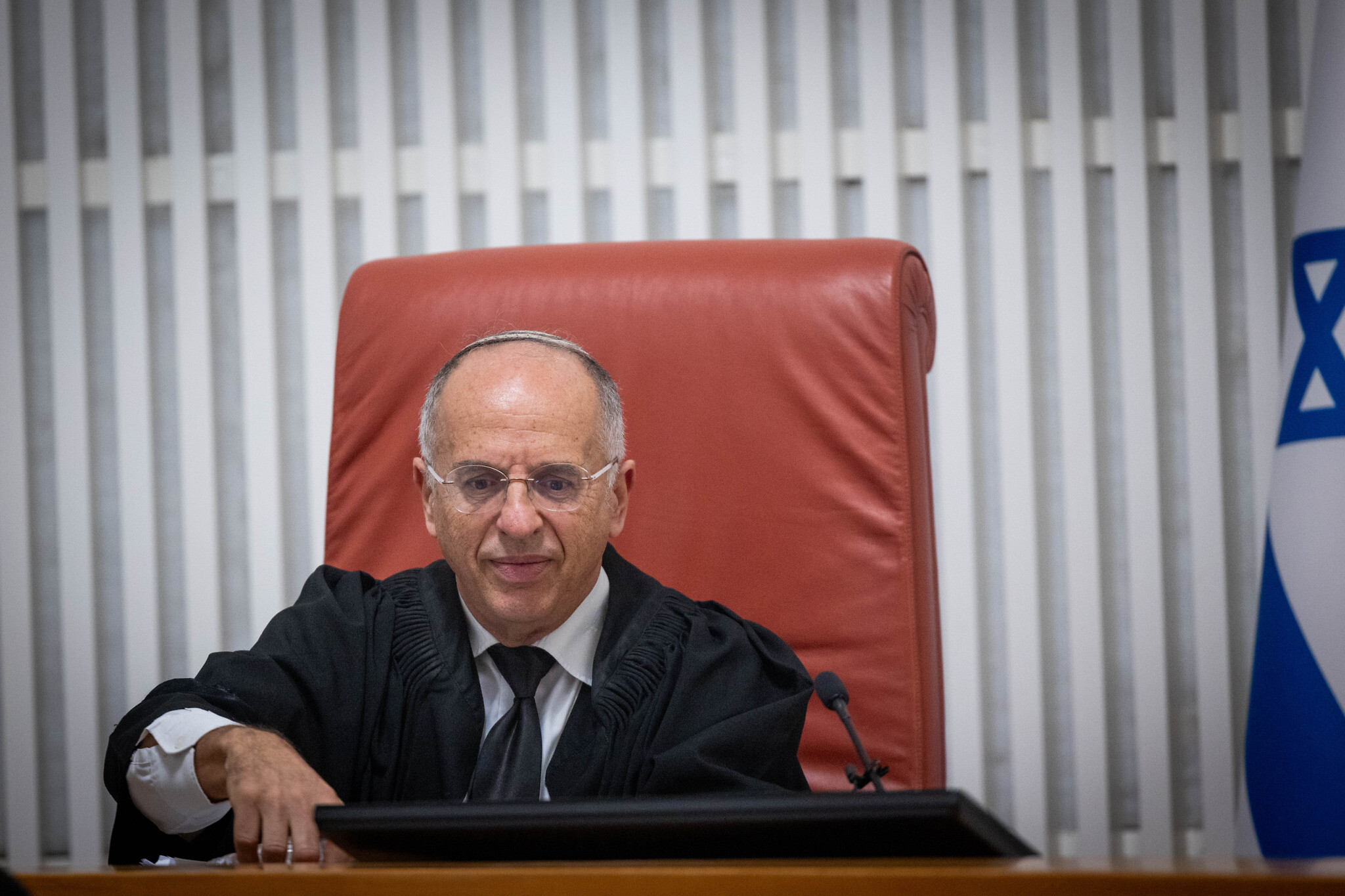
But in a decision on Sunday, Judge Noam Sohlberg declined to issue such an interim order, saying that the court only intervenes after a “final decision” has been made by the authorized body, effectively allowing the ministerial committee to convene.
It remains unclear if Sohlberg was referring to a “final decision” by the new committee, which would be when it delivers its recommendation, or a subsequent “final decision” by the cabinet to fire the attorney general.
Attorney Tomer Naor of the Movement for Quality Government in Israel described Sohlberg’s decision as “strange,” saying that the petition and the request for interim orders were based on what the organization argued was the invalid legal procedure of changing the dismissal process while the process itself was underway.
Instead, Sohlberg’s decision made the issue about the outcome of the government’s decision, Naor said.
“This is very problematic because it is clear that the process and the ministerial committee are not legal,” he asserted.
Nevertheless, the Movement for Quality Government will file an amended petition, asking for an interim order freezing the new dismissal process, as soon as the ministerial committee makes its recommendation.
If Sohlberg rules again that such a motion is premature, then the organization will file an amended petition once more, after the government votes on Baharav-Miara’s dismissal, Naor said.
Prof. Adam Shinar, an expert in constitutional law at the Harry Radzyner Law School at Reichman University, said he believed the High Court would only intervene following a final cabinet decision on dismissing the attorney general, based on Sohlberg’s decision from Sunday.
But regardless of the timing, Shinar said he believed the court would eventually intervene and rule against the new process.
“After the government decided to start the [original dismissal] process under the decision from 2000, it then decided to devise a new plan [because it could not convene the professional committee], and [instead to] have a political committee whose members have all already expressed their position to make the recommendation to the government,” said Shinar.
“The original committee was a public and professional committee, and the government is changing the rules of the game after starting to play the game, so the whole process is flawed,” he added.
The government itself did not actually file a legal response through a lawyer to the petitions against its new attorney general dismissal process. Instead, Justice Minister Yariv Levin and Chikli issued a notice to the court describing their objections to Baharav-Miara, without contending with the legal claims against the cabinet resolution.
Court intervention
If the court ultimately agrees to issue interim orders against any decision to fire Baharav-Miara, it would essentially freeze her dismissal until the court can make a final decision.
In theory, the court could agree to hear the case without freezing her dismissal, but that would enable the government to go ahead and hire a new attorney general while the case was heard, obviating the legal process, so such a route is unlikely.
In their notice to the court, Levin and Chikli intimated that the government would not abide by a ruling against it.
That would create a constitutional crisis whereby it would be unclear to government ministries, agencies, and institutions of state who the attorney general was and whether that person’s instructions should be obeyed.
What would happen if the country were taken down such a precarious constitutional rabbit hole is impossible to predict.









The Times of Israel Community.