

France’s Macron warns Trump of Mideast tensions over nuke deal pullout
In call, French leader express concerns over regional stability following US decision to exit accord
 Add ToI as a Preferred Source on Google
PARIS, France — French President Emmanuel Macron called US President Donald Trump late Saturday to say he’s very worried about tensions in the Middle East, after Trump’s decision to withdraw from the Iran nuclear accord.
Macron’s office said the two leaders spoke Saturday and the French leader expressed his “great concern about stability” in the region.
Macron strongly opposes Trump’s pullout from the 2015 global deal curbing Iran’s nuclear activities, along with the deal’s other signatories.
Hostilities between Iran and Israel escalated following the decision. On Thursday, Iran fired 20 rockets at Israel from Syria, drawing massive Israeli retaliatory airstrikes.
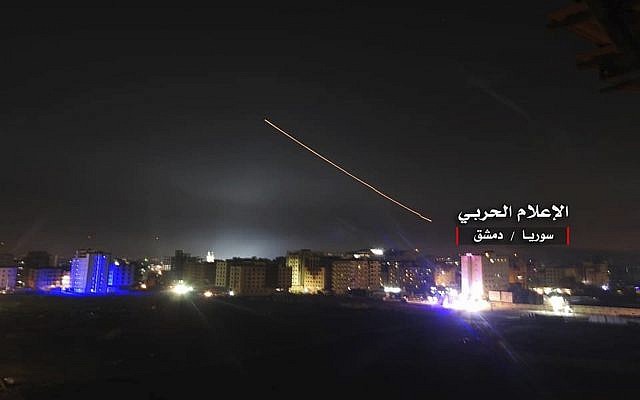
It was not clear if the attack was connected to the nuclear deal pullout, though some analysts say the accord’s demise has left Iran with less to lose by attacking Israel.
On Twitter Saturday, Trump defended his move by citing the buildup of the Iranian military while the accord was in effect.
Iran’s Military Budget is up more than 40% since the Obama negotiated Nuclear Deal was reached…just another indicator that it was all a big lie. But not anymore!
— Donald J. Trump (@realDonaldTrump) May 12, 2018
“Iran’s Military Budget is up more than 40 percent since the Obama negotiated Nuclear Deal was reached…just another indicator that it was all a big lie,” he wrote.
One of Trump’s main complaints with the deal was the fact that it did not address Iran’s missile program or other malign activities.
European diplomats in Tehran fumed over the weekend that Trump’s decision to withdraw from the nuclear deal could undermine years of patient work to restore commercial and diplomatic ties with the Islamic Republic.
“Since the signing of the JCPOA (nuclear deal), we have gone from an atmosphere like a gold rush, to one of utter depression,” said a Western trade diplomat on condition of anonymity.
“We are waiting now for how the decision-makers in the European Union will react. If the EU leans towards accommodating the US, all the progress we have made since 2015 will be lost.”
But she emphasized that many of the problems began long before Trump’s move last Tuesday.
“Decisions on the Iranian side took longer than expected, international banks were reluctant to work with Iran and the recent decline in the value of (Iran’s currency) made international business even more difficult,” she said.



The Times of Israel Community.