

Fresh campus protests in Iran continue for second day with shows of defiance
40-day memorial services for those killed in brutal crackdown last month become a rallying point for new demonstrations; regime stages pro-government counterprotests
 Add ToI as a Preferred Source on Google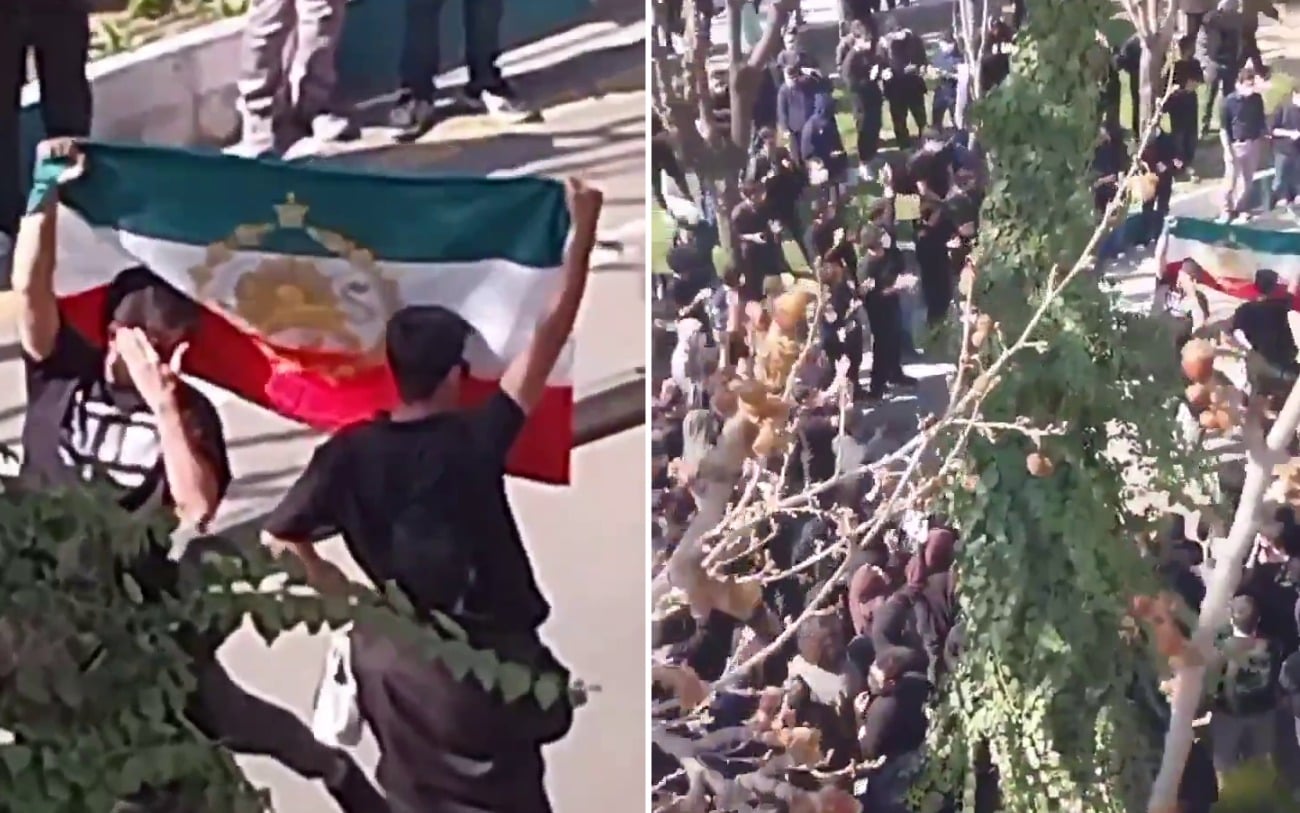
New anti-government protests continued for a second day in Iran, witnesses said Sunday, as university students in Tehran and another city demonstrated around memorials for thousands of people killed in a crackdown on previous nationwide demonstrations about six weeks ago.
Iran’s state news agency said students protested at five universities in the capital, Tehran, and one in the city of Mashhad on Sunday. The scattered protests erupted Saturday at universities following 40-day memorials for people killed in January during anti-government rallies.
Iran’s government has not commented on the latest protests. However, Iranian media sought to highlight pro-regime demonstrations.
Following campus rallies commemorating the protest dead on Saturday, the Fars news agency on Sunday published videos of fresh crowds of dozens of people waving Iranian flags and carrying memorial photographs at universities in the capital, Tehran.
One showed a rowdy gathering at Sharif University of Technology shouting, “Death to the shah” — a reference to the monarchy ousted by the 1979 Islamic Revolution — as they faced off with another group, with men in uniforms between them.
Fars said there had been “tensions” at a minimum of three universities in Tehran, where some students chanted “anti-establishment” slogans.
Iran International, a media outlet based outside the country and branded a “terrorist” organization by Tehran, shared a video on social media of students holding up the pre-revolution flag at Sharif University, as well as videos of rallies at other institutions of higher learning.
Students at Amir Kabir University in Tehran resisted an attempt by Basij members to stop their rally against the Islamic Republic on Sunday. In the footage, plainclothes Basij members can be seen on the right side. pic.twitter.com/VWXZ0SBiNY
— Iran International English (@IranIntl_En) February 22, 2026
A video geolocated by AFP of what appeared to be the demonstration at Sharif University showed a large crowd chanting anti-government slogans as they thronged around students waving the flag of the toppled monarchy.
Many Iranians have held ceremonies marking the traditional 40-day mourning period in the past week. Most of the protesters are believed to have been killed around January 8 and 9, according to activists tracking the situation.
Iranians across the country are still reeling with shock, grief, and fear after the earlier protests were crushed by the deadliest crackdown ever seen under the rule of 86-year-old Supreme Leader Ali Khamenei. Thousands of people were killed, and tens of thousands are believed to have been arrested.
شجاعت، غیرت و شرافت شیربچههای جنبش دانشجویی ایران
یکشنبه | ۳ اسفند ۱۴۰۴
دانشگاه صنعتی آریامهر (شریف)#انقلاب_شیروخورشید#جاویدشاه pic.twitter.com/7qFPInbxga— Amirkabir NewsLetter خبرنامهٔ امیرکبیر (@autnews_org) February 22, 2026
Although the crackdown tamped down the largest protests, smaller ones are still occurring, according to protesters and to videos shared on social media.
During the 1979 Islamic Revolution that toppled the shah and brought the Islamic Republic to power, 40-day memorials for slain protesters often turned into rallies that security forces tried to crush, causing new deaths. Those were then marked 40 days later, with new protests.
Posts on social media Saturday and Sunday have alleged that security forces tried to restrict people from attending some 40-day ceremonies.
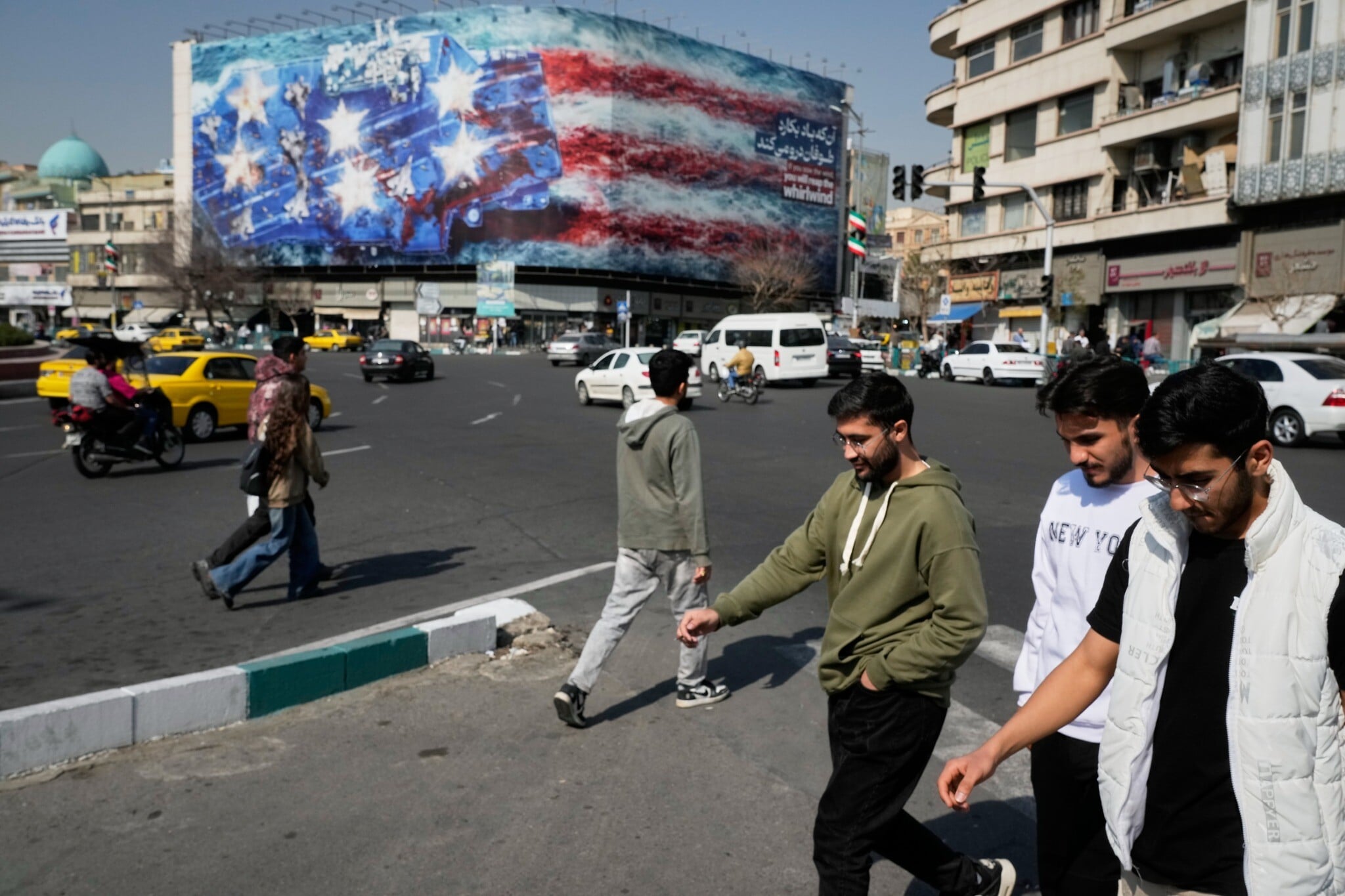
The new protests come while Iran braces for the possibility of a US attack, as the Trump administration pushes for concessions from Iran on its nuclear program and other issues. The US has built up its largest military presence in the Middle East in decades.
The US-based Human Rights Activists News Agency says at least 7,015 people were killed in the previous protests and crackdown, including 214 government forces. The group has been accurate in counting deaths during previous rounds of unrest in Iran and relies on a network of activists there to verify deaths.
The death toll continues to rise as the group crosschecks information despite disrupted communication with those inside the Islamic Republic.
Iran’s government offered its only death toll from the previous protests on January 21, saying 3,117 people were killed. Iran’s theocracy in the past has undercounted or not reported fatalities from past unrest.
The Associated Press has been unable to independently assess the death toll, given authorities have disrupted internet access and international calls in Iran.
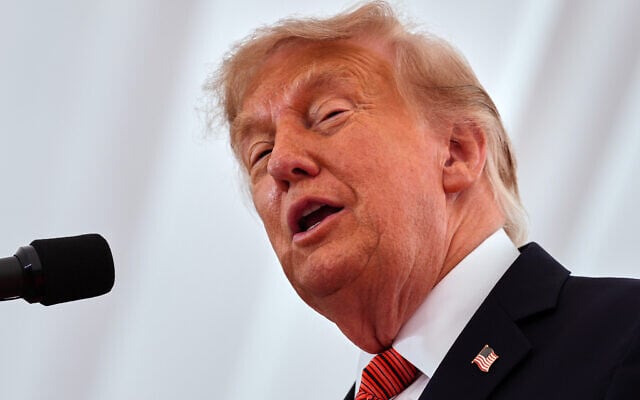
US President Donald Trump warned on Friday that limited strikes against Iran are possible, even as Iran’s Foreign Minister Abbas Araghchi said Tehran expects to have a proposed deal ready in the next few days, following indirect nuclear talks with the United States.
The movements of additional US warships and airplanes, with the USS Gerald R. Ford aircraft carrier near the mouth of the Mediterranean Sea, do not guarantee a US strike on Iran, but they bolster Trump’s ability to carry one out if he so chooses.







The Times of Israel Community.