

From fortified ORs to popup clinics, Israel’s medical centers streamline wartime operations
Using knowledge gleaned the hard way during the Oct. 7 Hamas invasion and June war with Iran, hospitals go underground amid incoming missile fire – and staff know the drill
 Add ToI as a Preferred Source on Google
Reporter at The Times of Israel

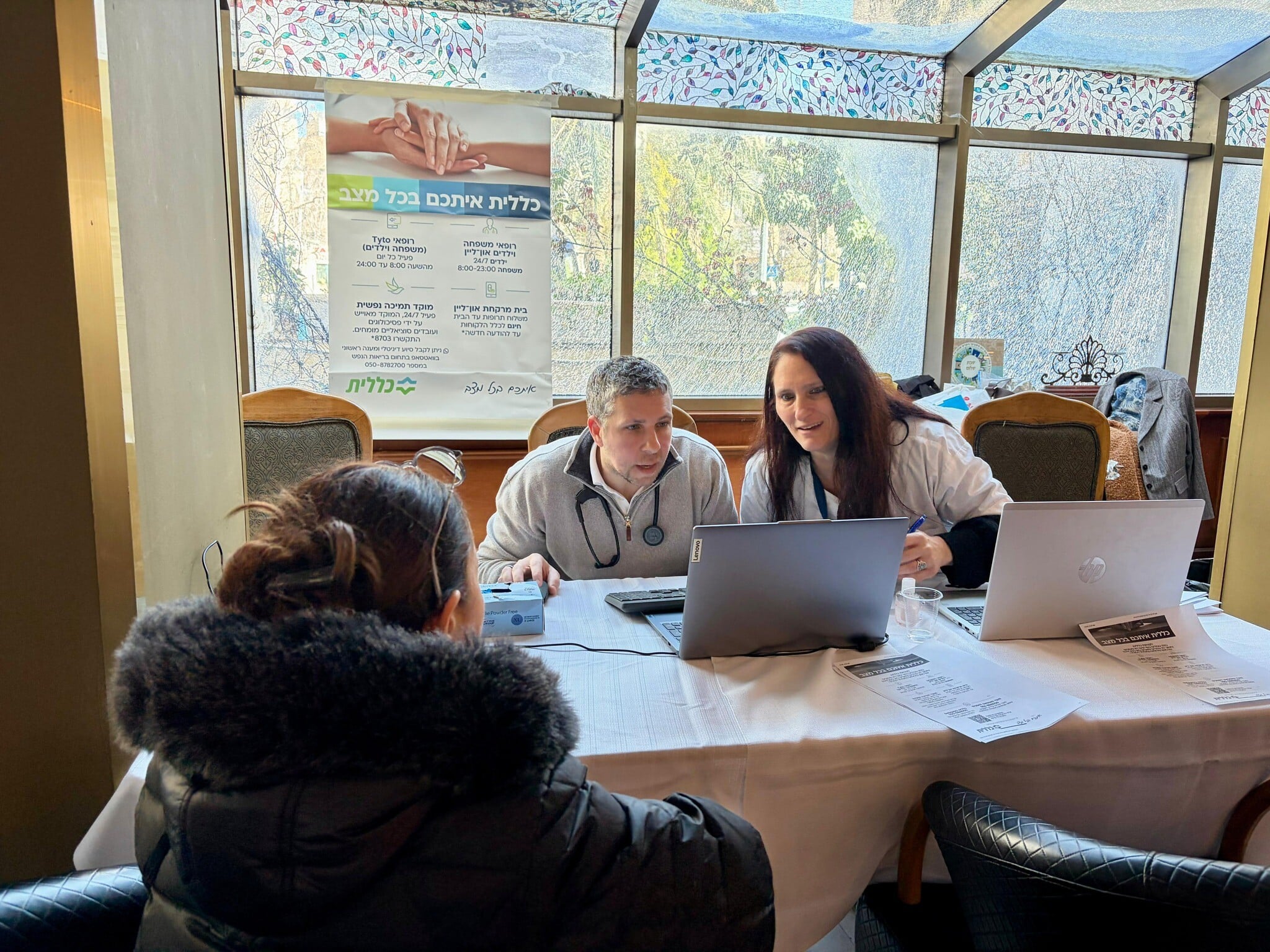
Two days after the deadly Iranian missile attack on Beit Shemesh that killed nine and wounded dozens, Dr. Jonathan Lifshitz, a family doctor in the city’s Mishlat General Clinic, traveled to Jerusalem to provide medical care to his patients who were among the 780 people evacuated to two Jerusalem hotels.
On a hotel table covered with a tablecloth, Lifshitz connected two computers, setting up a makeshift clinic, and got to work.
“When I learned that my patients were evacuated from their homes, it was clear to me that I would reach out to them,” Lifshitz said in a statement. “Beyond medical care, sometimes the mere encounter with a familiar doctor gives a sense of security during such a turbulent time.”
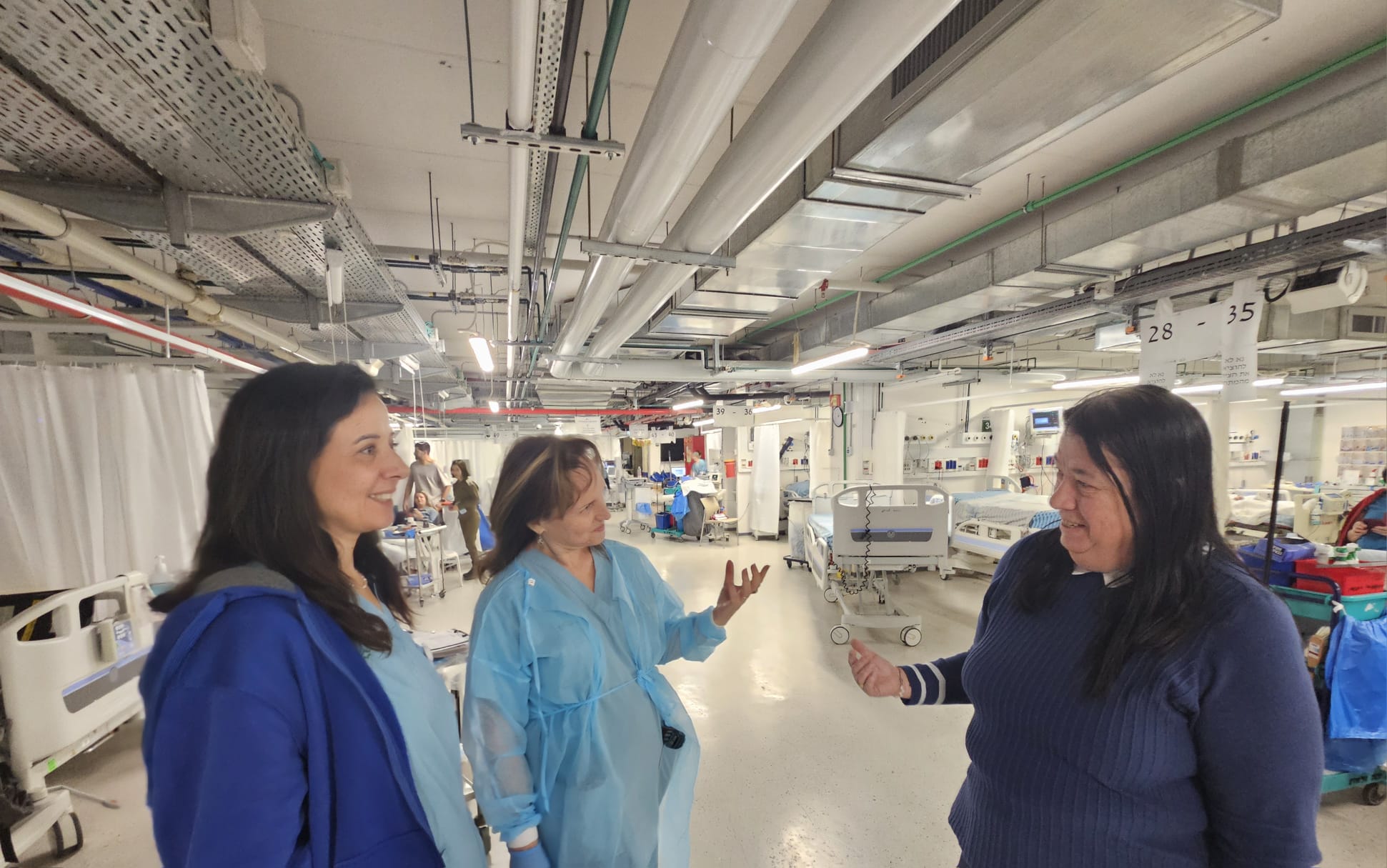
In improved pop-up clinics, underground parking lots converted to wards and fortified operating rooms, hospitals and health clinics around the country are once again providing services under fire since the joint US-Israeli strikes on Iran began on February 28.
Immediately after the start of the war, the Health Ministry directed medical centers around Israel to switch to emergency mode, moving intensive care patients and operations to underground complexes or performing surgeries in protected spaces.
During the two years of war sparked by the bloody Hamas invasion of October 7, 2023, Israeli medical centers provided care even as some hospitals — such as Barzilai Medical Center in Ashkelon — sustained rocket damage themselves.
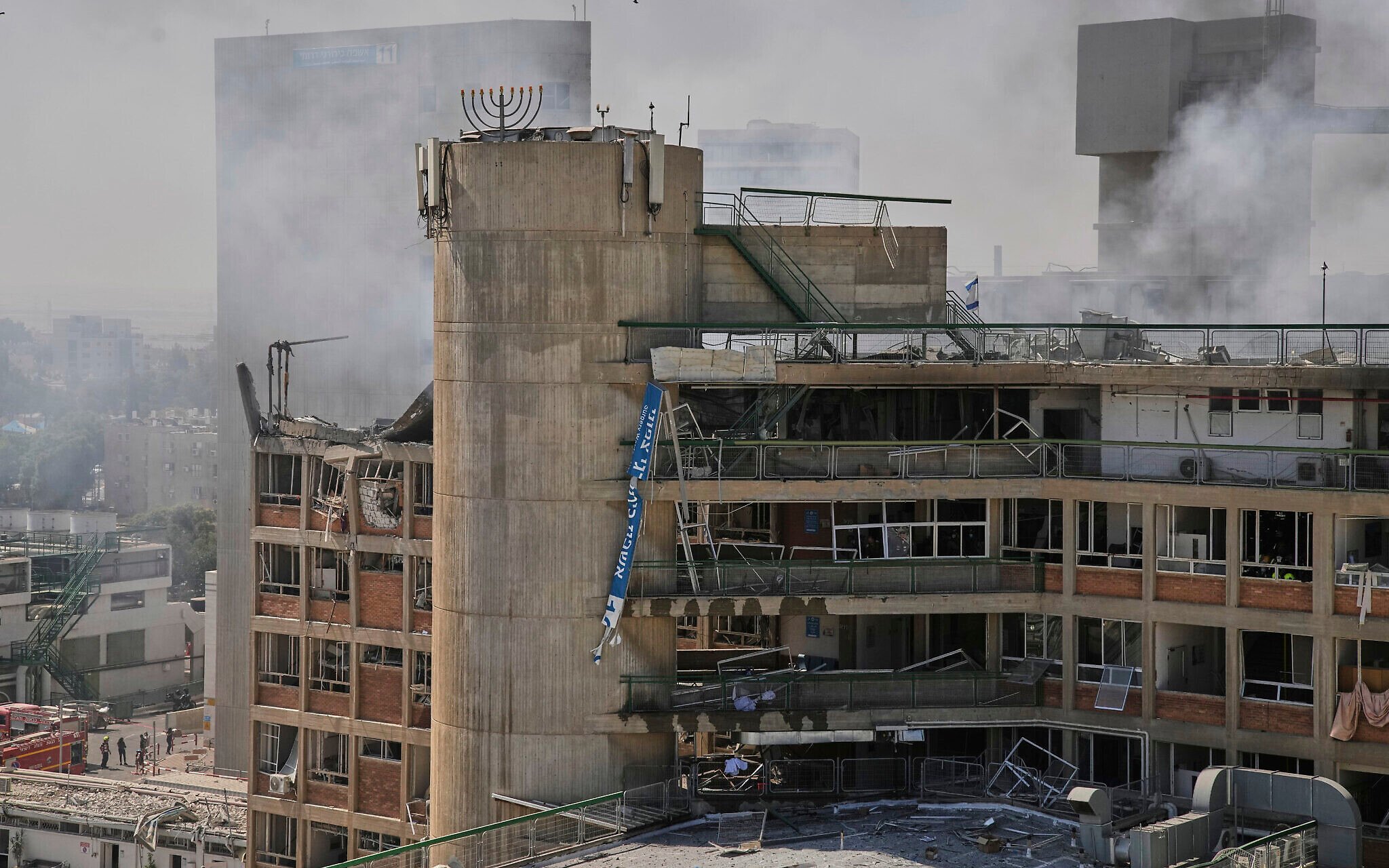
At Beersheba’s Soroka University Medical Center, an Iranian ballistic missile slammed into the hospital’s surgical ward during the 12-day war with Iran this past June, injuring more than 80 people and wrecking eight operating rooms along with six research laboratories.
“This is something that no hospital in Israel or the world has ever had to deal with,” said Soroka University Medical Center director Prof. Shlomi Codish. “Soroka now operates at the highest level of alert and continues to provide life-saving medicine.”
‘Implementing all the things we have learned’
“We’ve been there, done that,” was how Dr. Mira Maram, deputy director general at Clalit Health Services put it, speaking to The Times of Israel by telephone on Wednesday.
Maram, who oversees 14 hospitals across the country, said that after the war with Iran in June, which saw heavy incoming ballistic missile fire, “We’re now implementing all the things we learned.”
“We learned exactly what kind of equipment we have to take, what kind of beds we need to take and the distance needed between them, how to handle infection control, and what other machines we need to bring,” Maram said.
Northern hospitals in ‘fortified facilities’
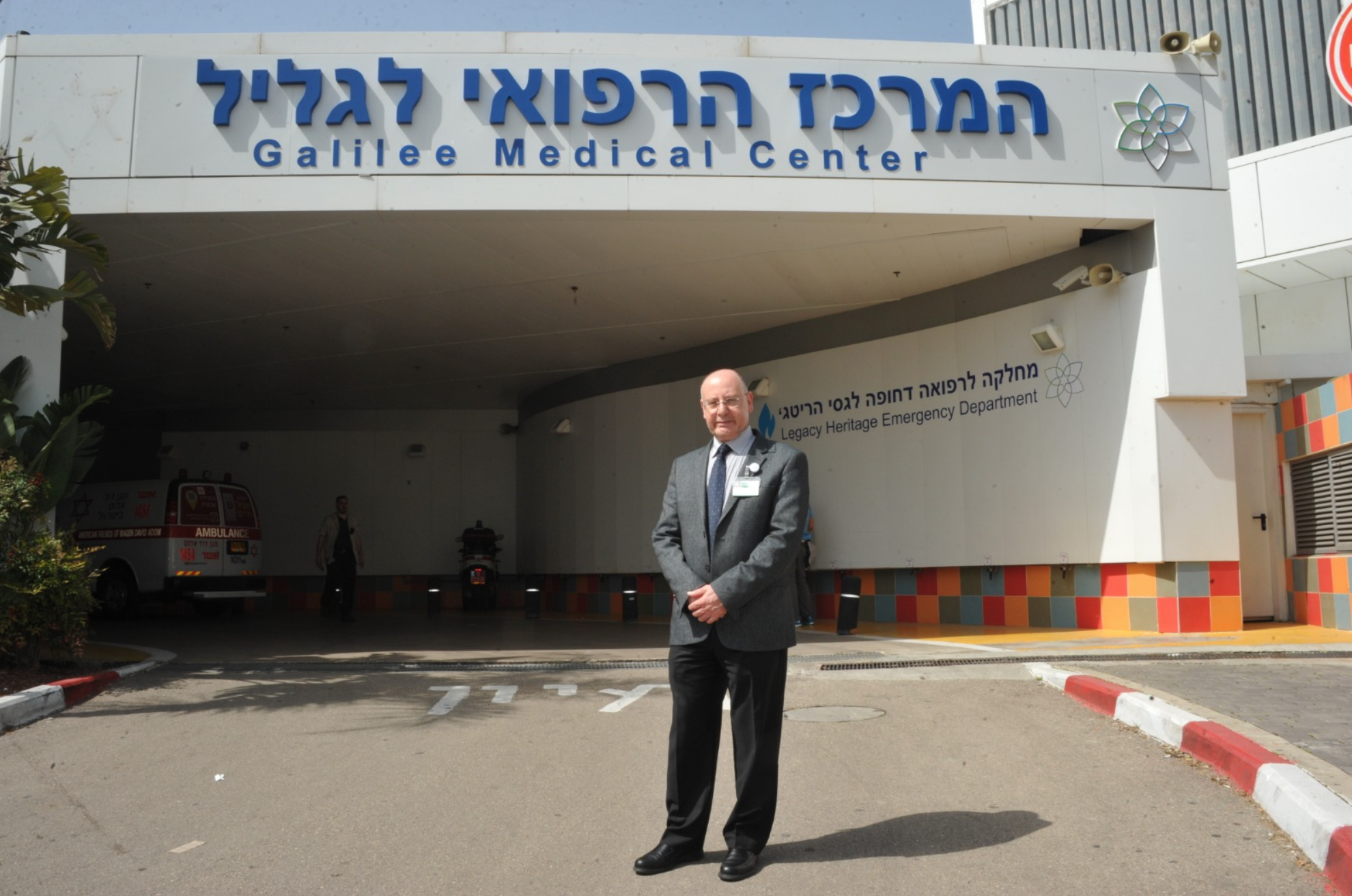
Staff at the Galilee Medical Center in Nahariya, located less than 10 kilometers (six miles) from the northern border, went into emergency mode soon after the Health Ministry directive on February 28.
In a race against the clock, a hospital spokesperson said the staff moved everything underground and into protected areas four hours faster than they did immediately after the start of the October 7 onslaught.
“All surgical procedures, deliveries, and cardiac and neuro catheterizations are being conducted in fortified facilities,” CEO/Director Prof. Masad Barhoum told The Times of Israel.
During the 14 months of conflict with Hezbollah concurrent with the war in Gaza, Hezbollah fired thousands of rockets, missiles, and drones into northern Israel in support of Hamas. Amid the bombardments, hospital staff worked in underground, fortified rooms without windows or fresh air.
After the temporary ceasefire was signed with Hezbollah in late November, the hospital began moving back to its regular facilities.
However, deputy director Dr. Tsvi Sheleg said at the time, “It could happen again, and we’re still prepared to go underground.”
Since then, the hospital has expanded the inpatient internal medicine capacity by 60 beds. It has also activated semi-elective services within protected facilities, including oral and maxillofacial surgery and other services.
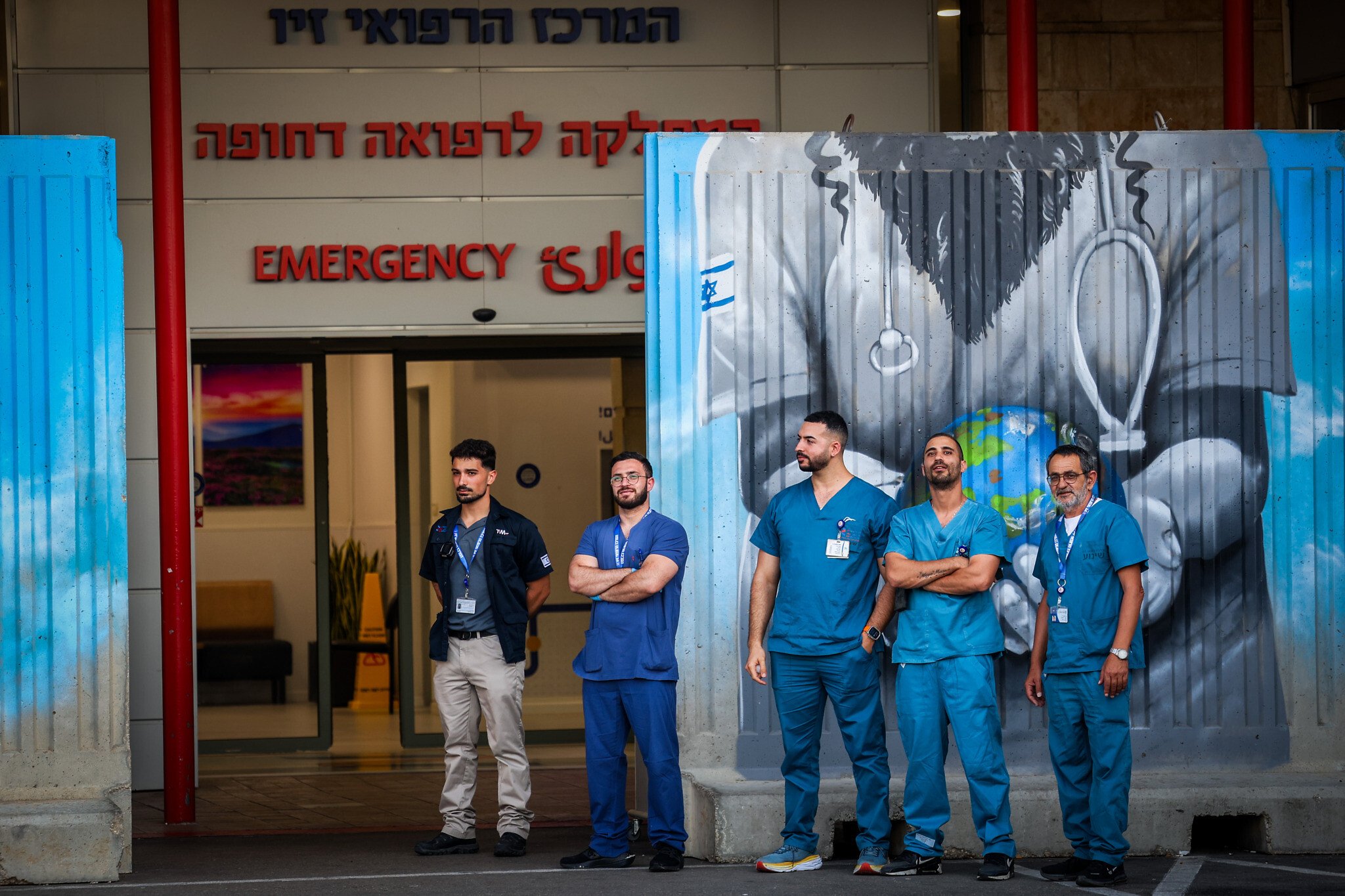
In Safed, Prof. Salman Zarka, director of Ziv Medical Center, seven miles from the Lebanese border and 50 miles from the border with Syria, told The Times of Israel that after the conflicts of the last few years, the hospital teams are “accustomed to dealing with extreme situations,” such as the deadly July, 2024, Hezbollah missile attack on the Druze town of Majdal Shams in the Golan Heights, in which 12 children were killed and dozens wounded.
“Even in the most complex situation, such as a mass casualty incident, civilians and soldiers are in the most skilled hands,” Zarka said.
After the June war, said Prof. Osnat Levtzion-Korach, the director of Shamir Medical Center in central Israel, hospital staff “prepared a heavy, thick booklet with the protocols” for transferring patients and equipment to parking lots three to four stories underground.
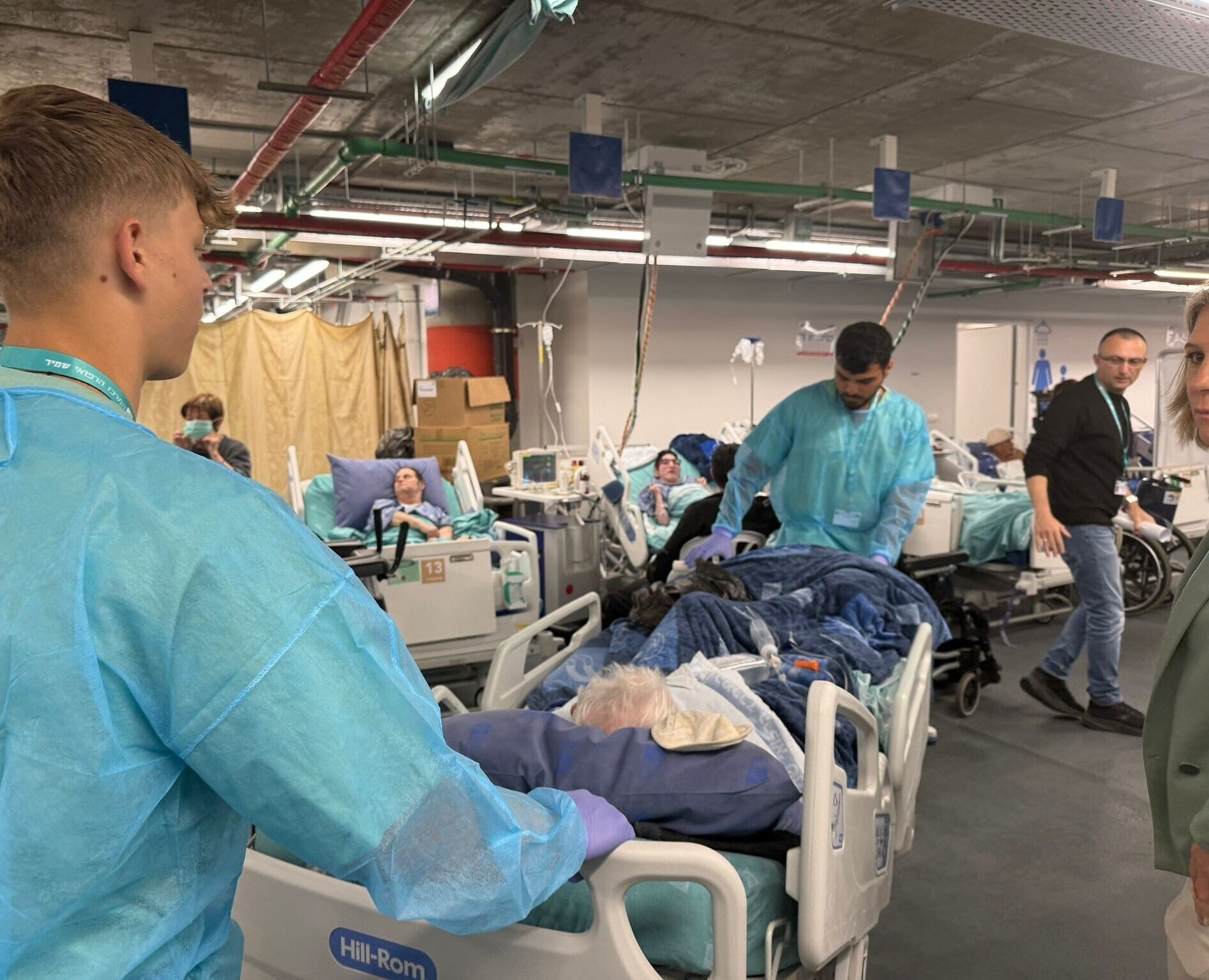
“It’s a whole operation,” said Levtzion-Korach. “It’s huge, and it’s definitely not easy.”
She said that the staff “tweaked different things, but the protocol that worked for us then worked very well this time.”
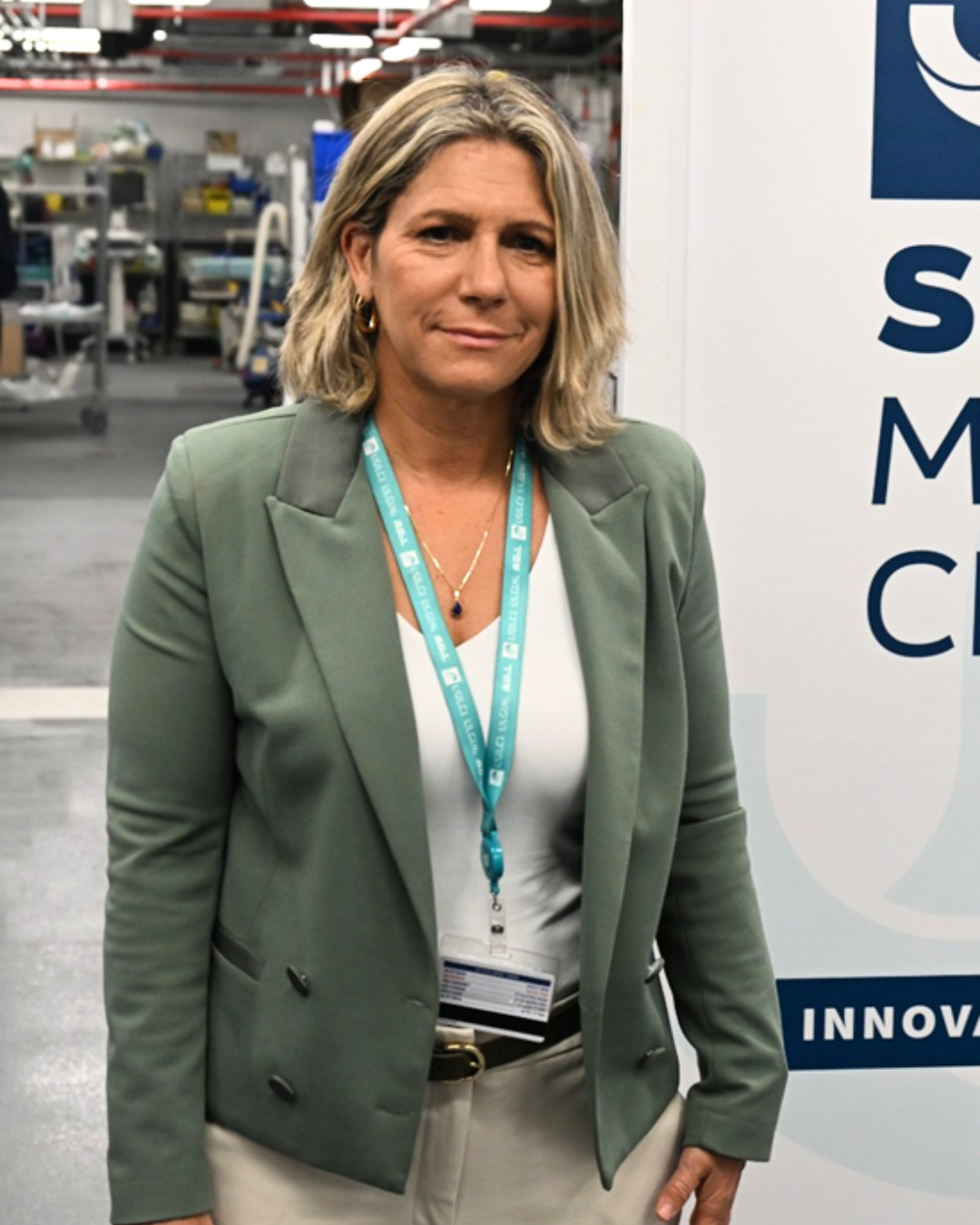
Even before the Health Ministry’s directive, Levtzion-Korach began preparations in case a war with Iran broke out, and closed the underground parking lot to be ready to receive patients.
“It’s really unimaginable what we’ve done here, but it’s a temporary solution,” she said. “The right solution is to build departments that are protected so that the patient can stay in their own bed. Having 200 patients in a parking lot is definitely not ideal. There’s no privacy, there’s no infection control management. Of course, it’s very safe, but it has many issues. Thankfully, all the patients are very collaborative and cooperative, and you don’t hear any complaints.”
“I’ll probably get invited to conferences of CEOs of hospitals to tell people how to deal with earthquakes or other emergencies,” she quipped. “There’s much to learn from us, and we’ll share the knowledge that we have here.”






The Times of Israel Community.