

From Sept. 1, the storied Nahal military group will return to its agricultural roots
18-year-olds will volunteer for a pre-army service year and mixed combat-community work on Gaza border and the north to strengthen and protect communities affected by Oct. 7
 Add ToI as a Preferred Source on Google
Sue Surkes is The Times of Israel's environment reporter
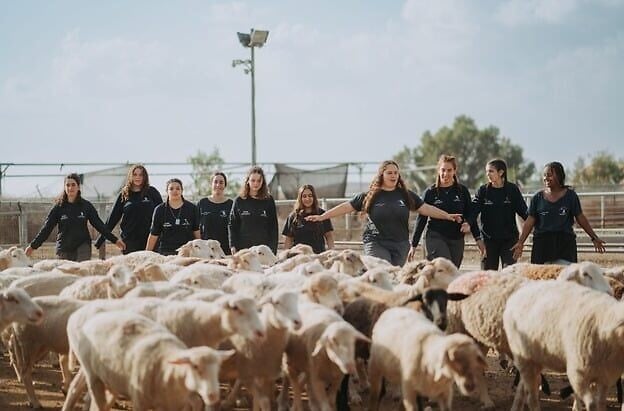
After several decades focusing on Israel’s poor and mainly urban communities, the legendary Nahal group, which combines military service with community service, will return to its roots serving agricultural settlements along the Gazan and northern borders.
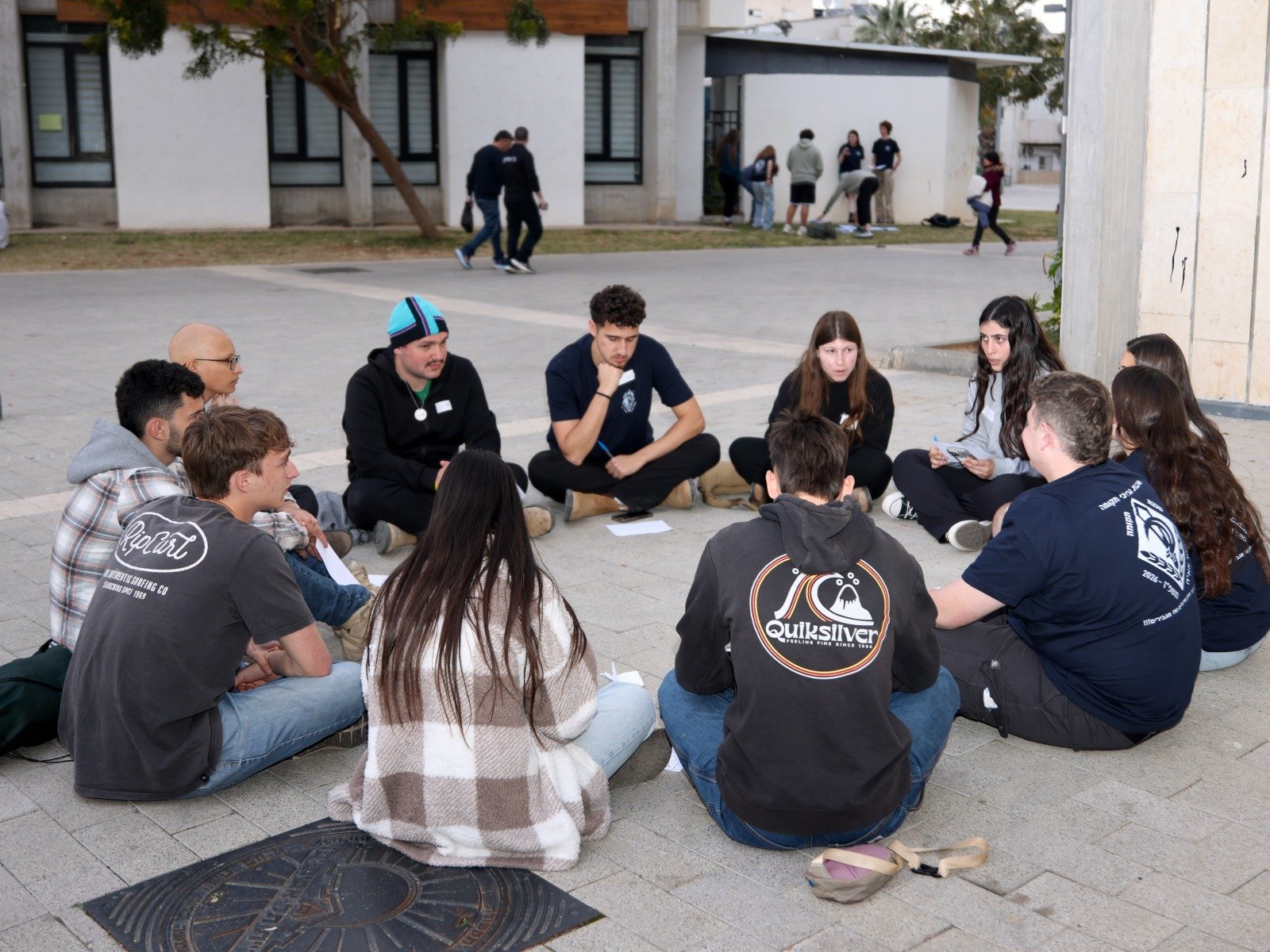
Several IDF-approved organizations — including the kibbutz and moshav movements and the four youth organizations affiliated with them, as well as HaShomer HaChadash, and Kedma — are establishing garinim, or core groups, of 12th graders who will be assigned to their communities starting on September 1.
Nahal service includes a perek mesima, roughly translated as “task-oriented period,” during which teens spend a pre-army service year living together and volunteering in a community to which they will return for an additional year after the military portion of their service.
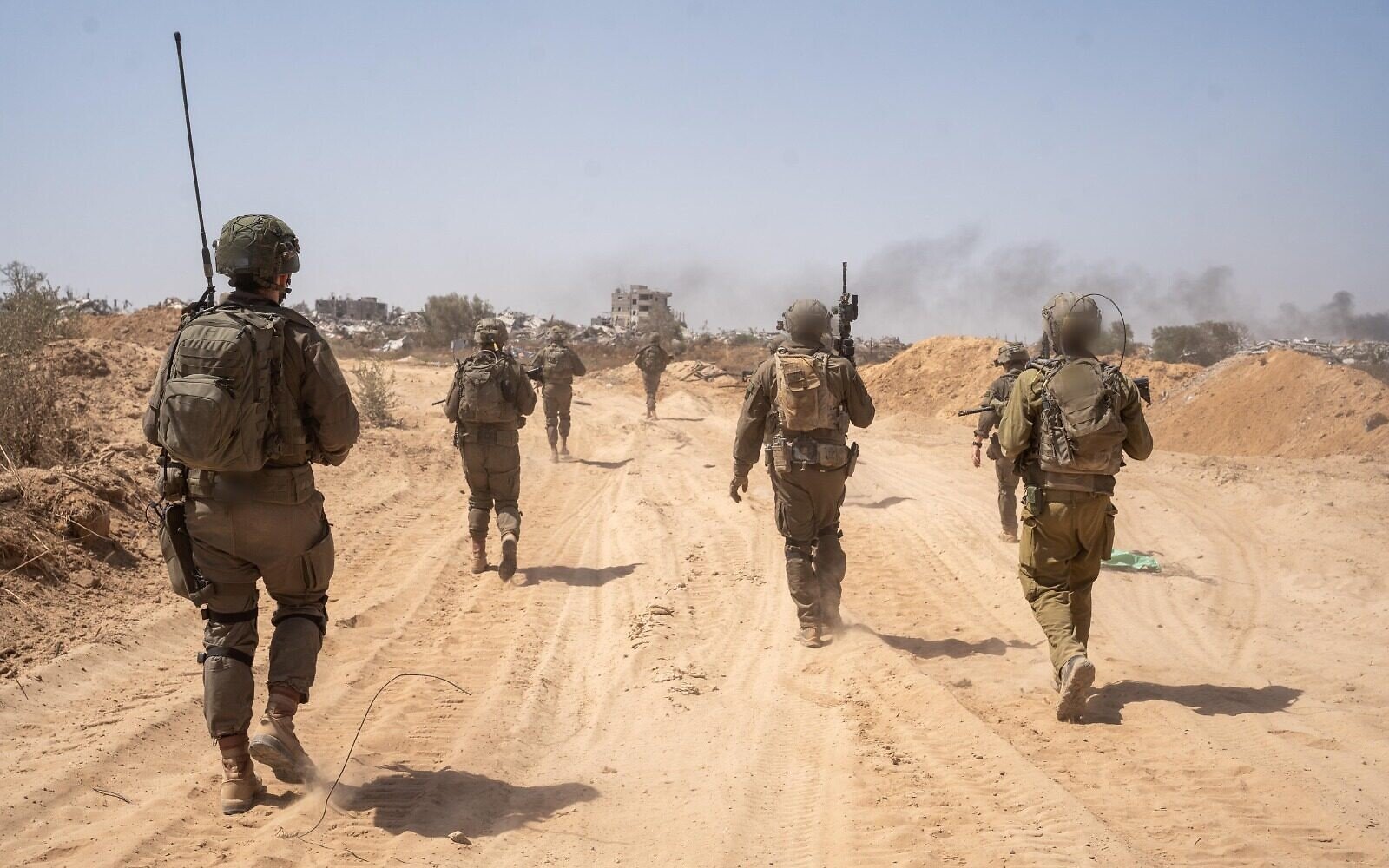
In the new track, the volunteers will live in a border settlement, working in education, agriculture, and the community. They will perform the military part of the service (22 months for men, 18 to 22 months for women) in the 50th Battalion, the mixed-gender Caracal Battalion, the education corps, or in support roles.
An IDF spokesperson confirmed a “significant rise” in the number of youths volunteering for these garinim following October 7, 2023.
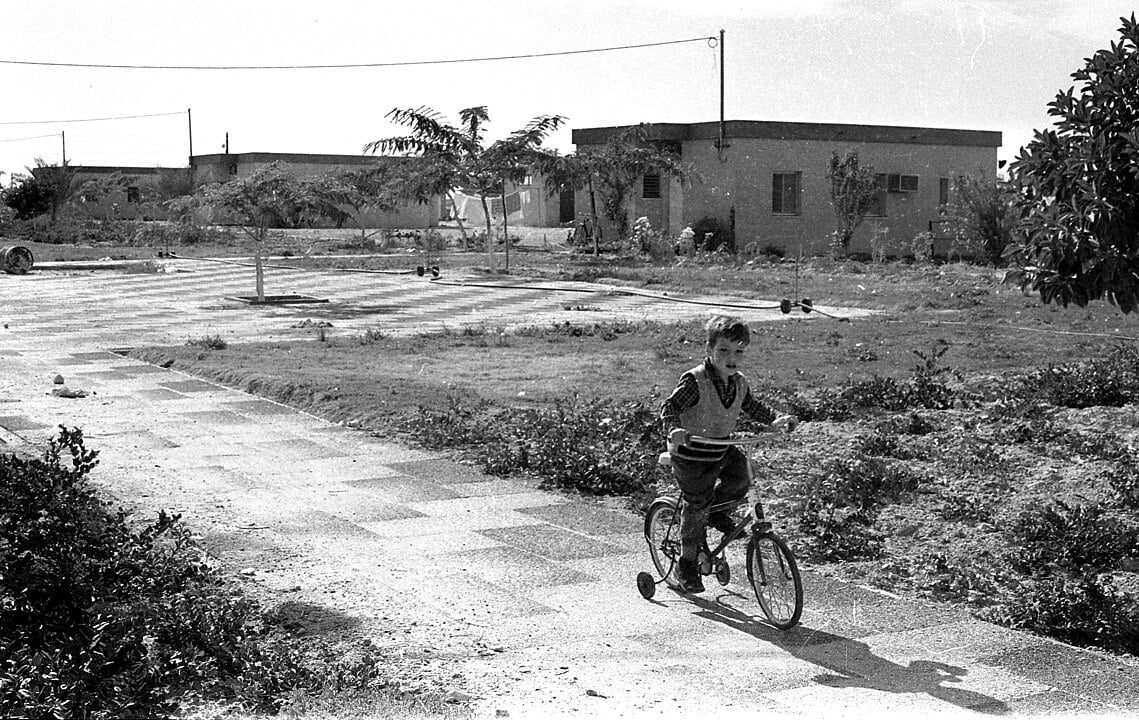
During the state’s first 40 years, the Nahal group combined combat duty with establishing agricultural settlements in vulnerable areas of the country, usually along the borders. It is not to be confused with the IDF’s Nahal military brigade, which was established in 1982 with a core group of soldiers that came from the Nahal group.
In the late 1980s and 1990s, after the country’s infrastructure was established, the Nahal group began combining combat duty with voluntary service in Israel’s social and economic periphery.
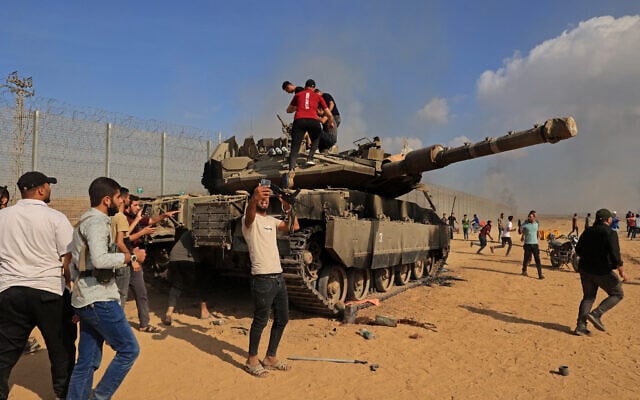
Then came the terror onslaught of October 7, 2023, when thousands of Hamas-led terrorists overran communities on the Israeli side of the Gaza border and engaged in a rampage of murder, rape, and destruction, slaughtering some 1,200 people, mainly civilians, and kidnapping 251 to the Gaza Strip. Most of the communities that were attacked were kibbutzim.
The next day, on October 8, the Lebanese terror group Hezbollah began near-daily rocket attacks on the country from the north, which ended in a ceasefire in November.
Tens of thousands of residents from both border areas were evacuated. Not all have yet returned.
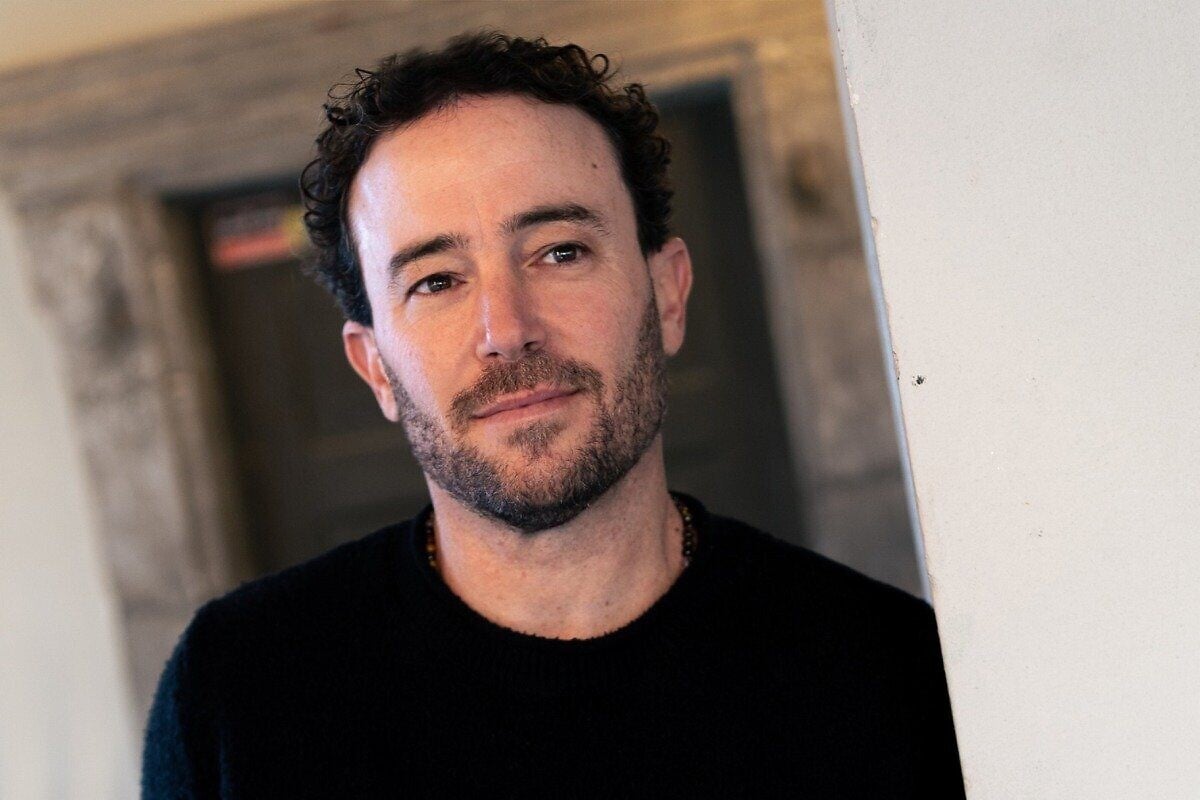
“After October 7, there were lots of discussions between the IDF, the Defense Ministry, and the kibbutz and youth movements about how to strengthen the border kibbutzim,” said Dudu Malul, who is coordinating the establishment of the new core groups for the Kibbutz Movement.
In the south, the IDF not only failed to anticipate the invasion, but it also took valuable time to organize itself to respond to the attacks, leaving communities dependent on the members of civilian security teams, many of whom lacked sufficient training and arms, and were shot dead.
“Those kibbutzim didn’t have any youngsters to help defend them,” Malul said. “Slowly, the idea was hatched that the Nahal garinim that were so significant in these areas could also be useful today by providing trained soldiers and beefing up the presence of young people who can contribute.”
“They will answer many needs in agriculture and formal and informal education, for example, organizing activities for the children and youth who have gone home after experiencing October 7, helping the communities to celebrate religious and national holidays, and more,” Malul said.
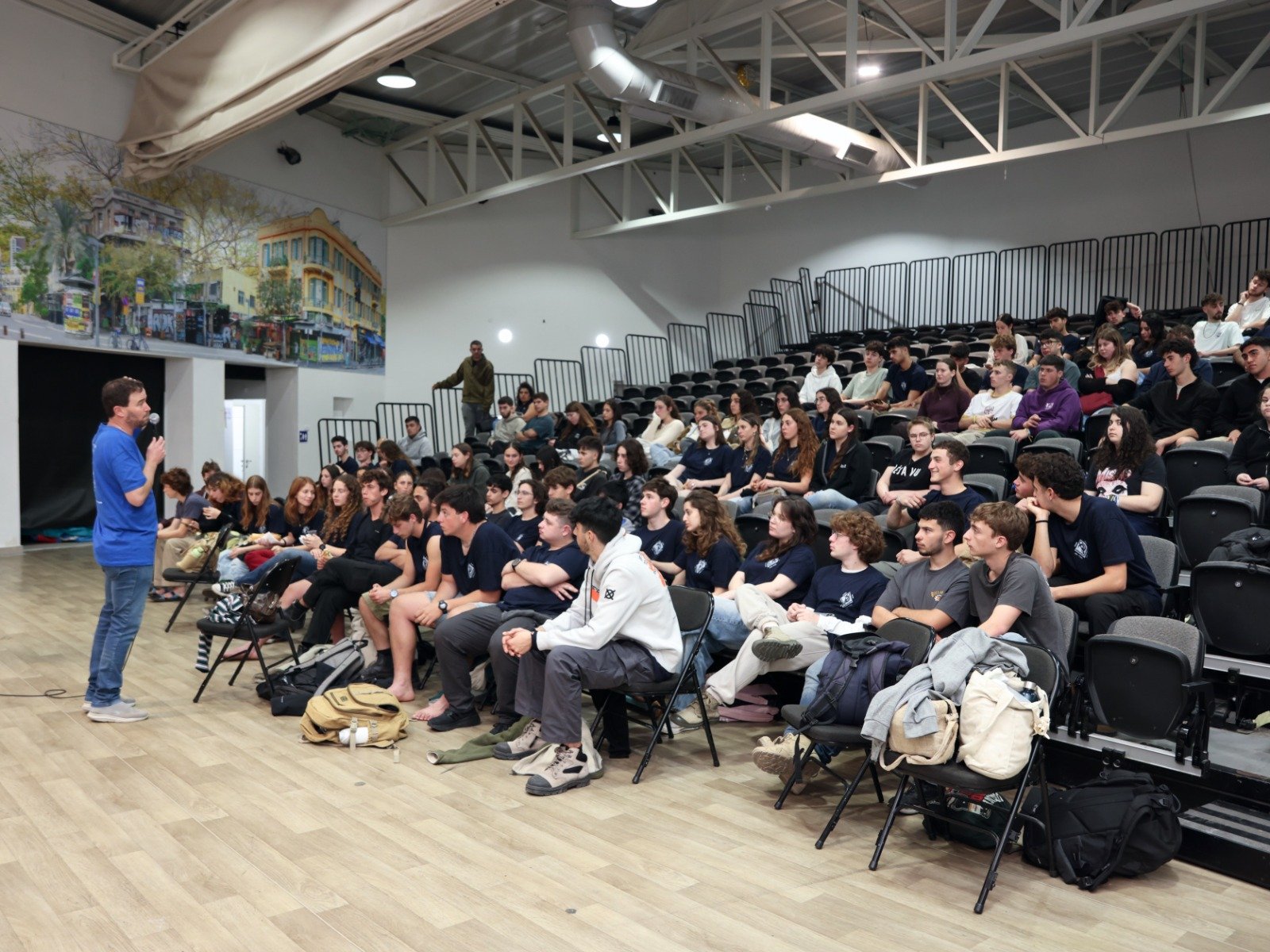
During the past school year, Malul has been touring schools to explain the new option to 18-year-olds, coordinating with the blue-shirt-wearing youth movements historically associated with the Zionist left, such as Hanoar Haoved Vehalomed, which is attended by kibbutz and moshav youth.
With funding from the Jewish Federations of New York, Los Angeles, and Philadelphia, as well as the Habaita-Homeward organization, these youth movements will be sending out some 20 garinim, each with 18 to 20 young people. The communities to which they will go range from Nahal Oz, Ein Hashlosha, and Kfar Aza near the Gaza border to Amirim and Kiryat Shemona in the north.
This month, the garinim were set to participate in a week-long tour of those communities, according to Malul, with sessions on how they can help with rehabilitation and the restoration of resilience.
During the first week of September, each group will learn about the kibbutz or moshav to which it has been assigned, receiving guidance on psychological challenges and other relevant topics.
“It’s going well. The youth is amazing. Boys and girls want to join,” Malul said.
The plan is to establish these new groups in addition to those already sent to socioeconomically disadvantaged areas.
HaShomer HaHadash (New Guardians) has sent service year garinim to agricultural settlements in the Galilee, the Golan Heights in northern Israel, and the Egyptian border since 2012. It is now recruiting additional units for the north and south, the eastern border with Jordan, and the Dead Sea region.
It would not necessarily be easy, Malul said, for parents in central Israel to send their children to exposed border areas or for the youth themselves to deal with people who had experienced the October 7 massacre.
“It’s a bit scary for the parents, but once the youth are there and the parents come to visit, this should change. These are not abandoned places, but communities to which families have and are returning,” Malul explained.







The Times of Israel Community.