

Hackles raised, NGOs demand details of deal that sold TASE stake to Manikay
After advocacy groups call for disclosure of information on sale of shares to NY-based fund, Tel Aviv Stock Exchange CEO accuses Bank Hapoalim of raising opposition to the sale
 Add ToI as a Preferred Source on Google
Shoshanna Solomon was The Times of Israel's Startups and Business reporter
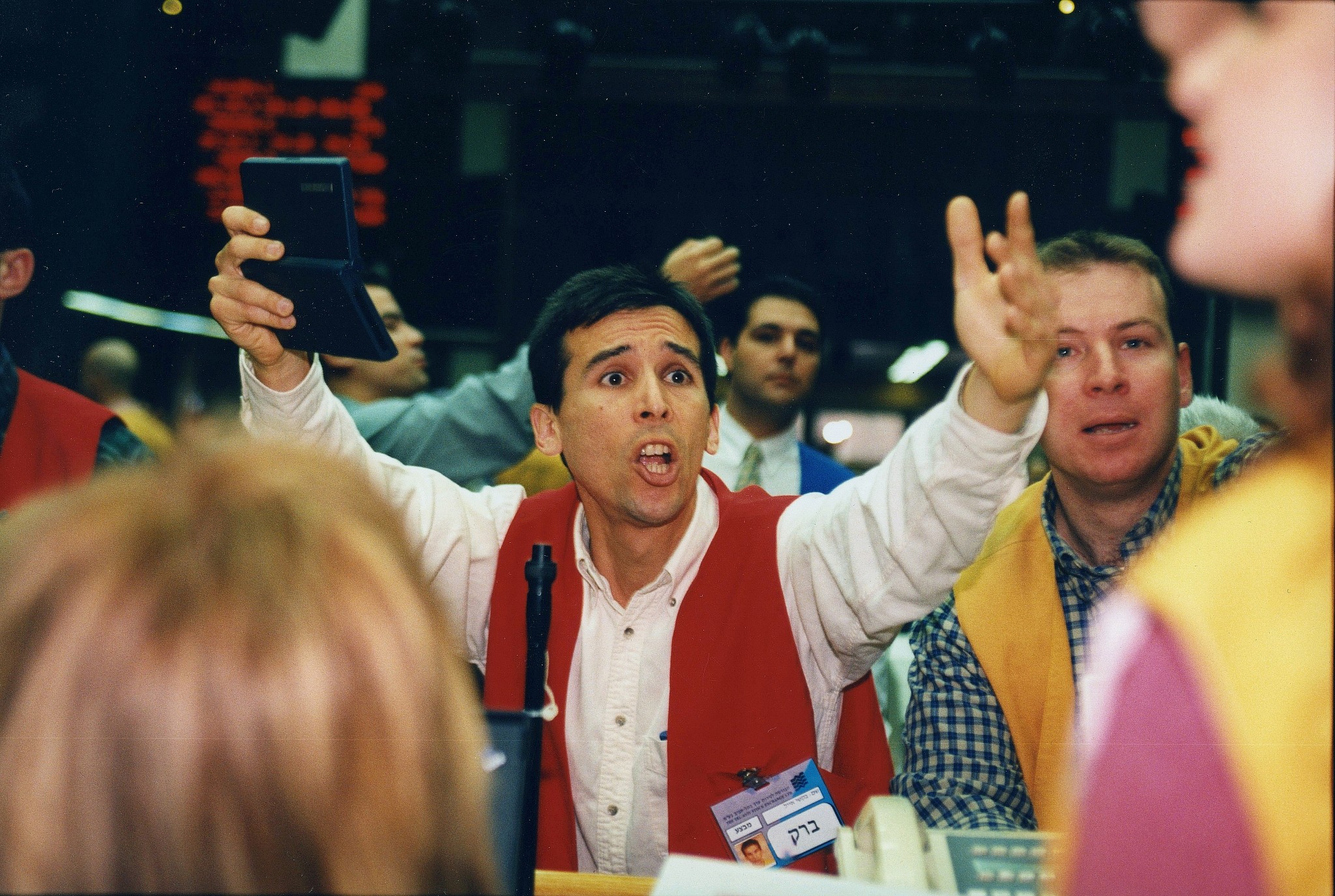
Two Israeli nonprofit advocacy groups have called on the Tel Aviv Stock Exchange (TASE) to disclose details of the deal for the sale of an almost 20 percent stake of the bourse to the New York-based fund Manikay Partners LLC.
In a letter sent to the CEO and the chairman of the Tel Aviv Stock Exchange last week, YEDID, The Association for Community Empowerment, and The Movement for Freedom of Information — respectively an empowerment organization and one which operates to increase transparency in public entities — said that although the deal has been announced, “the public has not yet received all the documentation, the accords or contracts” that were signed between the parties.
“The disclosure of this information is essential, in light of the importance of the process and the revolution it may lead to,” the authors of the letter, Ran Melamed and Nirit Blayer, wrote. In addition, they said, the fact that the fund in question has been fined by the SEC further increases the importance of the disclosure of the information.
The NGOs called for an immediate disclosure of the information to the public.

The TASE’s board of directors on April 16 approved the sale of stakes to Manikay, to the public, and to other international investors, a statement published by the exchange said. The sale is part of a push to draw additional investors to the exchange and make it more competitive and efficient, a more dominant player globally and more accessible to the public.
More than 10 stock exchanges reportedly had expressed an interest in purshasing a stake, but TASE CEO Ittai Ben-Zeev, who was in charge of the sale, and the board of directors decided it would be better for the exchange to sell a stake to a financial strategic investor than to a foreign stock exchange.
Earlier this month, The Times of Israel published a story citing players in Israel’s capital markets as expressing surprise at the seemingly covert way in which the TASE agreed to sell an almost 20 percent stake to the New York-based fund, at a valuation of NIS 551 million ($155 million).
The individuals said they were surprised both by the choice of buyer and by how nontransparent the sale process was. The decision to sell to Manikay was made by the board of directors, but the deliberations as to why that offer was chosen over others — if indeed there were others — were not disclosed to the public. There was also no tender process for the sale, so it is not clear if the exchange got the best deal possible, the players said.
Copies of the NGOs’ letter were sent to Anat Guetta, the chairman of the Israel Securities Authority who has to approve the deal, and members of Knesset.
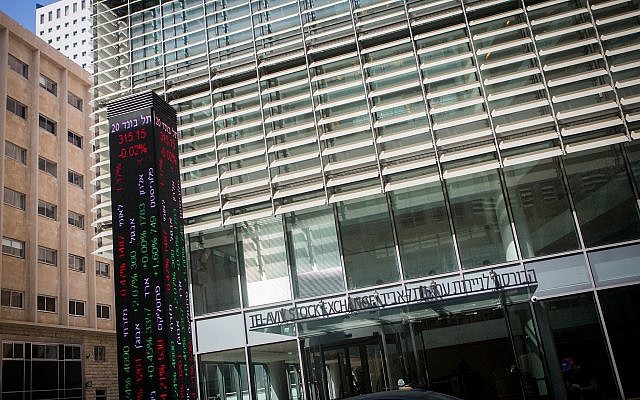
In response, Ben-Zeev, the CEO of the TASE, wrote his own letter to the members of parliament telling them they were being led up the garden path.
“The signatories of the letter are misleading the members of the Knesset Finance Committee” and can cause a disruption of their work, Ben-Zeev said in the letter, dated May 21. “The letter that was sent to you purports to be the independent appeal of two non-profit organizations” that have championed empowering the lower socioeconomic sector of Israeli society as well as promoting transparency in public institutions and increasing the supervision of the activities of public authorities, he wrote.
Information that has reached the TASE, however, he wrote, indicates that “the letter is intended to advance the narrow interests of Bank Hapoalim, and not the interests of the general public, and Bank Hapoalim is behind this letter.”
Bank Hapoalim Ltd. is one of Israel’s leading banks and a member and stakeholder in the exchange. The bank is also a donor to YADID. The exchange and the bank have been at loggerheads in recent months, after the exchange decided to change the commissions and handling fees it charges for its information services, a public draft of which was published last month, Calcalist reported on Tuesday.
Ben-Zeev said the conclusion that Bank Hapoalim is behind the NGOs’ letter is based on the fact that the letter was also addressed to Yael Almog, who serves as deputy CEO and chief legal adviser of Bank Hapoalim, and that the letter was sent in “suspicious proximity” to a similar letter Bank Hapoalim sent to the stock exchange, expressing similar sentiments to those of the NGOs.
It is therefore suspected, Ben-Zeev said, that Bank Hapoalim was operating via the YADID organization.
The sale of a stake of the exchange to Manikay, “an investor of extensive experience in investing in publicly traded stock exchanges around the world,” enables the sale of one third of the bourse to the public, Ben-Zeev wrote, and also creates the infrastructure for increasing competition in the local capital market and lowering costs for investors.
“In contrast to the allegations of lack of transparency, the TASE published a statement to the media regarding the structure of the share sale transaction, which received wide media attention. In this context, it should be noted that the information on the transaction was published more than a month ago, and no other stock exchange member, excluding Bank Hapoalim, has requested a copy of the agreement,” he said, accusing the bank of going to the press with its allegations before going to the exchange.
Ben-Zeev demanded that his claims be “thoroughly examined” by the relevant authorities so that any discussion of the matter will be based on facts and transparency.
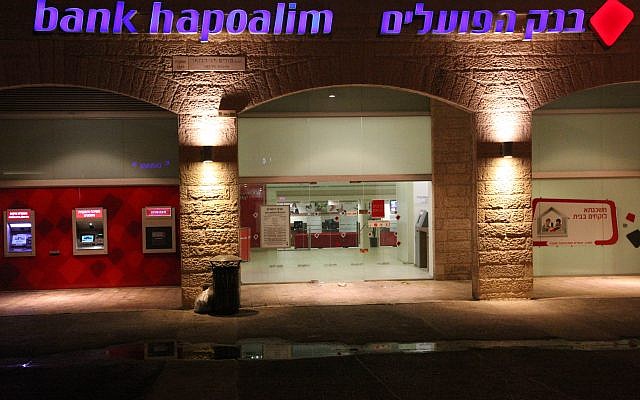
In a response to Ben-Zeev’s accusations, Bank Hapoalim said that it had addressed its concerns directly to the TASE and had no need to hide behind various associations.
“It is a pity” that the TASE CEO was bringing in matters irrelevant to the inquiry and wouldn’t openly and transparently disclose the sale agreement, “which could lead to an increase in prices for TASE customers.”
“Anyone who talks about lack of transparency should present with full transparency the agreement for the sale of the stock exchange, which has a public interest of the highest order,” Hapoalim said.
Hapoalim added that it donates to NGOs out of a will to do good for society and not to manipulate the NGOS in any way. “The attempt to link the donations to the position of those who receive them is an affront to the nonprofit organizations and a falsification of their social work.”









The Times of Israel Community.