

High Court orders justice minister to justify yearlong refusal to appoint new judges
Order follows petitions aiming to force Yariv Levin to convene Judicial Selection Committee for 1st time since early 2025, with judges warning that vacancies impede law enforcement
 Add ToI as a Preferred Source on Google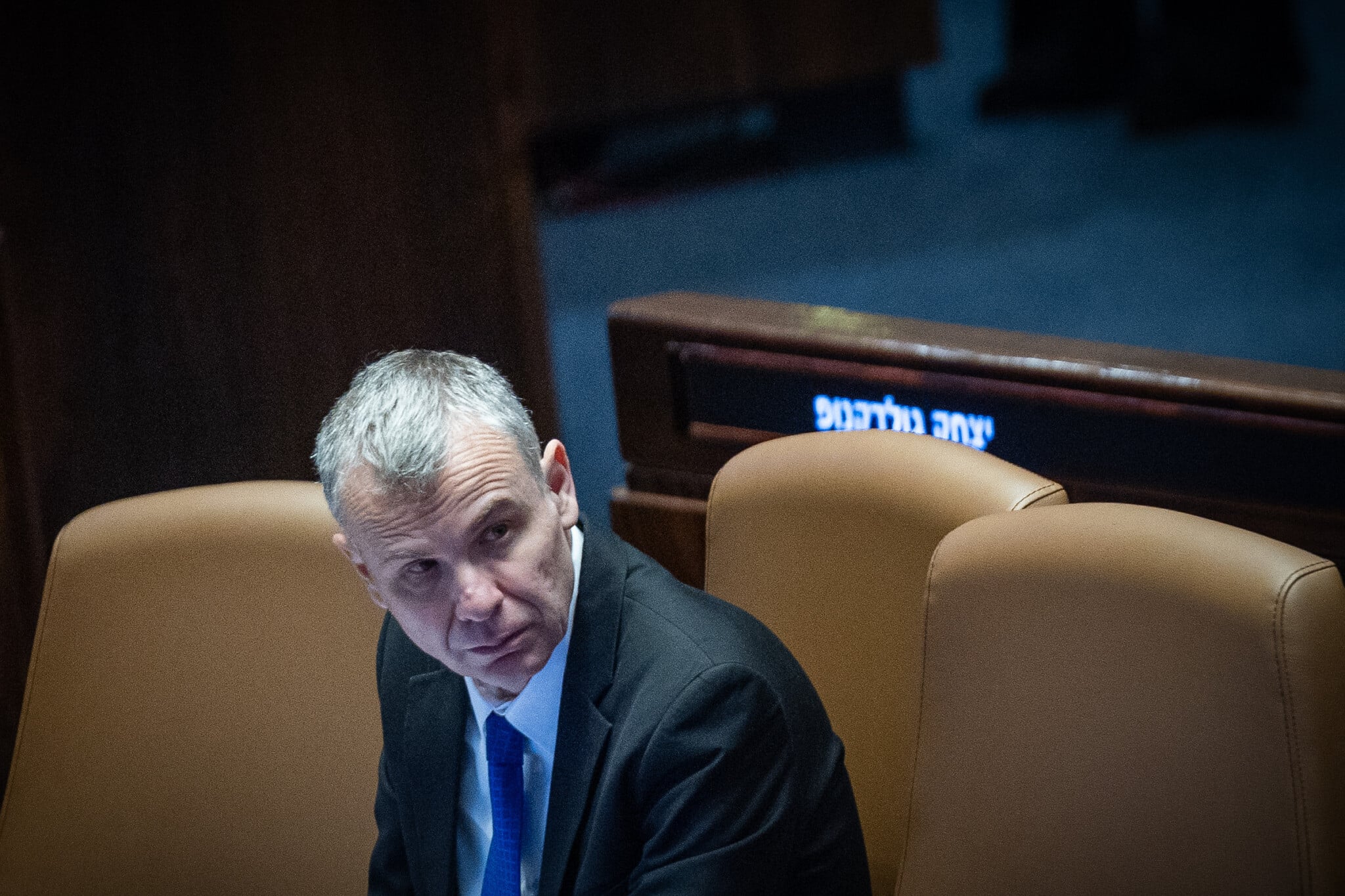
The High Court of Justice issued a conditional order on Sunday requiring Justice Minister Yariv Levin to explain his decision not to convene the Judicial Selection Committee, a refusal that has led to dozens of judicial vacancies across the court system.
The conditional order is the latest step in a court battle over the committee, which appoints new judges to benches nationwide and which is chaired by Levin. Last week, the court castigated Levin over the delay, arguing that it led to criminals walking free.
The justice minister, who has sought to weaken the court system via a sweeping judicial overhaul, last convened the Judicial Selection Committee in January 2025. He has sought to avoid doing so again until after this year’s election, when a new law will take effect that increases politicians’ influence over judicial appointments.
There are currently 44 vacant judicial positions awaiting appointment in courts across the country, with another 21 expected to become vacant by the end of this year, according to Attorney General Gali Baharav-Miara, including four on the Supreme Court.
Another 35 new judicial positions, set to be created under the terms of the 2025 and 2026 state budgets, will also go unfilled as long as Levin continues to refuse to make appointments, she said in a court filing earlier this month.
The court ordered Levin to file his full response to the petitions by March 8, and said a hearing will be held on the matter in the second half of March.
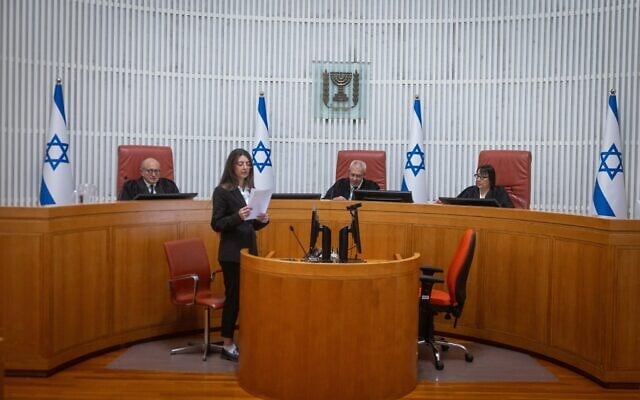
The High Court and Baharav-Miara have long criticized Levin’s refusal to convene the Judicial Selection Committee, arguing that the shortage of judges has hampered enforcement efforts amid a major violent crime wave, especially among Arab communities.
Sunday’s conditional order follows a hearing last week on petitions against Levin’s decision not to convene the committee. At that hearing, the High Court’s justices were sharply critical of his behavior, accusing him of hindering law enforcement and asserting that his decision was leading violent criminals, including defendants in murder cases, to walk free.
“There is rampant crime in the south. This is a court that handles murder cases and organized crime, and there are murder defendants who have been freed,” High Court Justice Alex Stein said at last week’s hearing regarding the Beersheba District Court, which he said is short six judges, leading to delays in criminal proceedings. “In my view, this is truly a crisis.”
In her court filing last month, Baharav-Miara accused Levin of assuming the authority to veto judicial appointments “out of thin air.”
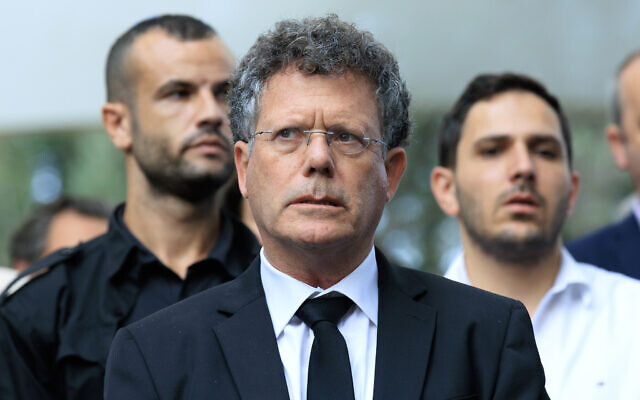
In response to Sunday’s order, the Movement for Quality Government in Israel, one of the petitioning organizations, said Levin “must not be allowed to continue to hold the committee hostage for political purposes.”
“Levin has turned himself — on his own initiative and contrary to the law — into a veto player over judicial appointments, a power that is not granted to him by law,” the group said.
In 2024, Levin refused to convene the committee to vote on a new High Court president. Petitions against that refusal resulted in the High Court ordering Levin to convene the panel and hold a vote.
Levin complied, although he absented himself from the vote, and he has refused to recognize the authority of Supreme Court President Isaac Amit, who was appointed in early 2025.








The Times of Israel Community.