

In latest spy case, Israeli paid by Iran to photograph Ramat Gan missile impact site
Police say 27-year-old resident of Tel Aviv reached out to Iranian entities via social media and offered to work on their behalf, was arrested with 18 SIM cards
 Add ToI as a Preferred Source on Google
A Tel Aviv resident has been arrested on suspicion of spying for Iran, police said Monday, the latest in a string of Israelis who have been recruited by the Islamic Republic to carry out activities against the state.
According to a joint statement from the Israel Police and the Shin Bet, the suspect was the one who reached out to Iranian entities via social media and offered to work for them in exchange for payment.
He was arrested by police on Thursday and held in detention until Monday, when he was ordered released by the Tel Aviv Magistrate’s Court.
The suspect, identified by law enforcement only as a 27-year-old resident of Tel Aviv, photographed a number of locales around the city, as well as the site of an Iranian missile impact on Jabotinsky Street in Ramat Gan, where a high-rise building was hit on June 19 during the 12-day Iran-Israel war.
Other locations he photographed included the Tel Aviv Museum and the Abramovitz Park in the north of the city, police said. In exchange for his activity, the suspect received several thousand shekels transferred to him in cryptocurrency, according to the statement.
Police said that during his arrest, the suspect’s home was searched and cops seized 18 SIM cards that he allegedly used to communicate with his Iranian handlers, as well as other “digital evidence.”
The latest case announced on Monday comes together with dozens of similar incidents of Israelis spying on behalf of Iran over the past year, with law enforcement still working to crack down on the phenomenon.
Last week, charges were filed against a resident of Tiberias, Yosef Ein-Eli, who was suspected of passing on information to Iranian agents about tourist sites around Israel. He was also asked to gather intelligence on National Security Minister Itamar Ben Gvir, various crime families in Israel, and unspecified IDF soldiers.
Prosecutors also filed charges last month against IDF reservist Maor Kringel, 27, and his associate Tal Amram, accusing them of spying for Iran over the course of months. Kringel received a request to assassinate his commanding officer for NIS 100,000 ($30,000), but he did not follow through, the indictment noted.
In many of the cases, Iranian agents have successfully recruited Israelis via social media, specifically the Telegram messaging app, although police said Monday that the latest suspect was the one to initiate contact, though it is not clear how he knew with whom to connect.
Many alleged spies recruited by Iranian agents begin with relatively innocuous tasks, such as vandalizing buildings with anti-government and pro-Iranian messages, then sending photos of the graffiti to their handlers. These gradually grow into more serious offenses, like intelligence-gathering and assassination plots.
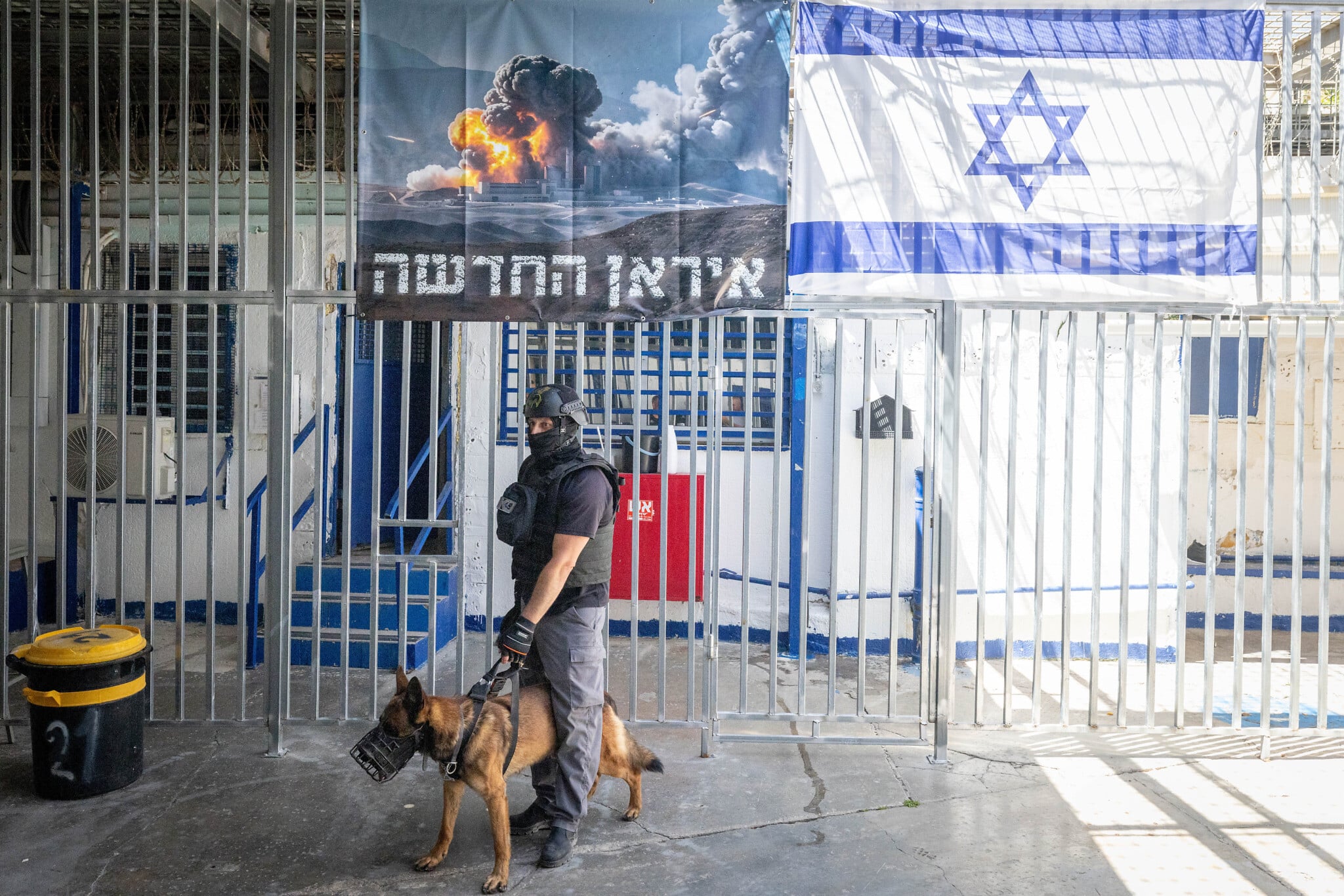
The growing number of Iranian agents even prompted Israel to open up a new wing for them in Haifa’s Damon prison. Only one of the alleged spies has been convicted so far, as most cases are still making their way through the legal system.
Charlie Summers contributed to this report.






The Times of Israel Community.