

In newly released recordings, Rabin counsels to plan for peace but expect the unexpected
Marking 30 years since assassination, publication of archival audio shines light on fighter and peacemaker’s dual-track strategy, still strikingly relevant today

 Add ToI as a Preferred Source on Google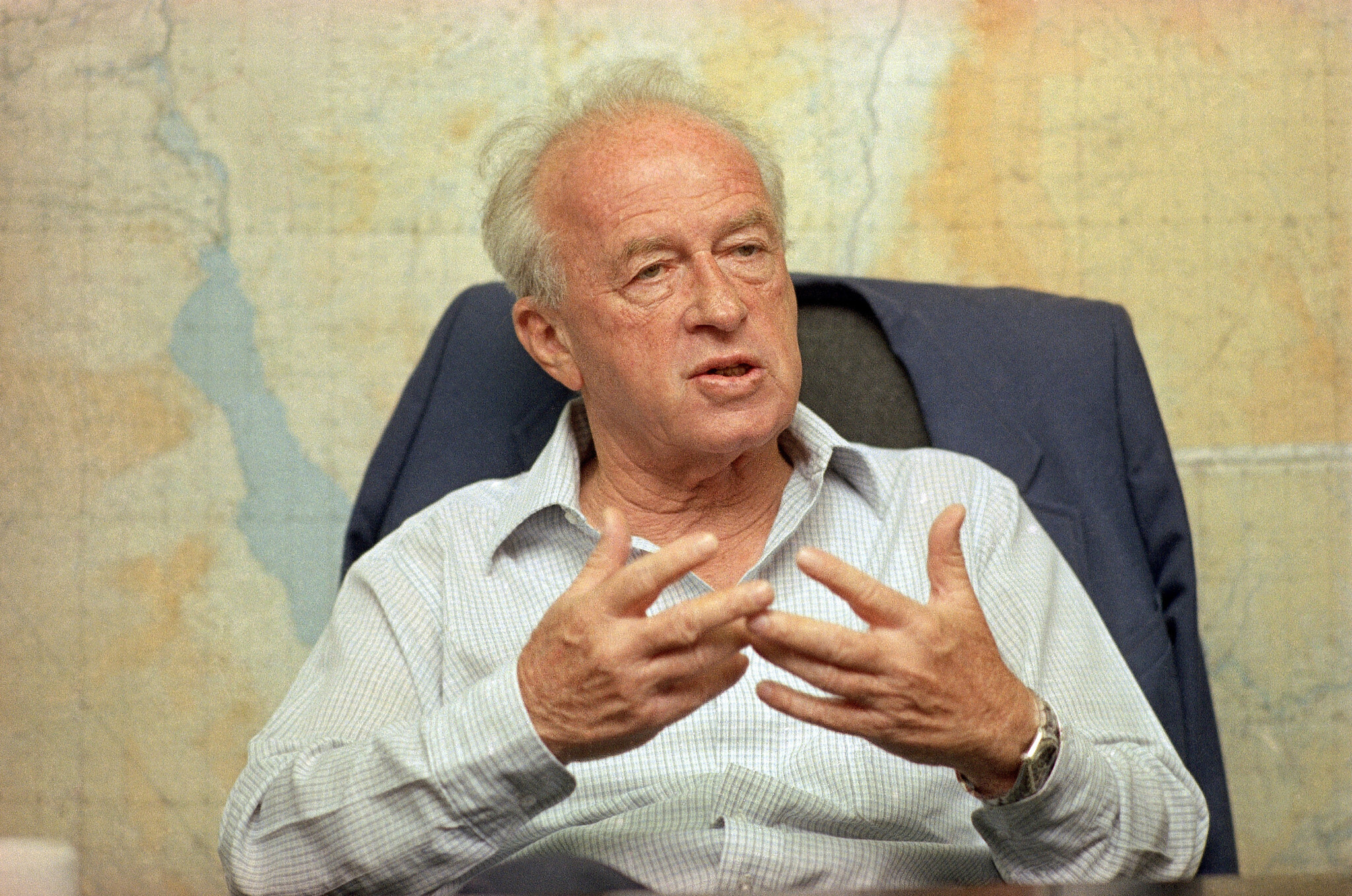
Recordings of former prime minister Yitzhak Rabin published by the Defense Ministry on Sunday to mark the 30th anniversary of his assassination illuminate the fighter-turned-peaceseeking-leader’s worries that instability and upheaval would always threaten Israel, even as the country deployed long-term strategies aimed at stabilizing its place in the region.
The nearly 50-year-old comments from the two-time premier, whose groundbreaking peace efforts were halted by an assassin’s bullet 30 years ago this week, show that the former army general may have been prescient in anticipating challenges that have continued to confront Israel in the years since.
Speaking decades before Hamas’s October 7, 2023, assault on southern Israel shook the region to its core and rewrote power dynamics in the Middle East, Rabin’s comments read as strikingly relevant as Jerusalem navigates how to reestablish stability in a radically changed military and diplomatic environment.
“Generally, the State of Israel has lived, lives and will continue to live on two parallel tracks: a track that requires planning, foresight, assessment of developments in the short, medium and long term, and the other, a second track of unexpected developments,” Rabin said in a November 1976 lecture, part-way through his first term as prime minister, included among the newly released audio files. “The ability to live at once, with a long-term view — the need to prepare, to plan, to act — between a track of long-term policy, and in parallel to be ready for all kinds of upheavals that the Middle East has always concealed… has been and will remain one of the main characteristics.”
In other recordings as well, including several addresses to the IDF General Staff from the 1960s and ’70s, Rabin repeatedly stresses the importance of pursuing a long-term strategic and political vision, even as it follows a parallel track of constant readiness for unexpected crises.
In one recording from a speech to military officers in 1977, he emphasizes the challenge of steering Israel between military might and diplomatic dexterity.
“Israel without strength won’t exist,” he’s heard saying, before adding that the country should still “shift from prioritizing armed conflict to opportunities for negotiations.”
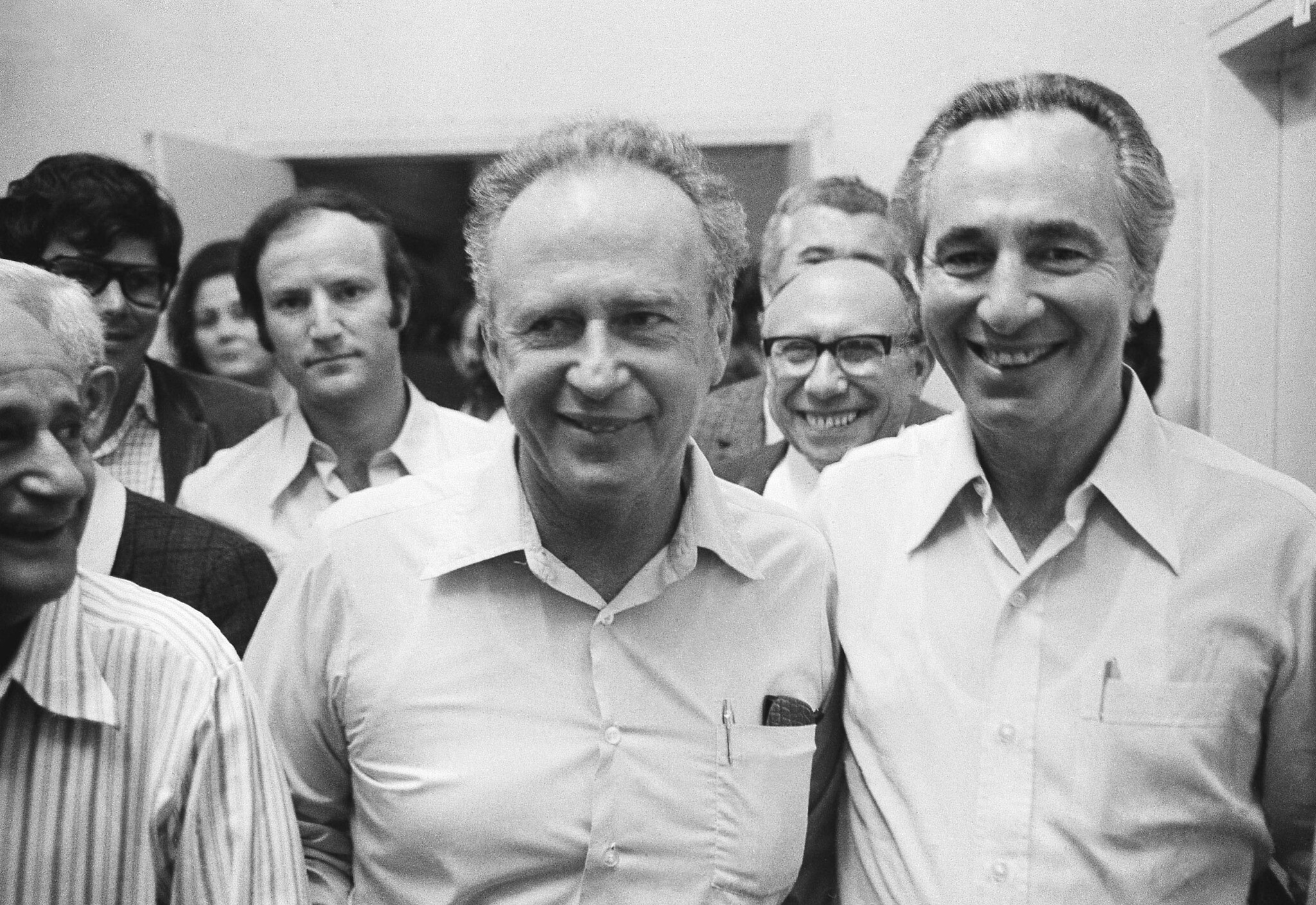
Born in Jerusalem in 1922, Rabin rose through the ranks of the Palmach and the Israel Defense Forces, commanding the IDF during the 1967 Six Day War and later serving as Israel’s ambassador to Washington. He first served as prime minister from 1974 to 1977, taking the place of Golda Meir following the Yom Kippur War, in which Egyptian and Syrian forces launched a surprise attack on an overconfident Israel.
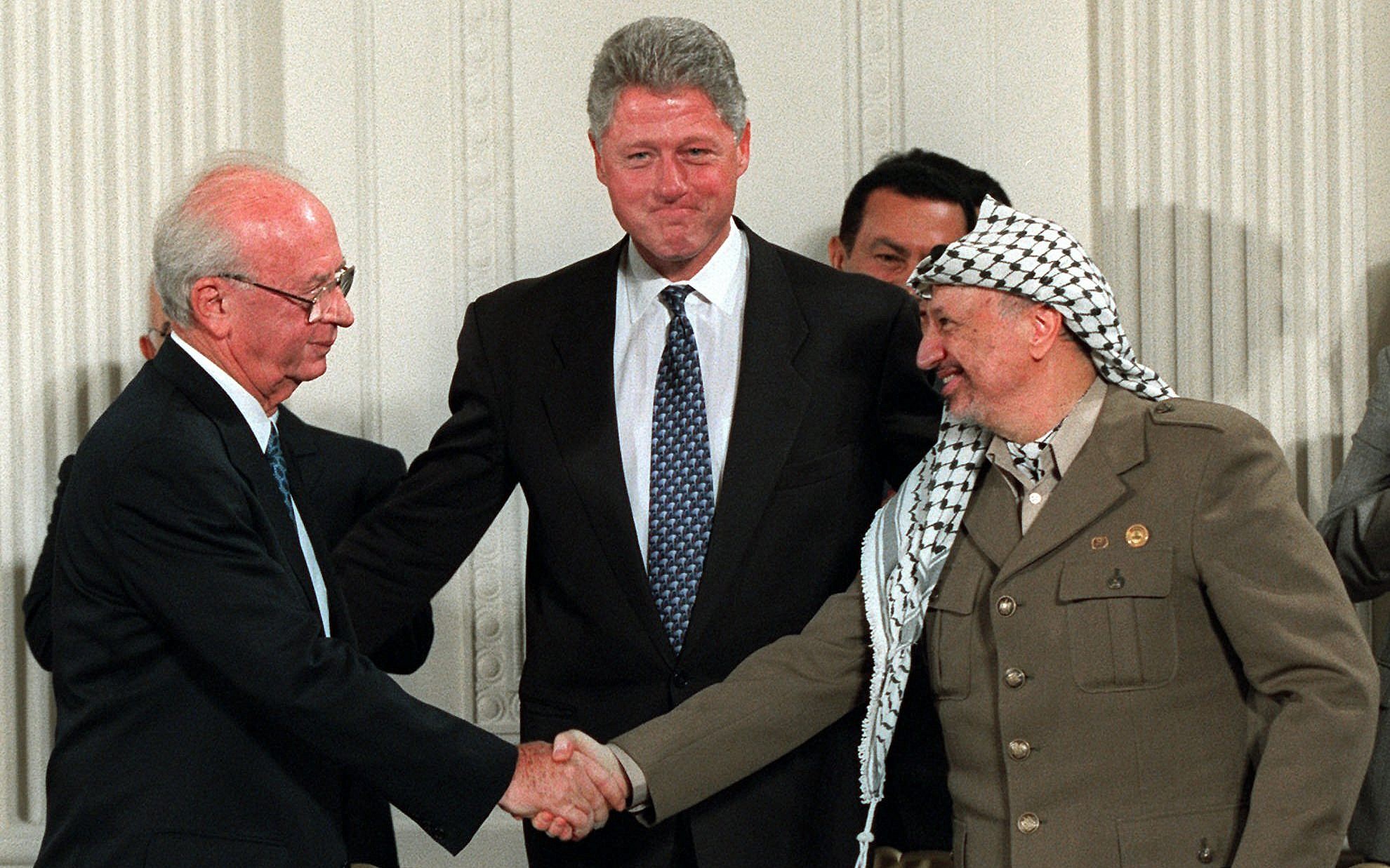
He retook the premiership in 1992 and was the architect of the 1993 Oslo Accords with the Palestinians. This process, for the first time, brought both sides to mutual recognition and a framework for self-government. He shared the Nobel Peace Prize the following year with Shimon Peres, Israel’s foreign minister at the time, and Palestinian leader Yasser Arafat.
But the same peace efforts that earned him international acclaim fractured Israel’s domestic politics. On November 4, 1995, Rabin was assassinated by a Jewish far-right extremist during a peace rally in Tel Aviv, an act that remains one of the deepest national traumas in Israel’s history. His killing marked a rupture — and a warning about how fragile the balance between security, ideology, and diplomacy can be.
‘Two parallel tracks’
Rabin’s insistence on maintaining “two parallel tracks” — planning for a long-term political horizon while remaining prepared for unanticipated setbacks — may have reflected Israel’s recalibrated understanding of its place in the region after the Yom Kippur War. Israel had been caught unaware due to its perception of Egypt and Syria as lacking the will or ability to launch such an attack following their extensive losses in the Six Day War six years earlier.
Some regard Israel’s failures on October 7, 2023, as a product of the same lack of imagination by the nation’s military and political leadership.
As Israel, the US and multinational partners look to reshape Gaza and the Middle East with two years of war appearing to be drawing to a close, it’s unclear to what extent Jerusalem has attempted to plan for the unexpected, as Rabin seemed to advise.
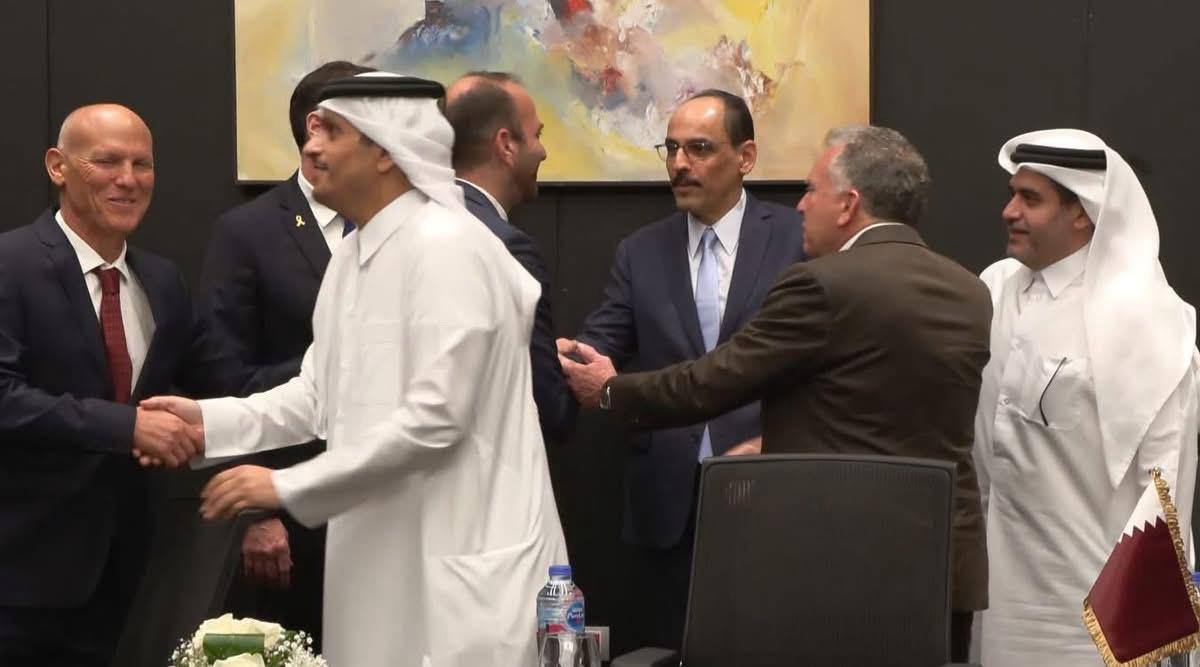
In the short term, it has been wary in its approach to efforts to end fighting in both Gaza and Lebanon, and the Israel Defense Forces has continued limited operations and adjusted its defensive posture to deter new threats.
But critics say its reliance on a single major ally — the US — leaves it vulnerable to disastrous global isolation should geopolitical winds shift out of its favor.
Balancing allies and autonomy
Rabin viewed Israel’s partnership with Washington as indispensable, both militarily and diplomatically.
“Without a strategic understanding with the United States, you cannot achieve three of the goals and as a result the fourth,” he said in the same 1976 address — referring to his four guiding objectives in peacemaking: advancing negotiations over confrontation, maintaining military strength, securing sustained foreign assistance, and pursuing all of this under conditions of relative calm.
Nearly five decades later, Israel’s reliance on the US remains a cornerstone of its foreign and defense policy. Both the Biden and the Trump administrations have played key roles in mediating ceasefire negotiations during the past two years of conflict, with the Trump administration brokering the most recent — and potentially lasting — agreement, while overseeing the multinational monitoring mechanism that ensures compliance.
However, in the wake of growing rumblings that key decisions about the future of the Gaza Strip are being made in Washington, Prime Minister Benjamin Netanyahu insisted that Israel is a sovereign state that makes its own decisions on national security matters.
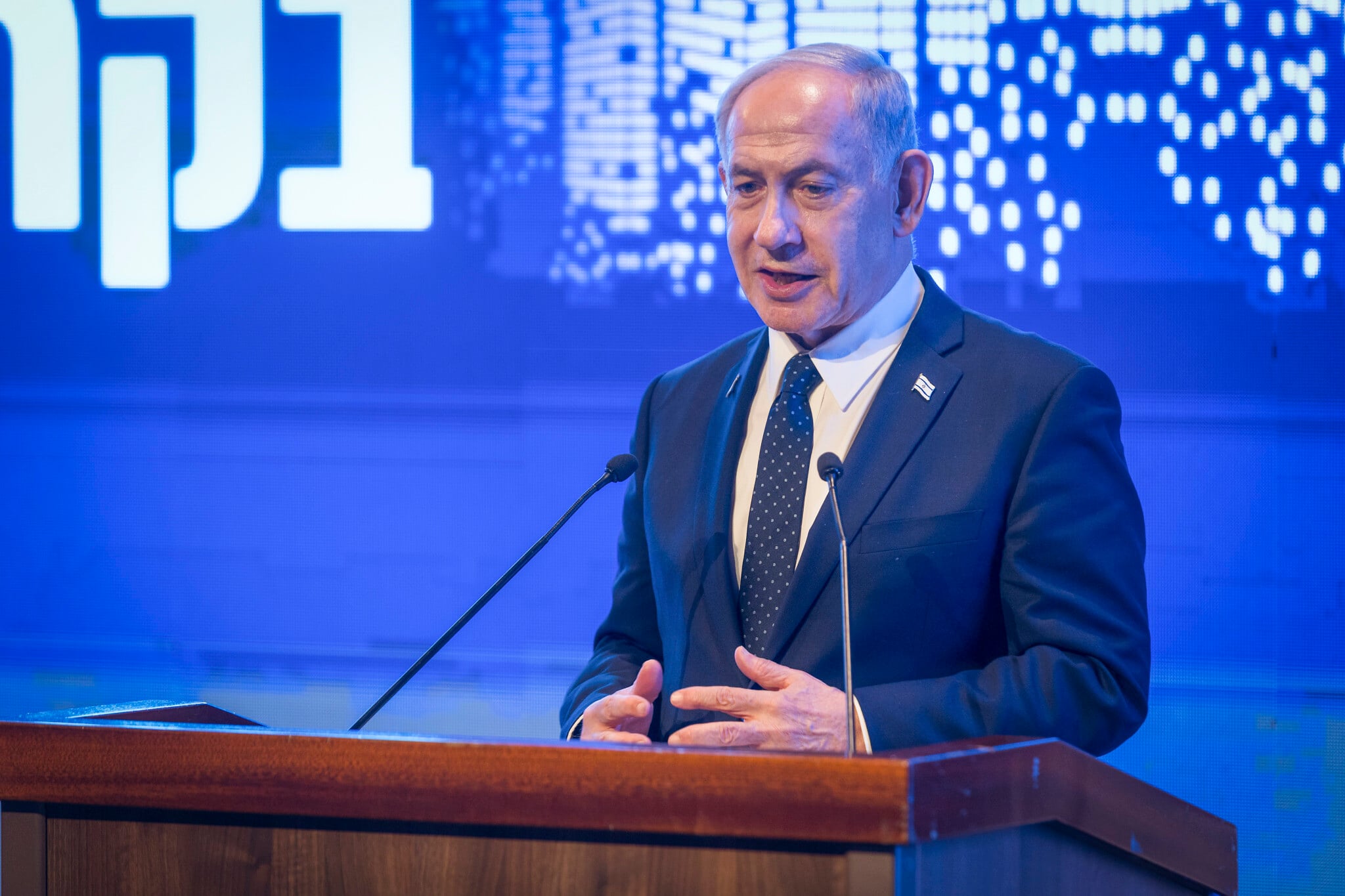
The debate within Israel over how much autonomy its representatives should exercise within that US-led framework — balancing sovereignty with strategic dependence — echoes Rabin’s recognition that external alliances are not necessarily a constraint but rather a cornerstone of Israel’s resilience.
Peace as a process
In a separate recording of his closing remarks at the end of his term as prime minister, Rabin cautioned against expecting instant results from diplomacy.
“Negotiation as a central goal does not mean achieving peace, but shifting the priority from military confrontation… to the possibility of going to negotiations,” he said.
In other words, Rabin viewed negotiation not as a guarantee of immediate peace, but as a means to reframe priorities — shifting from direct conflict toward a structured, step-by-step approach to resolving disputes.
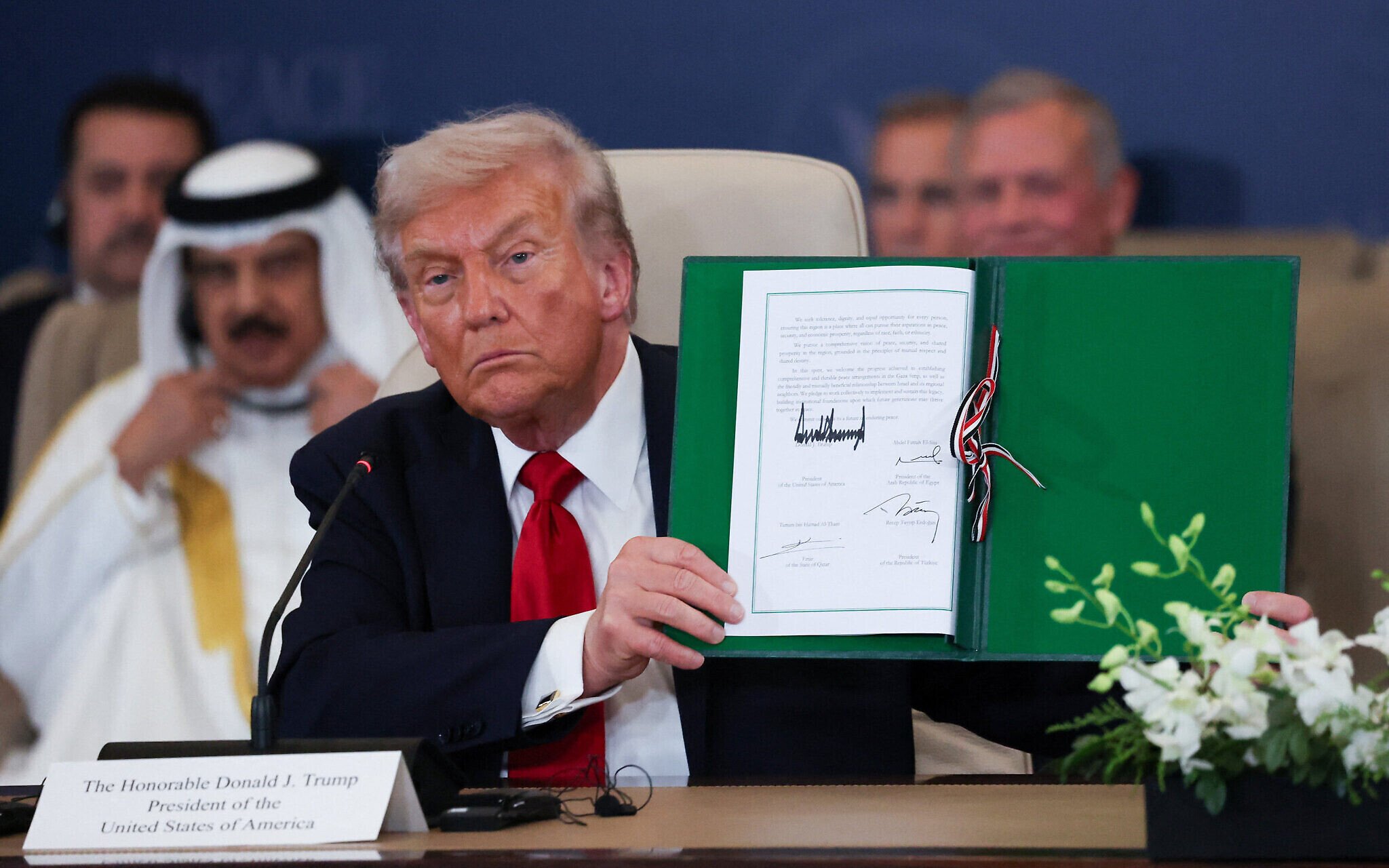
That pragmatic outlook is reflected in the Trump administration’s 20-point plan for Gaza, which lays out a phased approach to de-escalation and conflict management.
The plan emphasizes staged measures, including hostage exchanges, partial withdrawals, coordinated verification, and stepwise security arrangements.
While Trump declared that support for his plan equaled the dawning of a Middle East peace elusive for millennia, Rabin’s words, and the plan itself, show a more nuanced understanding of the work needed before such an achievement is even thinkable.
By breaking the process into manageable, verifiable steps, the plan mirrors Rabin’s principle that lasting stability is achieved incrementally — through careful planning, constant oversight, and realistic expectations — rather than through sweeping declarations.










The Times of Israel Community.