

Iran names new security chief who’s wanted by Interpol in connection with deadly AMIA bombing
Mohsen Rezaei, ex-IRGC chief, sought by Argentina for alleged role in 1994 attack on Jewish center that killed 85; he’s 2nd to lead Supreme National Security Council since Israel killed Larijani in March
 Add ToI as a Preferred Source on Google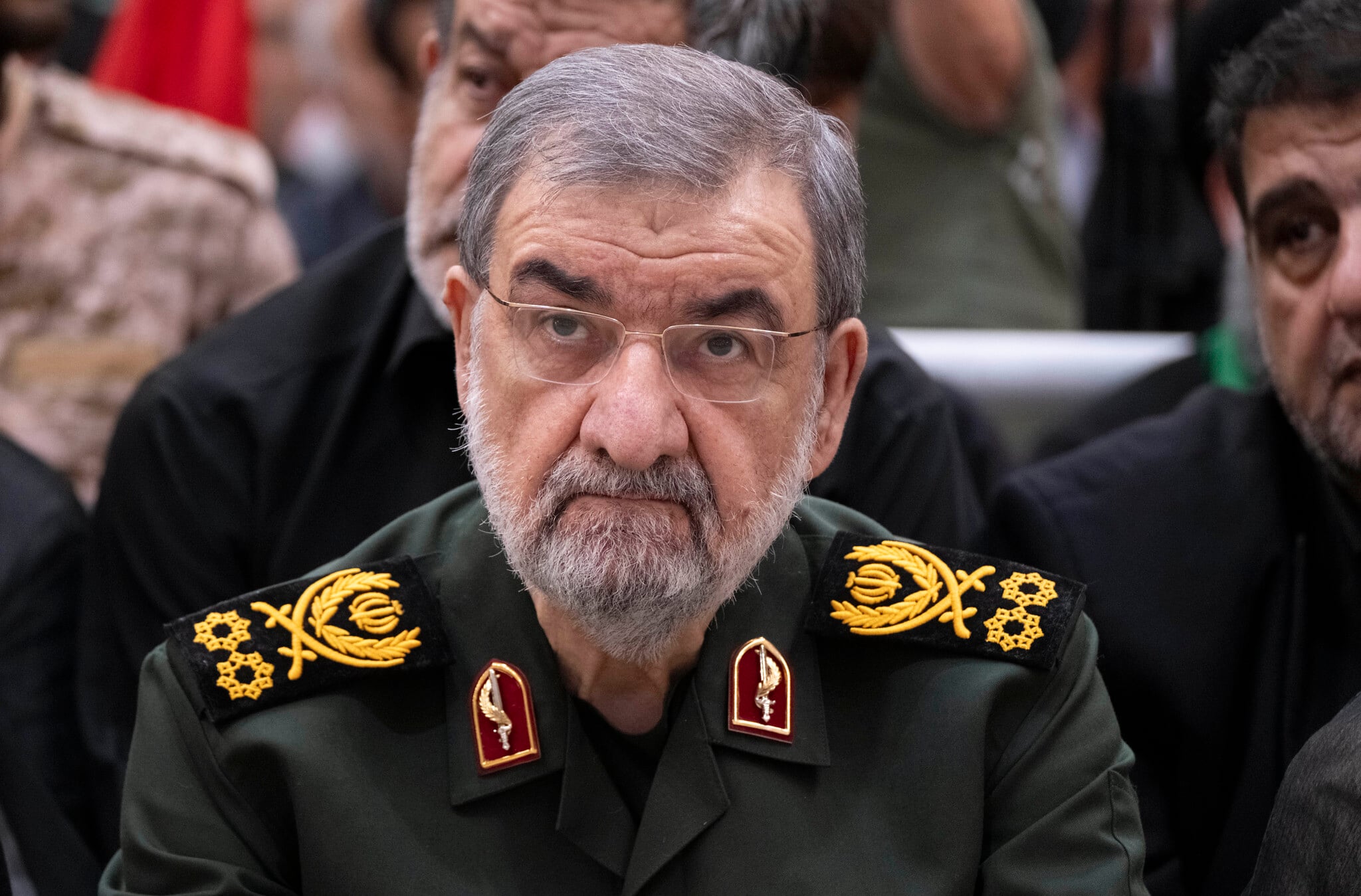
The former commander-in-chief of Iran’s Islamic Revolutionary Guard Corps, Mohsen Rezaei, has been named head of the country’s highest national security body, the Iranian presidency announced on Sunday.
In addition to previously leading the elite IRGC paramilitary, Rezaei, 71, is wanted on an international arrest warrant for his alleged role in one of the deadliest antisemitic attacks of recent decades, the bombing of the AMIA Jewish community center in Buenos Aires, Argentina in 1994.
Rezaei is the second person tapped to head Iran’s Supreme National Security Council since Israel assassinated the powerful Iranian official Ali Larijani in mid-March, just weeks into the US-Israeli war with the Islamic Republic. Israel’s military said, upon killing Larijani, that he had served as the “de facto leader” of Iran following the killing of former supreme leader Ali Khamenei on the war’s first day.
The current supreme leader, Khamenei’s son Mojtaba, was injured in that same strike and has not been seen publicly since.
Rezaei’s appointment was the latest shuffle at the top for the politburo-like Supreme National Security Council, which has a range of political opinions and rivalries and is adapting to the loss of several senior officials in the war.
He replaces Mohammad Bagher Zolghadr, who will become a political adviser to Khamenei.
“In light of the resignation of Mohammad Bagher Zolghadr from his position as secretary of the Supreme National Security Council and his appointment to new functions, President Masoud Pezeshkian has named Mohsen Rezaei as the head of this body,” presidency spokesman Mehdi Tabatabaei wrote on X.
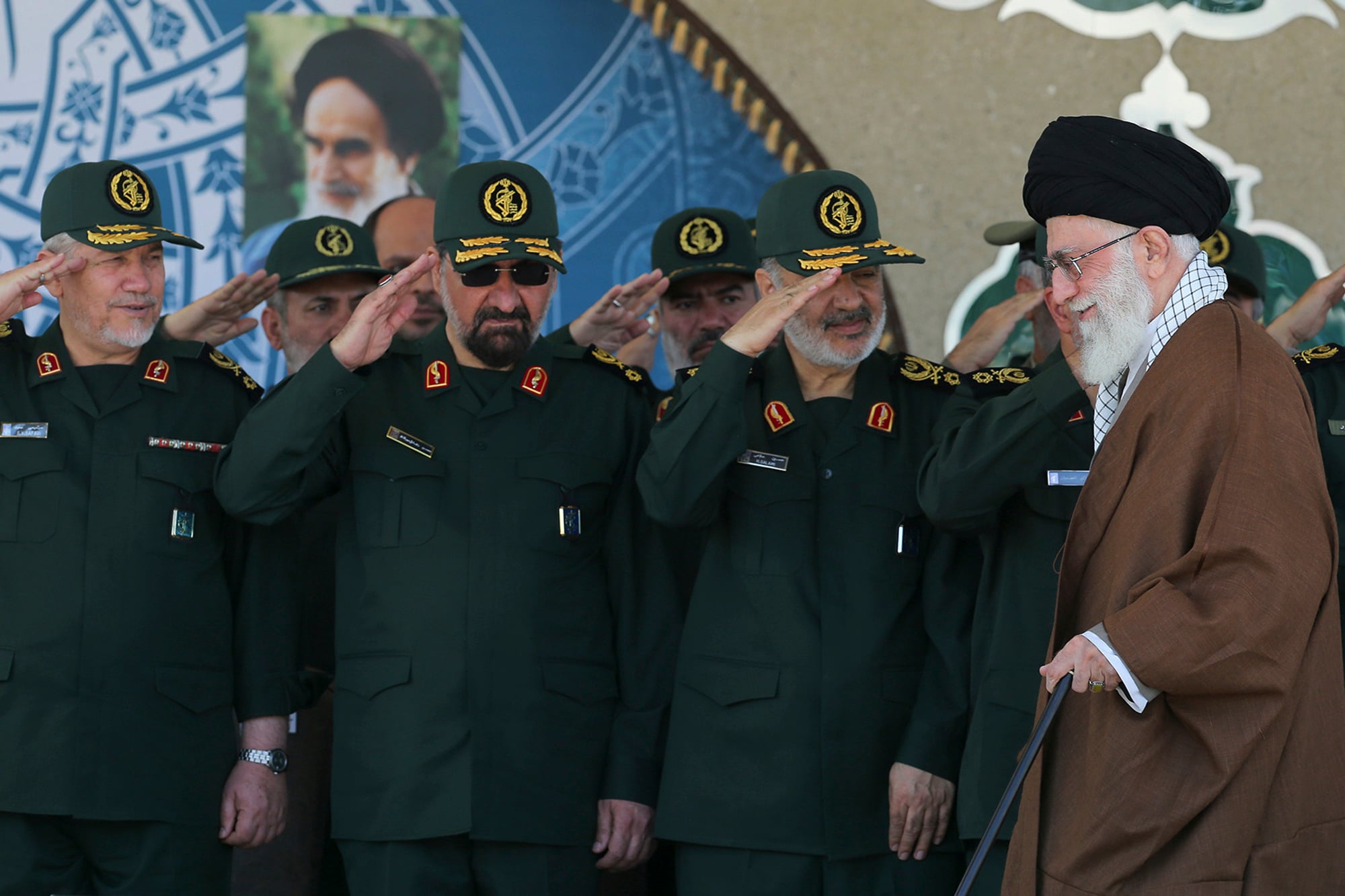
Rezaei earlier this month said Iran will never allow an unauthorized route through the Strait of Hormuz, which was considered an international waterway and a key pathway for the global oil supply before Tehran began obstructing it at the start of the war.
He declared in July that control of the Strait was “more important than dozens of atomic bombs,” a reference to the Iranian nuclear program, which is also one of the war’s central issues.
Wanted by Interpol for alleged role in AMIA attack
Rezaei led the IRGC from 1981 to 1997 — a tenure that included almost all of the Iran-Iraq war — before going on to occupy several high-ranking political posts. He recently served as the younger Khamenei’s military adviser.
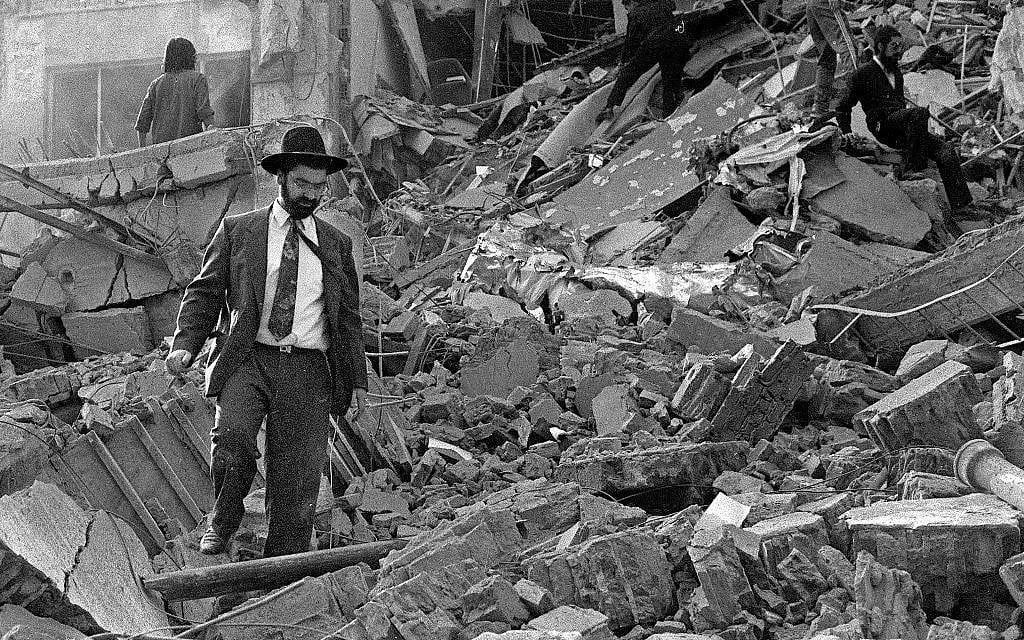
During his tenure as head of the IRGC, a US-designated terrorist organization, he was allegedly involved in the 1994 AMIA attack. The bombing, according to an Argentine court ruling, was carried out by Hezbollah terrorists, and initiated, planned and funded by Iran. It killed 85 people and injured hundreds more.
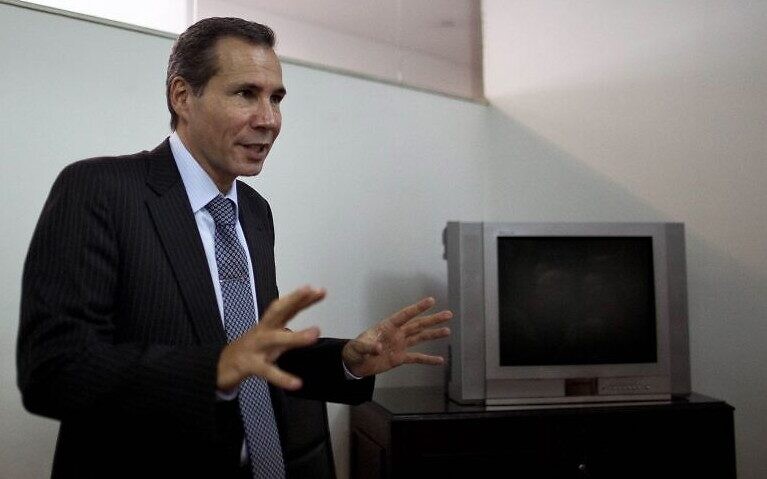
The chief investigator into the AMIA bombing, Alberto Nisman, who was murdered in 2015, found that the decision to carry out the attack was taken at a meeting held on August 14, 1993, in Mashhad, by the Iranian leadership’s “Committee for Special Operations.” His 2006 indictment in the case (PDF) names Iran’s late supreme leader ayatollah Ali Khamenei as the head of the council, and says the final decision to attack the AMIA center was made by Khamenei and then-president Ali Akbar Hashemi Rafsanjani.
The Rafsanjani-headed “Office of Intelligence and Security” allegedly conceived and orchestrated the attack, and IRGC chief Rezaei, a member of that office, allegedly co-authored the plan. Nisman’s 2006 indictment further charges that Rezaei’s involvement “extended to the implementation phase of the attack.”
Rezaei has been wanted by Interpol for two decades for his alleged role in the bombing. The global police organization has had a “Red Notice” out for his arrest since 2007, along with seeking the arrests of five other Iranians and a Lebanese national.
In 2022, Argentina asked Qatar to arrest Rezaei when he was in the Gulf state, but Qatar did not do so.
“The accusation made against him arises from his proven participation at the meeting in which carrying out the attack on AMIA’s headquarters was decided,” said Argentine federal judge Daniel Rafecas in an official letter to Qatar at the time.
Earlier that year, a public appearance by Rezaei at the investiture of Nicaragua’s president angered Argentina and drew a harsh response from its Foreign Ministry, which called Rezaei’s presence “an affront to Argentine justice and to the victims of the brutal terrorist attack″ in the Argentine capital.






The Times of Israel Community.