

As Iranian women defy mandatory hijab law, judiciary calls for tougher measures
Gholamhossein Mohseni Ejei orders prosecutors and security agencies to target ‘organized and foreign’ efforts behind rising ‘social anomalies’
 Add ToI as a Preferred Source on Google
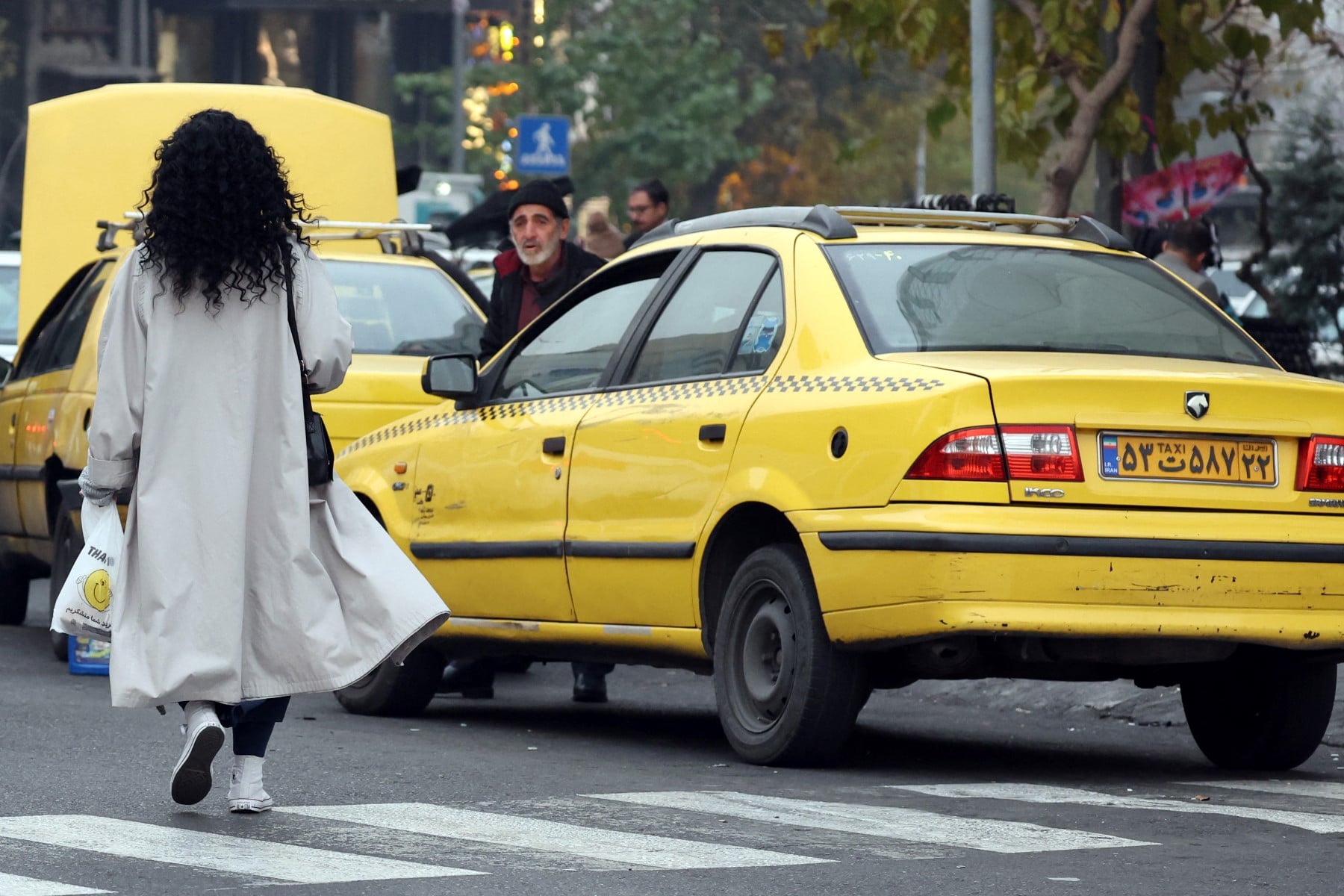
Iranian judiciary chief Gholamhossein Mohseni Ejei has called for stricter methods to tackle “social anomalies,” local media reported, pointing in particular to more relaxed attitudes toward wearing the mandatory hijab.
Under rules imposed after the 1979 Islamic revolution, all women in Iran must cover their hair in public with a hijab, or headscarf, and wear modest, loose-fitting clothing.
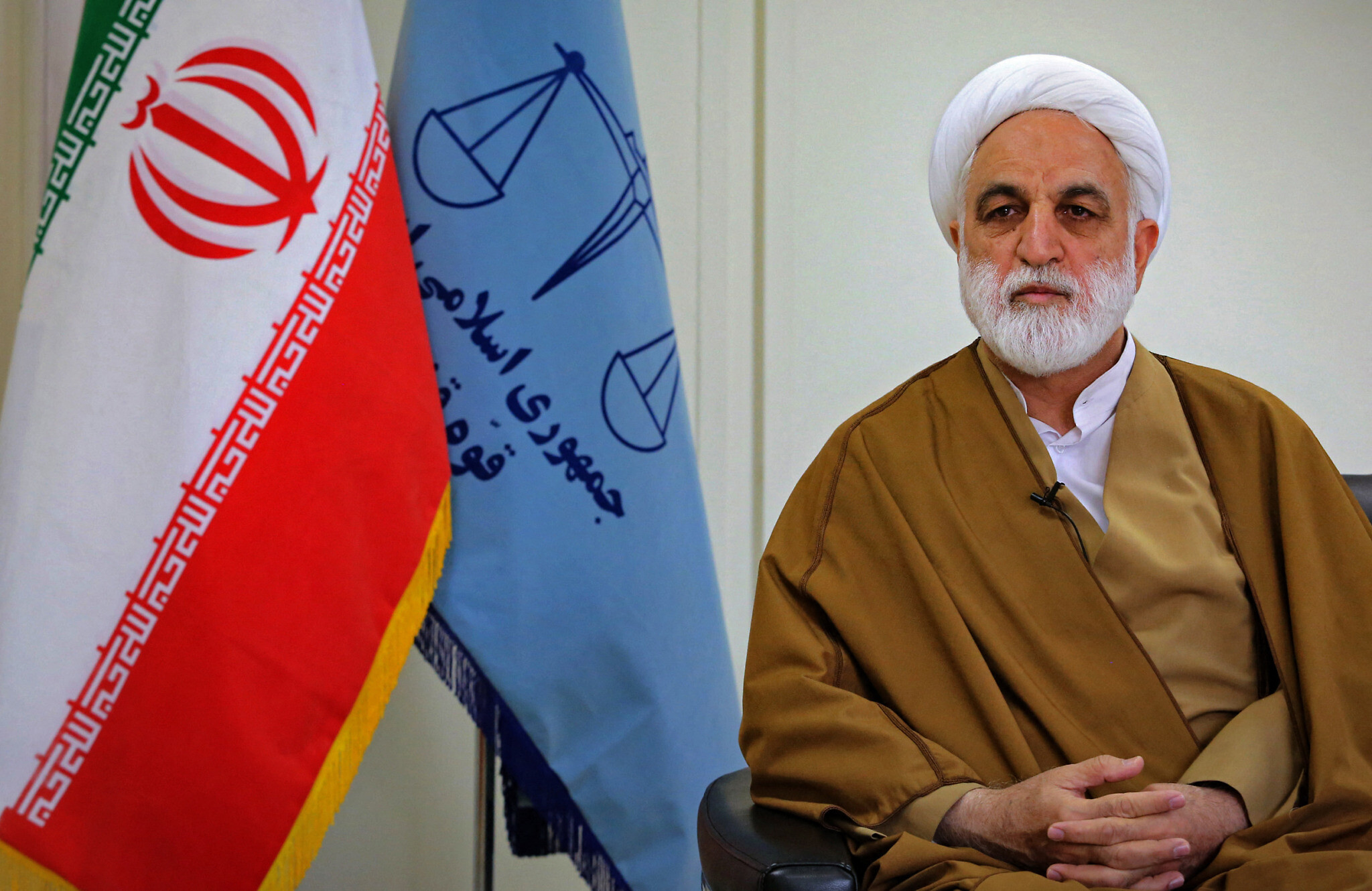
But in major cities, particularly Tehran, many women now walk around without the head coverings, often sporting jeans and sneakers, which has become a point of contention for conservatives.
“I have ordered the prosecutor general and all prosecutors in the country to ask the security and law enforcement agencies to identify organized and foreign-related movements in the field of social anomalies and introduce them to the judiciary,” Ejei was quoted as saying by the newspaper Etemad on Friday.
“One manifestation of the enemy’s efforts lies in the issue of nudity and not observing hijab.”
The term “nudity” generally refers to clothing deemed inappropriate.
This phenomenon of forgoing the hijab has become more visible in Iran since the protests that followed the death in custody of Mahsa Amini in September 2022. The young woman was arrested by the morality police for allegedly violating the dress code.
Hundreds of people, including dozens of members of the security forces, were killed during protests across the country, and thousands of demonstrators were arrested.
“We certainly cannot impose the wearing of the hijab on individuals,” Iranian government spokeswoman Fatemeh Mohajerani declared last month, echoing moderate President Masoud Pezeshkian, amid criticism from the conservative camp.
His administration refused last year to enact a law that would have drastically increased penalties for unveiled women.
In recent months, authorities have closed several cafes and restaurants for failing to enforce hijab rules or for serving alcohol, which is prohibited in Iran.
“The hijab is the first bastion of Iranian women’s Islamic identity. If this bastion collapses, other cultural and heritage elements will gradually collapse in turn,” the ultraconservative Kayhan daily warned on Thursday.





The Times of Israel Community.