

Iran’s president officially rejects Trump demand for direct talks on nuclear program
Masoud Pezeshkian leaves door open for ‘indirect negotiations,’ a method that has failed over the past few years to revive curbs on Tehran’s nuclear program
 Add ToI as a Preferred Source on Google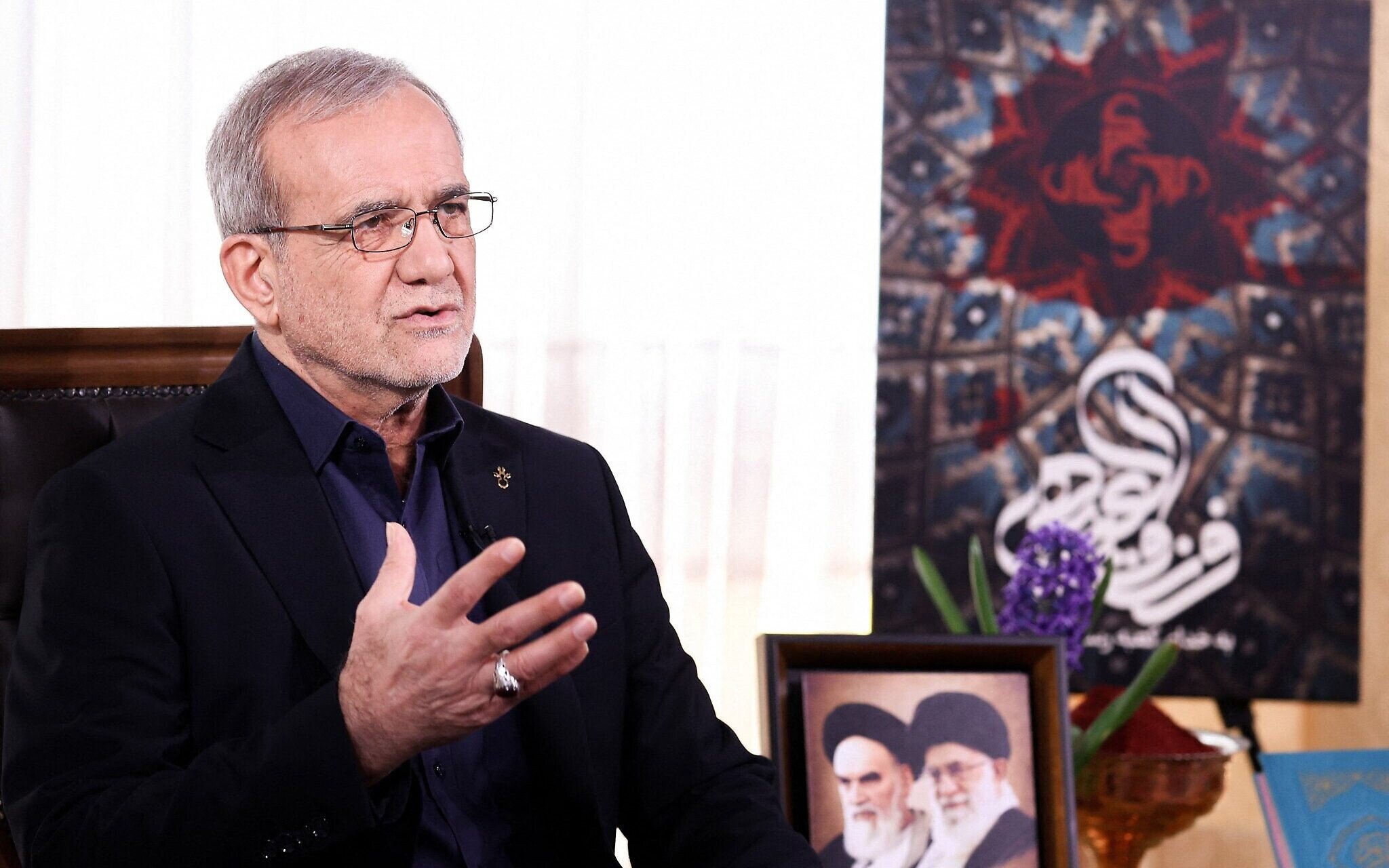
Iran’s president said Sunday that Tehran had rejected direct negotiations with the United States in response to a letter from US President Donald Trump over its rapidly advancing nuclear program.
The remarks from President Masoud Pezeshkian represented the first official acknowledgment of how Iran responded to Trump’s letter. It also suggests that tensions may further rise between Tehran and Washington.
Pezeshkian said, “Although the possibility of direct negotiations between the two sides has been rejected in this response, it has been emphasized that the path for indirect negotiations remains open.”
It’s unclear, however, whether Trump would accept indirect negotiations. Indirect negotiations for years since Trump initially withdrew America from Tehran’s nuclear deal with world powers in 2018 have been unsuccessful.
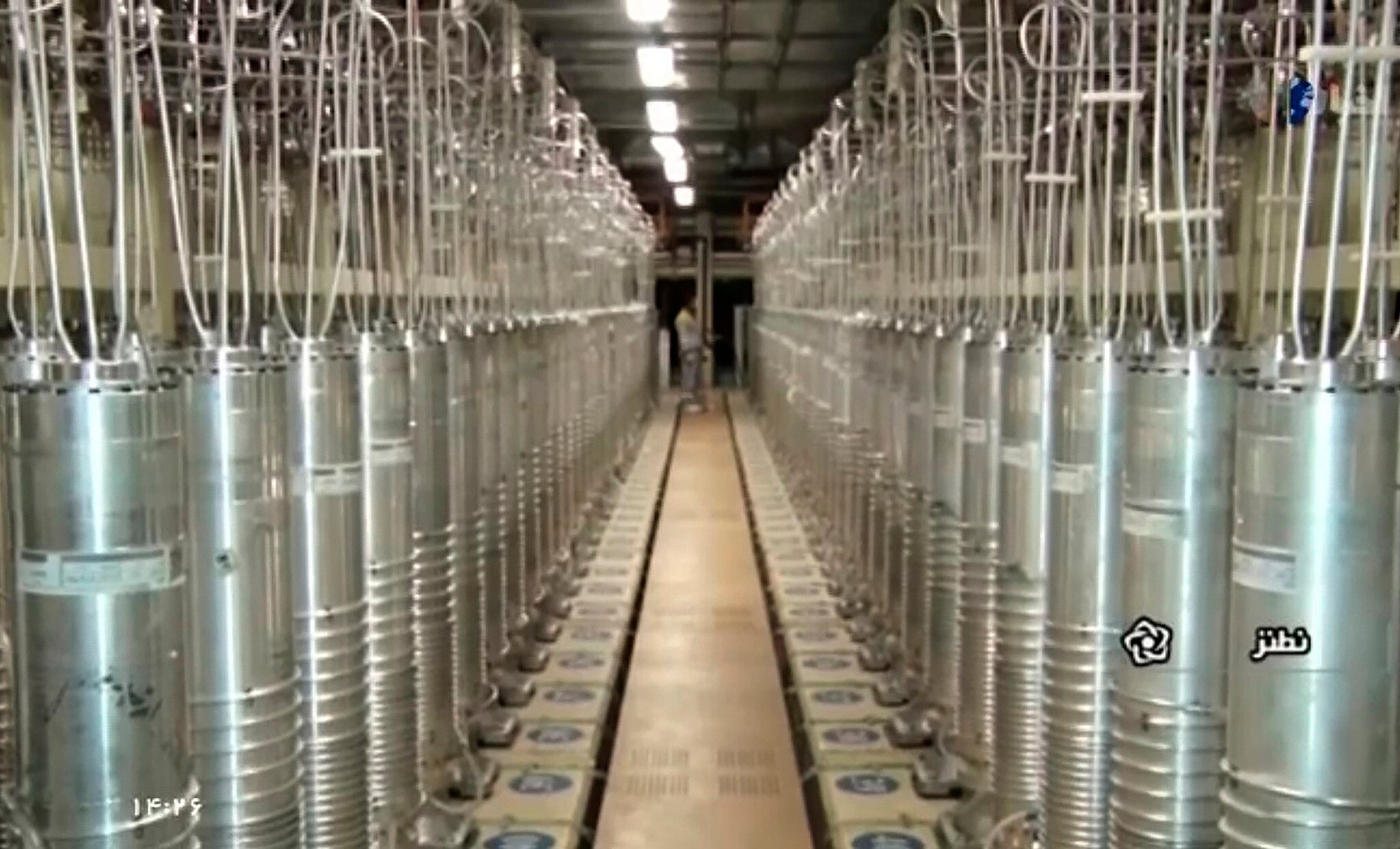
Trump’s overture comes as both Israel and the United States have warned they will never let Iran, which is sworn to Israel’s destruction, acquire a nuclear weapon, leading to fears of a military confrontation as Tehran enriches uranium at near weapons-grade levels — something only done by atomic-armed nations.
Iran has long maintained that its program is for peaceful purposes, even as its officials increasingly threaten to pursue the bomb as tensions are high with the US over its sanctions and after the collapse of a ceasefire in Israel’s war against Hamas in the Gaza Strip.
Last year, Israel struck Iranian facilities, including missile factories and air defenses, in retaliation for Iranian missile and drone attacks. That reduced Tehran’s conventional military capabilities, according to analysts and US officials, an assessment disputed by Tehran.
Since Trump returned to the White House, his administration has consistently said that Iran must be prevented from acquiring nuclear weapons. A report in February, however, by the UN’s nuclear watchdog said Iran has accelerated its production of near-weapons-grade uranium.
Trump’s first term in office was marked by a particularly troubled period in relations with Tehran. In 2018, he unilaterally withdrew the United States from Iran’s nuclear deal with world powers, leading to sanctions hobbling Iran’s economy. Iran retaliated with attacks at sea — including one that it likely carried out and that temporarily halved Saudi Arabia’s oil production.
Trump also ordered the attack that killed Iran’s top general in a Baghdad drone strike in January 2020.







The Times of Israel Community.