

IRGC navy threatens ‘heavy attack’ on US assets if its oil tankers come under fire
Iranian Army says ships from countries complying with US sanctions will face difficulties in Hormuz; bulk carrier hit by projectile near Doha, no injuries, says maritime agency
 Add ToI as a Preferred Source on Google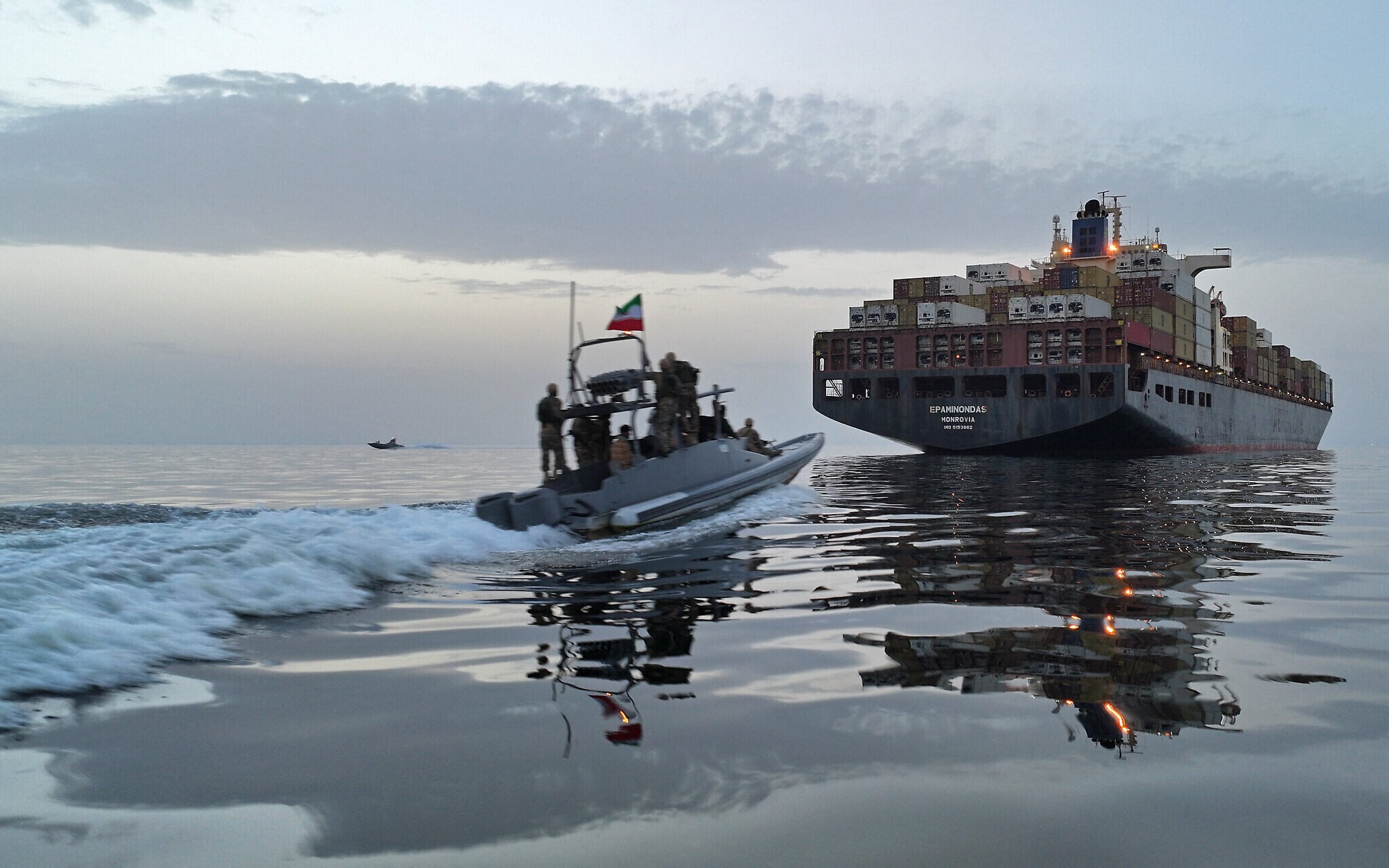
Iran’s Islamic Revolutionary Guard Corps on Sunday threatened to target US sites in the Middle East and “enemy ships” if its tankers come under fire, Iranian media reported, amid several flare-ups threatening the fragile ceasefire with Washington.
“Any attack on Iranian tankers and commercial vessels will result in a heavy attack on one of the American centers in the region and enemy ships,” it said, a day after US attacks against two Iranian tankers in the Gulf of Oman.
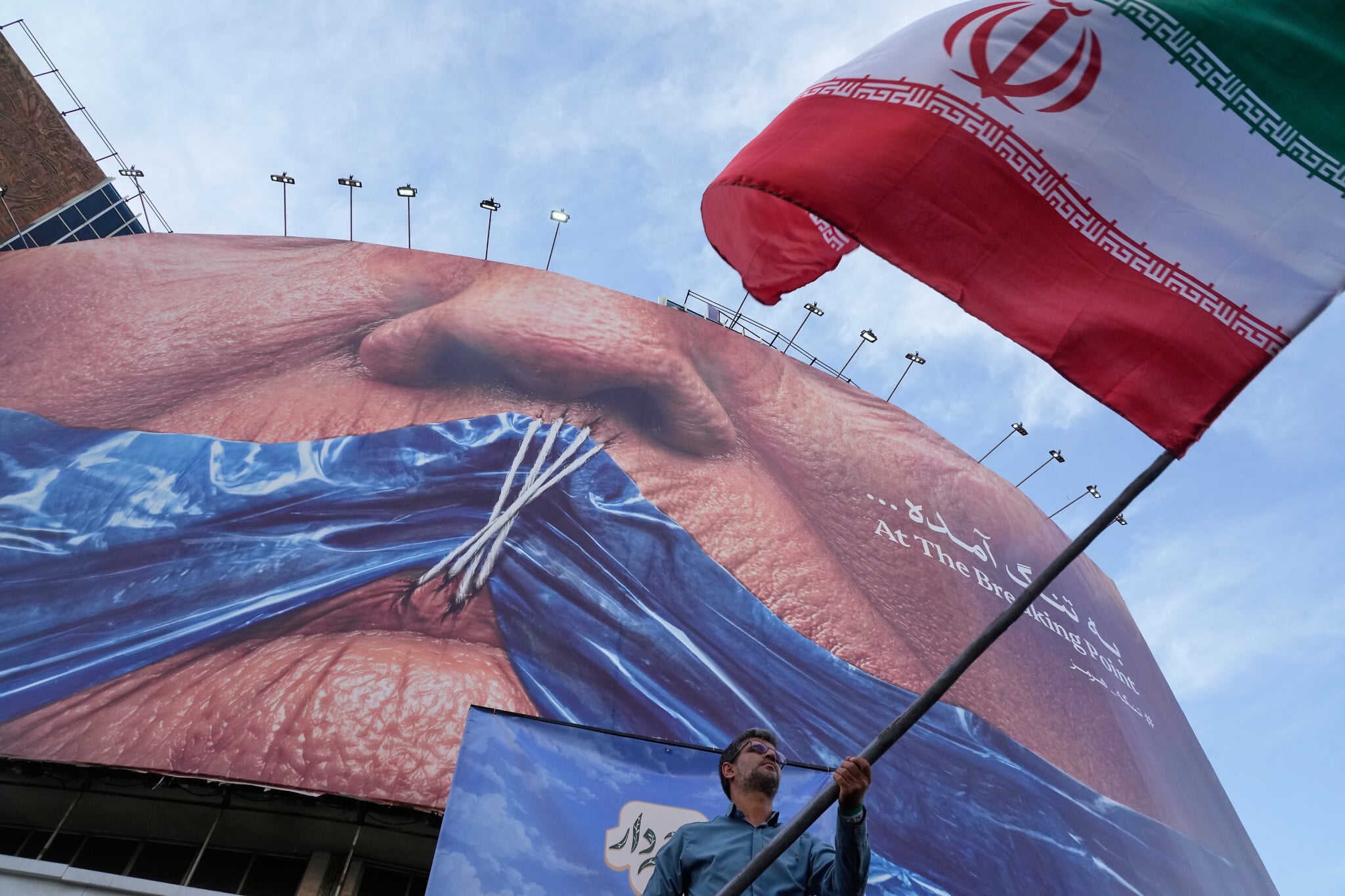
Iranian Army Spokesperson Mohammad Akraminia also said that vessels from countries that comply with US sanctions against Iran will, with immediate effect, face difficulties crossing the Strait of Hormuz, according to the semi-official Tasnim news agency.
Iranian lawmakers have said they are drafting a bill to formalize Iran’s management of the Strait of Hormuz, with clauses including forbidding passage to vessels of “hostile states.”
The threats came as Tehran continued to keep Washington waiting for a response to its latest proposals to end more than two months of fighting and begin peace talks. Recent days have also seen the biggest flare-ups in fighting in and around the Strait of Hormuz since a ceasefire began a month ago, and the United Arab Emirates came under renewed attack on Friday.
On Sunday, a bulk carrier reported being struck by an unknown projectile while sailing 23 nautical miles northeast of Doha, Qatar, the UK Maritime Trade Operations organization said.
The incident sparked a small fire that was extinguished, with the vessel’s master reporting no casualties or environmental impact, UKMTO said.
Authorities are investigating the source of the projectile.
Vessels in the area have been advised to transit with caution.
The United Kingdom announced Saturday it was sending a destroyer to the Middle East ahead of any international mission to help protect shipping in the vital international sea lane that Iran is seeking to control to extract tolls from foreign vessels and wield economic leverage over the US and its allies.
Iran has mostly blocked the critical waterway for global energy since the US and Israel launched the war against the regime on February 28, causing a global spike in fuel prices and rattling world markets.
Britain and France said last month that military plans to secure Hormuz were coming together and would succeed in restoring trade flows through the vital passage, though they stressed the mission to reestablish freedom of navigation in the strait won’t start until there is a sustainable ceasefire and the maritime industry is reassured ships can go through safely.
US Secretary of State Marco Rubio said on Friday that Washington expected a response to a proposal to end the war within hours. But there have been no signs of movement from Tehran on the offer, which would formally end the war ahead of talks on more contentious issues, including Iran’s nuclear program.
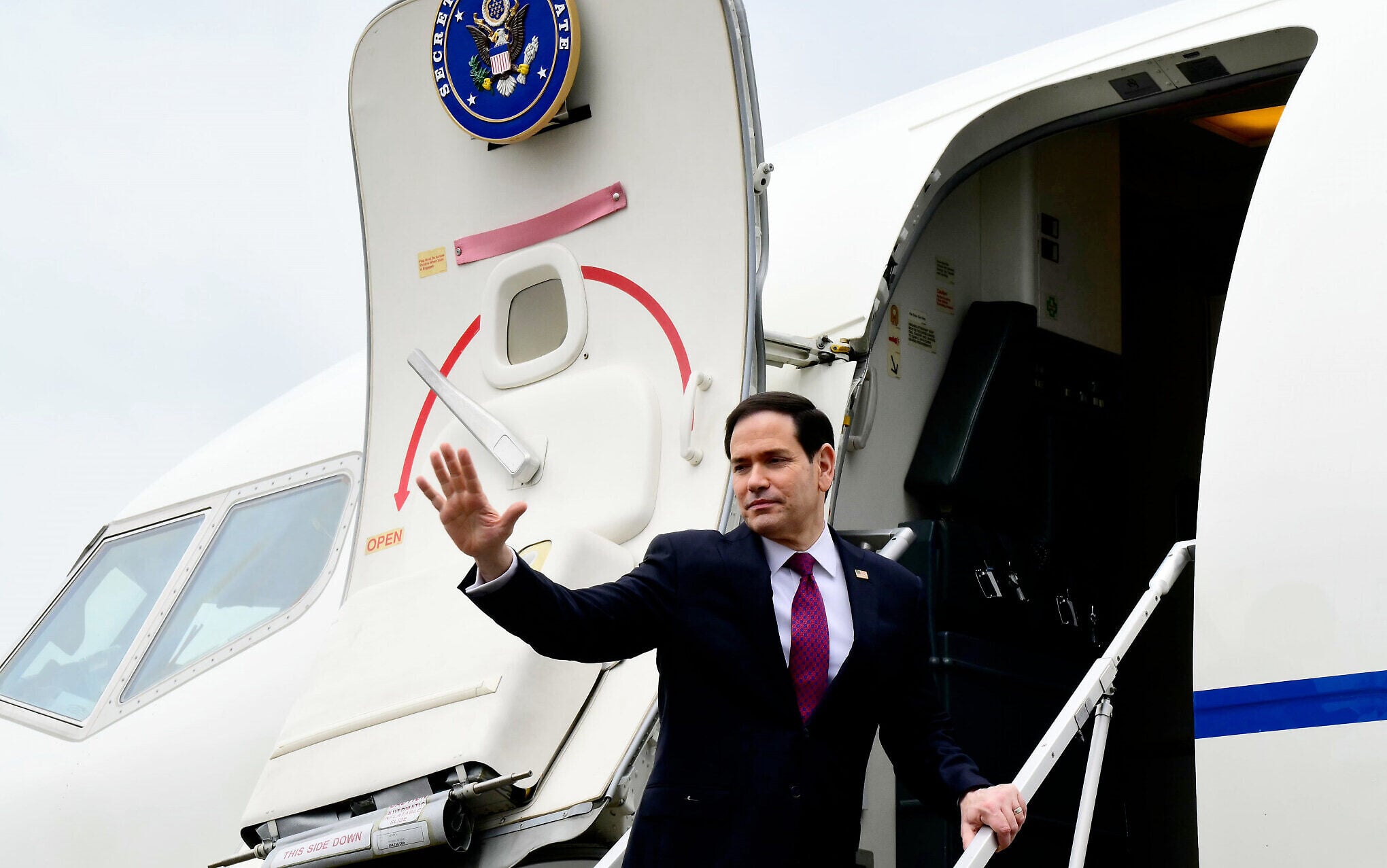
Rubio met Qatari Prime Minister Mohammed bin Abdulrahman al‑Thani in Miami on Saturday and discussed the need to continue working together “to deter threats and promote stability and security across the Middle East,” the State Department said in a statement, which did not mention Iran.
While the Trump administration had wanted Qatar to serve as the main conduit, finding its services useful during the Gaza war and other global conflicts, Doha has been hesitant to take on a more prominent role in the Iran talks, believing it would be blamed if they collapsed or accused of bias toward Iran by pro-Israel hawks if the negotiations bear fruit, the source said.










The Times of Israel Community.