

Israel seeking 20-year ‘America-first’ security agreement with US — report
With current MOU set to lapse in 2028, Israel said trying to navigate GOP foreign aid skepticism by emphasizing US-Israel cooperation; Netanyahu says Israel looking to be more independent
 Add ToI as a Preferred Source on Google
Lazar Berman is The Times of Israel's diplomatic reporter
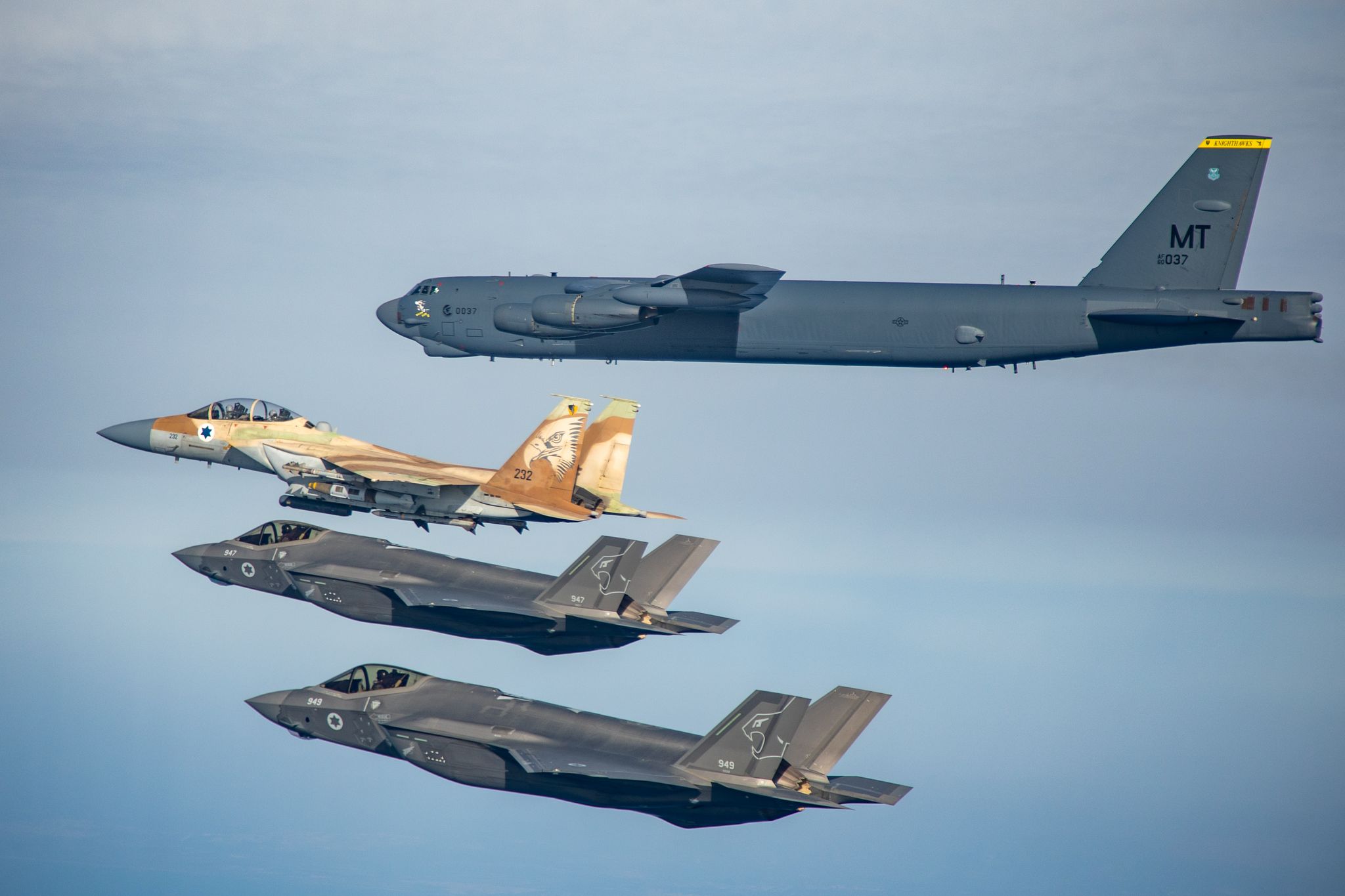
Israel is angling for a 20-year security agreement with the US with “America first” elements, US media reported on Thursday, a deal that would be broader in scope than past pacts and would last until the 100th anniversary of Israel’s independence.
The current 10-year memorandum of understanding between the two countries — the third such agreement signed — expires in 2028. Signed under the Obama administration in 2016, it includes around $4 billion of aid to Israel annually.
With growing skepticism around foreign aid, including to Israel, in the Republican Party among those who subscribe to US President Donald Trump’s largely isolationist “America First” policies, the next MOU faces challenges that the previous ones did not.
Discussions on the next MOU began in recent weeks, according to the Axios report, which cited Israeli and US officials, after a long delay because of the war against Hamas in Gaza.
Israel proposed a 20-year deal that would end on the country’s centennial in 2048, and to appease those opposed to aid, it would allocate some of the funds for joint R&D, rather than direct military aid, Axios reported.
The projects touted would be in defense tech, defense-related AI, and Trump’s Golden Dome missile defense project, among others, an Israeli official told Axios.
“This is out-of-the-box thinking,” an Israeli official told Axios. “We want to change the way we handled past agreements and put more emphasis on US-Israel cooperation. The Americans like this idea.”
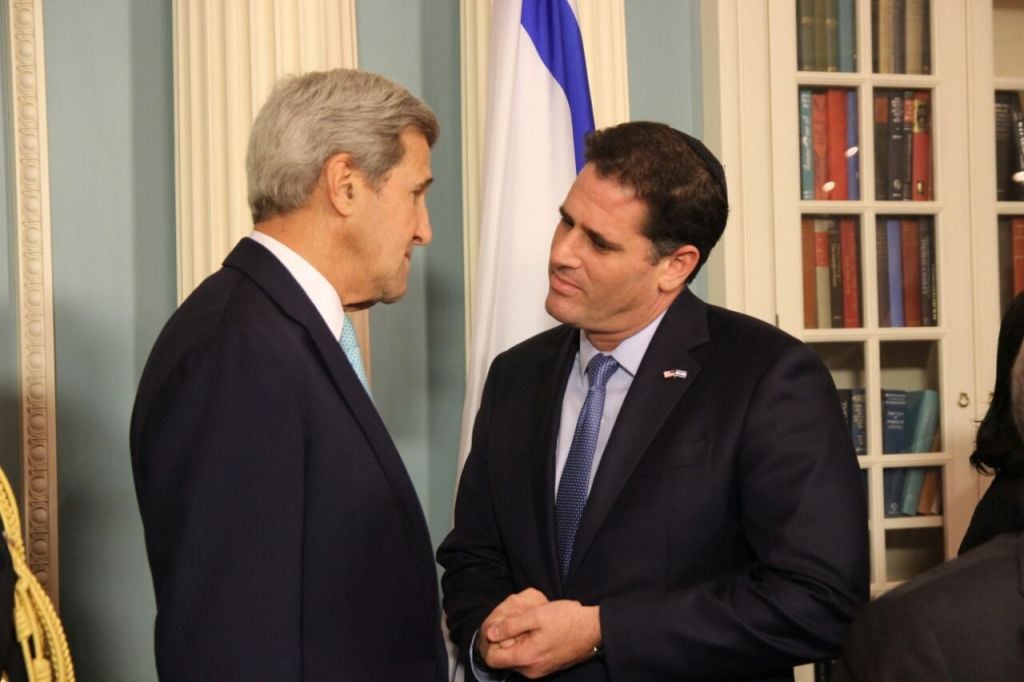
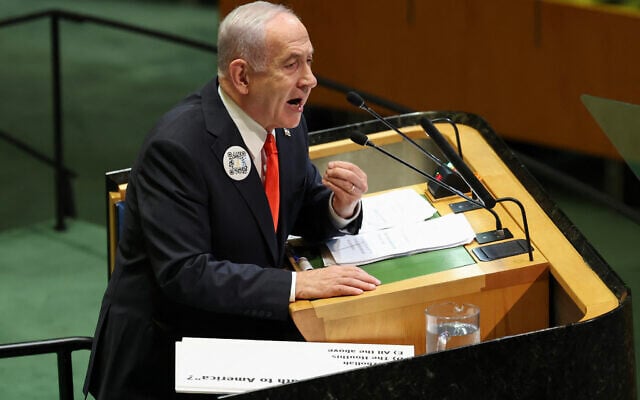
However, Prime Minister Benjamin Netanyahu denied the report in an interview with Australian TV host Erin Molan. “I don’t know what they’re talking about. My direction is the exact opposite,” he insisted.
“I think it’s time to ensure that Israel is independent,” he continued. “Understand that our military aid is like a tiny, tiny, tiny fraction of what the US spent in Afghanistan or spent in the Middle East. It’s tiny. But I think that we have a very strong economy. We have a very strong arms industry. It’s true that even though we get what we get, which we appreciate, 80 percent of that is spent in the United States. It produces jobs in the United States. But nevertheless, I’d like to see a much more independent Israeli, an even more independent Israeli defense industry.”
The White House declined to comment on the Axios report.
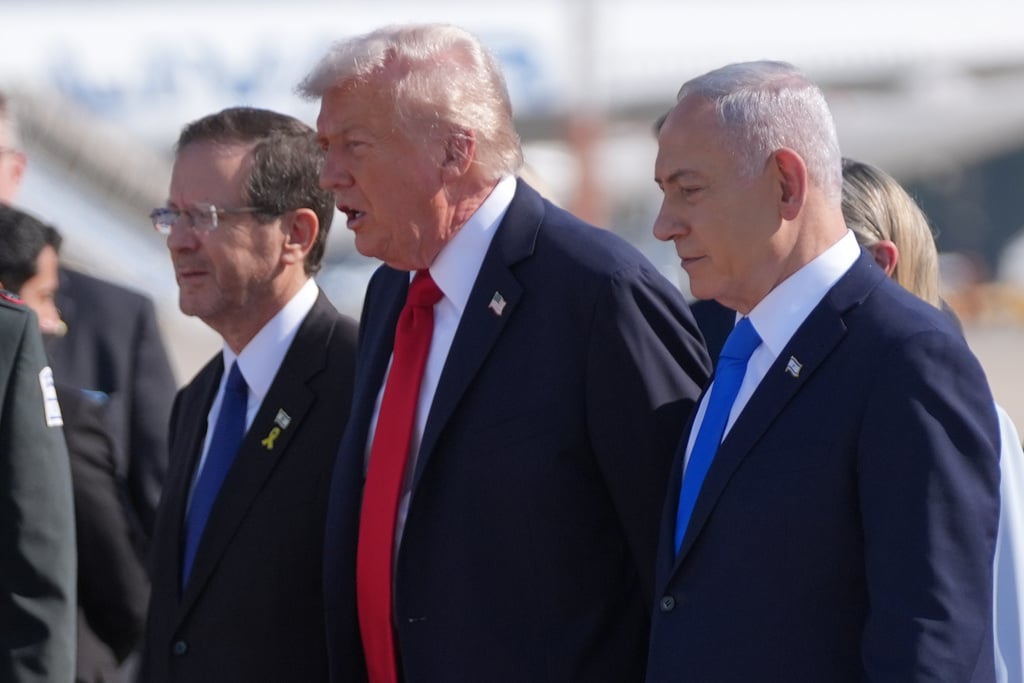
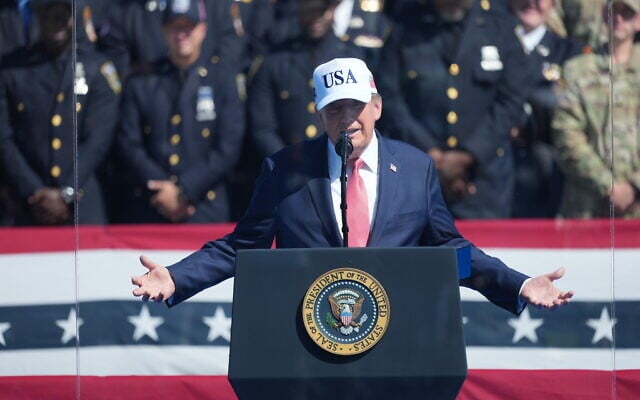
Trump has referred publicly to the billions in aid given to Israel during both of his terms. In 2018, he dismissed concerns that pulling US troops out of Syria could endanger Israel. “You know, we give Israel $4.5 billion a year. And they’re doing very well defending themselves, if you take a look,” he said.
During a rocky White House visit in April, Trump brought it up again as Netanyahu listened beside him: “Don’t forget, we help Israel a lot. We give Israel $4 billion a year, that’s a lot.”
US aid agreements are seen in Israel as key to helping it maintain its “qualitative military edge” over potential threats.
The US has either jointly developed or financed all three tiers in Israel’s missile defense program — made up of the Iron Dome (short-range missile interceptor), David’s Sling (medium range), and Arrow (long range) systems.
Missile defense technologies developed in Israel using US funds are available to US defense contractors involved in the development.
The US committed to providing billions in military assistance to Israel and Egypt each year when they signed their 1979 US-brokered peace treaty.
While the US aid once made up a significant chunk of Israel’s military spending, it has significantly declined as a percentage in recent years as Israel’s economy has flourished.
Under the 2025 budget the Defense Ministry’s budget alone swelled to a record NIS 110 billion ($29 billion) out of a total defense budget of NIS 136 billion ($36.9 billion.)




The Times of Israel Community.