Israeli workers to get one hour off a week from April
Union deal signed last year that cut workweek from 43 hours to 42 now applies to all employees, but Israel still lags behind many industrialized countries
Sue Surkes is The Times of Israel's environment reporter
Production line workers at a factory in Rehovot, central Israel, on October 27, 2015. (Hadas Parush/Flash90)
Israeli workers will work four hours less each month from April 1, without any reduction in pay, in the first economy-wide cut in hours since 1995.
Currently, Israelis work 43 hours a week, more than employees in most of the developed world. The new agreement will cut that to 42 hours per week, or 182 hours per month instead of the current 186.
Night shifts will also be limited, to no more than seven nights in total every two weeks.
Labor, Welfare and Social Services Minister Haim Katz signed an order to extend to all employees a deal signed a year ago by Histadrut labor federation boss Avi Nissenkorn and Shraga Brosh, president of the Manufacturers Association in Israel. The agreement was adopted two months ago by Finance Minister Moshe Kahlon.
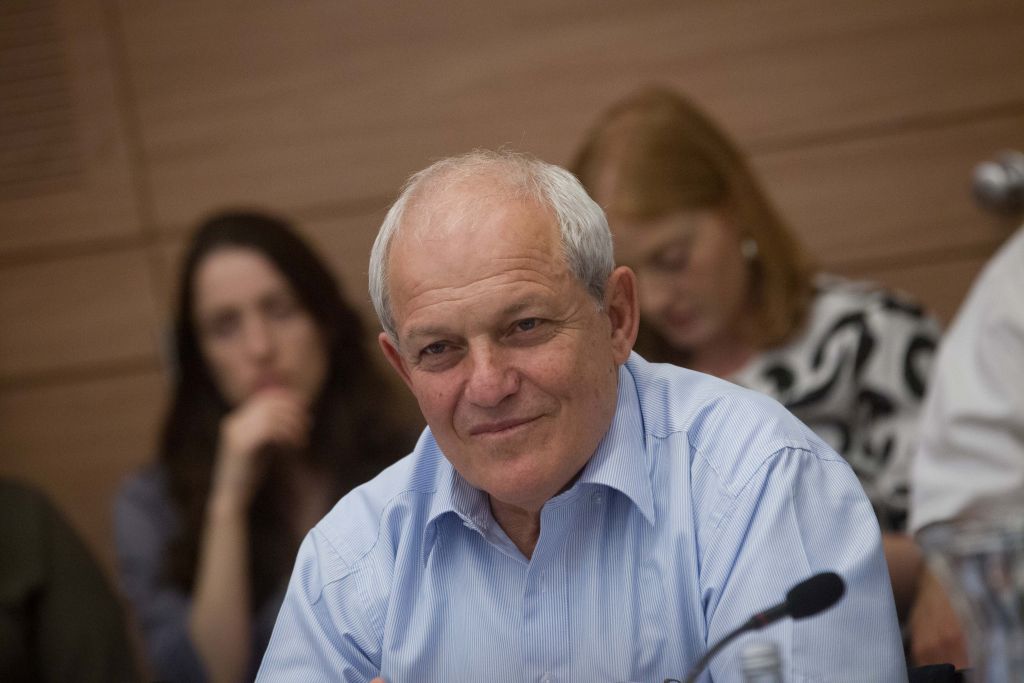
Social Affairs Minister Haim Katz attends a Labor and Welfare committee meeting in the Knesset, June 8, 2015. (Miriam Alster/FLASh90)
Katz wrote on Facebook Sunday that this was “a first step toward easing the burden of the Israeli worker,” adding, “We’re aiming for a more significant reduction.”
Get The Times of Israel's Daily Editionby email and never miss our top stories
Even with the reduction, Israel’s workweek remains higher than the typical 40 hour workweek of many industrialized countries, and significantly longer than France’s 35-hour week or Denmark’s 37-hour week.
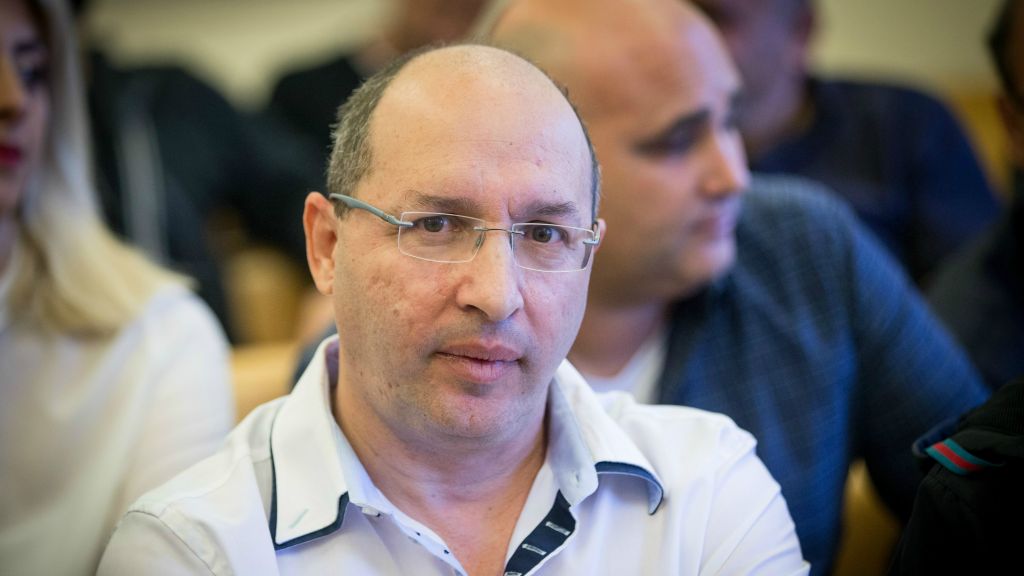
Histadrut chairman Avi Nissenkorn seen at the National Labor Court in Jerusalem on March 26, 2017. (NLF). (Yonatan Sindel/Flash90)
Nissenkorn posted on his Facebook page, “We have to leave more time for family and leisure….We’ll continue to push for more reductions in the workweek.”
Advertisement
Help us report truthfully on social media
As a multimedia journalist, my job is to take the quality, fact-based journalism produced by The Times of Israel newsroom and make it accessible across every platform — from Instagram posts to podcasts to short-form videos.
This is how many, especially young people, consume news these days. But misinformation is rampant on social media. Our team at ToI produces accurate, responsible short-form reporting on Israel and the Jewish world.
If you believe in the importance of factual social media journalism, please consider joining our reader support group, The Times of Israel Community. Your financial support is essential to sustain responsible multimedia reporting.
We’re really pleased that you’ve read X Times of Israel articles in the past month.
That’s why we started the Times of Israel - to provide discerning readers like you with must-read coverage of Israel and the Jewish world.
So now we have a request. Unlike other news outlets, we haven’t put up a paywall. But as the journalism we do is costly, we invite readers for whom The Times of Israel has become important to help support our work by joining The Times of Israel Community.
For as little as $6 a month you can help support our quality journalism while enjoying The Times of Israel AD-FREE, as well as accessing exclusive content available only to Times of Israel Community members.
Thank you, David Horovitz, Founding Editor of The Times of Israel


 Add ToI as a Preferred Source on Google