

Israel’s fifth election since 2019 to cost NIS 79 per potential voter
Calculation excludes many of the costs relating to the national paid vacation day and the running of the Central Election Committee
 Add ToI as a Preferred Source on Google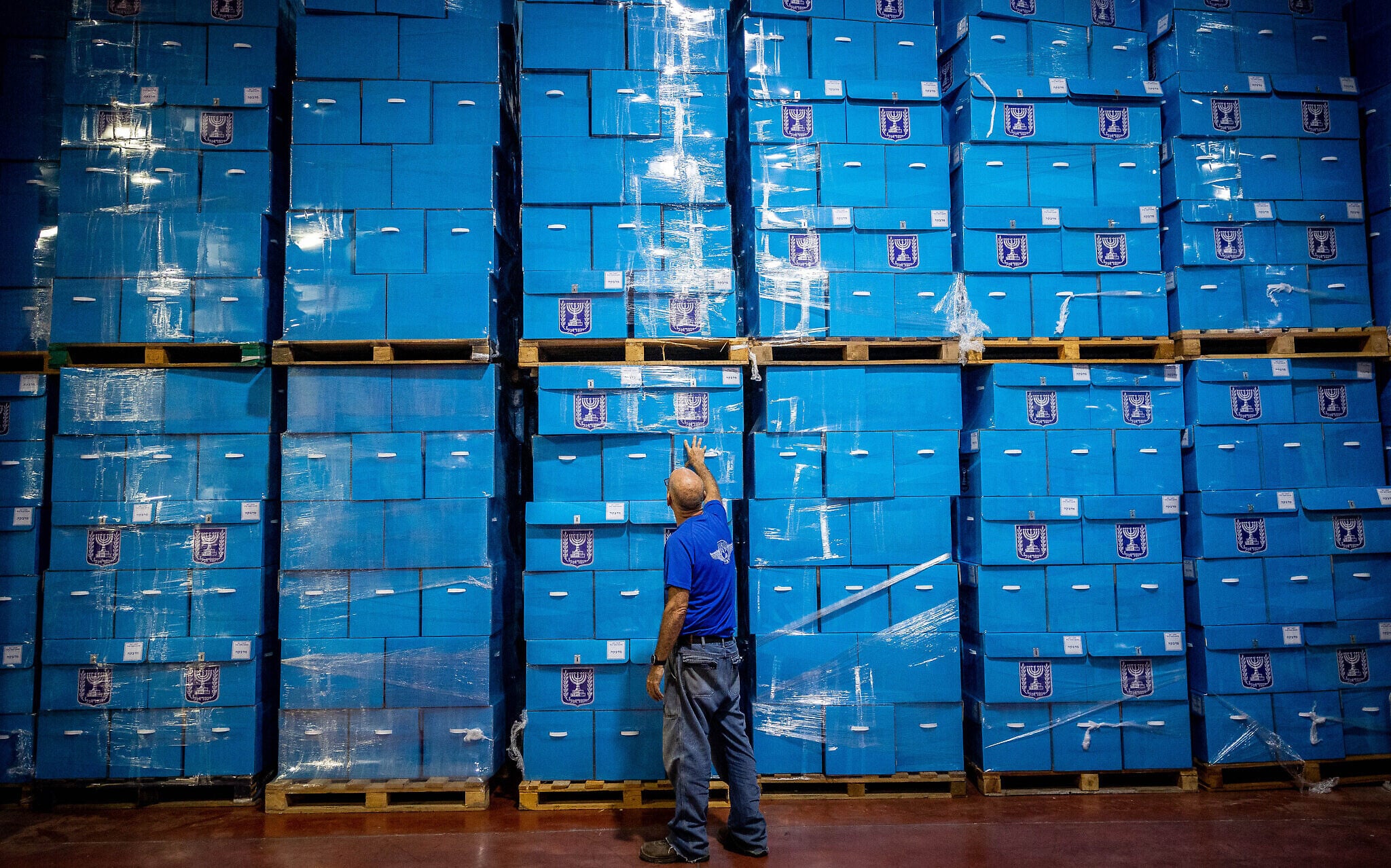
The November 1 elections have a budget of NIS 538 million (approximately $151 million), the Knesset’s Finance Committee announced Sunday, a cost of around NIS 79 (approximately $22) per potential voter.
The elections will be Israel’s fifth since 2019. The calculation was based on the number of people with the right to cast a ballot — 6,788,804.
Around NIS 153 million (approximately $43 million) of the budget was allocated to pay the salaries of poll workers — 28 percent of the election budget.
Another NIS 32 million ($6.5 million) will be spent on precautions related to the coronavirus pandemic, although the announcement did not say what those would entail.
The budget does not include costs relating to the Central Elections Committee — the panel tasked with the administration f the e lections — itself, which had a budget of NIS 45 million approved last year.
In its statement, the Finance Committee noted that this year’s proposal was lower than that for last year’s elections due to reduced costs relating to the pandemic. The 2021 elections had NIS 231 million earmarked for costs relating to the coronavirus.

Central Elections Committee director-general Orly Adas said that despite the reduction in pandemic costs, the amount of money required for rent and security had increased, in addition to salaries for those working at the polls and in the committee’s regional and national offices. Furthermore, there has been an increase in the number of polling stations over the years.
A representative of the Finance Ministry told the committee that it was difficult to question a budget submitted just nine days before the country votes, but that pandemic aside, there has been a significant rise in the costs of elections over the years, with particular concern over the budget money that was requested to be held in reserve, which is normally set after the financing framework was approved.
Adas apologized for the budget being submitted so close to polling day, but rejected the criticism, saying that reserve money needed to be earmarked for emergencies such as war or a significant cyber incident, and said that the cash would be returned if not used.
Aside from the cost of staffing the committee, setting up polling stations and printing the millions of paper voting slips, each party also gets state funding for its election activities.
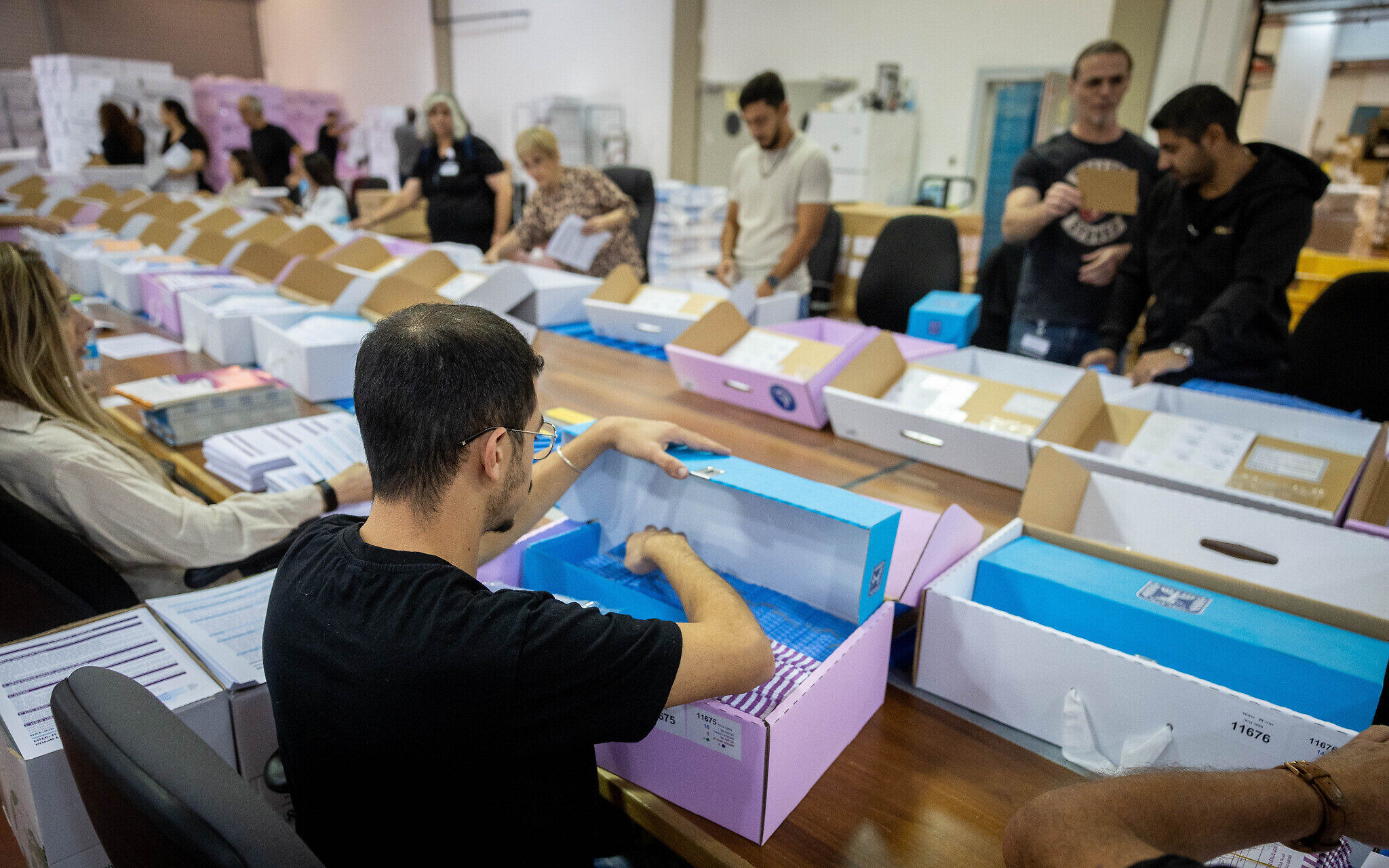
The amount each party is entitled to is calculated based on the average of number of seats it already holds and the number it wins in the election. Parties borrow from the state to finance their campaigns according to how much funding they expect to eventually receive. New parties make their estimates according to pre-election polling.
In addition to the Knesset’s budget, estimates of the overall cost of the elections to the economy are far higher.
Earlier this year, an estimate from the Israel Democracy Institute put the cost of the elections at NIS 2.54 billion ($733 million) to NIS 2.9 billion ($837 million).
Election day is a paid day off to enable citizens to vote. However, many use the day for recreation, giving a boost to some sectors of the economy.









The Times of Israel Community.