

Israel’s fiscal deficit widens to 0.9% in June; property tax income at 2-year-low
Figures show government revenue from real estate taxation slumped 56%; government expenditure jumps 6.9%
 Add ToI as a Preferred Source on Google
Sharon Wrobel is a tech reporter for The Times of Israel

Israel’s fiscal deficit widened to 0.9 percent of GDP, or NIS 15.4 billion ($4.16 billion), in June over the prior 12 months, from 0.6% in May, as state revenue from taxes continued to slide, led by a slump in real estate taxes, according to preliminary figures released by the Finance Ministry on Sunday.
In recent months, economists have been warning that the country will find it challenging to meet its fiscal deficit target for this year of 0.9% amid expectations of a continued decline in tax income, as the global economy undergoes a slowdown and higher borrowing costs hamper the pace of real estate deals. Adding to this is concern that uncertainty over the planned judicial overhaul will squelch local economic activity. For 2024, the Finance Ministry targets a budget deficit of 0.8% of GDP.
The government in 2022 posted the first budget surplus in 35 years of 0.6% of GDP as state revenues rose 4.8% to NIS 468.5 billion, benefiting from an exceptionally high increase in tax revenues.
Sunday’s figures showed that in June the fiscal deficit amounted to NIS 6.2 billion, compared with a fiscal deficit of NIS 1.5 billion in June last year. Total state revenues in the first six months of the year dropped 4.5% and state income from taxes declined 5% year-over-year, the data showed. State expenditure stood at NIS 38.9 billion in June versus NIS 36.4 billion during the same month last year. Since the start of the year expenditure jumped 6.9% year-on-year.
Tax Authority revenues in June 2023 totaled NIS 31 billion, compared with NIS 32.7 billion in the corresponding period last year. Direct taxes fell by 8% and indirect taxes by 7% during the same comparative period.
The decline in direct tax revenues derived mainly from a sharp decline in real estate tax revenues and an increase in tax refunds. The decline in indirect tax revenues is explained in large part by a decline in imports, but also by a reduction in activity in the real estate market, the Tax Authority said.
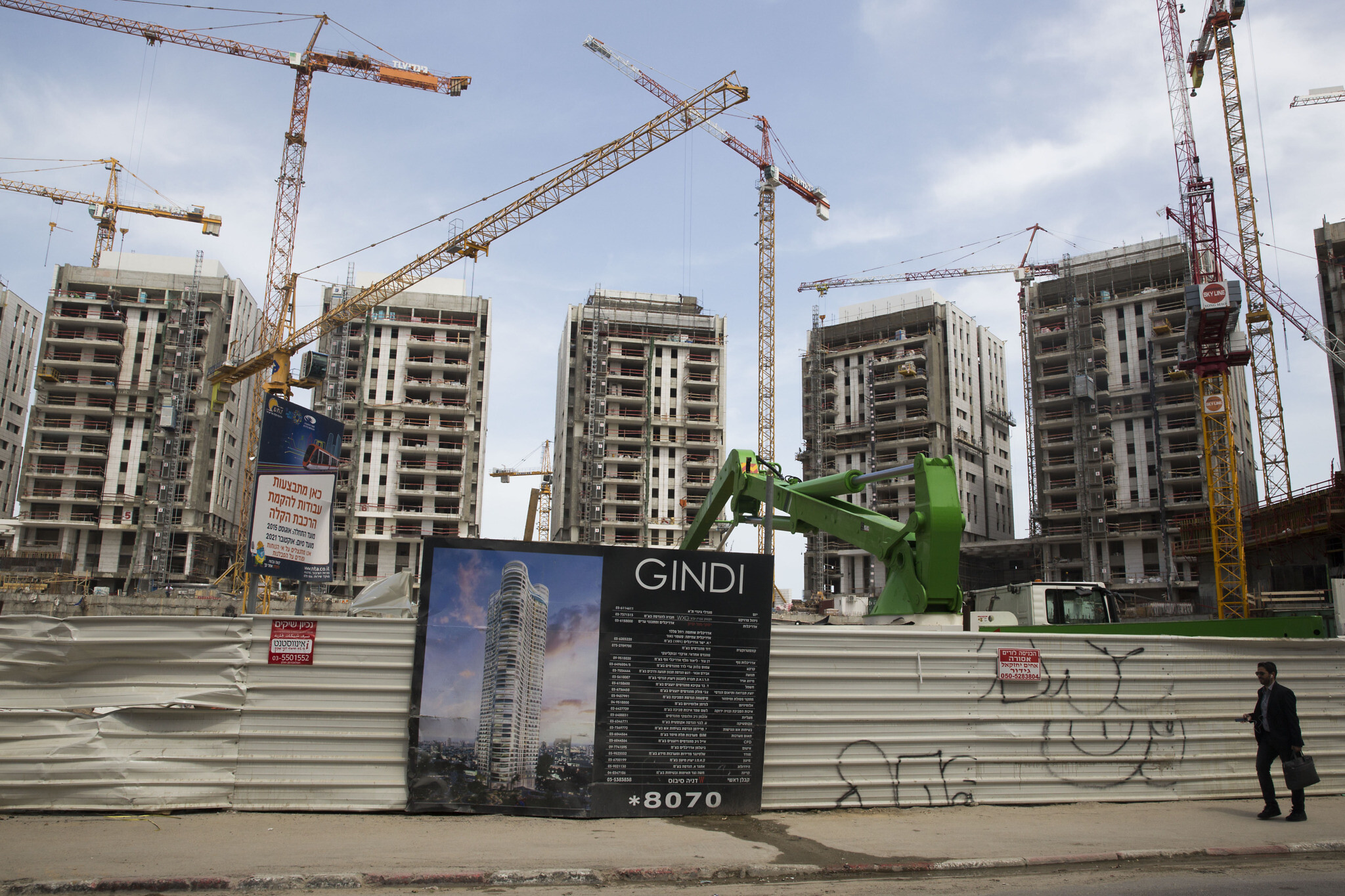
Most notably in June, net income from real estate taxation slumped 56% to NIS 1.1 billion compared to NIS 2.5 billion in June 2022. The figure marked the lowest level since the start of 2021, the Tax Authority noted. During the same month, collection from purchase tax plunged by 61%, compared with the same period last year. Collection from property betterment tax declined by 52% year-on-year.
Israel posted deficits of 4.4% of GDP in 2021 and 11.3% in 2020 as the government introduced a NIS 196.3 billion multi-year economic aid spending plan to help the economy deal with the coronavirus pandemic.










The Times of Israel Community.