

Israel’s hotels eye foreign tourists and wonder: If we open, will they come?
With the rules for noncitizens entering the country about to be significantly loosened, rooms are being readied despite concerns about travel during COVID and lack of staff
 Add ToI as a Preferred Source on Google
Jessica Steinberg, The Times of Israel's culture and lifestyles editor, covers the Sabra scene from south to north and back to the center
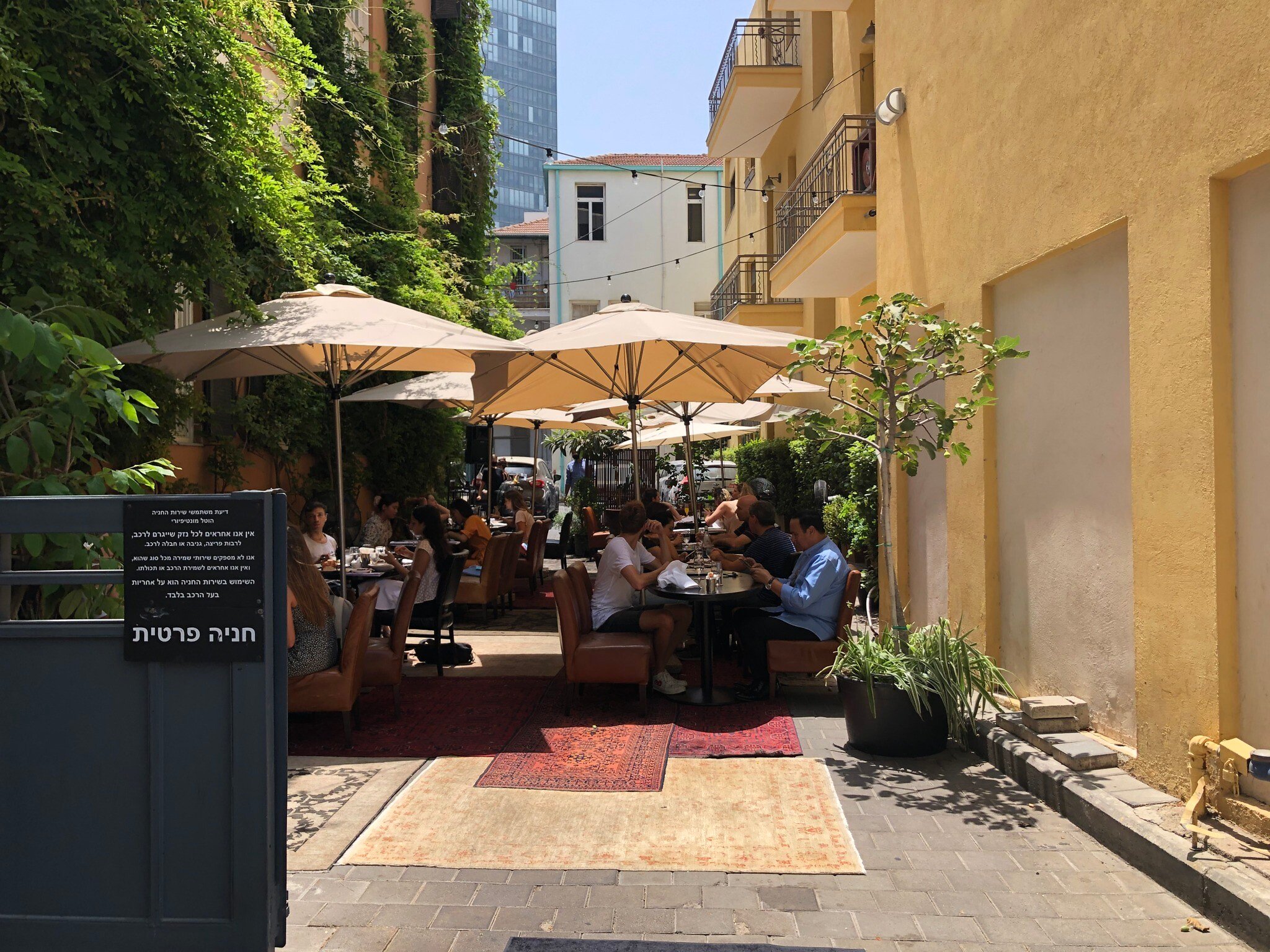
With Israel set to open its doors to tourists in May, local hotels are finally getting all their rooms ready after a year that has devastated the travel industry. But many are wondering, will anybody actually come?
“We hope our clientele will return, because we’ve always been about our regular visitors,” said Oren Schnabel of Tel Aviv’s Hotel Montefiore, part of the R2M hospitality group, which includes restaurants, bakeries, delicatessens and a cafe performance space. “This is their home in Tel Aviv and those people haven’t been here for a long time.”
It’s been a long year-plus for hoteliers and managers. While some local hotels opened in between Israel’s three coronavirus lockdowns and many did so in March as the economy gradually reopened after the third one was lifted, others have been patiently awaiting an influx of foreign tourists, the population that offers the most steady income.
Many hotel managers and owners are waiting to see what happens on May 23, when Israel begins a trial period of allowing vaccinated or recovered foreign tourists to enter the country.
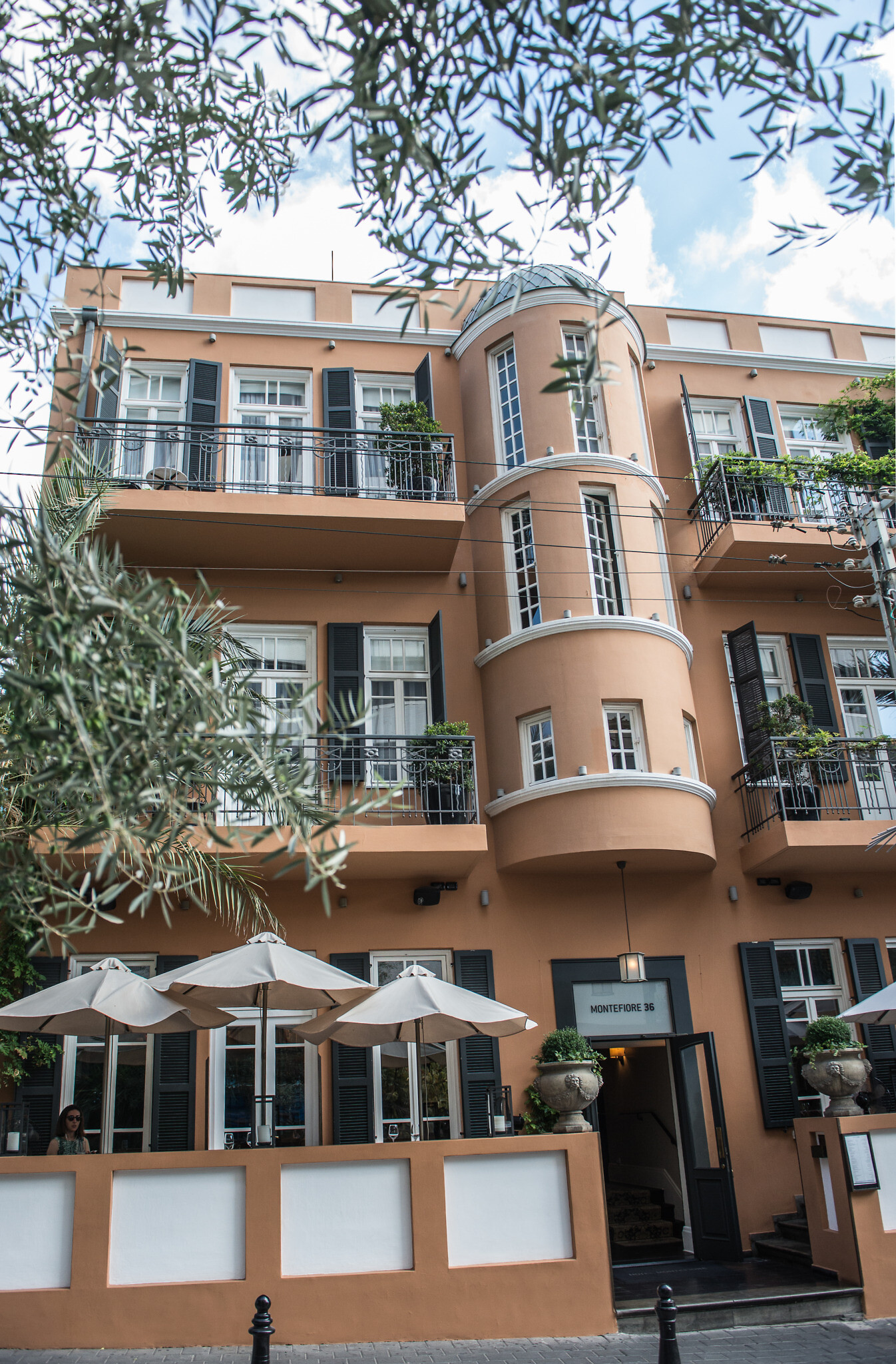
The Montefiore, which has just 12 rooms and includes the popular French-Vietnamese restaurant Bon Appetit, was open during much of the pandemic, with some guests keeping their rooms for up to two months and Israeli guests arriving on weekends.
Other hotels kept their doors shuttered the whole year.
Jerusalem’s iconic American Colony Hotel, part of the Small Luxury Hotels of the World group, didn’t open during the entire period of the pandemic, and will only be officially reopening on June 1.
That date was set more than a year ago, said Jeremy Berkovits, the owner’s representative at The American Colony.
The hotel, 80 percent of whose guests are generally foreign tourists, couldn’t allow itself to reopen solely for locals.
“It’s nice to have the Israeli guests, but operating it for them is a recipe for losing money and it’s not sustainable,” said Berkovits.
Instead, the historic, intimate Jerusalem hotel, built in the 19th century as an Ottoman pasha’s mansion, was waiting for individual tourists to be allowed into Israel — “we’re not a hotel for groups,” said Berkovits.
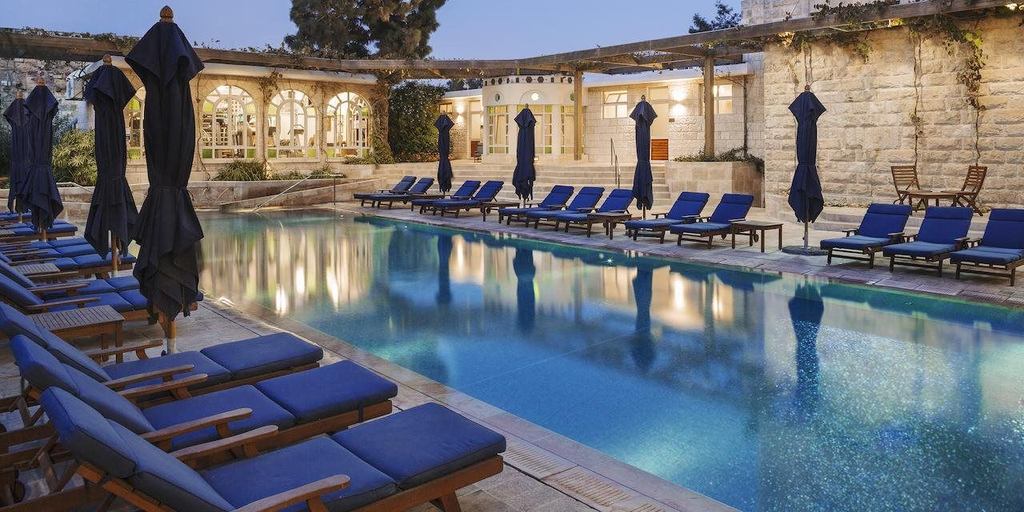
A 20-minute walk away from the American Colony are the Alrov group’s luxury Mamilla and David Citadel hotel, across the street from one another. They reopened on March 18 after months of closure.
“We felt like we were obliged to keep the properties open,” Katerina Brokhes, vice president of sales and marketing at Mamilla and David Citadel. While incoming tourism is more than 80% of their market, “we’ve adjusted ourselves to the domestic market,” said Brokhes. “Obviously we’re looking forward to welcoming incoming tourism, all the hotels are.”
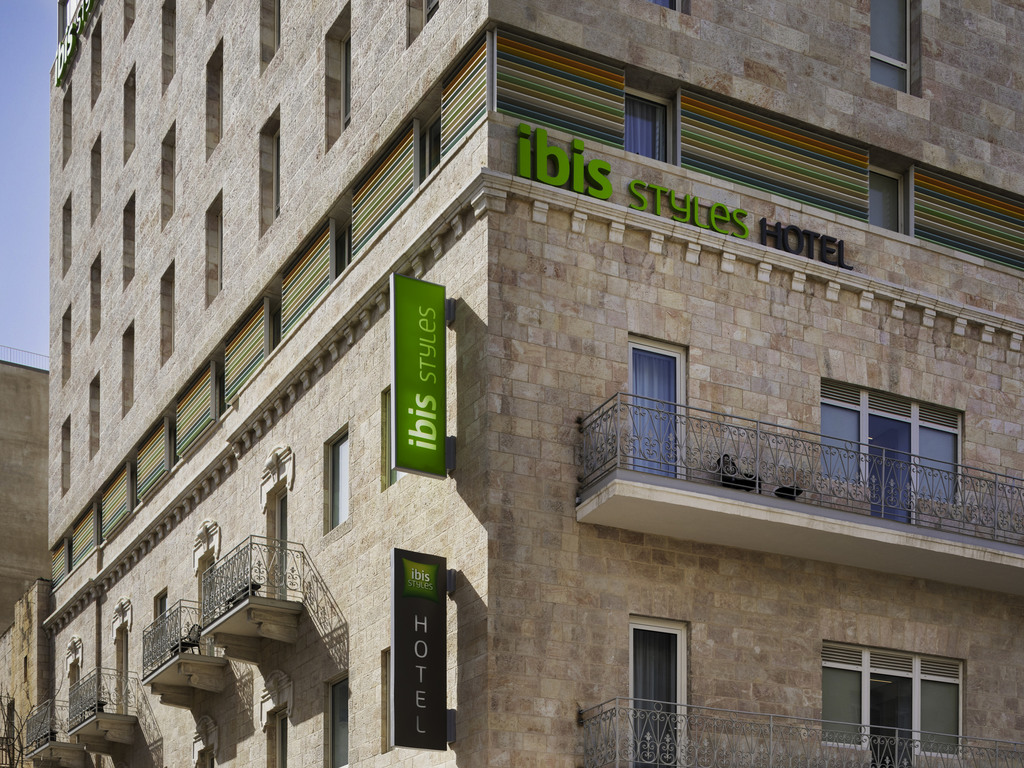
Meanwhile, Aharon Bernstein, CEO at Ibis Israel, a budget hotel chain with two hotels in Jerusalem, isn’t hopeful there will be too many tourist groups this summer, and certainly doesn’t expect large ones.
“We already have Israeli tourists who have always come and still are coming,” said Bernstein, who is opening an Ibis Styles hotel in Jerusalem. “But if it was a combination beforehand of tourists and Israelis, now it’s just Israelis.”
Where’s the staff?
Another issue hotels are dealing with is a lack of manpower. Many hospitality workers are still receiving furlough payments and aren’t interested in going back to work until that government benefit runs out at the end of June.
“That’s the trouble right now,” said Schnabel, who isn’t opening the Montefiore Bon Appetit restaurant to non-hotel guests because he doesn’t have enough staff.
When the pandemic hit and businesses were forced to close temporarily or cut back on staff, workers were put on furlough, or unpaid leave. The furloughed staffers could register with the Employment Services Agency and be immediately eligible for unemployment benefits.
The program was initially rolled out for two months and later extended through June 2021. The program, however, offers only all or nothing regarding employment; there is no option for remaining at work part-time.
“Everyone knows the government should have done a flexible furlough plan,” said Berkovits. “It could have really helped.”
At the American Colony, Berkovits expects to be paying staff for seven days a week on earnings equivalent to only two days a week.
“We may lose more money than when we were closed,” he said. “It’s difficult to see how we will make a profit, but we have deep pockets and have lasted through many crises in our 150 years of existence.”
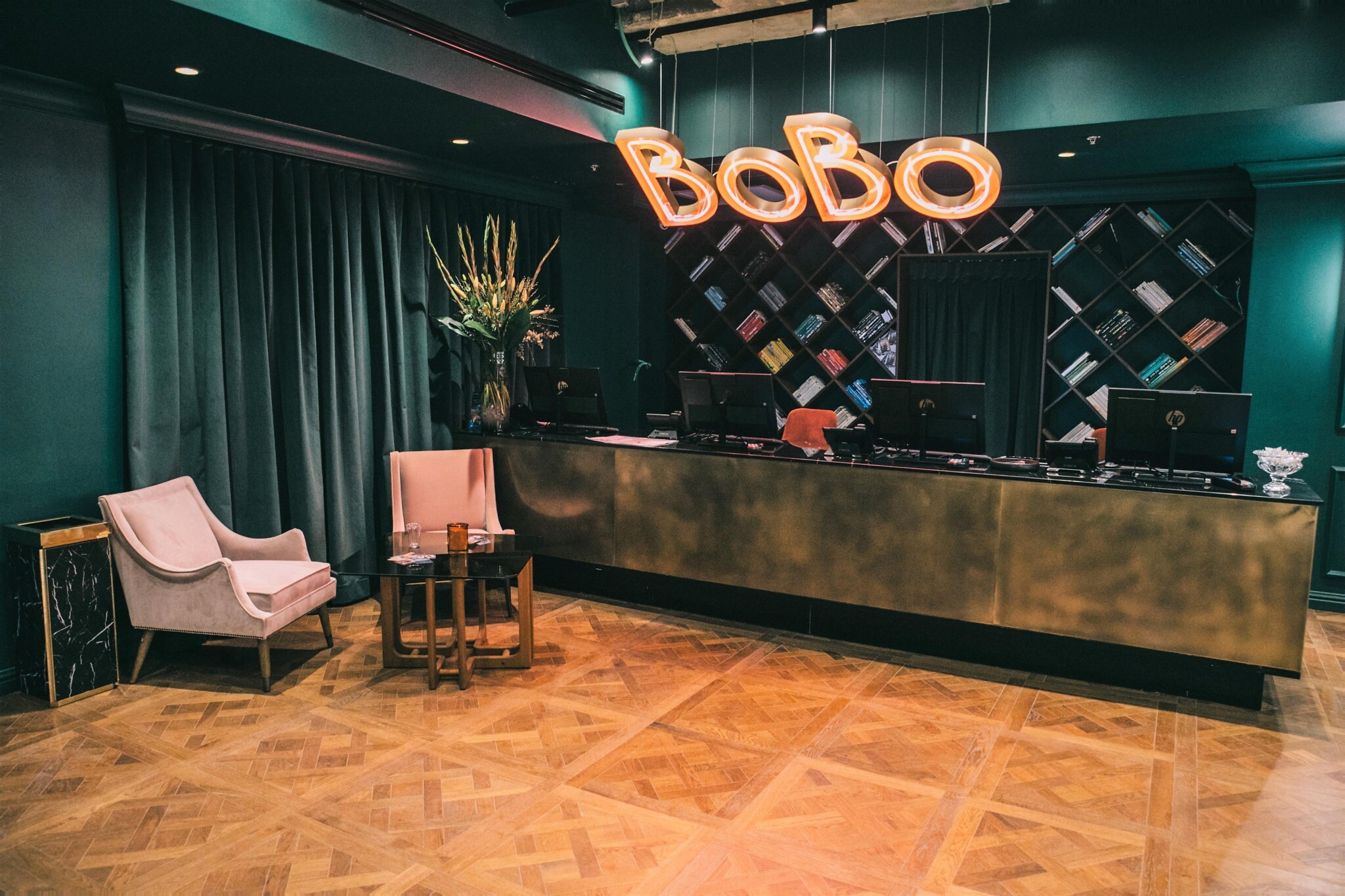
All of Tel Aviv’s Brown Hotels remained open as much as possible during the pandemic, said the chain’s founder and co-owner, Leon Avigad.
Now they’re all reopening, along with four new ones in Tel Aviv: the 200-room Hôtel BoBo on Rothschild, the 220-room Brown Brut on the beach, the 30-room Villa Brown TLV, and the 34-room Theodor, also on Rothschild. That’s in addition to the 46-room Brown JLM near Mamilla and the 115-room Brown Machneyuda near the Mahane Yehuda market.
“We expect the weekends to be quite busy, as they are now,” said Avigad. “Weekdays are a bit more challenging. There’s a limit to how many romantic couples can come during workdays.”
Avigad is also working to diversify the hotel group’s options by expanding overseas, particularly to Greece.
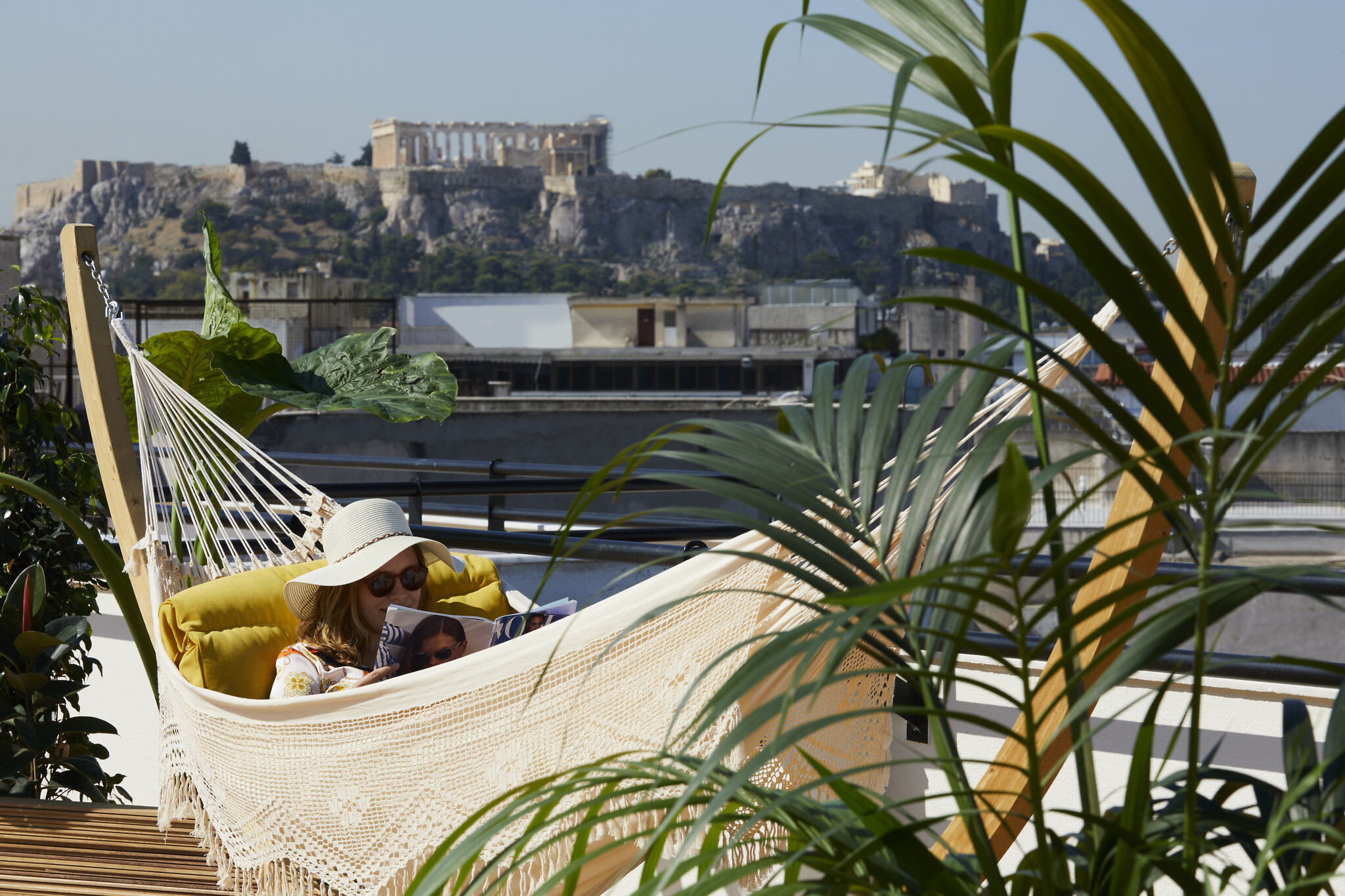
Known for its collection of mostly small but sleek boutique accommodations in Israel, plus one in Croatia, his hospitality group is working on 24 hotels in Greece, 11 of which are opening this year.
“Just as soon as the skies open, we will open our vacation hotels,” said Avigad.
“We offer a particular space in Greece because we bring things they don’t have,” said Oshri Deri, managing director at Brown Hotels. “They’ve had ten years of an economic downturn and we can renew the hotels for them.”
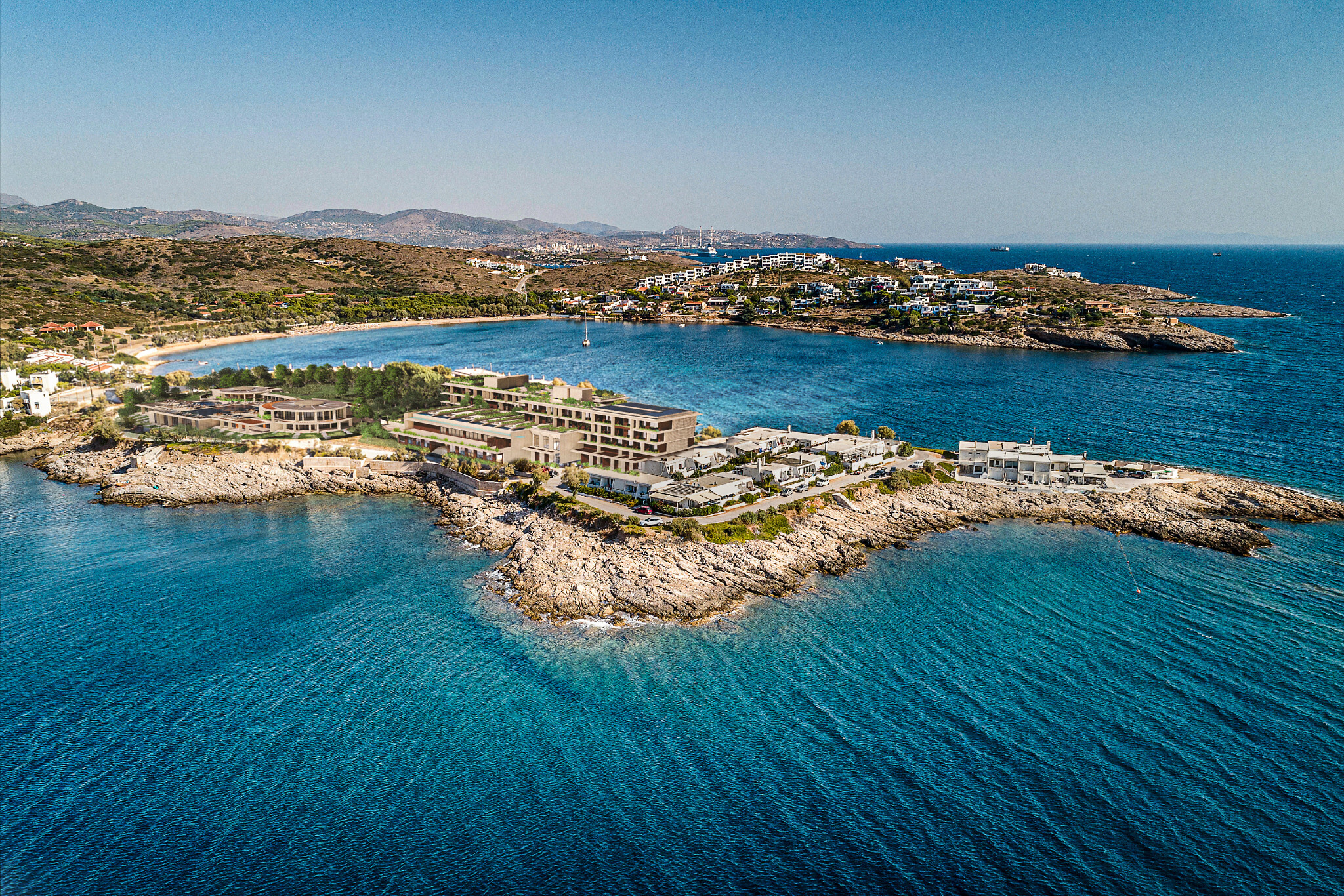
Avigad is hoping to double the 13.5% of Israeli tourism that normally travels to Greece, given the proximity to Israel and the fact that Greece is opening to tourism on May 10, with a careful coronavirus protocol for visitors.
“We trust that the system will operate correctly and we’re hoping to see more and more flights and more and more friends from Israel in Greece,” said Greek Tourism Minister Harry Theocharis, who spoke by Zoom last week to a group of reporters. “Tourism is something we do very well. We’re turning the page and moving forward.”
This article contains affiliate links. If you use these links to buy something, The Times of Israel may earn a commission at no additional cost to you.









The Times of Israel Community.