

Jewish prayer books reportedly allowed onto Temple Mount for first time
Worshipers say police permitted them to ascend with siddurim; right-wing journalist Arnon Segal posts photo of men praying at site while reading from the prayer books
 Add ToI as a Preferred Source on Google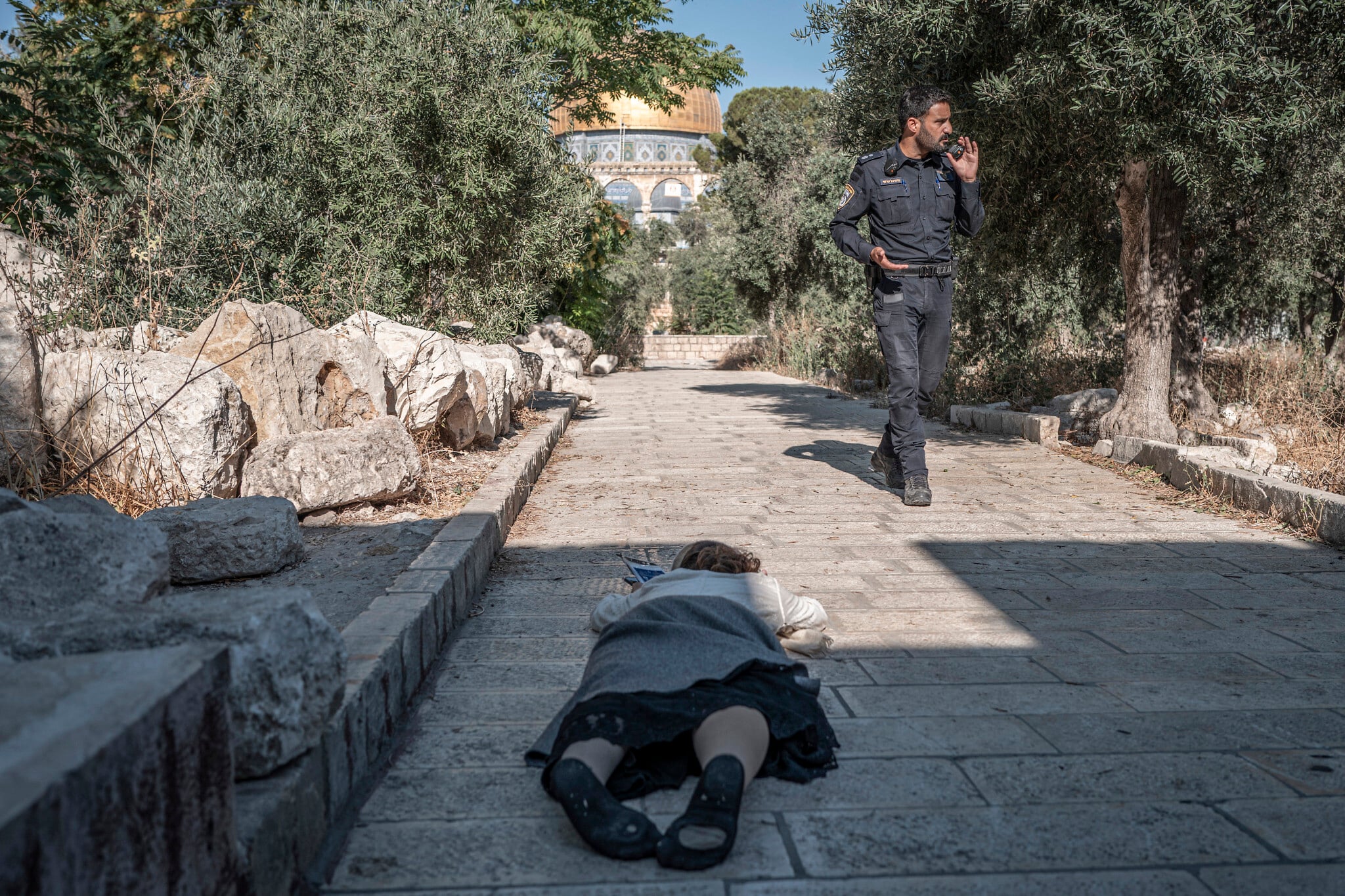
Jewish worshipers were reportedly allowed to use prayer books at the Temple Mount on Sunday, marking the latest in a series of blows to a status quo arrangement that bans non-Muslim prayer at the flashpoint Jerusalem holy site.
While in the past, police would eject or detain Jewish visitors caught praying on the Temple Mount, the policy has largely fallen to the wayside over the past three years under National Security Minister Itamar Ben Gvir, who has repeatedly demanded that police allow Jews to pray there.
On Sunday, Arnon Segal, a right-wing journalist and activist who seeks to expand Jewish religious freedom at the site, posted a picture of men praying on the Temple Mount while reading from siddurim, or books of Jewish liturgy.
In the photo posted Sunday, towels are seen on the ground in front of the men, indicating the inclusion of prostration in ritual worship on the esplanade, which was the home of the two ancient Jewish Temples.
“Still no explicit permit but a first try to make sure the Middle East doesn’t lose its mind over this,” Segal wrote, calling the event “historic.”
According to Haaretz, citing Segal and an unnamed activist, police allowed the visitors to ascend the site with the prayer books.
הבוקר בהר הבית: יהודים מתפללים עם סידורים. עדיין לא היתר גורף אבל ניסוי ראשוני במטרה לוודא שהמזרח התיכון לא יוצא מדעתו בגלל זה. היסטוריה pic.twitter.com/MduyD0YKmm
— ארנון סגל (@arnonsegal1) August 16, 2026
The Israel Police told Haaretz that the site is managed “in accordance with the instructions of the political leadership, standard practices at the site and based on an operational assessment.”
The Temple Mount, known to Muslims as the Haram al-Sharif, is the holiest site for Jews and the site of the Dome of the Rock and the Al-Aqsa Mosque, the third holiest shrine in Islam. It has been a frequent flashpoint for violence in the Israeli-Palestinian conflict.
Under a fragile agreement between Israel and Jordan established after the 1967 Six Day War, only Muslims are permitted to worship on the Temple Mount itself, while Jews pray at the Western Wall, revered as a remnant of the Second Temple. Israel maintains overall security at the site, but the Muslim Waqf administers religious activities there.
But that has drastically shifted since Ben Gvir took office.
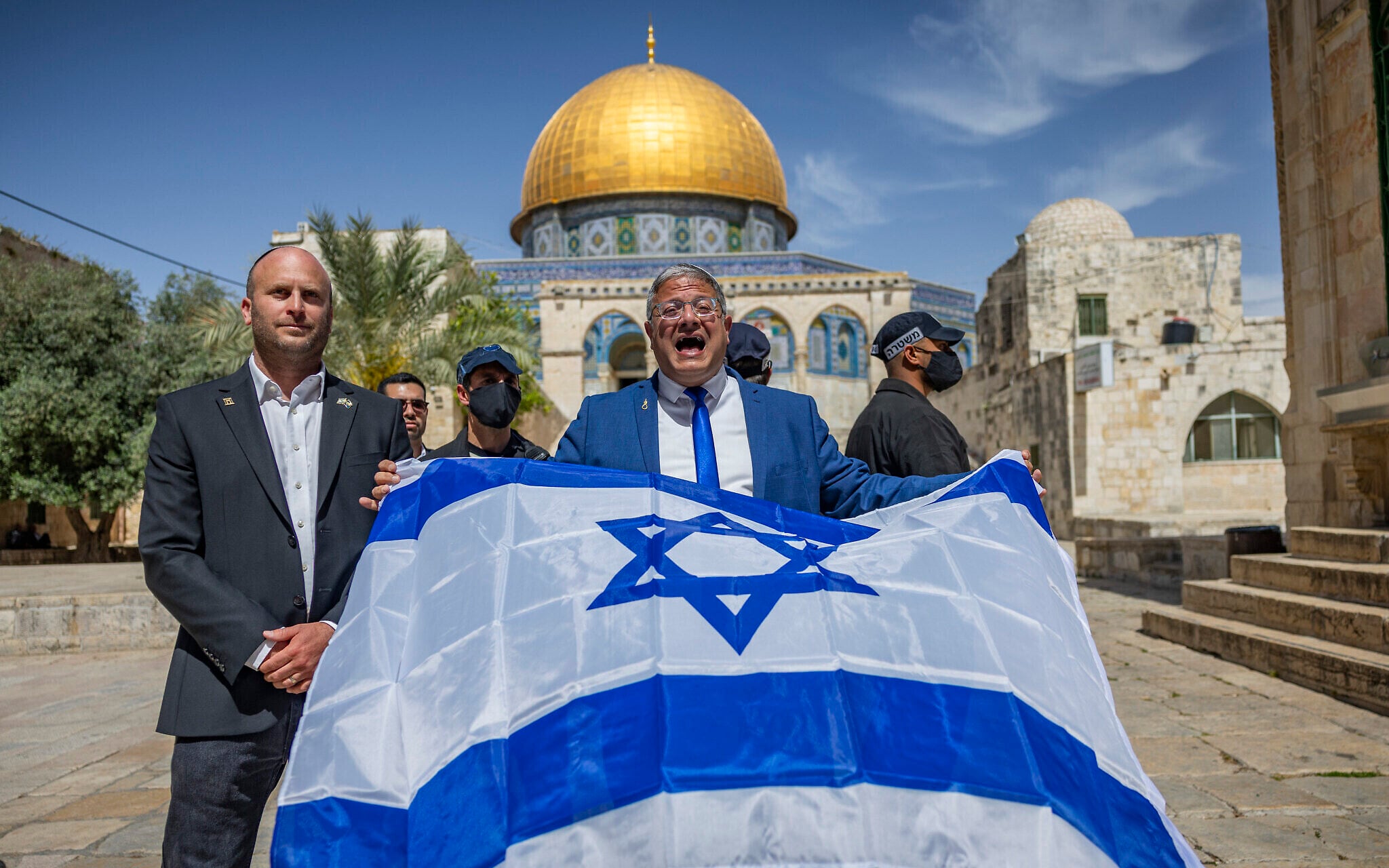
Ben Gvir has openly led prayers at Temple Mount, while the Israel Police first allowed printed prayer sheets in January. Jewish and Christian groups have gone to the site to sing and pray, with some even fully prostrating themselves on the ground without police intervention, despite the formal ban on Jewish prayer.
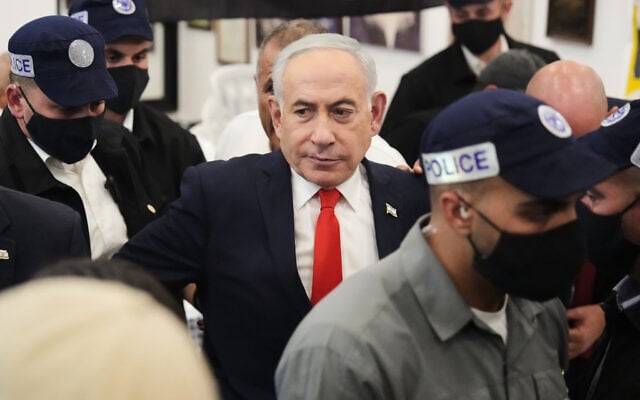
In response to Ben Gvir’s changes, which have provoked outrage in the Muslim world, Prime Minister Benjamin Netanyahu has frequently insisted that “Israel’s policy of maintaining the status quo on the Temple Mount has not changed and will not change.”



The Times of Israel Community.