

Less than 1% of complaints against soldiers in West Bank lead to charges, data shows
Few investigations opened, and decisions on whether to probe allegations are often long delayed even in cases of deadly shootings, research by Yesh Din organization finds
 Add ToI as a Preferred Source on Google
Jeremy Sharon is The Times of Israel’s legal affairs and settlements reporter
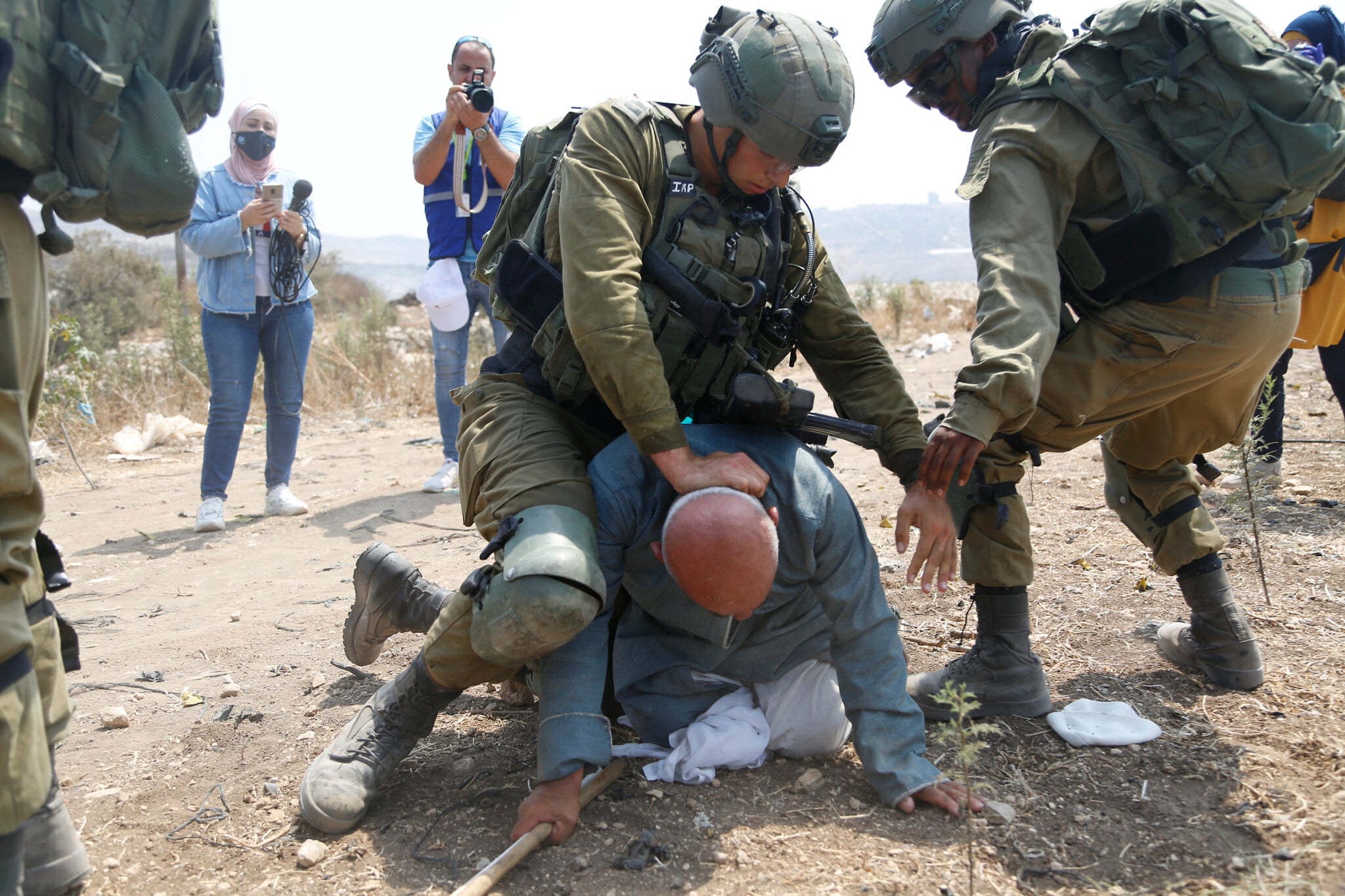
More than 99 percent of complaints of harm done to West Bank Palestinian civilians by Israeli soldiers in recent years were closed without indictment, according to data newly released by the Military Advocate General’s Office.
The data was obtained via a freedom of information request by the left-wing Yesh Din organization, which gave it exclusively to The Times of Israel.
Among the allegations of wrongdoing, most of which were never fully investigated, were 696 complaints over incidents in which Palestinians were killed by IDF action, as well as incidents in which civilians sustained life-altering injuries from gunshot wounds, suffered beatings, or had their property looted or damaged by IDF soldiers.
Yesh Din, which provides legal assistance to Palestinian civilians, also found that MAG regularly took longer than it should to look into claims of wrongdoing filed by the aid organization which, it charged, contributed to soldiers’ sense of impunity when dealing with Palestinians.
The IDF Spokesperson’s Unit declined to respond to a request for comment by The Times of Israel on this story. The military has in the past insisted that investigations are undertaken when soldiers are suspected of violating the law, and denies dragging its feet or allowing soldiers to act contrary to legal or ethical norms.
From 2016 to 2024, according to figures provided by MAG, a total of 2,427 complaints were filed by Palestinian residents of the West Bank against IDF soldiers.
Those complaints resulted in 552 investigations being launched, representing 21.6% of cases. Indictments were served in just 23 cases, 0.9% of the total number of complaints over nine years.
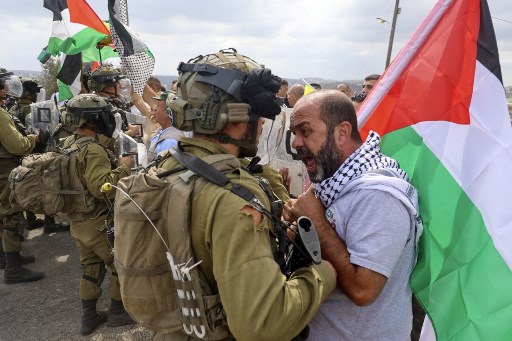
Of the 696 complaints filed to MAG in which a Palestinian was killed as a result of IDF action, 195 investigations were opened.
But just two of those investigations resulted in indictments, just 1% of such cases, one of which was the indictment against Elor Azaria who was caught on camera shooting dead a disarmed and seriously wounded Palestinian assailant.
According to IDF policy, complaints involving the killing of Palestinians in the West Bank must be immediately investigated, except in cases the army defines as “clearly part of a combat situation”, which Yesh Din says is a vague concept that frequently enables the army to refrain from launching an investigation.
International human rights organizations such as Human Rights Watch and Amnesty International, as well as Israeli civil rights groups like B’tselem and Yesh Din have long criticized what they say is a lack of accountability for IDF soldiers who act unlawfully against Palestinian civilians in the West Bank and the Gaza Strip.
Yesh Din also said that an analysis of the 185 cases it had been involved with from 2016 to 2025 showed that MAG had failed to adhere to the accepted timeframes for the three stages a complaint potentially goes through on the way to a possible indictment.
According to recommendations adopted by the security cabinet in 2016, prosecutors should take a maximum of 14 weeks to decide whether to open an investigation, nine months to conduct the investigation itself, and may take another nine months to decide whether to file an indictment based on the results of the probe.
Yesh Din said it took an average of 213 days, or about 30 weeks, for the first stage alone. The investigation phase exceeded the acceptable time frame in 47% of cases, and the decision on whether to press charges in 50% of the cases.
Still, the average time for the latter two stages only exceeded the accepted timeframe by a month each, according to Yesh Din.
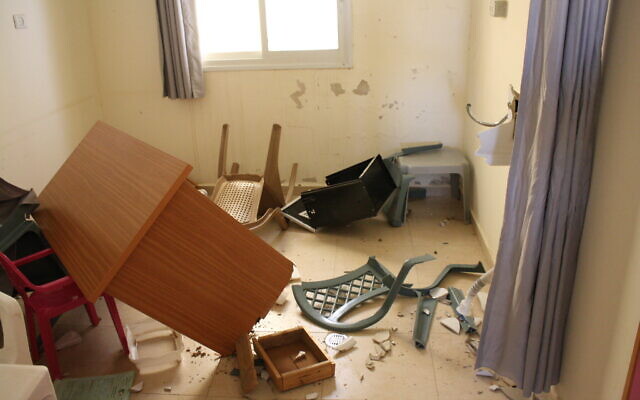
Particularly problematic were the 28 complaints filed by Yesh Din alleging that an IDF soldier killed a Palestinian civilian. In 11 of those cases, it took MAG more than 14 weeks to decide to open an investigation. In six cases it took between six and 12 months, and in two it took as long as two years.
Some probes were rendered ineffective due to complications arising from the time that elapsed, the organization said. It also charged that the rarity of punishments translated into IDF soldiers being able to act with impunity.
“The long wait until a criminal investigation is launched, and again until a decision is made following it, thwarts the investigations in practice, precluding any possibility that the military law enforcement system will penalize offenders and handle suspected violations of the laws of armed conflict,” Yesh Din said.

“By refraining from addressing complaints promptly, effectively and with due gravitas, the MAG Corps sends a clear message to soldiers that the army condones violence, beating, looting of property, wounding or even killing of Palestinians in the West Bank,” said the organization, which campaigns against Israeli control of the West Bank.
It cited one case in which it submitted a complaint on behalf of a Palestinian man who was in a cafe when he was shot in the eye with a rubber bullet by an IDF soldier, and had to have the eye surgically removed as a result.
It took MAG six months to decide to open an investigation into the incident, and the investigation itself lasted eight months. It then took a further 13 months for MAG to close the case without an indictment, telling Yesh Din, “There was no evidence that your client was injured as a result of intentional firing or unintentional shots carried out in violation of the rules for use of rubber bullets.”
In another case, Belal, a 27-year old resident of Beitunia, a suburb of Ramallah, was shot in the back by soldiers when he was visiting family in Deir Nidham, north of Ramallah in January 2020.
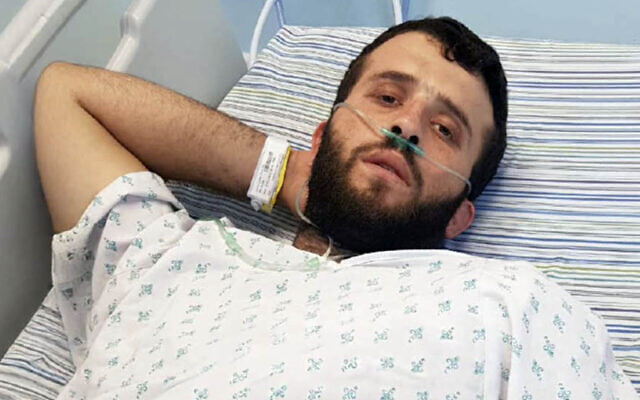
Belal filed a complaint through Yesh Din on March 9, but it took until September for MAG to decide to open an investigation. The investigation itself took six months ending, in March 2021 and it then took fully 19 months for MAG to make a decision regarding indictments.
Ultimately MAG decided in October 2023 to close the investigation without an indictment, despite what Yesh Din stated was strong evidence gleaned during the investigation that the soldier’s account of the incident was false. An appeal of the decision not to issue an indictment took 10 months to be evaluated, and was rejected.
The group warned that the failures raised doubts that MAG is able and willing to conduct credible investigations into allegations of war crimes by IDF forces in Gaza during the war with Hamas. Israel has in the past been able to fend off international tribunals into alleged war crimes by citing the seriousness of its internal investigations.
“By evading its duty to treat cases that violate the laws of armed conflict with due gravitas, as reflected in this data sheet, Israel undermines this semblance of law enforcement and opens the door to international intervention,” Yesh Din said.








The Times of Israel Community.