

Live updates (closed)
 Add ToI as a Preferred Source on Google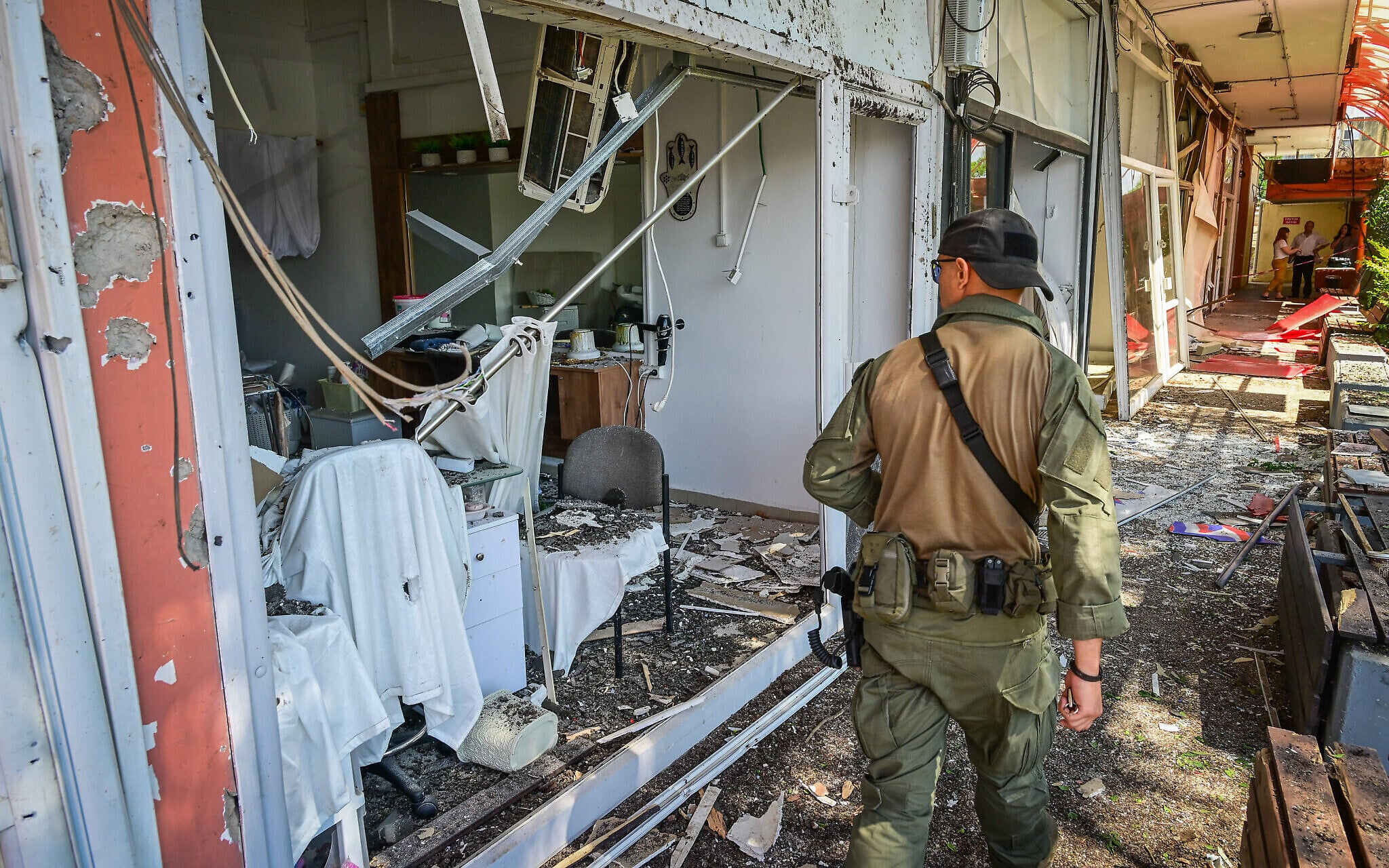
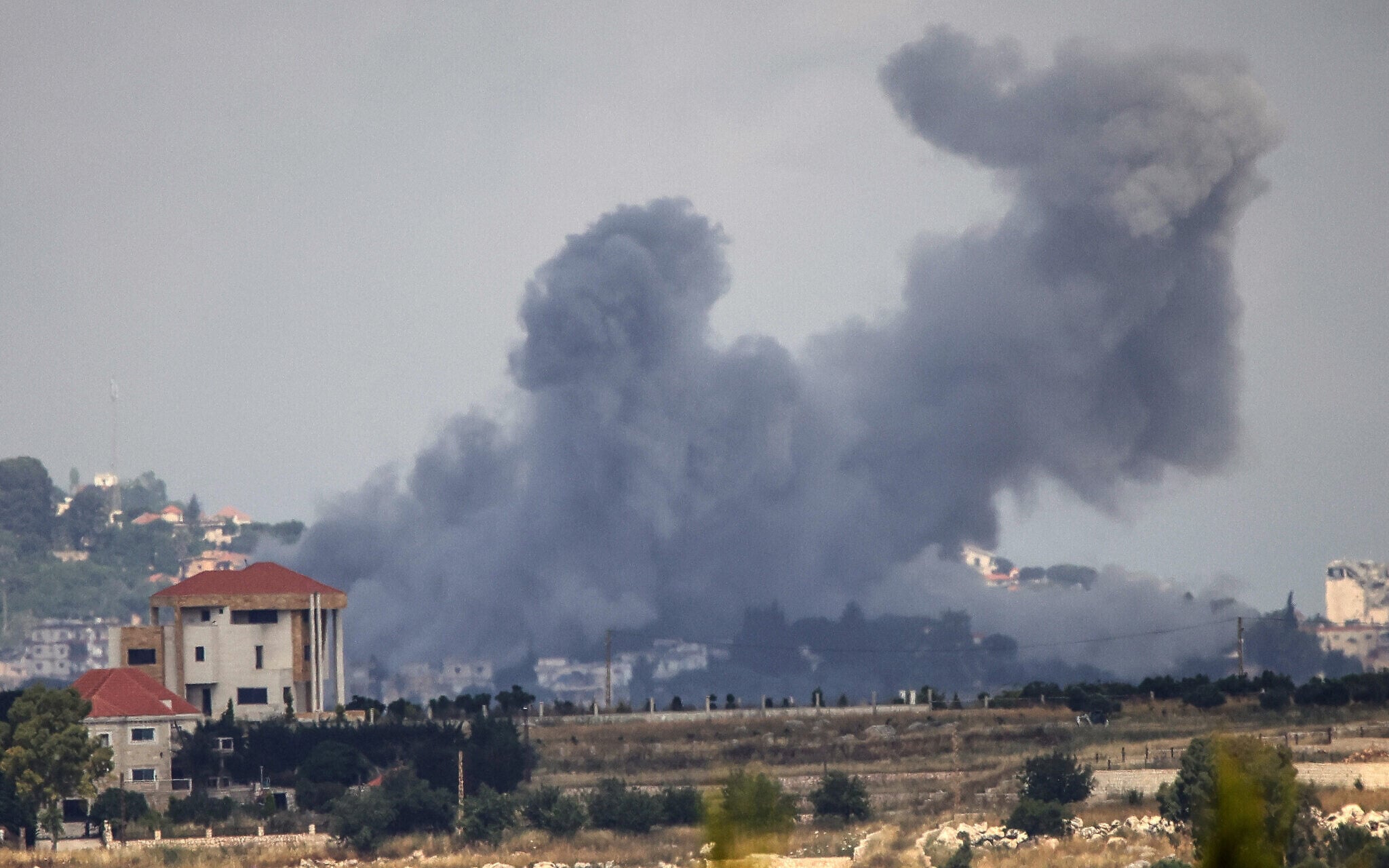
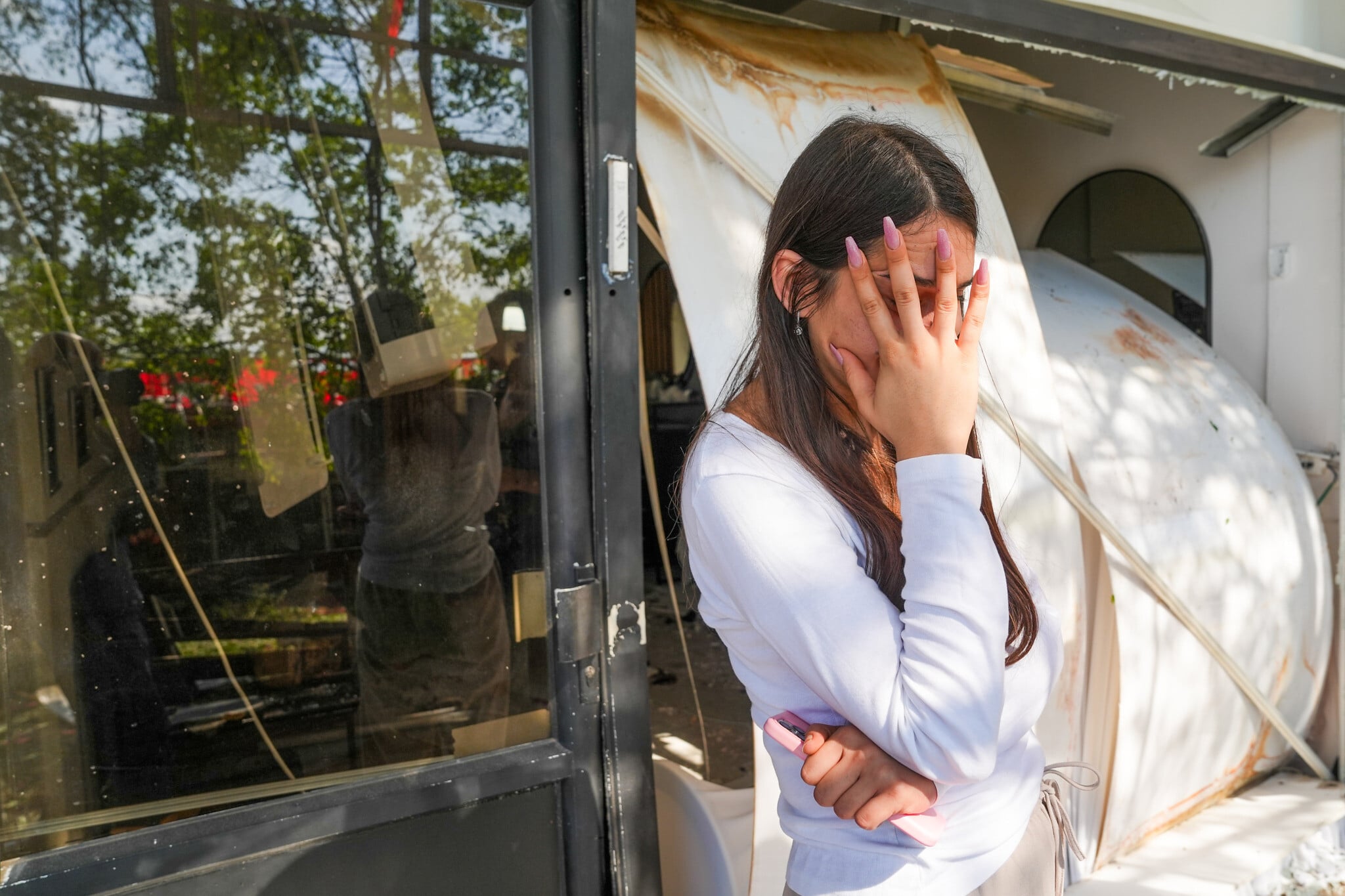
The Times of Israel liveblogged Saturday’s events as they happened.
Lebanon reports 11 killed Friday by Israeli strikes in Tyre
Israeli strikes in three areas of Tyre in southern Lebanon on Friday killed 11 people including a rescuer and a Syrian national, the health ministry says, without differentiating between civilians and combatants.
Eight people were wounded in the Israeli strikes on Hezbollah, including another rescuer, the ministry says, slamming the attacks as a “flagrant violation of humanitarian law.”
After meeting, White House stresses Trump will only back a deal that ‘satisfies his red lines’
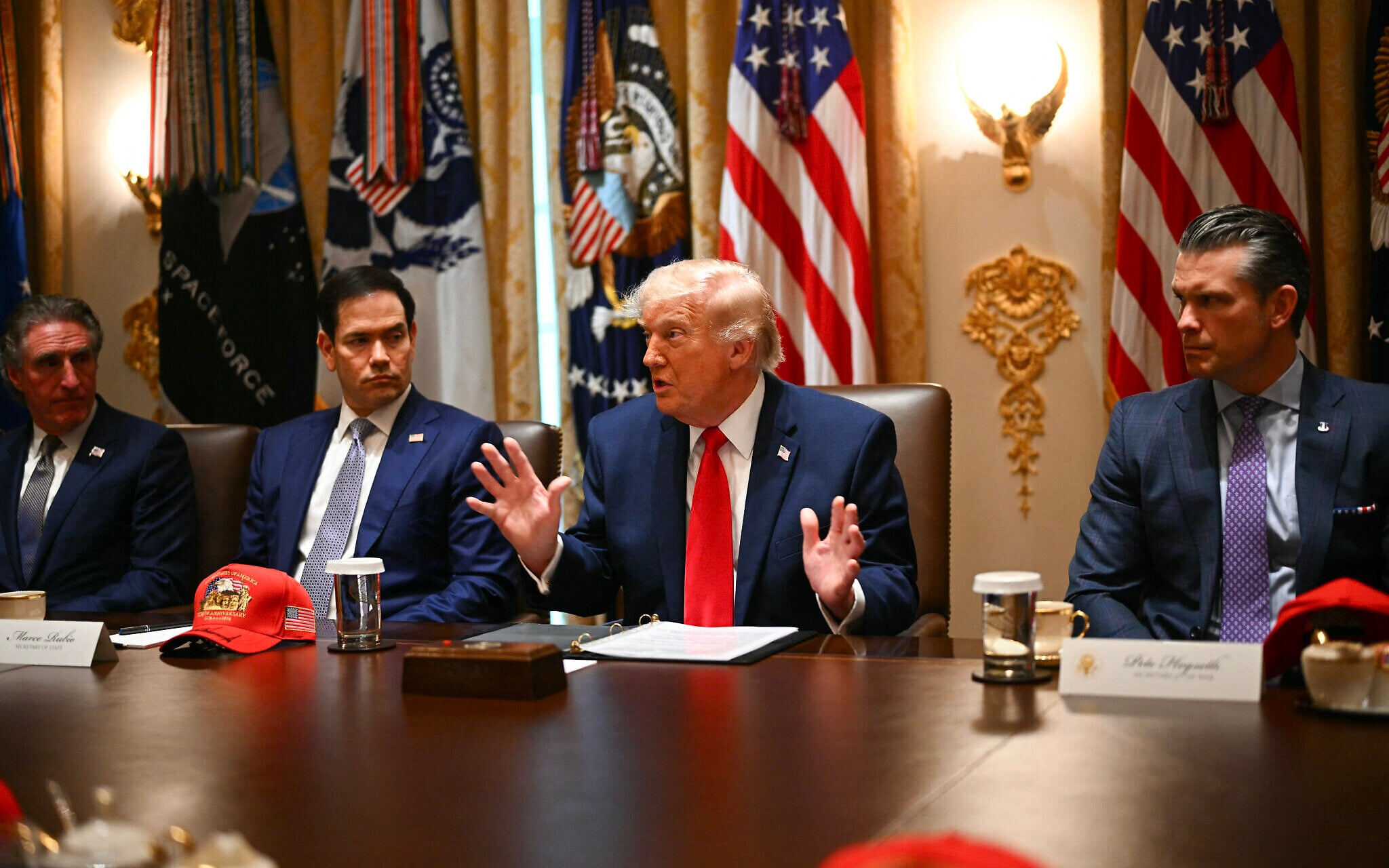
US Secretary of the Interior Doug Burgum (L), US Secretary of State Marco Rubio (2nd L) and US Defense Secretary Pete Hegseth (R) listen to US President Donald Trump speak during a cabinet meeting at the White House in Washington, DC, on May 27, 2026. (Kent Nishimura/AFP)
US President Donald Trump will only make a peace deal with Iran if it meets all his conditions, a White House official tells AFP after the US leader huddled with aides to discuss a possible agreement.
“The Situation Room meeting has concluded and lasted approximately two hours. President Trump will only make a deal that is good for America and satisfies his red lines,” the White House official said on condition of anonymity.
“Iran can never possess a nuclear weapon.”
Rocket warning sirens sound in Kiryat Shmona, several other towns near Lebanon border
Rocket warning sirens sound in Kiryat Shmona and several other northern Israeli communities near the border with Lebanon.
IDF says it downed 2 rockets fired from Lebanon
The IDF says that it intercepted two rockets fired from Lebanon at Israel, after warning sirens sounded in several northern communities near the border.
Rocket warning sirens again triggered in several communities near Lebanon
Rocket warning sirens again sound in several Israeli communities near the Lebanese border, with the IDF saying it’s looking into the matter.
IDF says it intercepted 2 more Hezbollah rockets launched at north
The IDF says it shot down two more rockets fired from Lebanon at Israel, shortly after Hezbollah launched another overnight attack targeting northern communities.
Pentagon hails ‘productive’ talks in DC between Israeli and Lebanese military officials
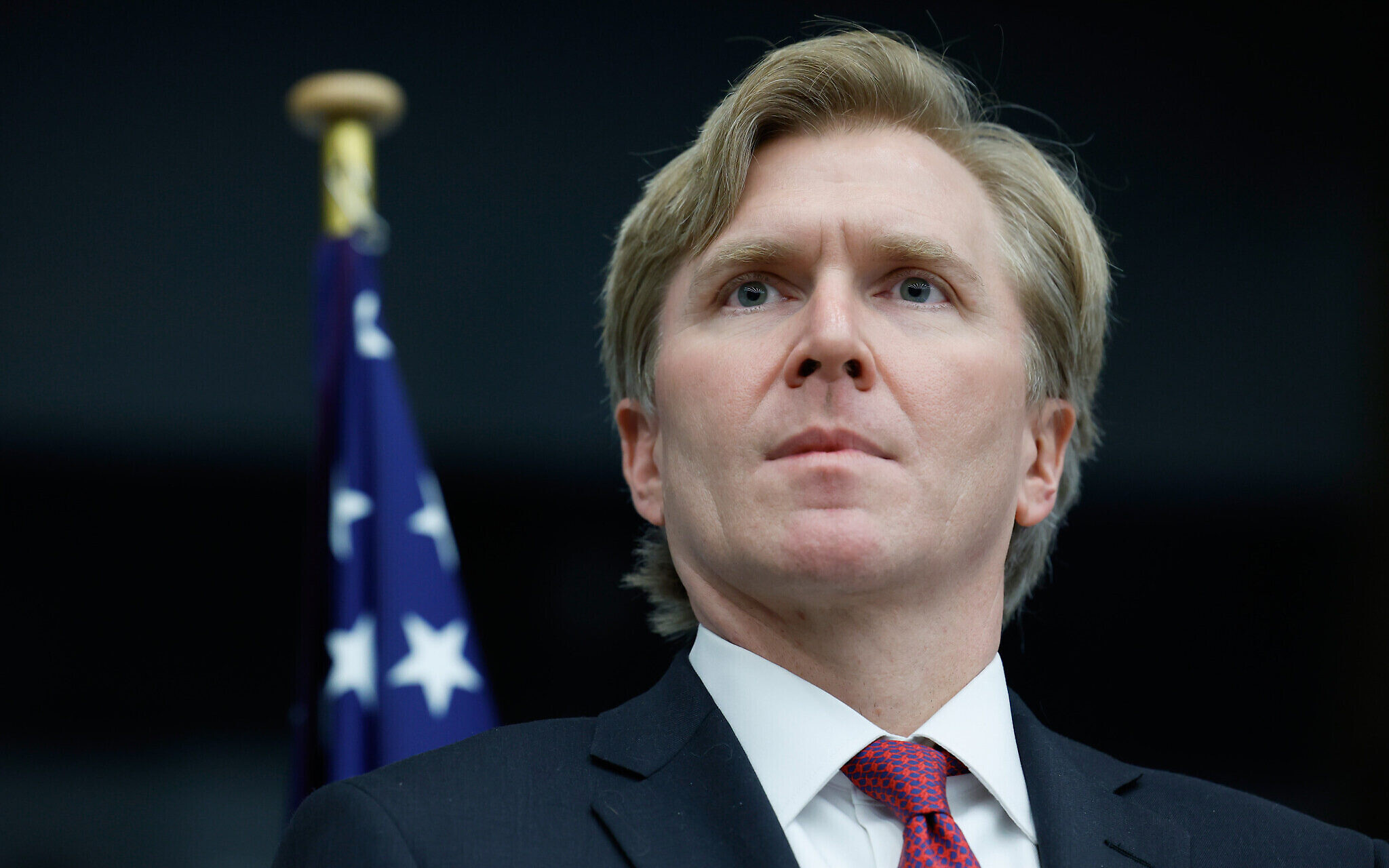
United States Undersecretary of Defense for Policy Elbridge Colby attends a meeting of the Ukraine Defense Contact Group at NATO headquarters in Brussels, February 12, 2026. (AP Photo/Geert Vanden Wijngaert)
Military officials from Israel and Lebanon held “productive” talks in Washington on Friday, a US official says, adding that the meeting will complement upcoming diplomatic discussions.
“Today at the Pentagon, I hosted military delegations from Israel and Lebanon for the security track supporting the ongoing peace talks between their two countries,” Elbridge Colby, the Pentagon’s second-in-command, says on X.
“We held productive military-to-military discussions which will inform the Department of State-led political track next week,” he says.
Sirens sound in Kiryat Shmona and nearby towns for third time since midnight
Sirens blare in Kiryat Shmona and several other northern communities for a third time since midnight, amid another apparent rocket attack by Lebanon’s Iran-backed Hezbollah.
IDF downs ‘a number’ of rockets from Lebanon, though one impacts in Kiryat Shmona; no injuries
The IDF says “a number” of rockets were fired from Lebanon into Israel, most of which were intercepted, though one impacts in the city of Kiryat Shmona.
No injuries are reported.
US ‘more than capable’ of resuming war against Iran, says Hegseth; believes Iranians will ‘give up their nuclear ambitions over time’

US Defense Secretary Pete Hegseth delivers his address during the Shangri-La Dialogue, Asia's annual defense and security forum, in Singapore, May 30, 2026. (AP Photo/Achmad Ibrahim)
The United States has more than sufficient stockpiles of weapons and is “more than capable” of resuming the war with Iran, Pentagon chief Pete Hegseth says in Singapore.
“Our ability to recommence if necessary is (that) we are more than capable, our stockpiles are more than suited for that, both there and around the globe because of how we balance exquisite and more plentiful munitions,” Hegseth tells Asia’s premier defense summit.
“Iran may not want to give up their nuclear ambitions, but we believe at the table they can and will over time, given the right set of incentives,” he also says at a press event.
Man shot dead in northern Druze town of Yarka
A man in his mid-20s has been shot dead in the northern Druze town of Yarka.
Police announce the launch of a murder probe as investigators look for evidence at the scene.
Warning sirens sound in several Upper Galilee towns, indicating Hezbollah attack
Rocket warning sirens sound in a number of communities in the Upper Galilee, amid another apparent attack from Lebanon by Hezbollah.
IDF says it downed another Hezbollah rocket; video shows earlier impact in Kiryat Shmona
The IDF reports the interception of another rocket fired at Israel from Lebanon, the fourth attack by Hezbollah overnight.
Video from Kiryat Shmona shows a rocket launched in an earlier salvo impacting in the city, resulting in damage but no injuries.
תיעוד הפגיעה בקריית שמונה
צילום: טופ ליין תקשורת pic.twitter.com/XOQ4Irbiza
— כאן חדשות (@kann_news) May 30, 2026
IDF says it destroyed rocket launcher that Hezbollah used to attack Israel overnight
The IDF announces that it destroyed a rocket launcher that Hezbollah used to target northern Israel overnight, sharing a video of the strike on its Telegram account.
Trump’s physician says the president is in ‘excellent health’ and is ‘fully fit’ to serve
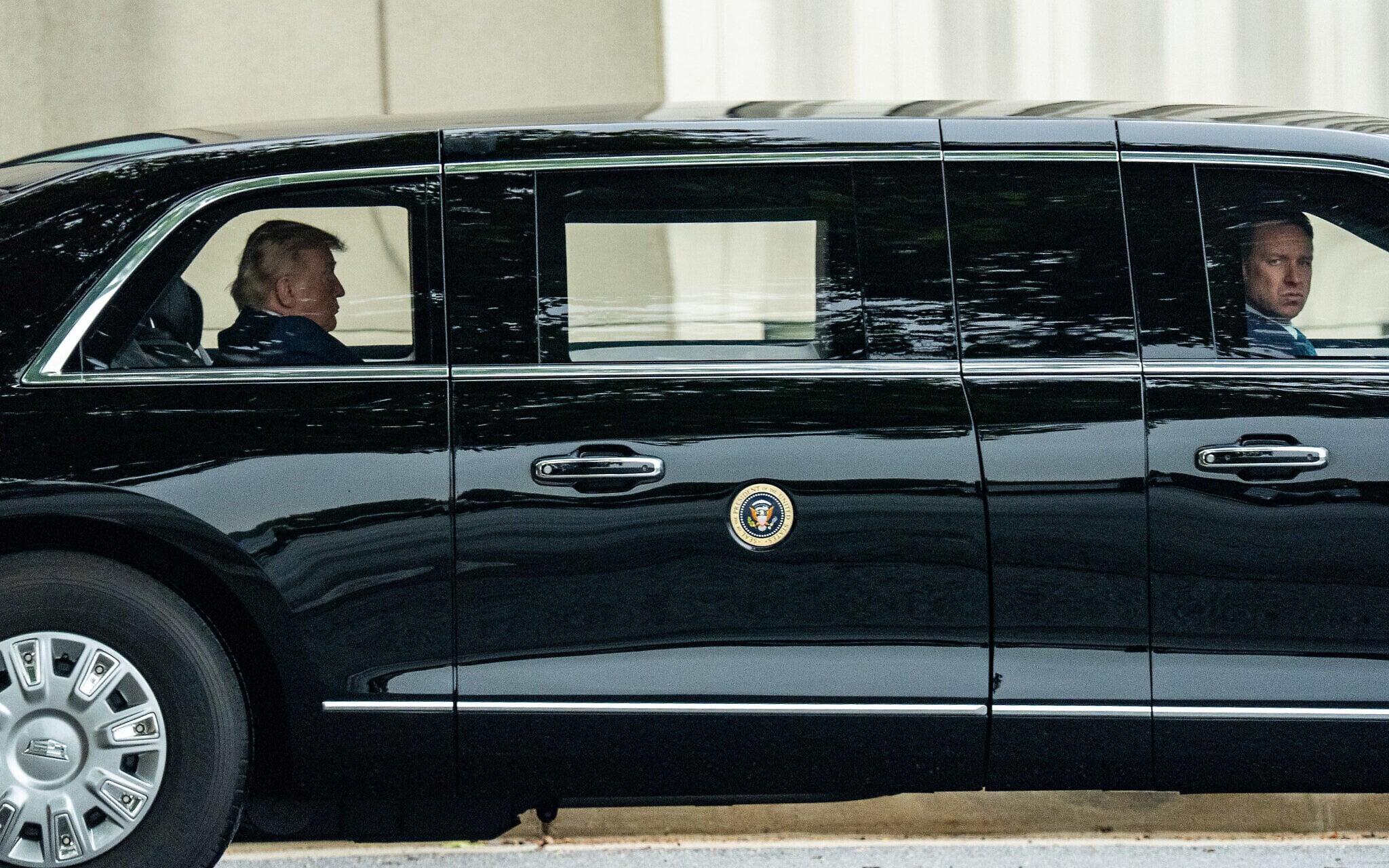
US President Donald Trump departs Walter Reed National Military Medical Center, May 26, 2026, in Bethesda, Maryland. (AP Photo/Alex Brandon)
Donald Trump’s physician says the US president is in “excellent health” and is “fully fit” to serve as commander in chief after a medical exam Tuesday at Walter Reed National Military Medical Center.
A report from Dr. Sean Barbabella says Trump underwent a CT scan and other heart imaging, along with cancer screenings and other preventative assessments carried out by 22 specialists.
Trump, 79, said after the three-hour visit Tuesday that everything checked out “PERFECTLY.”
The president weighed in at 238 pounds (108 kilograms), up 14 pounds (6 kg) from a medical exam in April 2025. His doctors gave him guidance on his diet, physical activity and weight loss, but concluded his “cognitive and physical performance are excellent.”
With his 6-foot, 3-inch (1.9-meter) frame, Trump has a body mass index of 29.7. An index of 30 is considered by doctors to be obese.
The report also documents bruising on Trump’s hands, explained as “minor soft tissue irritation related to frequent handshaking,” and said it was “a common and benign effect of aspirin therapy.” Among the recommendations was a switch to low-dose aspirin.
Last year the White House said Trump was diagnosed with chronic venous insufficiency, a fairly common condition for older adults that causes blood to pool in the president’s legs. The report from his latest exam noted “slight lower leg swelling” but said there was “improvement from last year.”
His doctor reports nothing abnormal, saying Trump demonstrated strong cardiac, pulmonary, neurological and overall health.
“His demanding daily schedule, including multiple high-level meetings, public engagements, and regular physical activity, continues to support his overall well-being,” Barbabella writes.
Trump was again given the Montreal Cognitive Assessment, which is used to screen for dementia and cognitive impairment. Trump’s doctors report he scored 30 out of 30, the same that was reported last year and in 2018.
Hegseth: European allies that don’t hike defense spending will see a change in ‘how we do business’

US Defense Secretary Pete Hegseth gestures as he speaks during the Shangri-La Dialogue, Asia's annual defense and security forum, in Singapore, May 30, 2026. (AP Photo/Achmad Ibrahim)
US Defense Secretary Pete Hegseth takes another swipe at Washington’s NATO and European partners, saying those that do not hike defense spending sufficiently “will face a clear shift in how we do business.”
“For too long, polite pleas from our European allies to spend more on their own defense fell on deaf ears,” Hegseth says at the annual Shangri-La Dialogue conference in Singapore.
“They are finally playing catch-up,” he says. “Allies who refuse to step up and carry their own weight for our collective defense will face a clear shift in how we do business.”
NATO members pledged last year to ramp up defense-related spending to five percent of GDP but, despite increased efforts, many states say they may not be able to reach that target.
In Asia, Hegseth reiterates that the region’s security has “rested disproportionately on American military power, while many of our allies and partners allowed their own defense capabilities to atrophy.”
Many countries in the Asia-Pacific region were indeed stepping up, Hegseth says, using South Korea as a particular example.
“South Korea has invested consistently in its own defense, because it does not have the luxury of treating war like an academic exercise,” he says. “They live on the front lines, and so they build real combat power.”
This “reflects simply a clear-eyed understanding of the threat environment,” Hegseth says.
He also praises the spending policies of other countries including Australia, the Philippines and Japan.
“You don’t have a strong alliance unless everyone has skin in the game. No freeloading,” Hegseth says.
Hegseth agrees when asked by a New Zealand delegate whether he considers the Pacific island nation’s plan to increase defense spending from one to two percent to be “freeloading.”
“If I’m being honest, two percent is not enough, and so two percent is freeloading,” Hegseth says. “I don’t have anything against New Zealand, (but) I want partners to step up.”
IDF issues evacuation warnings for seven areas in south Lebanon ahead of strikes on Hezbollah
The IDF calls on residents to flee seven southern Lebanese localities ahead of strikes on Hezbollah.
Residents of Mayfadoun, Choukine, Zebdine, Ansar, Zrariyeh, Mazra’at Kawthariyat ar Ruzz and Machghara are urged to flee north of the Zahrani River.
“In light of the terrorist Hezbollah’s violation of the ceasefire agreement, the IDF must work forcefully against it. The IDF does not want to hurt you,” IDF Arabic spokesman Col. Avichay Adraee says on X. “Anyone who is present near Hezbollah’s operatives, sites or weapons is in danger.”
Settlers filmed stoning home and smashing car in Palestinian village south of Nablus
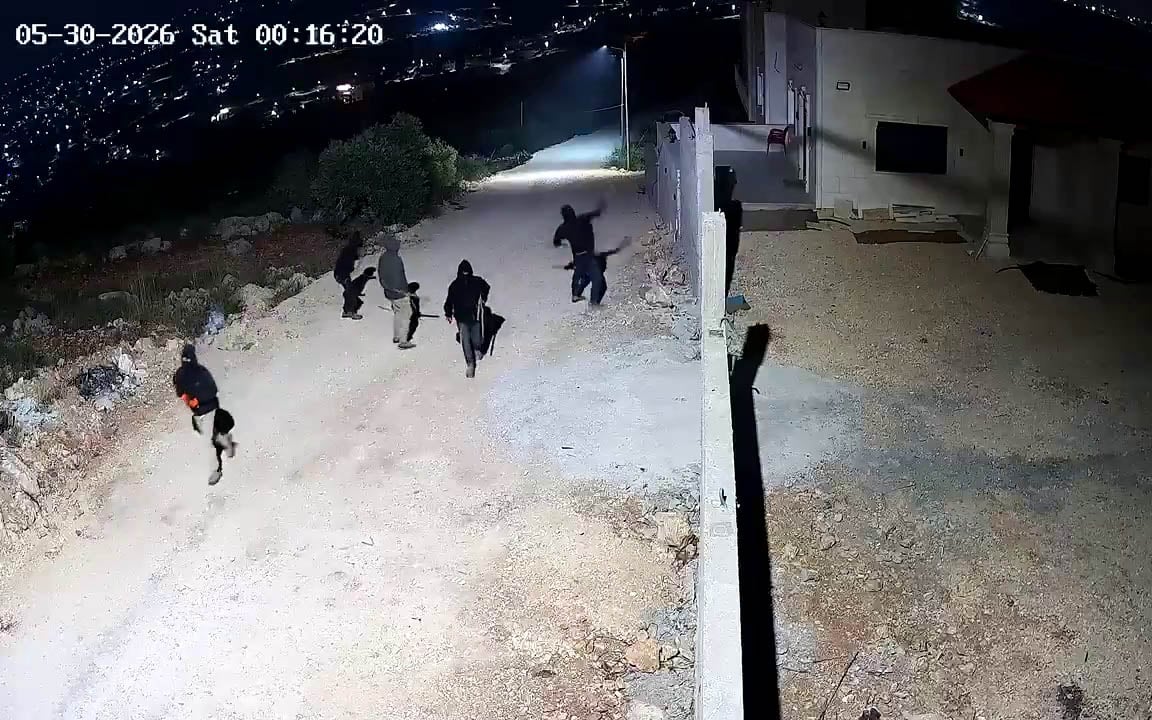
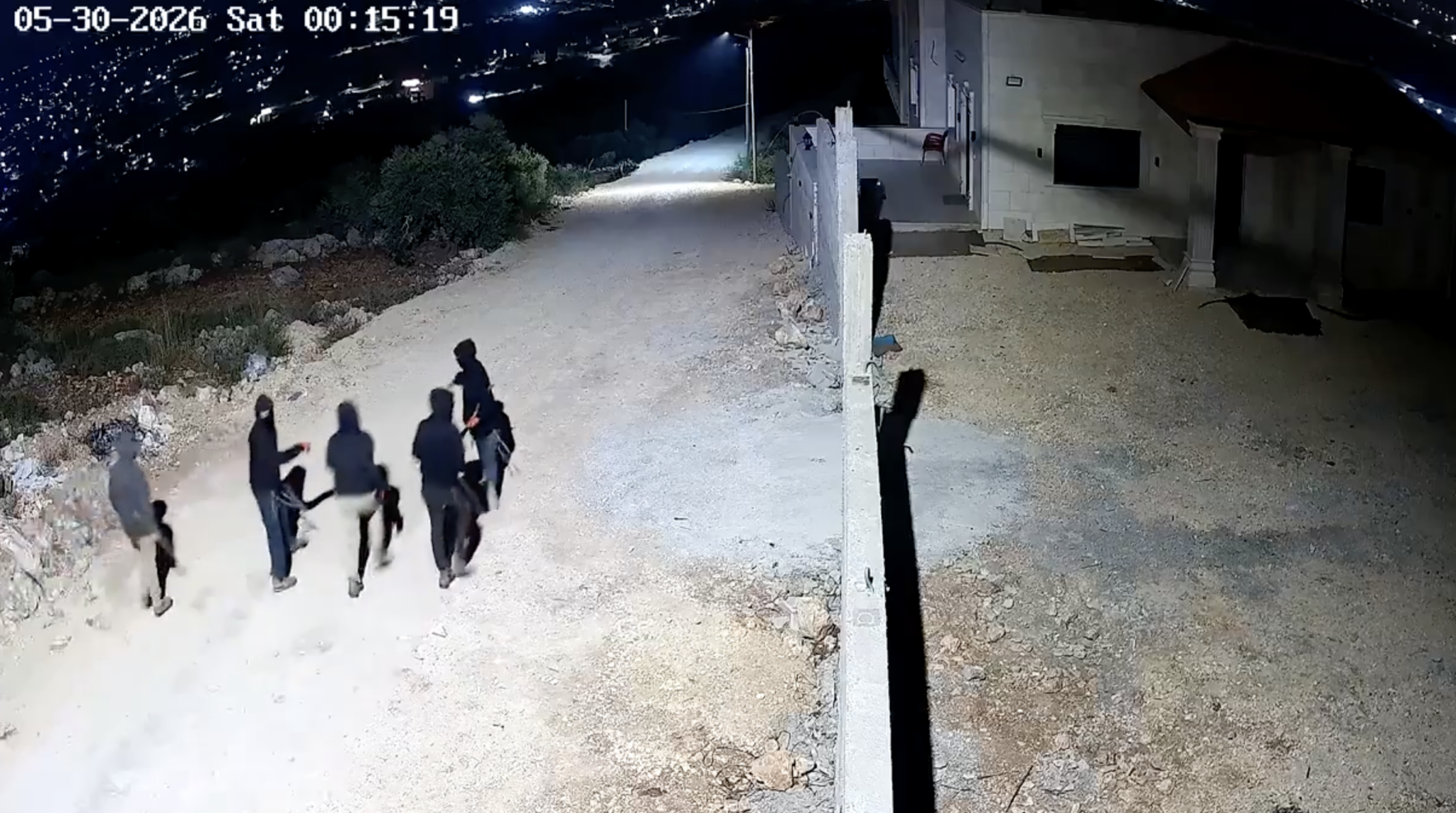
Five settlers are seen on security camera footage captured early on May 30, 2026, as they attack a home on the outskirts of the Palestinian town of Beita, south of Nablus in the northern West Bank. (Screen capture: X, used in accordance with Clause 27a of the Copyright Law)
Settlers hurled stones at a home and smashed the windows of several cars overnight in the Palestinian town of Beita, south of Nablus in the northern West Bank, according to WAFA, the Palestinian Authority’s official news agency.
Palestinian media publishes security camera footage timestamped to fifteen minutes past midnight that shows five people clad in dark hoodies wielding clubs and throwing rocks at a home on the outskirts of the town.
Threads of tzitzit, a ritual Jewish undergarment, peek out from under some of the attackers’ hoodies.
لحظة هجوم المستtوطنين على منطقة جبل بئر قوزا في بلدة بيتا جنوب نابلس واعتدائهم على منازل و ممتلكات المواطنين ليلة أمس . pic.twitter.com/7tuWFS7BkY
— فلسطين بوست (@PalpostN) May 30, 2026
Other footage captured on a hand-held camera shows the attackers smashing a car parked outside a home as people yell.
At least two cars were vandalized, according to the footage.
عدد من المستوطنين يقتحمون منطقة جبل بئر قوزا في بلدة بيتا جنوب نابلس بالضفة الغربية ويحطمون مركبات فلسطينيين#فيديو pic.twitter.com/LzFSqVrFM2
— قناة الجزيرة (@AJArabic) May 30, 2026
Laborer, 67, in moderate condition with head wound after 10-foot fall in Haifa, medics say
A 67-year-old laborer is in moderate condition after falling from a height of three meters (10 feet) during work at a business in Haifa, the Magen David Adom ambulance service says.
The laborer was taken to Haifa’s Rambam Hospital with a head wound, MDA says.
US never confirmed Iran put mines in Hormuz, contradicting Trump’s claims — report
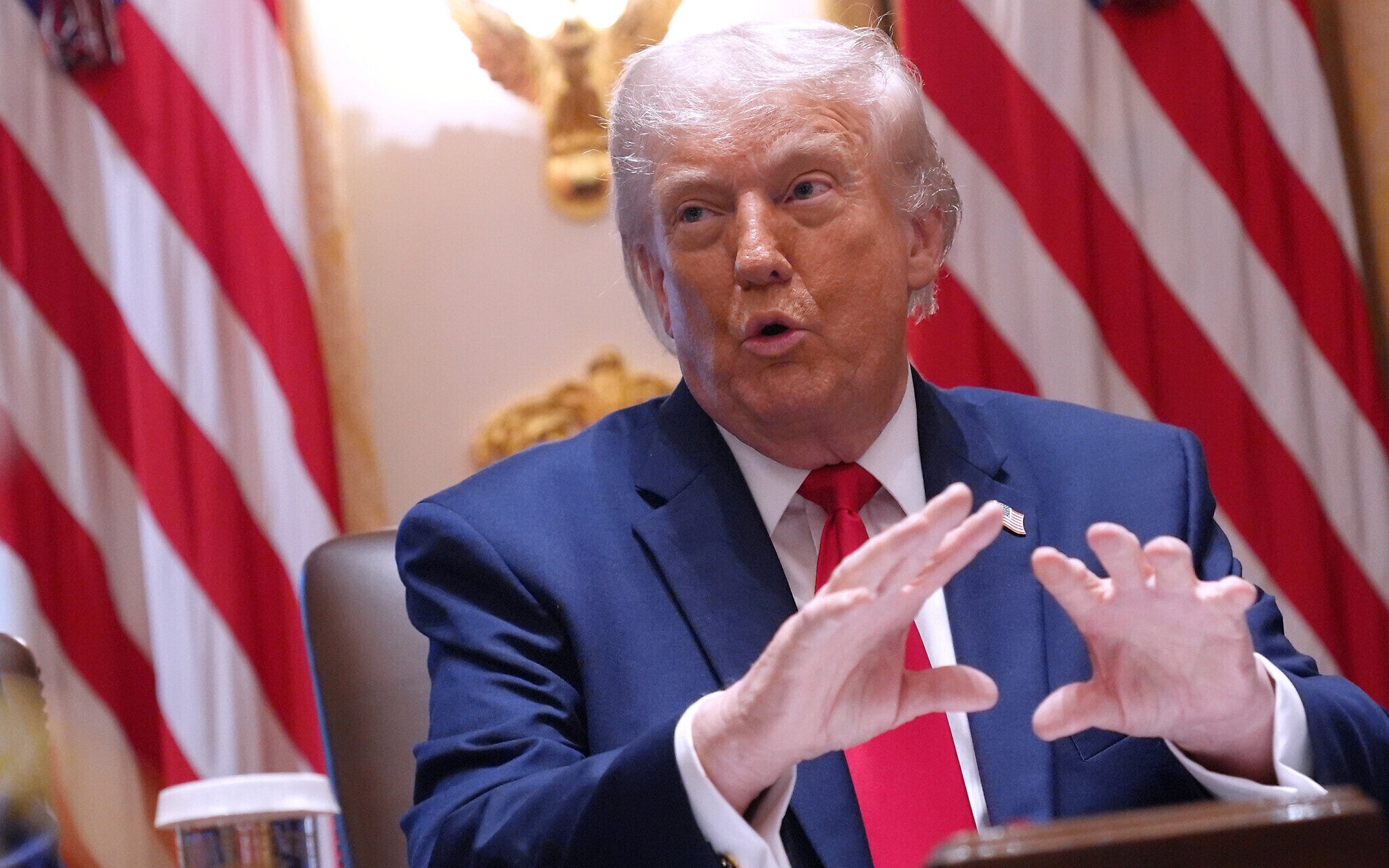
US President Donald Trump speaks during a cabinet meeting at the White House in Washington on May 27, 2026. (AP Photo/Jacquelyn Martin)
Washington has not confirmed that Iran placed mines in the Strait of Hormuz, despite US President Donald Trump’s claim yesterday that Iran had committed to remove what few mines the US has failed to clear, NBC reports, citing two US officials and a person familiar with the matter.
According to the report, US and allied countries’ intelligence suggested early in the war that Iran was mining the strait, but underwater sweeps by the US failed to turn up anything that could be definitively identified as a mine.
“If anything, the threat has been far less robust than we had feared,” the person familiar with the matter is quoted as saying.
Ukrainian drones strike Russian tanker and oil depot overnight, authorities say; no spill reported
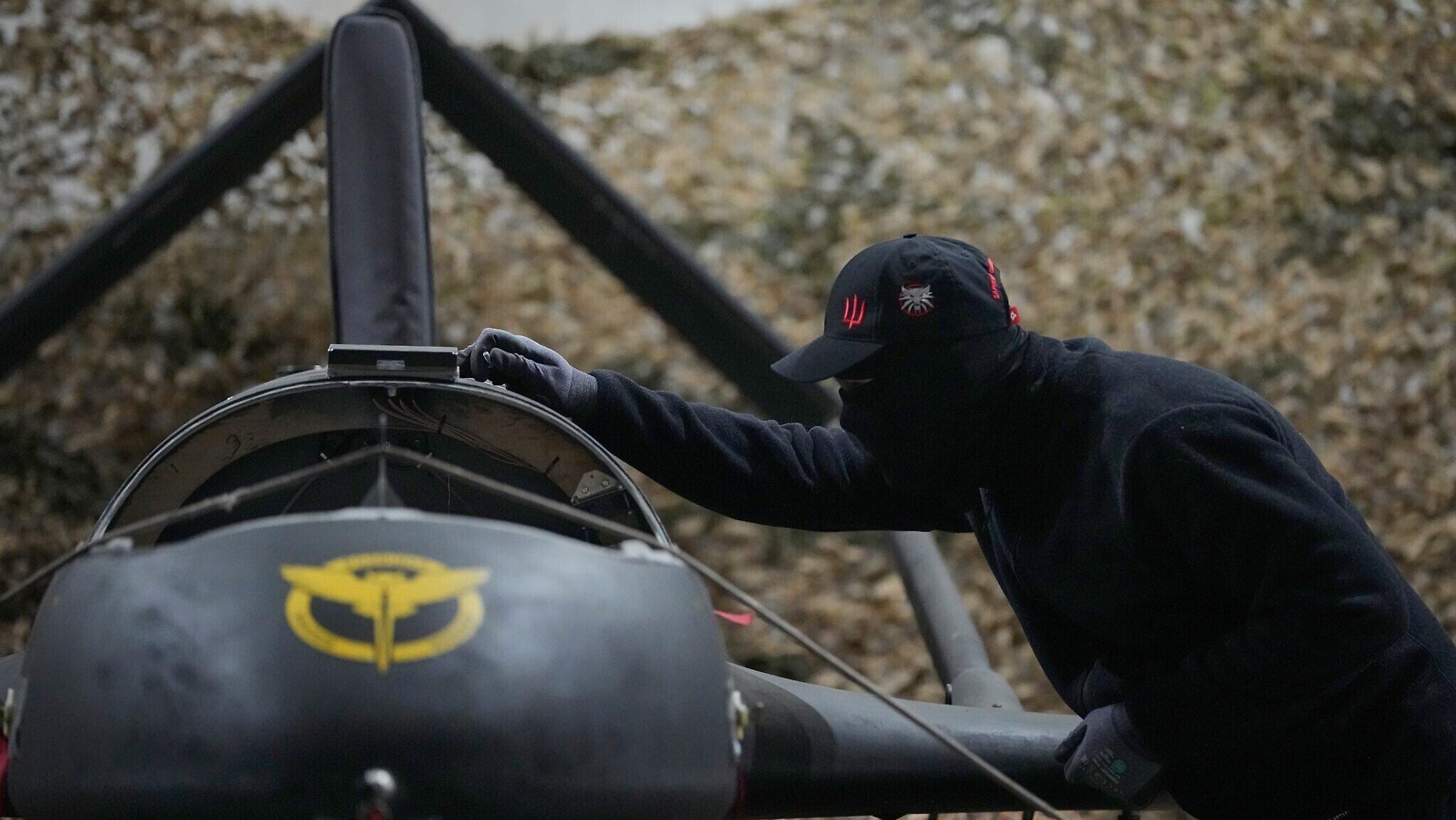
Illustrative: A serviceman of Ukraine's defense intelligence prepares an An-196 Liutyi (Fierce) one-way drone against Russia in an undisclosed location in Ukraine late on May 28, 2026. (AP Photo/Efrem Lukatsky)
MOSCOW, Russia — Ukrainian drones struck a tanker at Russia’s port of Taganrog overnight and hit an oil depot in the city of Armavir, authorities in the southern regions of Rostov and Krasnodar say.
Rostov region Governor Yury Slyusar says on Telegram that fires on the tanker and in the port of Taganrog — a city of about 240,000 — have been extinguished, with no oil spill reported. Two people were injured, he says.
The city’s mayor, Svetlana Kambulova, says a local state of emergency, introduced on May 27, had been extended.
In the neighboring Krasnodar region, authorities in Armavir, which has a population of 185,000, say a fire at an oil depot in the city’s industrial zone has been brought under control and that there are no injuries.
Rostov governor Slyusar says almost 50 drones have been downed in the region, with attacks reported across the province, which borders Ukraine’s Donbas, the focus of fighting between Russia and Ukraine.
Outside Taganrog, he says, only minor damage was reported.
Motorcycle driver killed in accident on Route 1 near Lod in central Israel, medics say
A motorcycle driver was killed in an accident this morning on Route 1, next to the Lod Junction in central Israel, the Magen David Adom ambulance service says.
The roughly 40-year-old driver was pronounced dead on the scene, and his motorcycle was totaled, MDA says.
Separately, a roughly 30-year-old man riding an electric bicycle was moderately injured this morning in an accident on Tel Aviv’s Herzl Street, the service says, adding that he was taken to the city’s Ichilov Hospital.
Truck carrying Afghan refugees from Pakistan overturns, killing 18, officials say
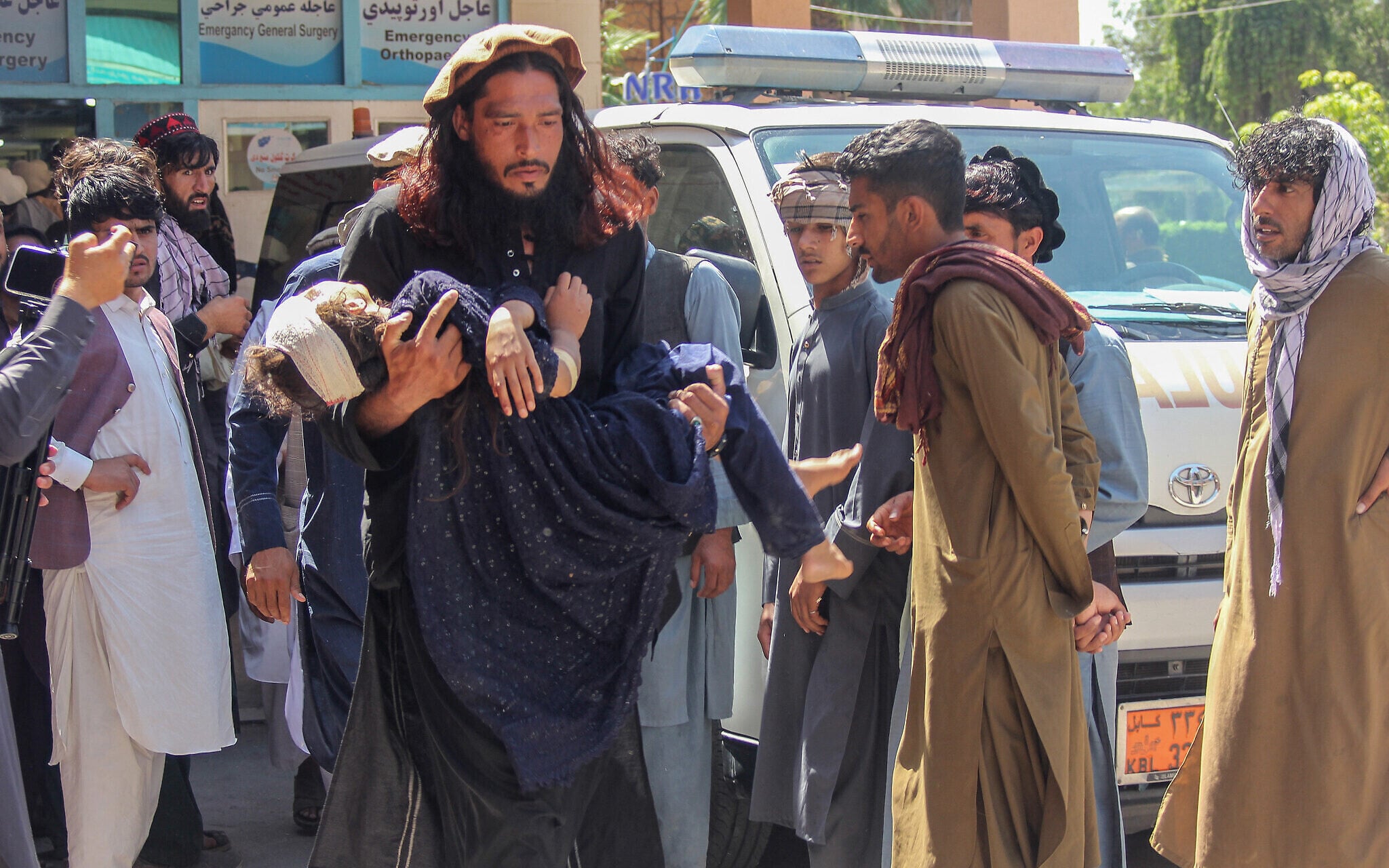
A man carries an injured girl to a hospital for treatment after a truck carrying Afghan families overturned in Jalalabad, Afghanistan, on May 30, 2026. (Aimal Zahir / AFP)
KABUL, Afghanistan — A truck carrying Afghan refugees returning from neighboring Pakistan overturned on a highway in eastern Afghanistan today, killing at least 18 people and injuring 35 others, most of them women and children, officials say.
The accident occurred in Laghman province on the main highway linking Kabul, the Afghan capital, with Nangarhar province, says Abdul Malik Niazai, the spokesperson for the provincial governor.
He says among the dead were 10 children and five women and the injured were taken to hospitals in Nangarhar for medical treatment.
Zabihullah Mujahid, the Taliban government spokesperson, expresses his sorrow over the incident and offers condolences to the victims’ families.
Traffic accidents are common across Afghanistan, where roads are poorly maintained and drivers routinely ignore traffic regulations.
The passengers were among thousands of Afghans who recently returned from Pakistan, which launched a crackdown on undocumented migrants in 2023 and has since deported or pressured many to leave. Iran also intensified expulsions of Afghan migrants around the same time.
Since then, millions of Afghans have returned home from the two countries, including many who were born in Pakistan and had spent decades living and working there.
Italy bans Kanye West concert after Jewish community raised concerns

Ye, the rapper formerly known as Kanye West, leaves federal court during the trial of Sean 'Diddy' Combs in New York, June 13, 2025. (AP/Michael R. Sisak)
ROME, Italy — Italy has banned a concert involving US rapper Kanye West due to take place in July in the northern city of Reggio Emilia following appeals from the local Jewish community and a consumer group, authorities say.
Authorities also scrapped a planned July concert in Reggio Emilia featuring US rapper Travis Scott, who has faced scrutiny over safety at his concerts since a 2021 crowd crush at the Astroworld festival in Houston that killed 10 people and injured hundreds.
Scott had been due to perform at the “Pulse of Gaia Festival” on July 17 at the 103,000-seat RCF Arena, with West scheduled to appear the following day. There is no immediate comment from Ye, Scott or the event organizers in Italy.
The local prefect, Salvatore Angieri, ordered the cancellations because of concerns over public order and security, including the potential for protests.
Angieri says the decision was taken following requests from consumer group CODACONS and the Jewish community in Modena and Reggio Emilia, which had raised particular concerns about West.
Authorities cite the close timing of the two shows and the high influx of spectators expected within 24 hours as factors behind the ban. They also point to the cancellation of other concerts by West in Europe and the “concrete risk” of protests.
West, also known as Ye, has faced a wave of cancellations across Europe this summer following years of antisemitic remarks, including statements praising Adolf Hitler and the release of content using Nazi imagery.
The rapper has apologized for his past remarks and claimed they were linked to untreated bipolar disorder. He continues to perform in countries that have welcomed him, and is due to hold a concert in Istanbul later on Saturday.
He is also set to hold concerts in the Netherlands next month, after its migration minister said there were no legal grounds to deny him entry.
Times of Israel staff contributed to this report.
Red Crescent: Seven Palestinians shot, beaten by settlers south of Nablus
Seven Palestinians were hospitalized after settlers attacked them this morning in the village of Madama, south of Nablus in the northern West Bank, the Palestinian Red Crescent Society says.
Two men aged 72 and 53 were shot in the leg and a 46-year-old man sustained shrapnel injuries to the face, while two other men aged 40 and 43, and two women aged 45 and 53, were beaten, the medics say.
Madama village chief Rami Nassar tells WAFA, the Palestinian Authority’s official news agency, that dozens of settlers from a new outpost north of Madama took part in the attack on shepherds on the village outskirts.
According to Nassar and the Red Crescent, the IDF arrived on the scene and initially prevented the medics from attending to the wounded.
The military does not immediately comment.
Senior Iranian official says Trump ‘betraying diplomacy’ by continuing US naval blockade
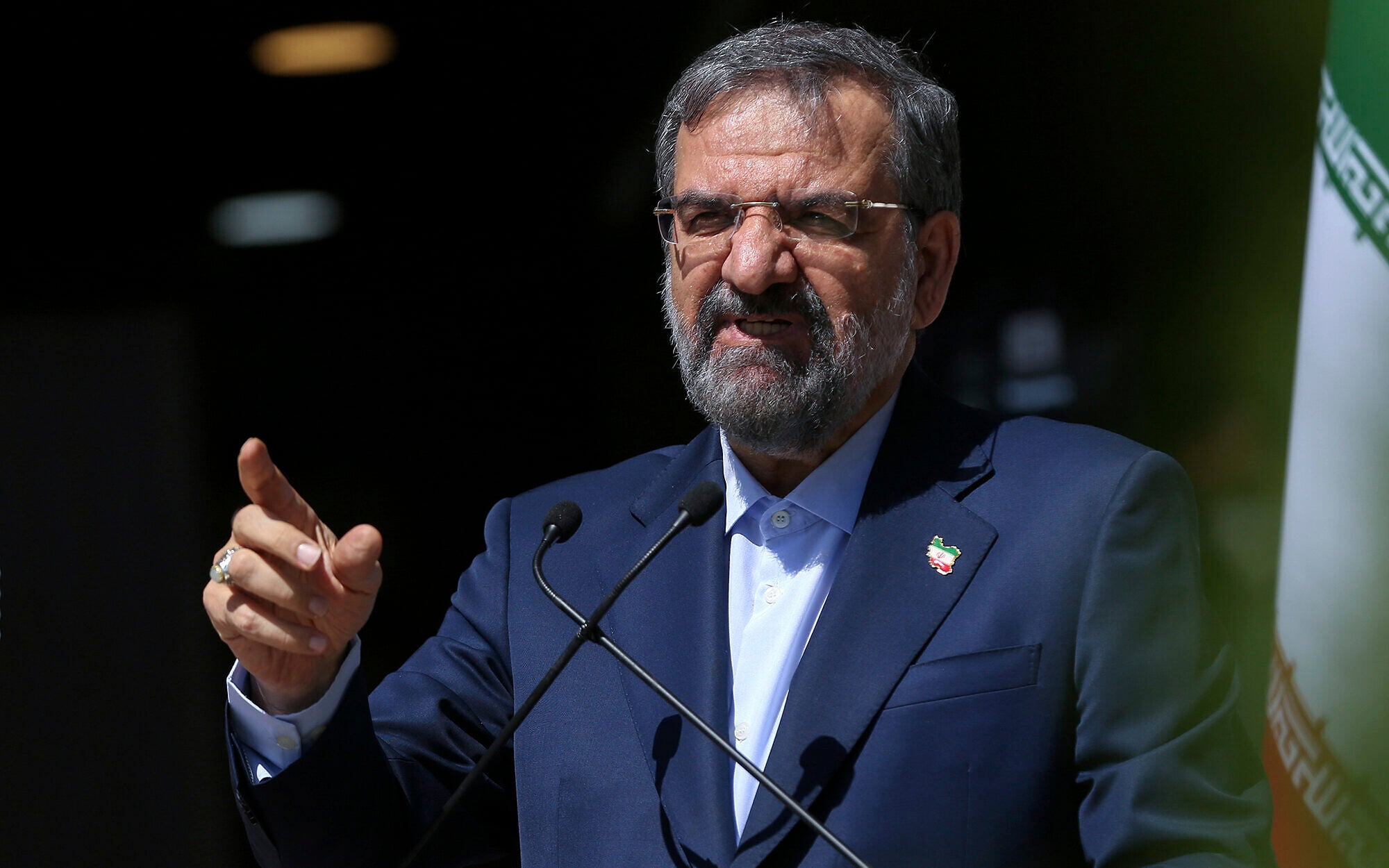
In this picture made available by Young Journalists Club, YJC, then-presidential candidate Mohsen Rezaei speaks with state-run TV journalists in Tehran, Iran, June 12, 2021. (Ayoub Ghaderi/ Young Journalists Club, YJC via AP/File)
Mohsen Rezaei, a military adviser to Iran’s supreme leader, writes on X that US President Donald Trump is “betraying diplomacy” by failing to lift the US blockade on Iran-linked shipping.
“As expected, the president of the United States is betraying diplomacy for the third time,” Rezaei says.
The two previous times appear to refer to the Israeli bombing campaign launched on Iran in June last year, and the US-Israeli bombing campaign launched on February 28, both times amid indirect US-Iran nuclear talks.
“By continuing the naval blockade and making excessive demands in negotiations,” said Rezaei, Trump has “again proven he is not inclined toward negotiations and is pursuing other goals.”
Sirens sound in Upper Galilee amid Hezbollah rocket attack
Sirens sound in several communities in the Upper Galilee amid a Hezbollah rocket attack from Lebanon.
The IDF says the details are under review.
Overnight, Hezbollah launched some 15 rockets at northern Israel, causing damage but no injuries.
IDF says it intercepted rocket launched by Hezbollah at Upper Galilee; no injuries reported
One rocket launched by Hezbollah from Lebanon at the Upper Galilee was intercepted by air defenses, the military says.
There are no reports of injuries in the attack, which triggered sirens in several communities in the area.
Flights halted for an hour at Munich airport after drone sighting, authorities confirm
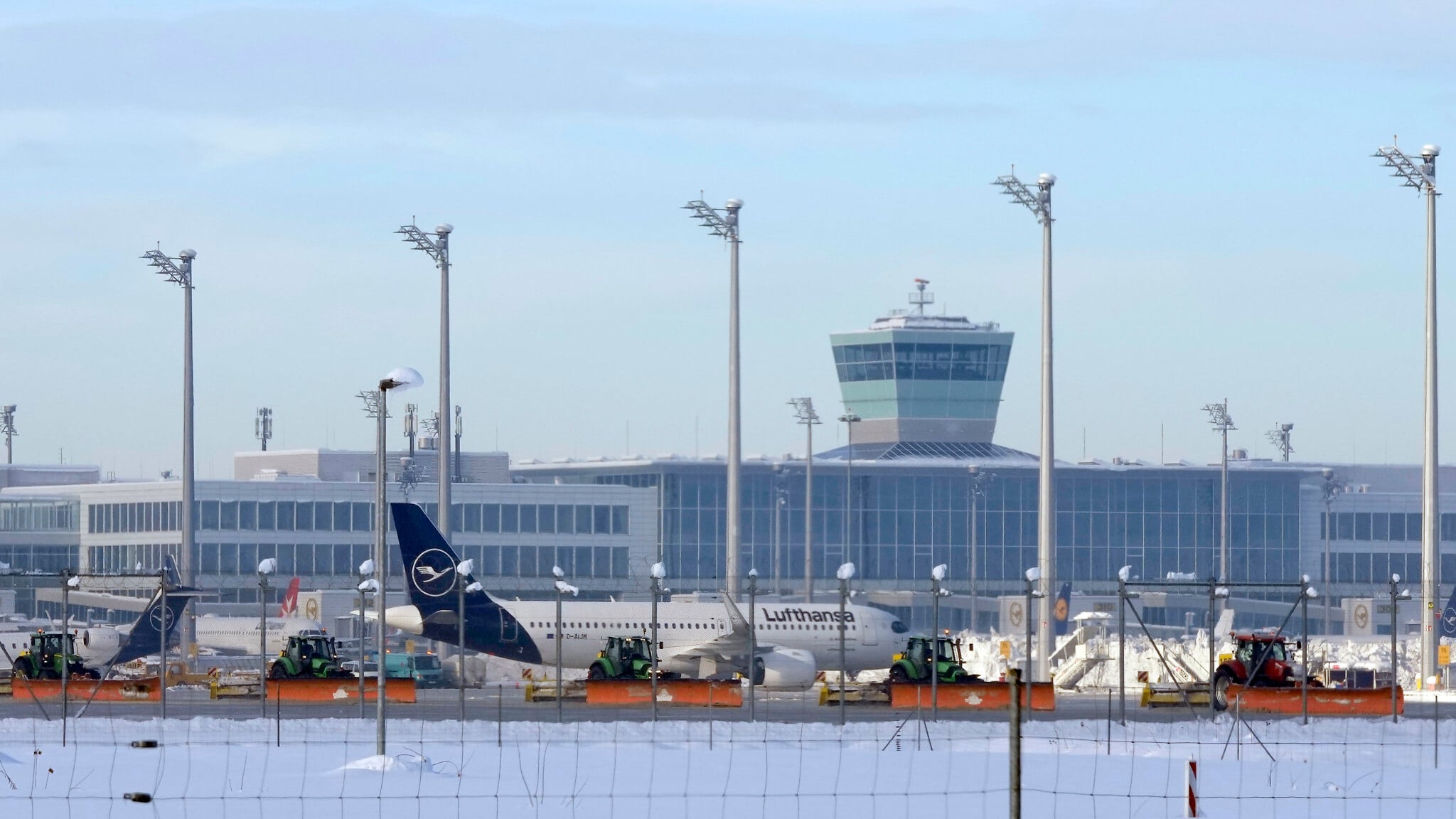
Airplanes at the Munich International Airport in Munich, Germany, on December 5, 2023. (AP Photo/Matthias Schrader)
BERLIN, Germany — Flights were halted for about an hour at Munich Airport in southern Germany this morning after two pilots reported seeing a drone, airport authorities and police say, confirming initial reports by German media.
During the shutdown, more than 20 flights that had been due to land at Munich were diverted to other airports, an airport spokesperson says.
At around 9 a.m. local time, two pilots in separate planes on the tarmac reported seeing a drone over the airport, prompting the shutdown, they say. Flights resumed about an hour later.
“Extensive police operations, including a search of the affected area by police helicopter, yielded no results,” a police spokesperson says.
“Since a threat to air traffic could be ruled out, the shutdown was lifted at 10:05 a.m.,” they say, adding that an investigation has been opened to determine what happened.
Drone sightings at Munich caused greater disruption in October of last year, when they forced several shutdowns at the airport in quick succession.
Doctor said killed in Israeli strike on Hamas police station; no comment from IDF
An Israeli drone strike targeting a Hamas police station in central Gaza’s Deir al-Balah this morning killed a doctor and wounded several other people, including a small girl, according to Palestinian media.
The doctor is identified as Jamal Abu Aoun, head of anesthetics in the city’s Yaffa Hospital. His body and the people wounded in the strike were reportedly brought to Deir al-Balah’s Al-Aqsa Martyrs’ Hospital.
The IDF does not immediately comment. Hamas does not immediately confirm if one of its police sites was targeted.
Hezbollah drone strikes military zone near Lebanon border, another intercepted, IDF says; none injured
A Hezbollah drone struck a military zone near the border community of Shomera a short while ago, while another drone was intercepted, according to the IDF.
Sirens sounded in Shomera and nearby communities in the Western Galilee amid the incident.
Another apparent Hezbollah drone triggered sirens in the Galilee Panhandle. The IDF says that the “suspicious aerial target” did not cross the border.
There are no injuries in the attacks, the IDF says.
$6b in Iranian funds parked in Qatar among last sticking points in talks with US — report
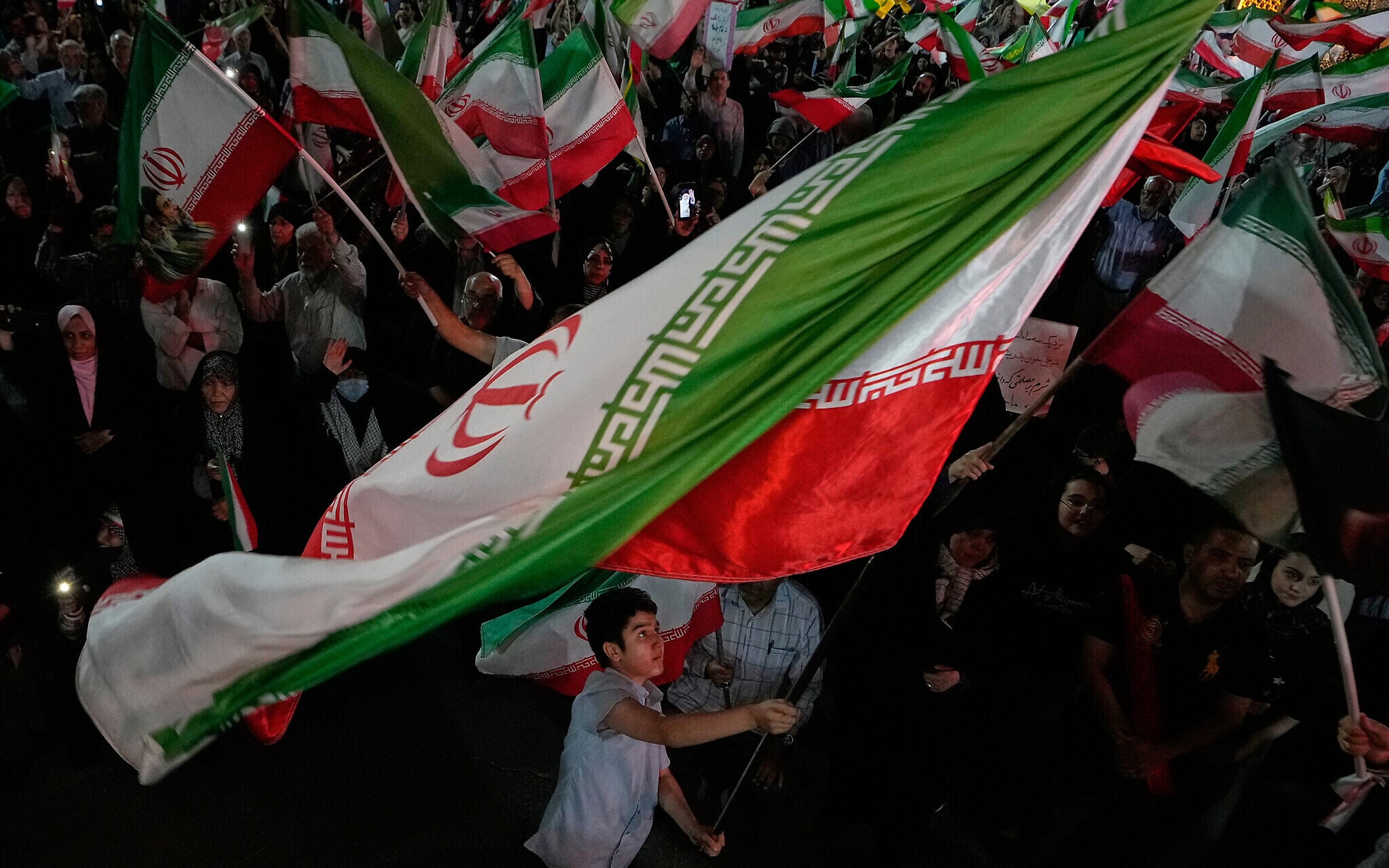
Pro-government Iranian demonstrators wave their country's flags in a gathering at a square in Tehran, Iran, on May 29, 2026. (AP Photo/Vahid Salemi)
The New York Post reports that one of the final sticking points for the US to approve a memorandum of understanding with Iran is the unfreezing of $6 billion in Iranian funds parked in Qatar following a 2023 US-Iran prisoner swap deal.
A US official cited by the Post says the funds would be released gradually in the form of food and medical supplies as Iran meets benchmarks, including opening and demining the Strait of Hormuz.
It’s unclear from the report if the official is describing a US proposal or a clause of the draft agreement.
In September 2023, as part of a deal that saw Washington and Tehran set free five of each other’s nationals, then-US president Joe Biden waived sanctions that prevented Iran from withdrawing the $6 billion from South Korea.
The funds were transferred from South Korea to Qatari accounts, but were withheld after Iran-backed terror group Hamas stormed southern Israel on October 7, 2023, sparking the war in Gaza.
US President Donald Trump said yesterday that he was entering the White House Situation Room for a “final determination” on the talks with Iran. A senior administration official later told The New York Times that the meeting ended inconclusively, with an agreement close but further debate required on issues including the unfreezing of Iranian funds.
Lebanese officials said to express disappointment in Pentagon-hosted talks with Israel
Lebanese officials cited in Arabic media express disappointment in yesterday’s US-brokered security talks with Israel at the Pentagon.
Officials cited by London-based outlet Al-Araby Al-Jadeed say “the meeting at the Pentagon achieved no progress, particularly with regard to a comprehensive ceasefire,” according to the outlet.
A military source cited by Saudi outlet Al-Hadath says the meeting “did not yield practical results as desired by Lebanon.”
Pentagon second-in-command Elbridge Colby had hailed the talks yesterday as “productive military-to-military discussions which will inform the Department of State-led political track next week.”
IDF says it intercepted apparent Hezbollah drone over northern Israel after sirens in area
An apparent Hezbollah drone launched from Lebanon was intercepted by air defenses over northern a short while ago, the military says.
Sirens had sounded in the border communities of Kfar Giladi and Metula amid the incident.
Shoulder-launched missile used to down US jet over Iran was likely Chinese — report
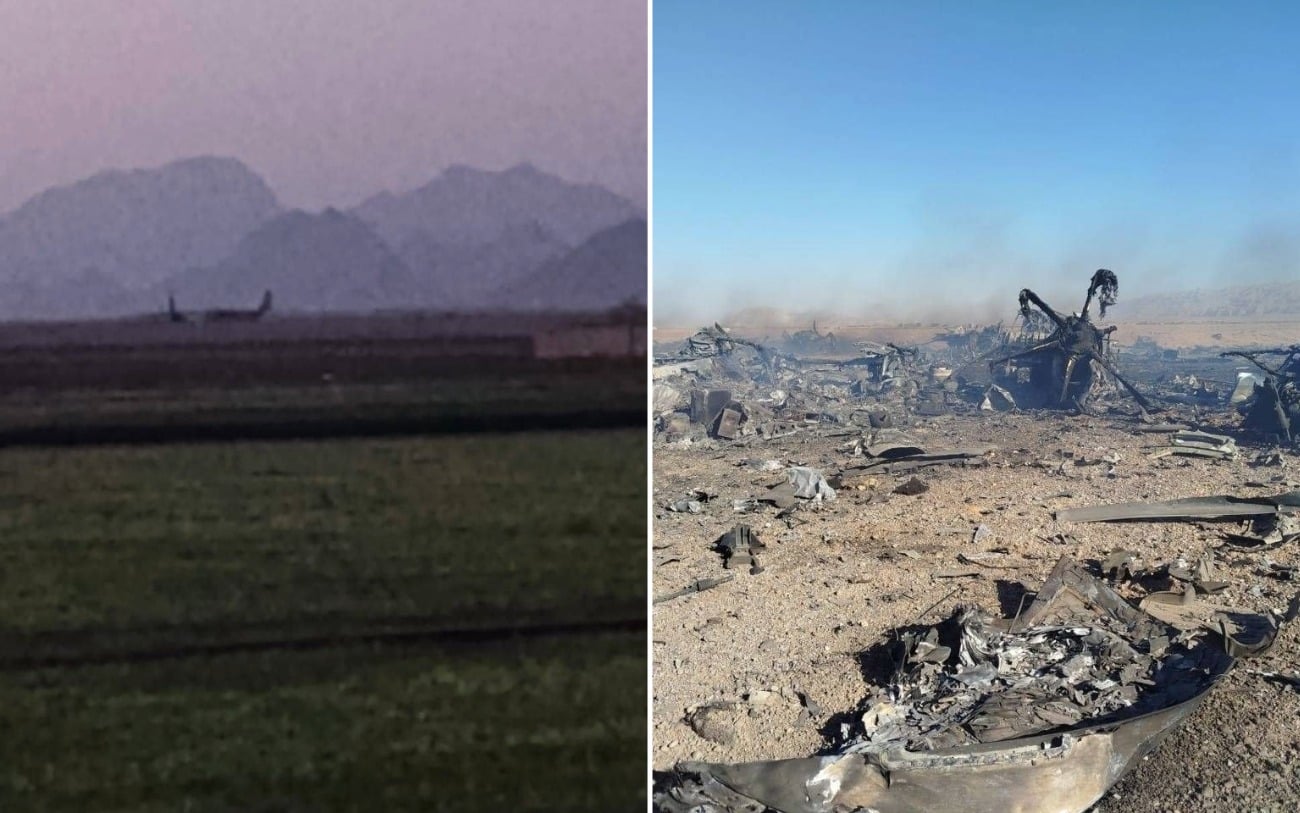
L-R: An image posted to social media on April 5, 2026, purportedly shows an airbase in Iran used by US forces to successfully rescue a downed US F-15 WSO. (Social media, used in accordance with Clause 27a of the Copyright Law); a handout photo provided by Iran's Islamic Revolutionary Guard Corps official website Sepah News on April 5, 2026, purportedly shows smoke billowing from the site of targeted and crashed US aircraft in central Iran. (Sepah)
The shoulder-launched missile used to down the F-15 fighter jet over southwest Iran last month was likely made by China, NBC reports, citing three people with knowledge of the matter.
One of those sources and a US official told NBC that China may have also given Iran stealth aircraft and long-range early-warning radar equipment early in the war launched by Israel and the US on February 28, the network says.
The sources say the downing of the jet, which set off a 36-hour race to find the pilot, is still being investigated.
US President Donald Trump said last month that he had asked Chinese President Xi Jinping not to provide weapons to Iran. Xi assured Trump “that, essentially, he’s not doing that,” Trump said at the time.
IDF says it’s braced for more Hezbollah rockets as Lebanon op expands; no changes in Home Front guidelines
The IDF says it is prepared for the possibility of increased Hezbollah rocket fire on northern Israel as troops push deeper into southern Lebanon.
“Following the expansion of IDF operations in southern Lebanon, and in accordance with the situational assessment, the IDF is preparing for the possibility of fire from Lebanese territory, focused on the northern region,” the military says in a statement.
The IDF says that at this stage, there are no changes to the Home Front Command’s guidelines for civilians.
Meanwhile, sirens warning of rocket fire sound in the Safed area.
Young woman stabbed in south Tel Aviv, is hospitalized in moderate condition — medics
A woman in her early twenties was stabbed in south Tel Aviv a short while ago, Magen David Adom says.
She was taken to the city’s Ichilov Hospital in moderate condition, according to the ambulance service.
IDF: Hezbollah rocket was intercepted en route to Safed, another hit open area; no one injured
Two rockets were fired by Hezbollah from Lebanon at the Safed area a short while ago.
The IDF says one of the rockets was intercepted and the other struck an open area.
No injuries were caused in the attack.
IDF says it struck south Lebanon Hezbollah artillery hub after identifying operatives in the area
The IDF says it struck a manned Hezbollah artillery command center in southern Lebanon yesterday.
Following the strike in the Burj al-Shamali area, “secondary explosions were identified, indicating the presence of weapons inside the structure,” the military says.
The IDF says it struck the site after identifying Hezbollah operatives in the area.
צפו בתיעוד: צה"ל השמיד מפקדת ארטילריה מאוישת של ארגון הטרור חיזבאללה
אתמול, צה"ל תקף והשמיד מפקדת ארטילריה של ארגון הטרור חיזבאללה במרחב א-שמעאלי שבדרום לבנון.
לאחר התקיפה, זוהו פיצוצי משנה המעידים על הימצאות של אמצעי לחימה בתוך המבנה.
המפקדה הותקפה לאחר שזוהה כי מחבלי… pic.twitter.com/bw2XxtgFoU
— צבא ההגנה לישראל (@idfonline) May 30, 2026
Hezbollah fires rocket salvo at Western Galilee; IDF says projectiles were downed or struck open areas
Hezbollah launched several rockets from Lebanon at the Western Galilee a short while ago.
The IDF says some of the rockets were intercepted and others struck open areas, causing no injuries.
US has helped guide ships going dark through the Strait of Hormuz — report
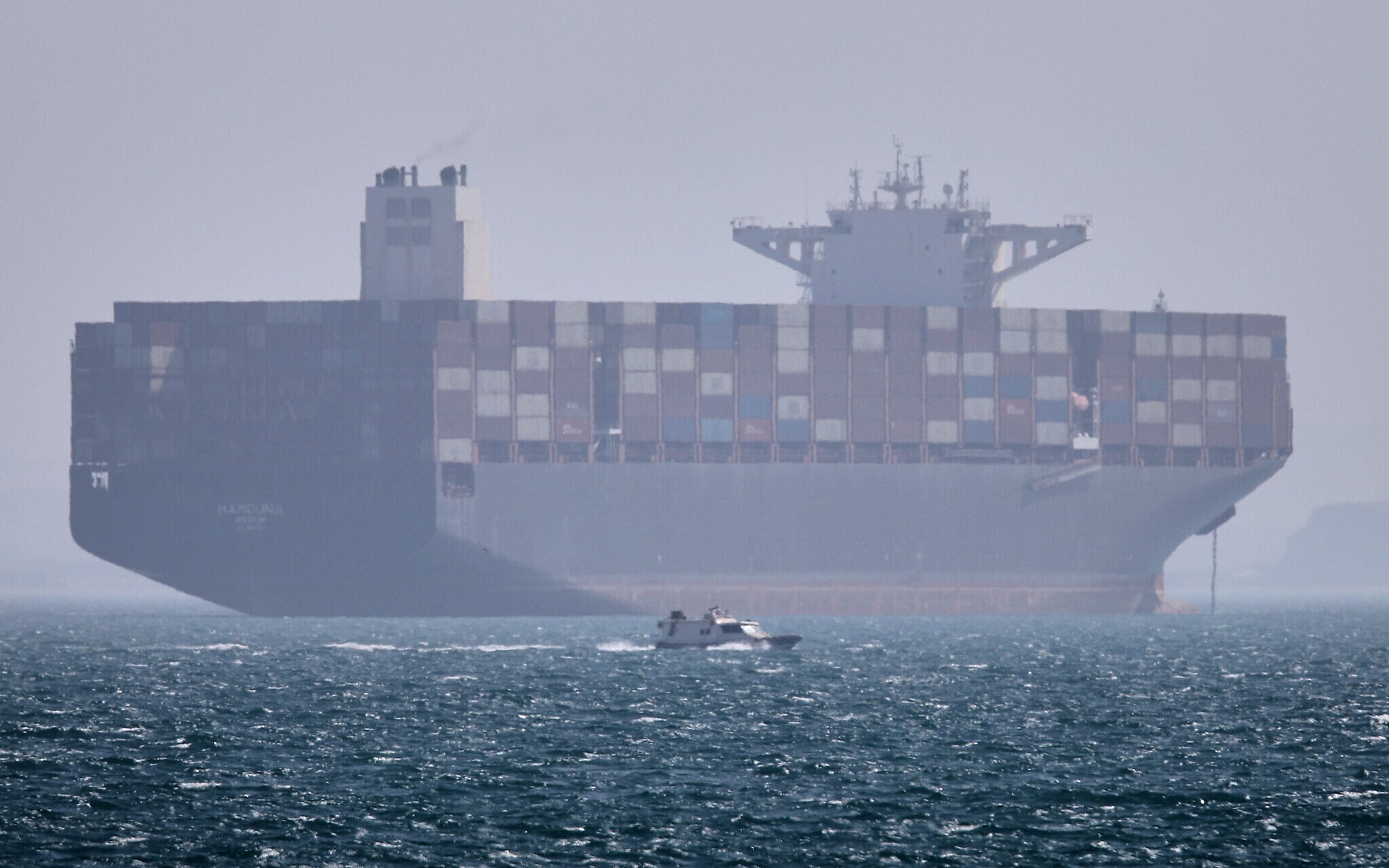
Illustrative: A container ship sits at anchor as a small motorboat passes in the foreground in the Strait of Hormuz off Bandar Abbas, Iran, May 2, 2026. (Amirhosein Khorgooi/ISNA via AP)
Some ships have managed to traverse the blockaded Strait of Hormuz by turning off lights and navigation beacons and relying on US military guidance to avoid collisions, say shipowners and US officials cited by The Wall Street Journal.
The sources say the US advises the ships on when to go dark and how to handle threats from Iranian forces.
Some ships were going dark and sailing through a part of the Persian Gulf that was cleared by the US earlier this month as part of “Project Freedom,” the US initiative to guide shipping that was suspended amid opposition from Gulf allies.
One ship that traversed the strait in this fashion earlier this week was a Greek oil tanker carrying two million barrels of crude, the Journal says. The ship was reportedly stuck in the Persian Gulf since early March, traveled along the coast of Oman and is now en route to its destination in India.
Fewer than five ships a day have gone dark through the Strait of Hormuz since March 2, according to figures that the Journal published from intelligence firm Kpler, and it’s unclear how many of those ships were guided by the US military. Most ships traveled on the Iranian-sanctioned route, the figures show.
Cpt. Tim Hawkins, a spokesperson for the US military’s Central Command, tells the Journal that the US is continually communicating and coordinating with ships that traverse the strait.
Video shows Nahariya beachgoers scrambling for cover as Hezbollah rockets land in sea
Video from the northern coastal city of Nahariya shows rockets Hezbollah fired from Lebanon impacting nearby in the Mediterranean Sea, as frightened beachgoers scramble for cover.
נפילות סמוך לחוף נהריה pic.twitter.com/NQaEPkwIdN
— כל החדשות בזמן אמת (@Saher_News_24_7) May 30, 2026
US military disables another merchant ship trying to breach Iran blockade
The US military has stopped another merchant vessel trying to break through the American blockade of Iranian ports, a US official with knowledge of the situation tells the Associated Press.
The Gambia-flagged bulk carrier Lian Star ignored multiple warnings from US forces overnight as it tried to enter an Iranian port, says the official, who speaks on condition of anonymity to discuss military operations. The ship was disabled by US aircraft in the Gulf of Oman and remains adrift there, the official says, adding that US forces have not boarded it.
With the latest action, US military has stopped six ships trying to breach the blockade. One was allowed to proceed.
IDF downs pair of Hezbollah rockets fired toward Kiryat Shmona
Two rockets launched by Hezbollah from Lebanon at the Kiryat Shmona area were intercepted, the IDF says.
There are no reports of injuries in the attack.
Lebanese PM decries Israel’s ‘scorched-earth policy,’ defends diplomacy as ‘least costly path’
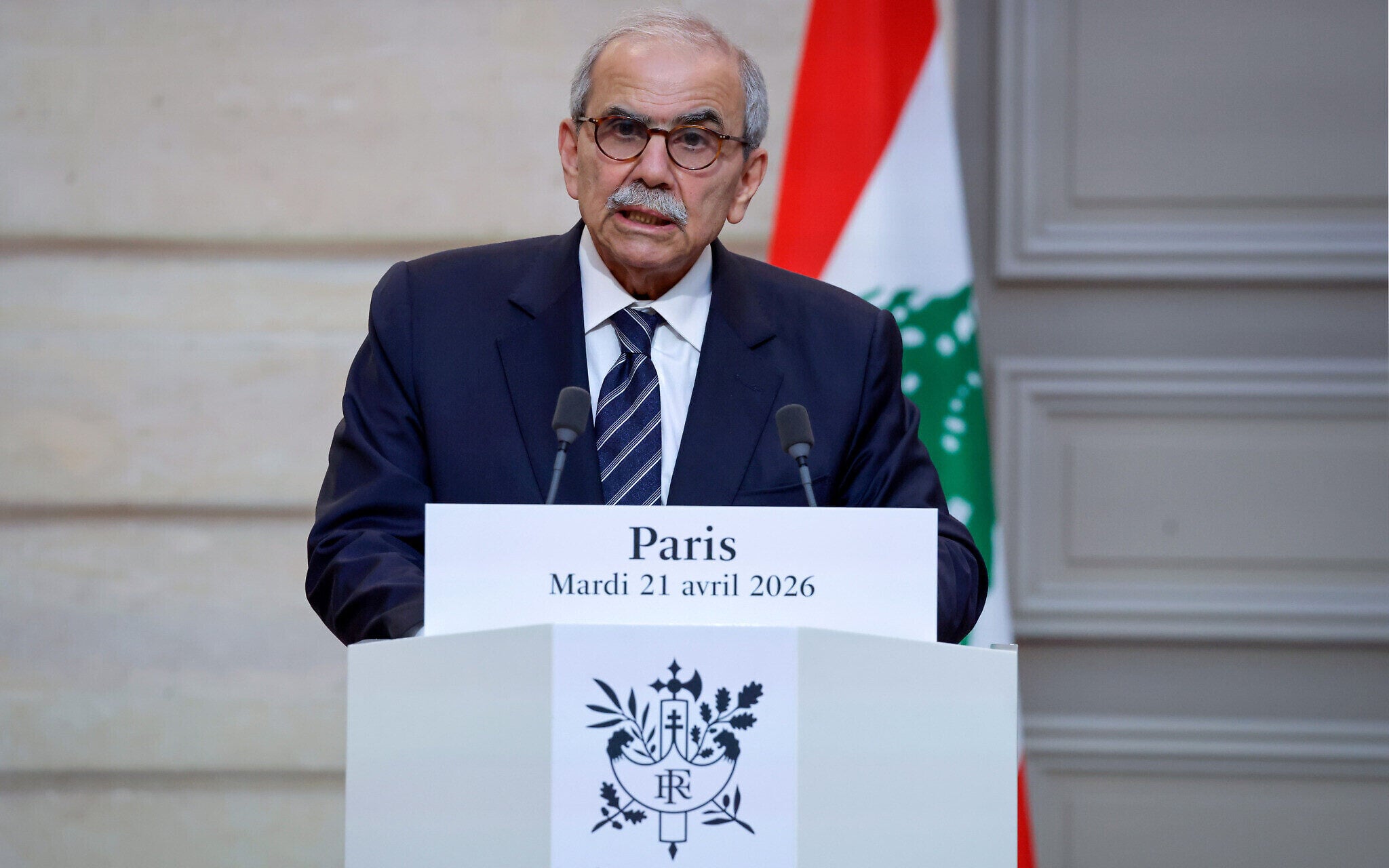
Lebanon's Prime Minister Nawaf Salam speaks at a joint declaration press event with France's President Emmanuel Macron following their meeting at the Elysee Presidential Palace in Paris, France, April 21, 2026. (Ludovic Marin/Pool Photo via AP)
Lebanese Prime Minister Nawaf Salam denounces what he calls a “dangerous and unprecedented” Israeli escalation in the south, urging an immediate ceasefire and insisting that a “scorched-earth policy” will not ensure Israel’s security.
In a televised address, he accuses Israel of “implementing a policy of total destruction of cities and towns” and of carrying out mass displacements, claiming Israeli forces fighting Hezbollah are trying to “uproot Lebanon’s memory and erase the people’s history.”
He adds that his government will do all it can to achieve a ceasefire, an Israeli withdrawal from Lebanon and the return of displaced people to their homes.
Salam also defends Beirut’s direct negotiations with Jerusalem, saying the talks are the “least costly path” for Lebanon. He says the negotiations are not guaranteed to produce results and at the same time they don’t mean a surrender for Lebanon.
Another round of talks is scheduled to take place in Washington on Tuesday.
Warning sirens sound in Karmiel and surrounding towns as Hezbollah attacks continue
Sirens warning of a Hezbollah rocket attacks from Lebanon sound in the northern city of Karmiel and nearby towns.
The IDF says the details are under review. Earlier, the military warned that Hezbollah was likely to carry out increased rocket fire on northern Israel today.
IDF says it intercepted barrage of Hezbollah rockets fired at Karmiel
A barrage of rockets launched by Hezbollah from Lebanon at the northern city of Karmiel was intercepted, the military says.
There are no reports of injuries in the attack.
Meanwhile, the military says that a siren warning of a drone attack in the border community of Shomera was a false alarm.
Eisenkot rips Netanyahu and government over repeated Hezbollah attacks during Shabbat
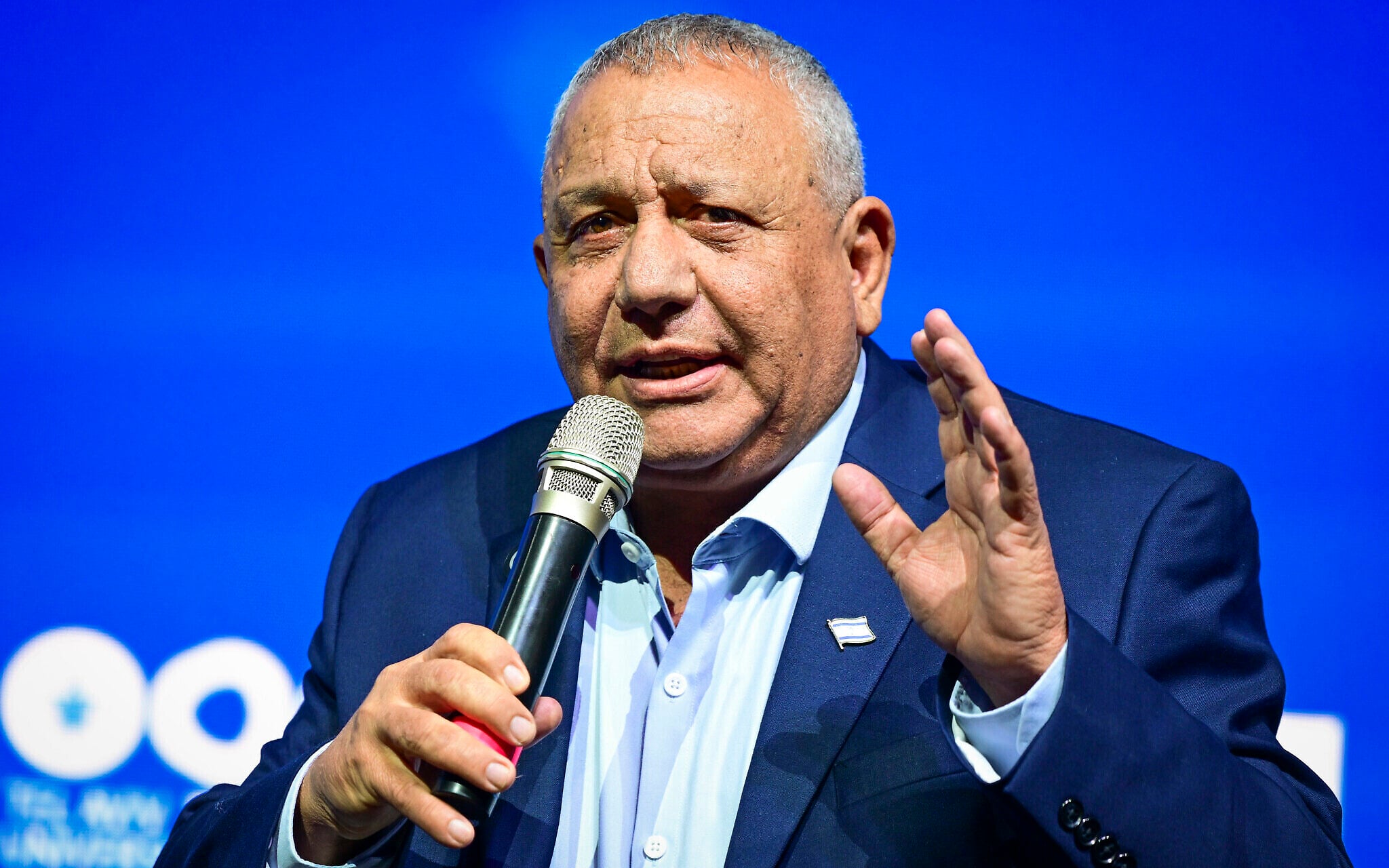
Former IDF chief Gadi Eisenkot, head of the Yashar party, speaks during a conference at Tel Aviv University, May 12, 2026. (Avshalom Sassoni/ Flash90)
Yashar party chairman Gadi Eisenkot tears into Prime Minister Benjamin Netanyahu’s government after the north was repeatedly targeted by Hezbollah rockets and drones during Shabbat, blaming the attacks on “a lack of leadership.”
“This isn’t a ceasefire, this is a war with one participant,” Eisenkot writes on X. “A responsible government… would immediately authorize the IDF to act forcefully and broadly against Hezbollah in Lebanon — without tying its hands or restrictions!”
Palestinian reportedly wounded in settler attack near Nablus
Palestinian media outlets report that a Palestinian was lightly wounded in a settler attack near the village of Qusra, south of Nablus.
According to the reports, he sustained a light knife wound and was evacuated for medical treatment.
#صورة| مستوطنون يهاجمون أطراف بلدة قصرة جنوب شرق نابلس ويصيبون شابًا بطعنة سكين. pic.twitter.com/AFHwgxFOag
— المركز الفلسطيني للإعلام (@PalinfoAr) May 30, 2026
At demo, mother of Nova massacre victim accuses coalition members of demeaning dead and trafficking their memory
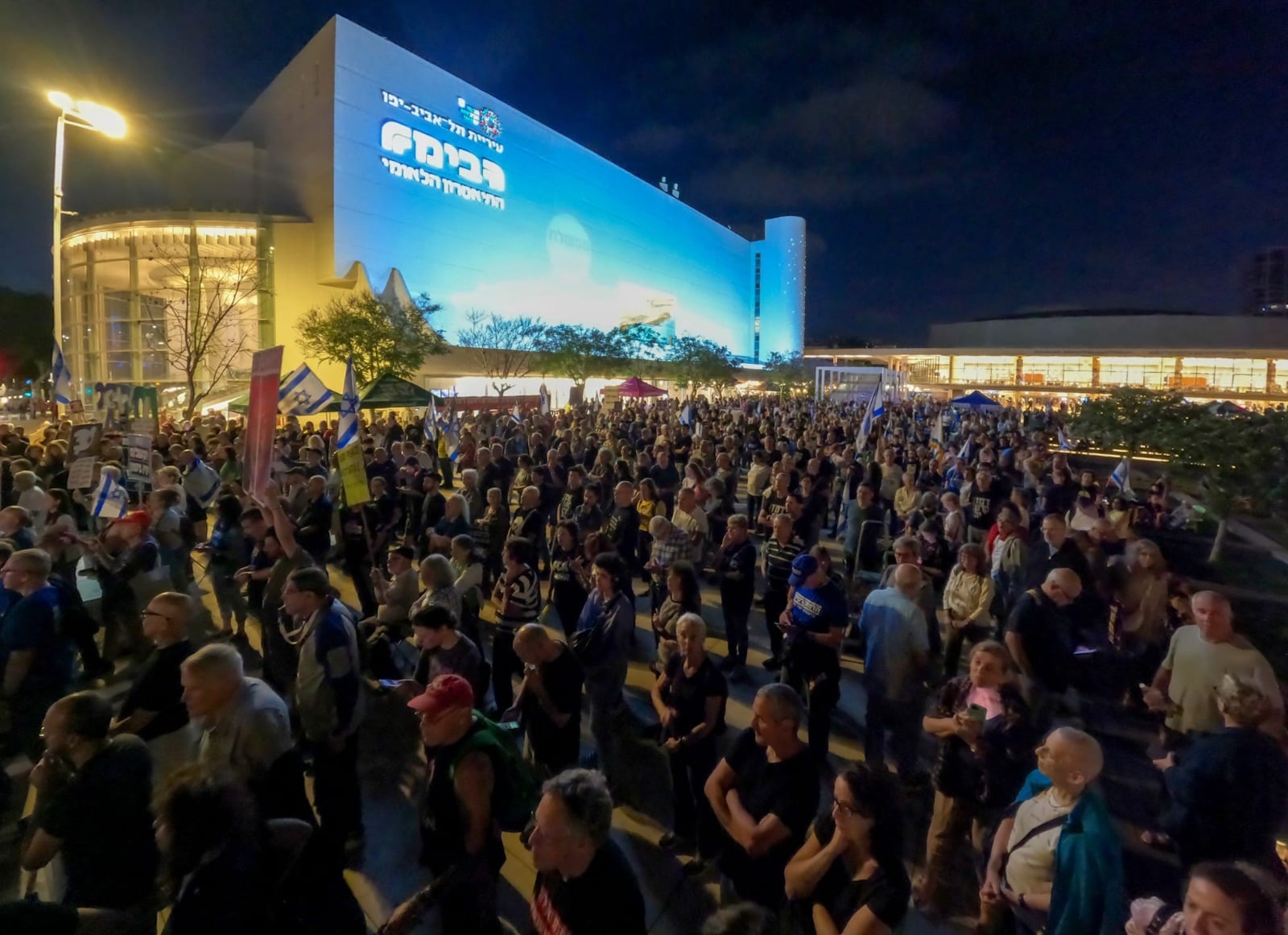
An anti-government protest in Habima Square, Tel Aviv, May 30, 2026. (Gilad Furst / Pro-Democracy Protest Movement)
Reut Recht-Edri, whose son Ido was killed at the Nova festival during the Hamas-led onslaught of October 7, 2023, accuses coalition lawmakers of demeaning the dead by urging bereaved families to tone down their criticism of Prime Minister Benjamin Netanyahu.
“Our children, our parents, our siblings, have turned into political pawns,” she tells some 500 anti-government protesters at Tel Aviv’s Habima Square.
MK Moshe Gafni, in particular, “is trafficking the bodies of our loved ones — the blood of our sons,” Recht-Edri says.
The Haredi lawmaker this week secured daycare funding for his constituents by threatening to vote in favor of a state commission of inquiry into failures surrounding the October 7 attack. Netanyahu has rejected such a commission.
Recht-Edri vows to keep fighting “until this country looks us in the eye and tells us the truth.”
“Our pain has for a long time now stemmed not just from what Hamas did to us,” she says. “Our pain also stems from what has happened since then — the obtuseness, the smugness, the unending attempt to distort.”
Also speaking at the rally, former general and deputy Mossad chief Amiram Levin accuses Netanyahu of having “taken or tried to take from us” nearly “every good thing we’ve built” in Israel since it was established.
Ahead of the coming elections, “we have to show anger and rage over how we’ve been trampled,” he says.
The elections are sure to feature challenges, including confrontation with the far-right “militias” of National Security Minister Itamar Ben Gvir and Finance Minister Bezalel Smotrich, which have “already been training for months on the Palestinians,” charges Levin.
“If the democratic population of Israel shows up in droves, they’ll lose,” Levin says. “The country is ours… we can’t forfeit it to cowards, draft dodgers and hacks.”
Home Front Command shutters schools near Lebanon border as part of tightened guidelines
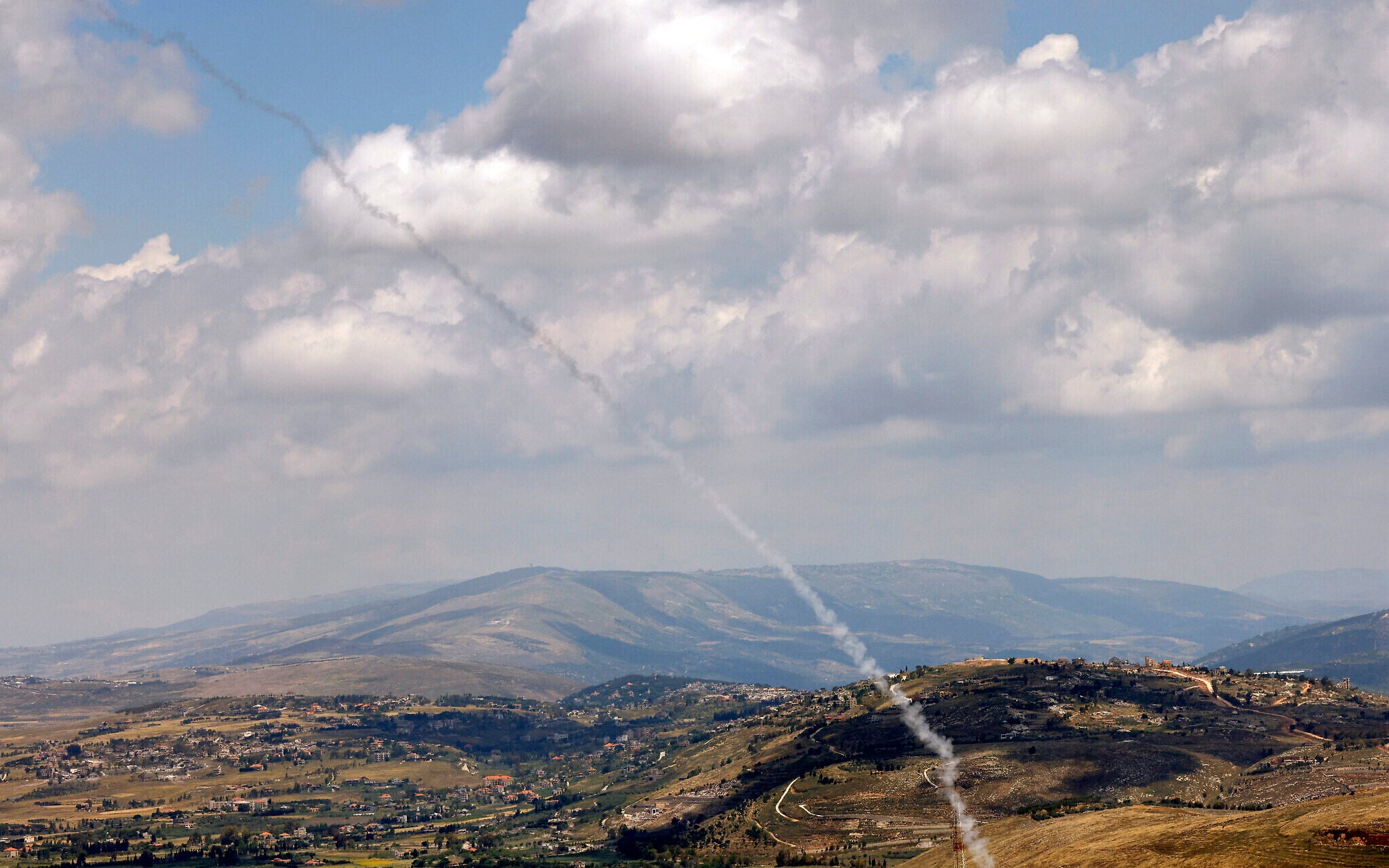
The Iron Dome missile defense system intercepts incoming Hezbollah projectiles over southern Lebanon, as seen from the Upper Galilee in northern Israel on May 29, 2026. (Jalaa Marey/AFP)
Following Hezbollah’s rocket and drone barrages on northern Israel today, the IDF Home Front Command is tightening its guidelines, forcing schools to close in areas along the border.
No educational activities will take place in communities along the Lebanon border, including Kiryat Shmona, as well as Meron, Bar Yohai, Or HaGanuz, Safsufa, Yesud HaMa’ala, Kisra-Sumei, Beit Jann, and Sde Eliezer.
In the Upper Galilee and northern Golan, along with Katzrin and Kidmat Tzvi, educational activities are permitted only inside a building or in an area where a shelter can be reached in time.
Workplaces can operate in all of those areas, provided an adequate shelter can be reached in time. According to the guidelines, gatherings are restricted to 50 people outdoors and 200 indoors, and beaches are closed.
The guidelines remain in effect until Monday at 9 p.m. By then, the Home Front Command will conduct another assessment.
Slamming government, Bennett and Lapid call for ‘powerful response’ to Hezbollah attacks
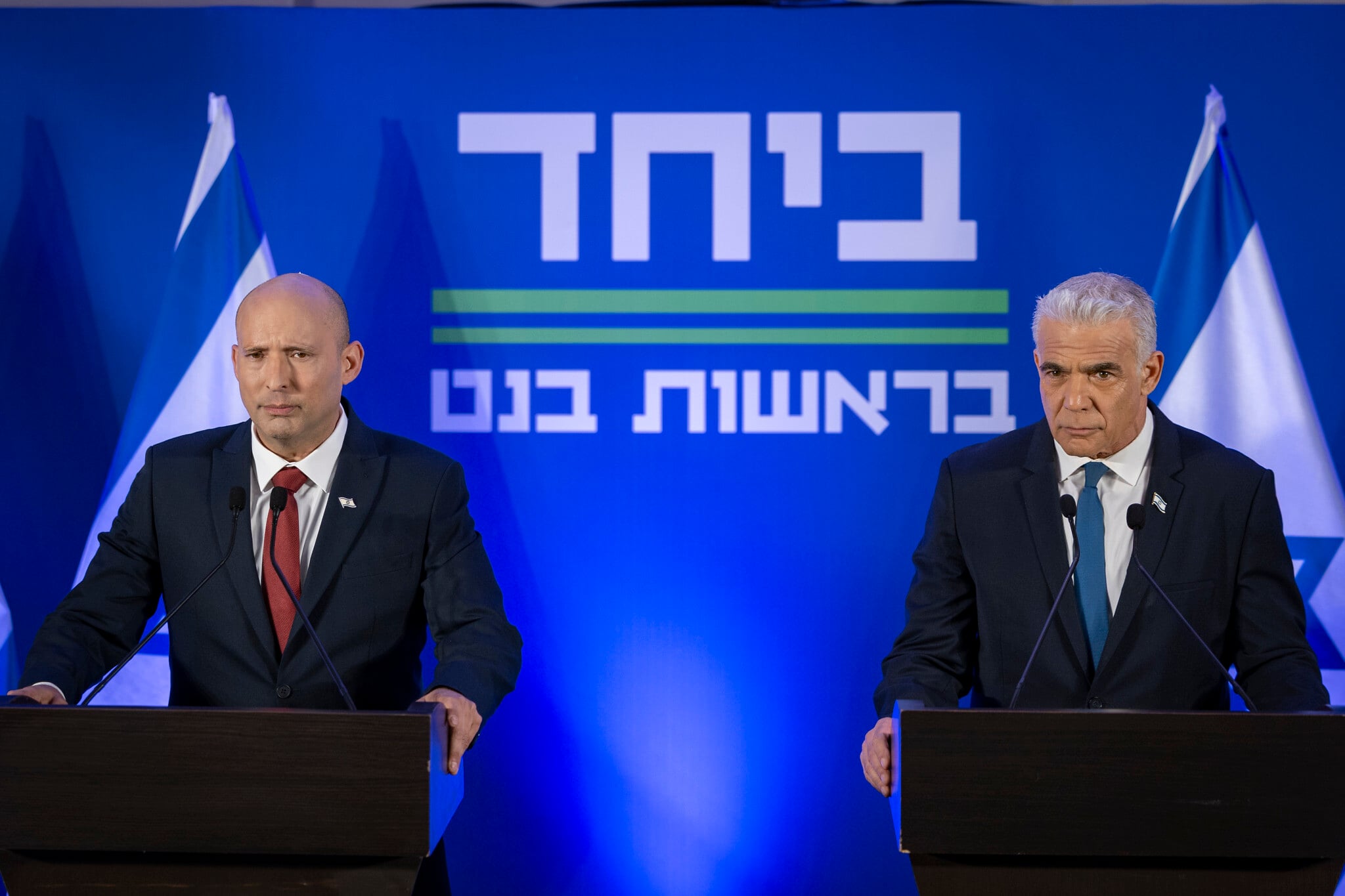
Opposition Leader Yair Lapid (right) and former prime minister Naftali Bennett speak during a press conference announcing their joint run in the coming elections, in Herzliya, central Israel, April 26, 2026. (Chaim Goldberg/Flash90)
Former prime minister Naftali Bennett calls for military action against Hezbollah in Lebanon, sharply criticizing Prime Minister Benjmain Netanyahu after the Iran-backed terror group fired repeated rocket and drone salvos at the north over Shabbat.
“The government is returning us to the contemptible policy of containment and normalizing an intolerable and unacceptable situation,” Bennett writes. “Over the weekend, sirens were heard every 20 minutes across the north and people were forced to seek shelter. This is not victory.”
“Dahiyeh must tremble until security returns to the north,” he declares, referring to the Shi’ite majority suburb of Beirut that is known as a Hezbollah stronghold.
Opposition leader Yair Lapid echoes Bennett, saying that the attacks cannot go without a “powerful response.”
“Israel is not a protectorate and the responsibility for Israeli citizens’ security lies only with the Israeli government,” he says.
Yair Golan, chairman of the left-wing The Democrats party, also tears into the government over the attacks.
He shares one of Netanyahu’s campaign videos from 2019 — in which the premier urges people at a beach to back right-wing parties for security reasons — clipped together with footage of frightened beachgoers running for cover in the northern coastal city of Nahariya during a rocket attack.
IDF intercepts two more Hezbollah rockets fired at Kiryat Shmona
Two rockets launched by Hezbollah from Lebanon at the Kiryat Shmona area a short while ago were intercepted, the IDF says.
There are no reports of injuries.
Health Ministry says Galilee Medical Center in Nahariya to move operations underground
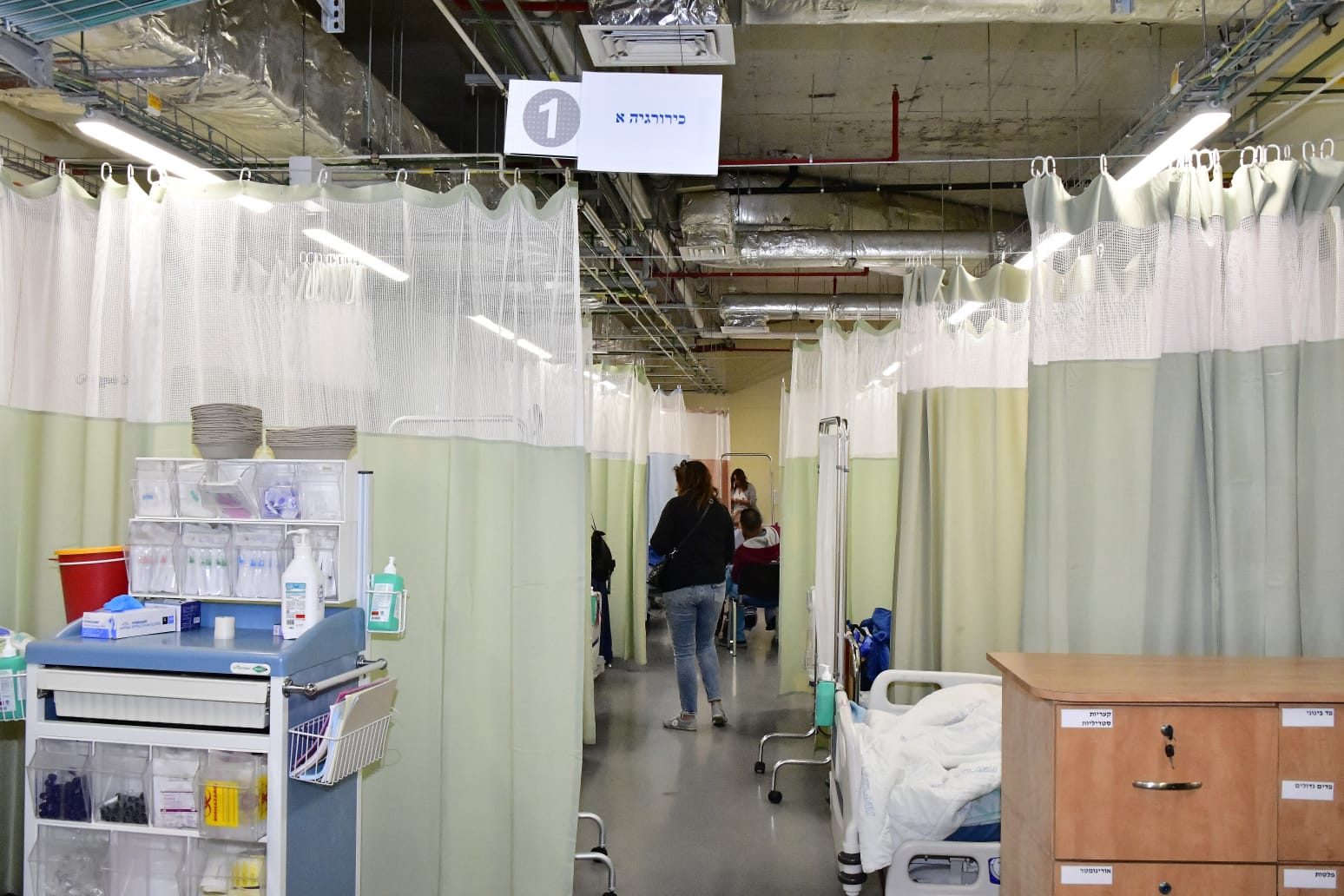
Underground facility of Galilee Medical Center (Roni Albert)
The Health Ministry announces that the Galilee Medical Center in Nahariya will be moving operations to an underground protected area, after the IDF Home Front Command tightened guidelines amid intensive Hezbollah rocket and drone fire at the north.


read more: