

 From
From AG objects to Haredi draft law, says it disincentivizes enlistment, fails to alleviate burden on reservists
 Add ToI as a Preferred Source on Google
Jeremy Sharon is The Times of Israel’s legal affairs and settlements reporter
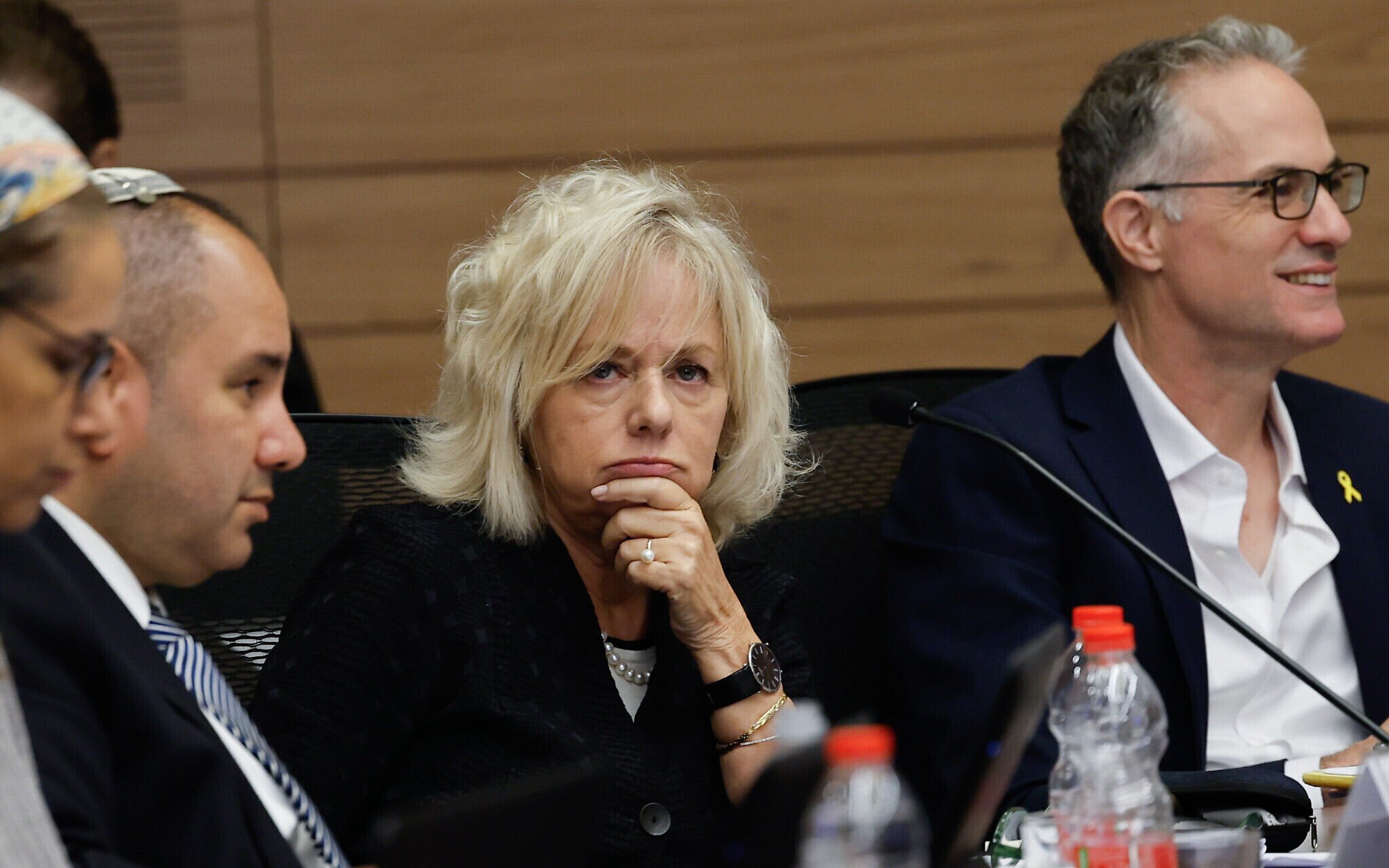
Attorney General Gali Baharav-Miara states in a position paper that a controversial bill to regulate ultra-Orthodox enlistment to the IDF, being legislated in the Knesset, would actually disincentivize recruitment, and provides for the needs of Haredi yeshivas and their students rather than for the manpower needs of the military.
The legislation would not alleviate the critical shortage of manpower facing the IDF or the burden of service on reservists, but would deny the military effective tools to enforce conscription, she maintains.
“Not only does it fail to promote the enlistment of members of the Haredi community for military service, but it also contains a negative incentive for recruitment and even anchors in the long term the inequality between the communities that perform [military] service and the communities that do not,” writes the attorney general.
“In practice, the bill rolls back the tools currently available to the government and the army [to increase ultra-Orthodox enlistment], compared to the existing legal situation,” she adds.
Baharav-Miara says that the bill would immediately provide “direct and indirect support funds” for yeshivas; restore benefits enjoyed by yeshiva students before the High Court ruled they were no longer valid; and cancel the tens of thousands of drafting orders issued to young Haredi men this year, as well as the personal enforcement measures currently available against draft evaders.
“On the other hand, the bill does not include arrangements that would advance urgent security needs as presented by the army, or reduce the burden on the reserve force, and it does not provide state and military bodies with effective tools to immediately enforce the draft obligation,” she adds.






The Times of Israel Community.