

 From the Liveblog of
Sunday, April 5, 2026
From the Liveblog of
Sunday, April 5, 2026
Arab parties clash over delayed unity framework, but deny reports of breakdown in talks
 Add ToI as a Preferred Source on Google
Ariela Karmel is a political correspondent at The Times of Israel. She previously reported for Calcalist and Haaretz. She holds an MA in Middle Eastern and African History from Tel Aviv University and a BA in Political Science from the University of British Columbia.
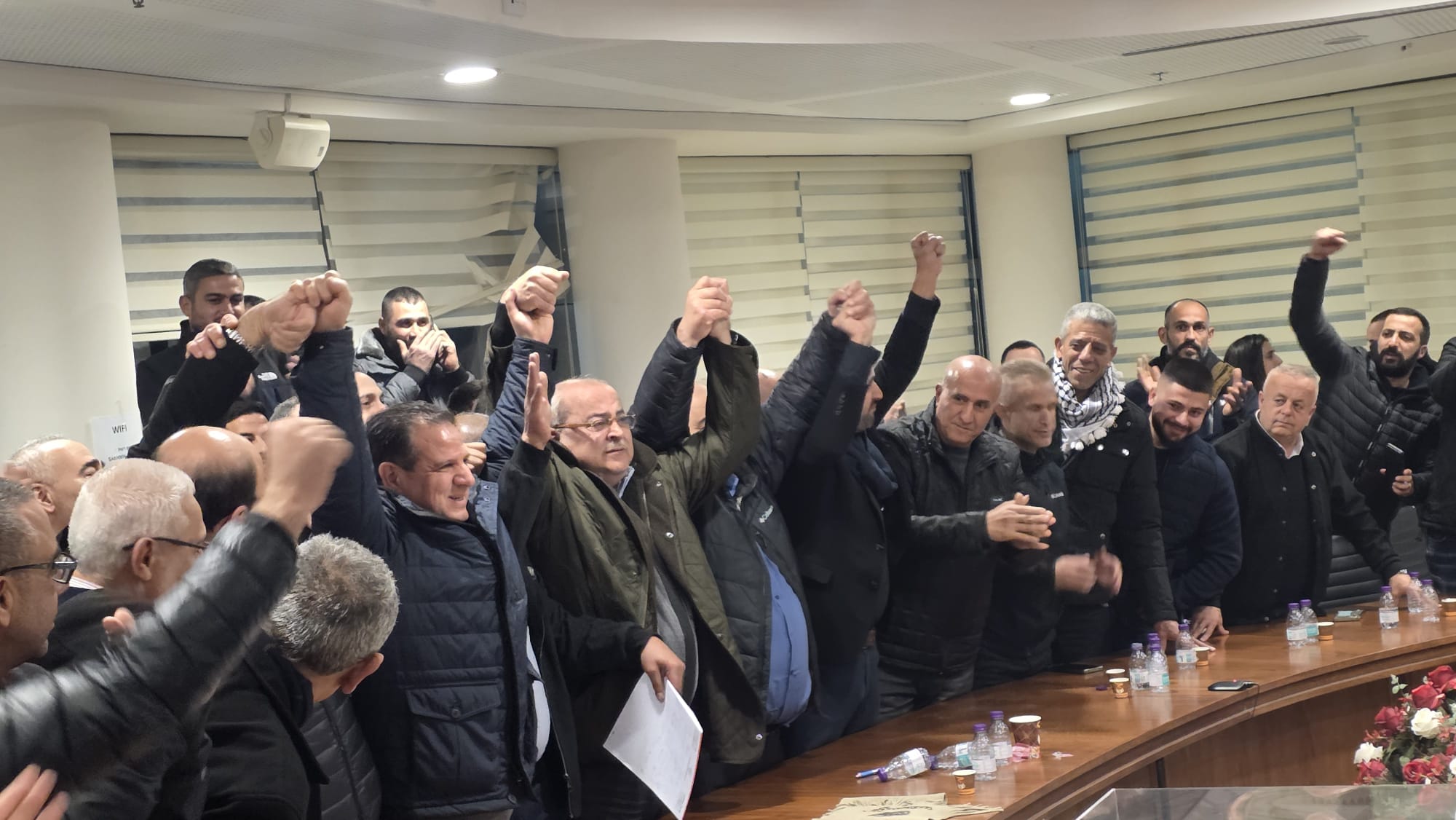
Tensions between the Arab parties Ra’am and Hadash over delays in presenting a unity framework have slowed efforts to form a joint election run, though both parties say talks are continuing and dismiss Hebrew media reports that a weekend meeting in Nazareth ended in an “explosive” breakdown.
A Hadash source says the central source of tension between the parties is Ra’am continuing to drag its feet on presenting a unity framework — the sole commitment made by the Arab factions, following a January summit in Sakhnin when the Islamist Ra’am, communist Arab-majority Hadash, secularist Ta’al, and nationalist Balad signed an agreement to work toward running together in the next election, set for October.
According to reports, Abbas has held up talks for months over his demand that the bloc be formed as merely a technical alliance, which would split back into separate parties immediately following elections, to allow him the option of joining a governing coalition separately.
The source says that the delay is a negotiation strategy for Ra’am, whose “main goal is to join any government established.”
At the same time, the source says that “such disagreements are natural” and that another meeting will take place in the coming weeks.
Ra’am MK Yasir Hujeirat similarly tells The Times of Israel that reports of a deadlock or impasse are false.
“This was the first meeting. There will be additional meetings to continue the discussion. Negotiations, like any negotiation, are not a smooth process. What matters is the interests of Arab society,” he says.







The Times of Israel Community.