

 From the Liveblog of
Thursday, June 25, 2026
From the Liveblog of
Thursday, June 25, 2026
Gulf FMs say Iran proxies, missiles must be addressed for ‘lasting’ peace
 Add ToI as a Preferred Source on Google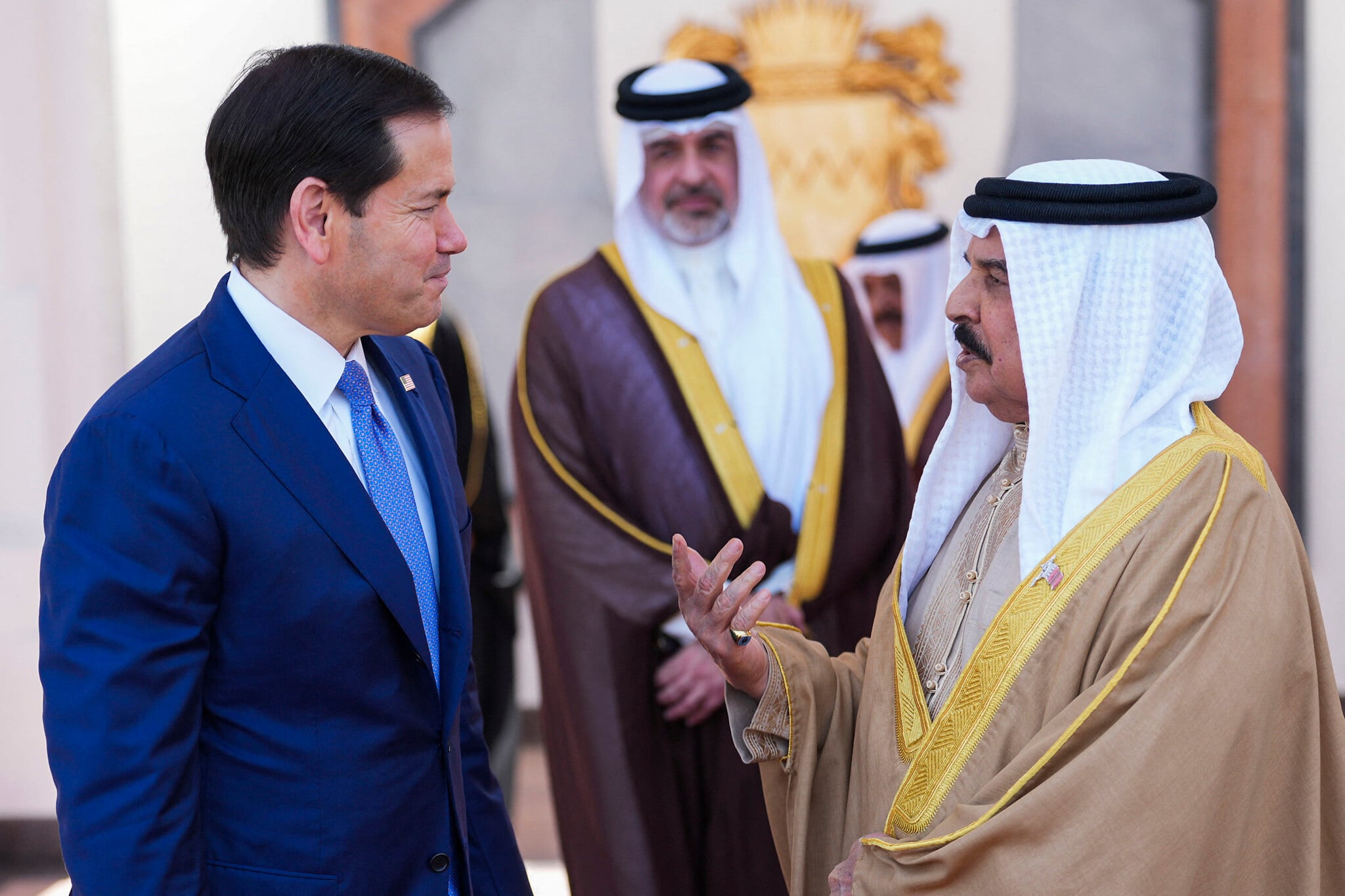
The Gulf’s top diplomats say that dealing with Iran’s proxies and missiles is key to lasting peace, and that any trade and investment with Tehran will be reversible and contingent on it respecting its deal with the US.
“The ministers further emphasized that lasting regional peace and security requires addressing the full spectrum of Iran’s threats, including its ballistic missiles, drones, and support of proxies in the region,” they say in a joint statement of Gulf Cooperation Council countries and the US following a summit in Bahrain chaired by US Secretary of State Marco Rubio.
“Any trade and investment with Iran is conditional and reversible, contingent on Iran’s compliance with the MOU and the final agreement, cessation of its destabilizing behavior, and creation of the conditions necessary for economic engagement,” the statement adds.
The Gulf ministers express their support for the memorandum of understanding inked between the US and Iran last week, while stressing the need for the parties to reach a final agreement that stabilizes the region.
The Gulf ministers also emphasize “the importance of reopening the Strait of Hormuz, noting that free, unconditional and unrestricted navigation, including the right of transit passage as guaranteed under international law, remains essential to regional and global security,” the statement says, rejecting any tolls or attempts to assert control over the strait, while welcoming Oman’s opening of an additional corridor in the channel to secure the safe passage of stuck vessels.
The statement goes on to stress GCC support for the territorial integrity and sovereignty of both Syria and Lebanon, an apparent reference to the buffer zones that the IDF has established in both of those countries, claiming they are needed to ensure the security of Israel’s northern residents.
The ministers welcome the ongoing talks between Israel and Lebanon and agree on the importance of disarming non-state actors such as Hezbollah.
The statement also expresses support for the the US 20-point plan for stabilizing Gaza, which is being overseen by the Board of Peace — a new Trump-chaired international body that Gulf countries have pledged billions to support.
The ministers reiterate their support for disarming Hamas and handing over control of Gaza to the Board of Peace overseen committee of Palestinian technocrats.
The ministers also tout US President Donald Trump’s statement last year rejecting Israeli annexation of the West Bank, while “underscoring that progress on Gaza redevelopment and Palestinian Authority reforms will create the conditions for a credible pathway to Palestinian self-determination and statehood.”
“The ministers further reaffirmed that no one will be forced to leave Gaza, and those who wish to leave will be free to return,” the statement says, rejecting ongoing Israeli efforts encouraging Palestinians to leave the Strip.
The statement concludes with a GCC condemnation of attacks against their countries by Iranian proxies in Iraq, while stressing the importance of Baghdad taking measures to rid itself of Iranian influence.





The Times of Israel Community.