

 From the Liveblog of
Tuesday, November 25, 2025
From the Liveblog of
Tuesday, November 25, 2025
IDF wraps up two-day snap drill testing implementation of Gaza war lessons
 Add ToI as a Preferred Source on Google
Emanuel (Mannie) Fabian is The Times of Israel's military correspondent
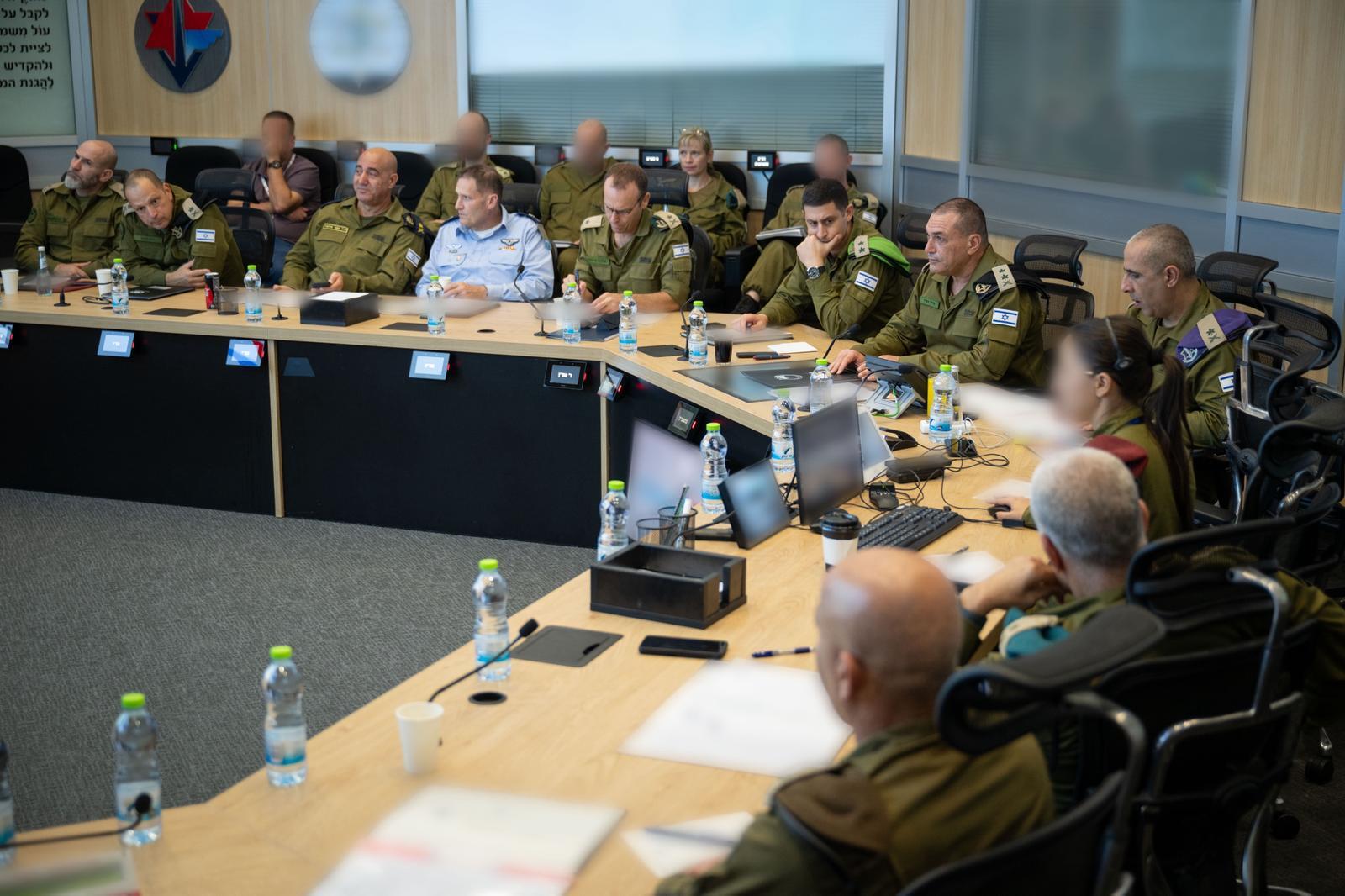
The IDF says it has wrapped up a two-day snap drill that tested the functioning of all of the military’s top-level headquarters.
The exercise, led by the Operations Directorate, comes as part of efforts by the army to increase the readiness of troops and implement lessons learned from the war and the failures of October 7, according to the military.
All of the IDF’s directorates, wings and commands participated in the drill.
The exercise began Monday morning with a surprise examination by IDF Chief of Staff Lt. Gen. Eyal Zamir of the 210th “Bashan” Regional Division’s response to a “sudden scenario.” The division is responsible for the border with Syria in the Golan Heights and the Mount Dov area on the border with Lebanon.
The military says that troops drilled various “intensive scenarios,” which tested the functioning of the military’s top headquarters, the defensive and offensive orders given, the conduct of situation assessments at all levels, the activation of standby forces, and the immediate response to emerging threats.
Some of the scenarios included a ground invasion at numerous locations; rocket, missile and drone attacks across multiple fronts; and internal security threats, including suicide bombers and violent riots.
The IDF says logistical and medical scenarios were also drilled.
During the drill, the IDF noted strong performance in implementing new operational plans, as well as improved cooperation with defense bodies and between the military and civilian sectors.
However, the IDF also found that it needs to improve how it conveys the situational picture across different command levels during sudden events, as well as how it manages manpower challenges when facing a high number of casualties.
“In light of the lessons of the war, the IDF is expected to increase the pace of exercises in the near future, as part of improving readiness and alertness,” the army adds.









The Times of Israel Community.