

 From the Liveblog of
Friday, January 9, 2026
From the Liveblog of
Friday, January 9, 2026
Munich Security conference head defends inviting German far-right AfD party
 Add ToI as a Preferred Source on Google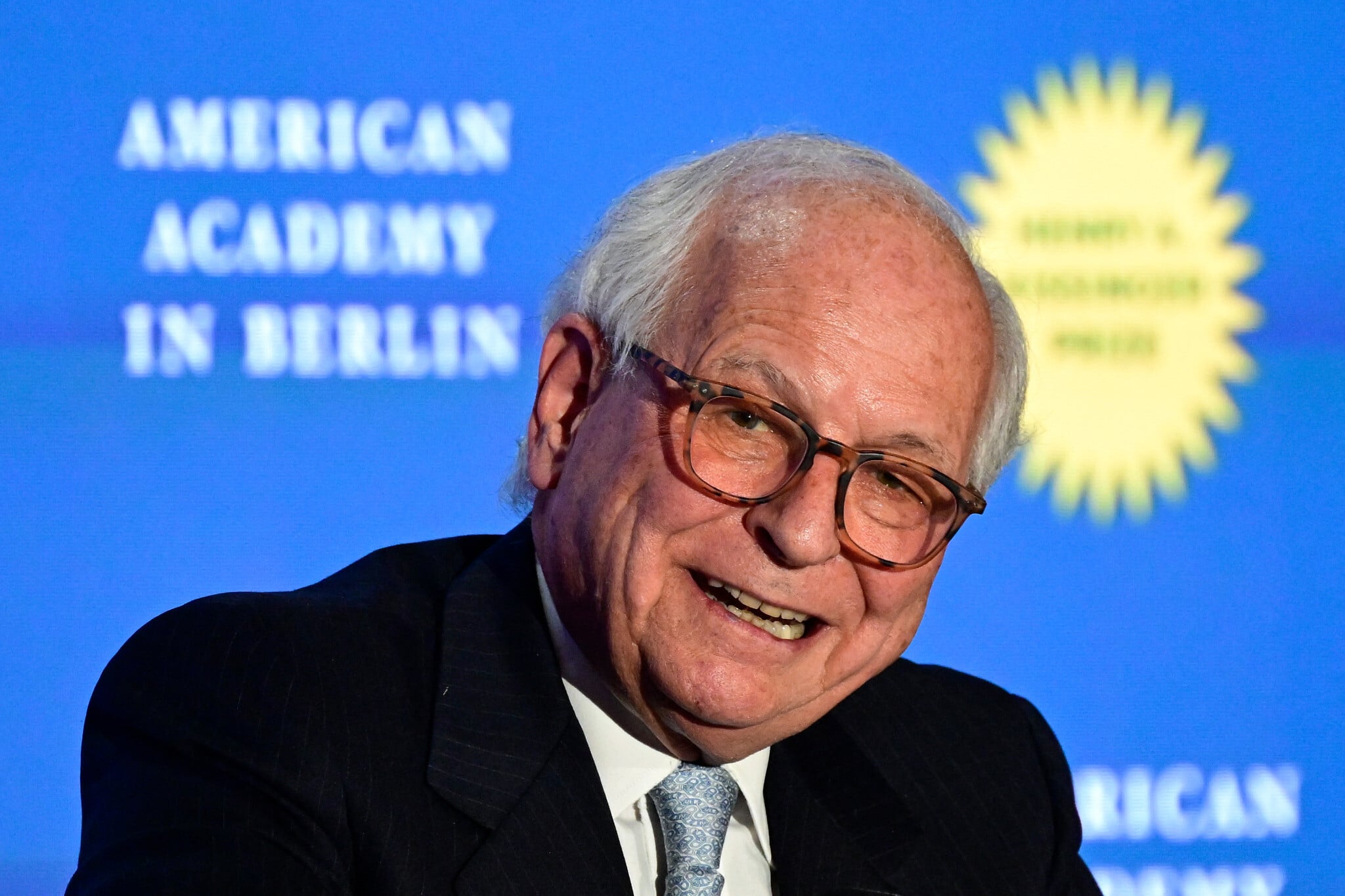
The head of the Munich Security Conference defends a decision to invite the far-right Alternative for Germany (AfD) party to this year’s meeting next month after repeated US accusations that European states and institutions were suppressing free speech.
The annual gathering of security experts and policymakers comes at a time of exceptional uncertainty for Europe, as its leaders struggle to adjust to the upending of decades of trans-Atlantic policy assumptions by US President Donald Trump.
Wolfgang Ischinger, the former German diplomat who heads the conference, says including two or three foreign policy specialists from the AfD, which has not been invited for the past two years, would do no harm and would be “levelling the playing field”.
“It will not allow the AfD to proclaim again that they’re being victimized and that they are marginalized and excluded from German political life,” he tells Reuters in an interview in Berlin late yesterday.
In a report last year, Germany’s intelligence services classified the anti-immigration AfD, which has faced a series of antisemitism scandals over the years, as an “extremist” group. Polls indicate that AfD has the largest backing of any party in the country,
Ischinger says the broad support for the party, the main opposition group in Germany’s parliament, makes it difficult to explain to foreign attendees why it is not possible to meet its representatives at the conference.
He said he is critical of AfD foreign policy, which is opposed to Western military support for Ukraine.
“But maybe by attending some of these speeches in Munich, they’ll have an educational experience,” he says.
The AfD has been leveraging ties with Trump’s Make America Great Again (MAGA) movement over the past year and poses a direct challenge to Chancellor Friedrich Merz’s conservatives in a series of state elections in 2026.
Last year’s conference was marked by US Vice President JD Vance’s attack on European leaders, whom he accused of censoring free speech and failing to control immigration.
The comments by Vance, who met AfD party leader Alice Weidel, were the first of a series of harsh criticisms of Europe by members of the Trump administration over the past year that have deeply unsettled Washington’s allies.




The Times of Israel Community.