

 From the Liveblog of
Sunday, November 16, 2025
From the Liveblog of
Sunday, November 16, 2025
Reports: Bill expanding rabbinical court powers set for final readings this week
 Add ToI as a Preferred Source on Google
Sam Sokol is a former political correspondent at The Times of Israel. He was previously a reporter for the Jerusalem Post, Jewish Telegraphic Agency and Haaretz. He is the author of "Putin’s Hybrid War and the Jews"
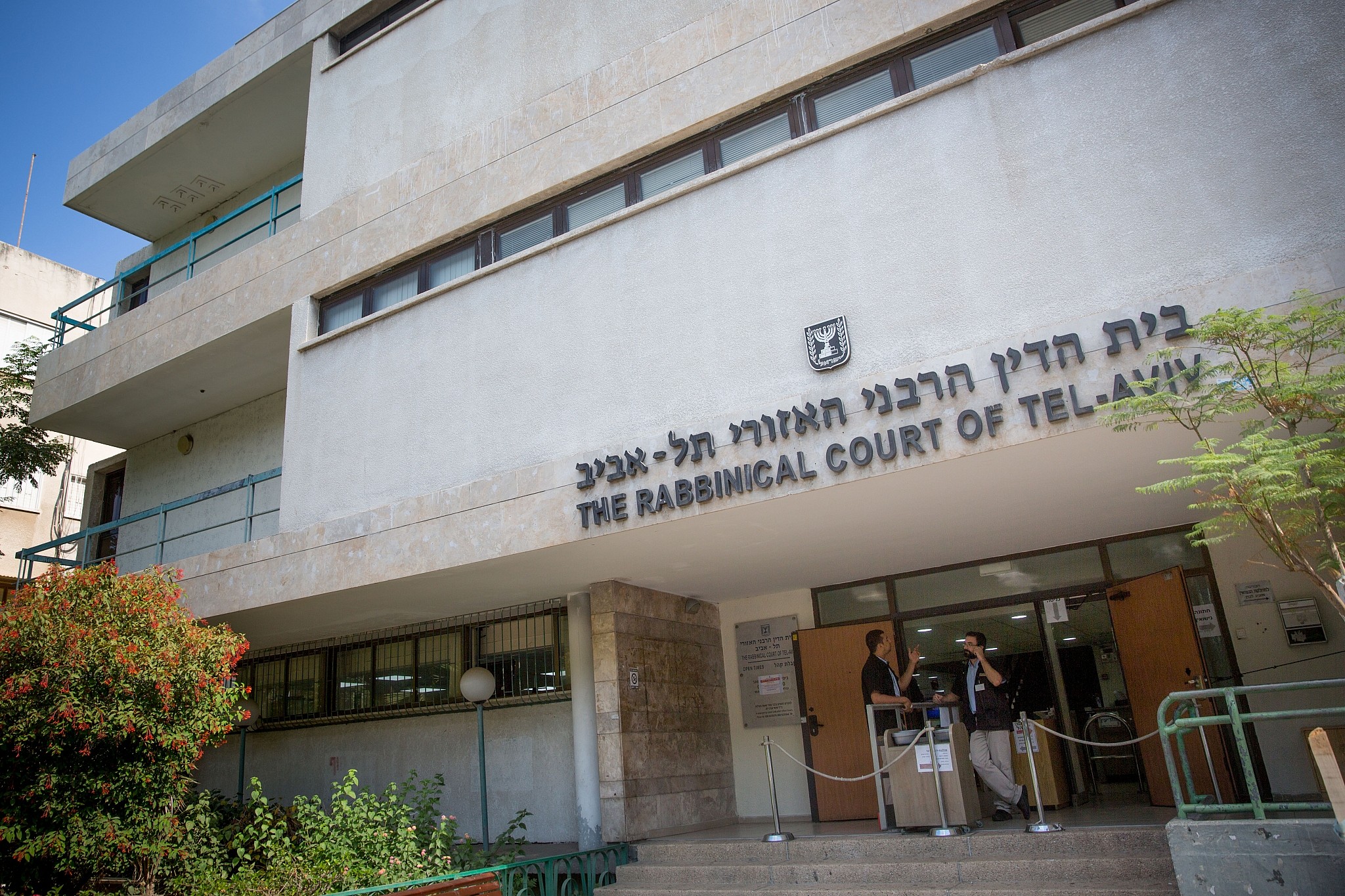
A controversial bill expanding the authority of rabbinical courts will advance to the final two readings needed for it to pass into law this week, according to Hebrew media reports.
The legislation, sponsored by the ultra-Orthodox United Torah Judaism party, passed its first reading earlier this month with the support of Prime Minister Benjamin Netanyahu’s Likud party. Its backing was reportedly part of a quid pro quo in which UTJ voted in favor of Communications Minister Shlomo Karhi’s bill giving the government significant control over broadcast media, news sites and other media.
If passed into law, the religious bill would allow rabbinic courts to arbitrate civil disputes — including relating to child custody — with the consent of both parties.
Rabbinical courts were allowed to act as arbitrators in financial disputes until 2006, when a court determined that they had no standing to do so.
Supporters argue that expanding the courts’ authority would bring them in line with private rabbinical courts and arbiters, while critics assert that the bill would create a power imbalance that’s harmful to weaker segments of society.
A survey released by the religious rights organization ITIM earlier this year found that more than half of Israelis who appeared before a rabbinical court in the past five years felt they were wronged during the procedure.










The Times of Israel Community.