

 From the Liveblog of
Wednesday, August 26, 2026
From the Liveblog of
Wednesday, August 26, 2026
Some oil companies are planning to avoid ships on Iran blacklist amid threats, sources say
 Add ToI as a Preferred Source on Google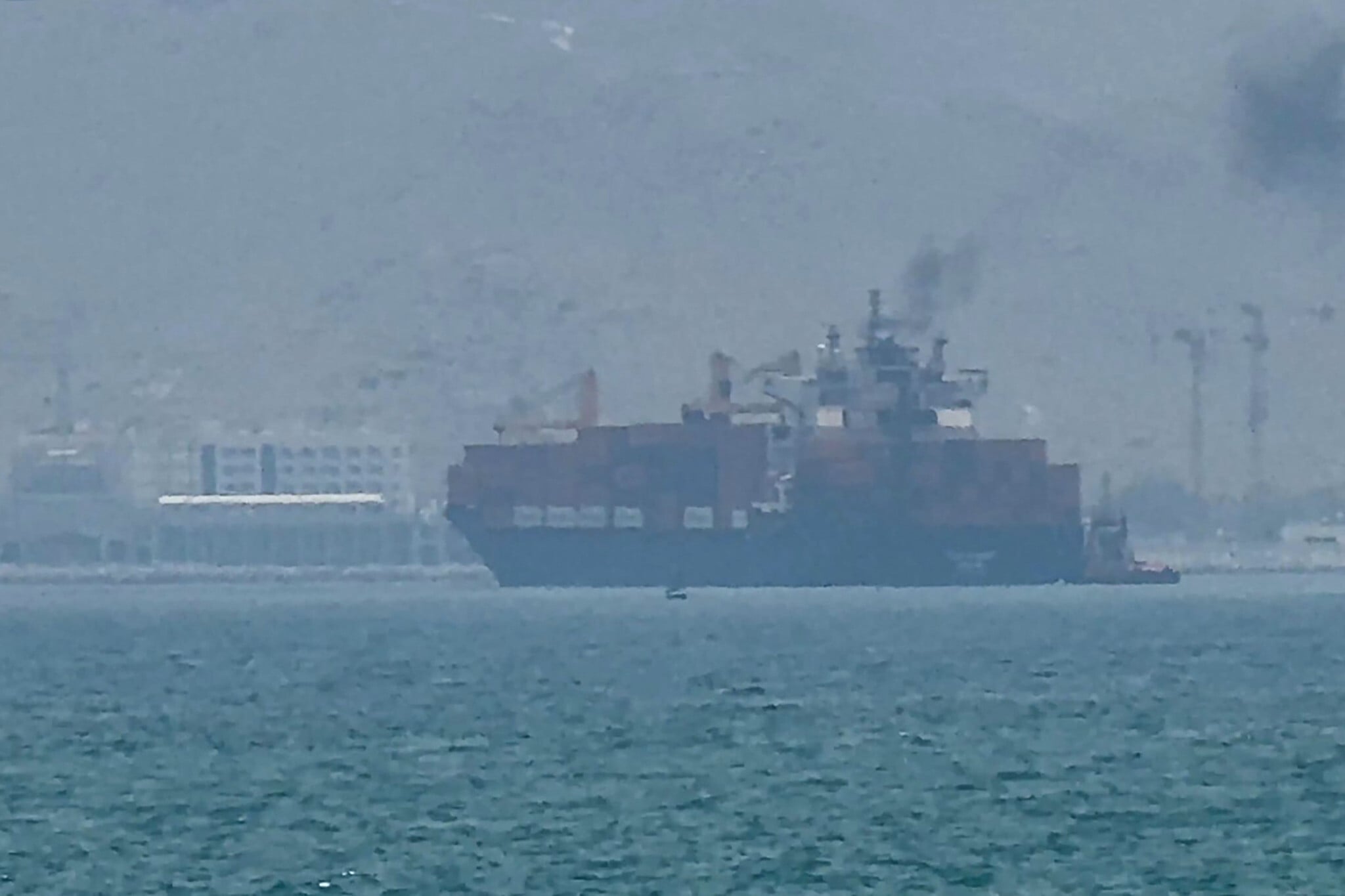
At least three Indian oil refiners and a major global energy firm plan to stop using vessels on Iran’s new blacklist, including for ship-to-ship (STS) transfers, due to security concerns, four sources with direct knowledge of the matter say.
Tehran announced on Sunday a blacklist of 45 ships it said had broken its rules for crossing the Strait of Hormuz, and would take action against any vessels transferring loads with them, escalating its threats over the key waterway.
Iran’s announcement appears designed to impede the so-called shuttle runs Gulf oil producers such as the United Arab Emirates and Saudi Arabia have undertaken with dedicated tankers to move oil from the Gulf through Hormuz for unloading through STS transfers in the Gulf of Oman onto ships to end-users.
The shuttle runs have kept alive oil flows from the Middle East that have been curtailed by Iran’s clampdown on shipping through the strait because of the war.
The named vessels could be fined, detained and have their cargoes confiscated, according to a post on social media website X from the Persian Gulf Strait Authority, a new body set up by Iran to manage the strait.
“We will avoid our chartered vessels dealing or STS or anything to do with non-compliant ships for Middle Eastern cargoes,” says one of the sources, who works at an Indian refinery.
The sources decline to be identified because of the sensitivity of the issue.
Several charterers and shipping firms are discussing internally whether to continue their STS operations or not and are evaluating Iran’s warning, multiple other trade and shipping sources say, with one of them, a Gulf crude buyer, saying it would be safer to buy oil on a delivered basis shipped to a final destination instead of free-on-board at STS locations in the Gulf of Oman.
Those sources also declined to be identified because of the sensitivity of the matter.









The Times of Israel Community.