

 From the Liveblog of
Tuesday, July 2, 2024
From the Liveblog of
Tuesday, July 2, 2024
State Comptroller may launch probe into release of Shifa hospital chief
 Add ToI as a Preferred Source on Google
Jeremy Sharon is The Times of Israel’s legal affairs and settlements reporter
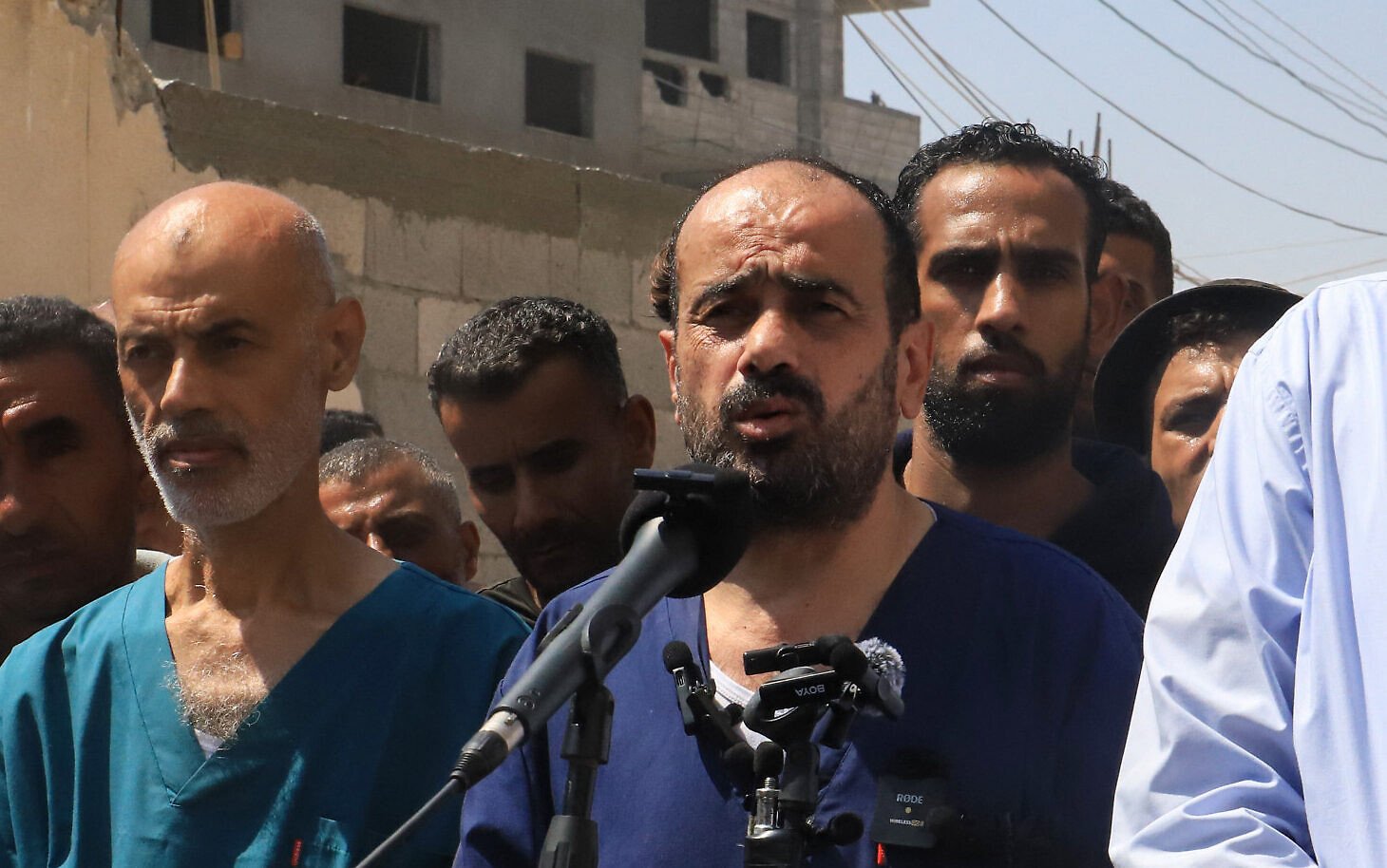
State Comptroller Matanyahu Englman says he may open an examination into how the director of the Shifa Hospital in Gaza was released from custody by Israeli authorities earlier this week despite being suspected of collaboration with Hamas.
Englman says he will request that the prime minister provide him with any material that comes out of internal investigations into why Mohammad Abu Salmiya was set free despite his apparent connections to the terror group in order to check whether the error was reflective of deeper problems in the decision-making process for security issues.
Englman says that security officials have stated that “severe crimes were carried out” in Shifa under Abu Salmiya’s tenure and that “naturally, the director of the hospital… bears responsibility.”
He also notes that Abu Salmiya’s release led to a rancorous exchange of accusations between National Security Minister Itamar Ben Gvir, Defense Minister Yoav Gallant and Shin Bet Chief Ronen Bar, while Prime Minister Benjamin Netanyahu claimed that the High Court of Justice also shared partial blame.
“The dialogue between political and security officials that is taking place on the issue raises concerns that no organized work was done that examined all aspects of [Abu Salmiya’s] release,” says the state comptroller.
“After we look at the investigations we will check the need to open a review into the issue. It is essential to ensure that the process for making decisions in this matter is not symptomatic of a fundamental problem in the decision-making process for security issues,” says Englman.







The Times of Israel Community.