

Major transit shakeups, closures enforced ahead of Lag B’Omer pilgrimage to Mount Meron
Police said set to allow 63,000 celebrants at a time for Thursday’s event at the site, where 45 died in 2021 crowd crush
 Add ToI as a Preferred Source on Google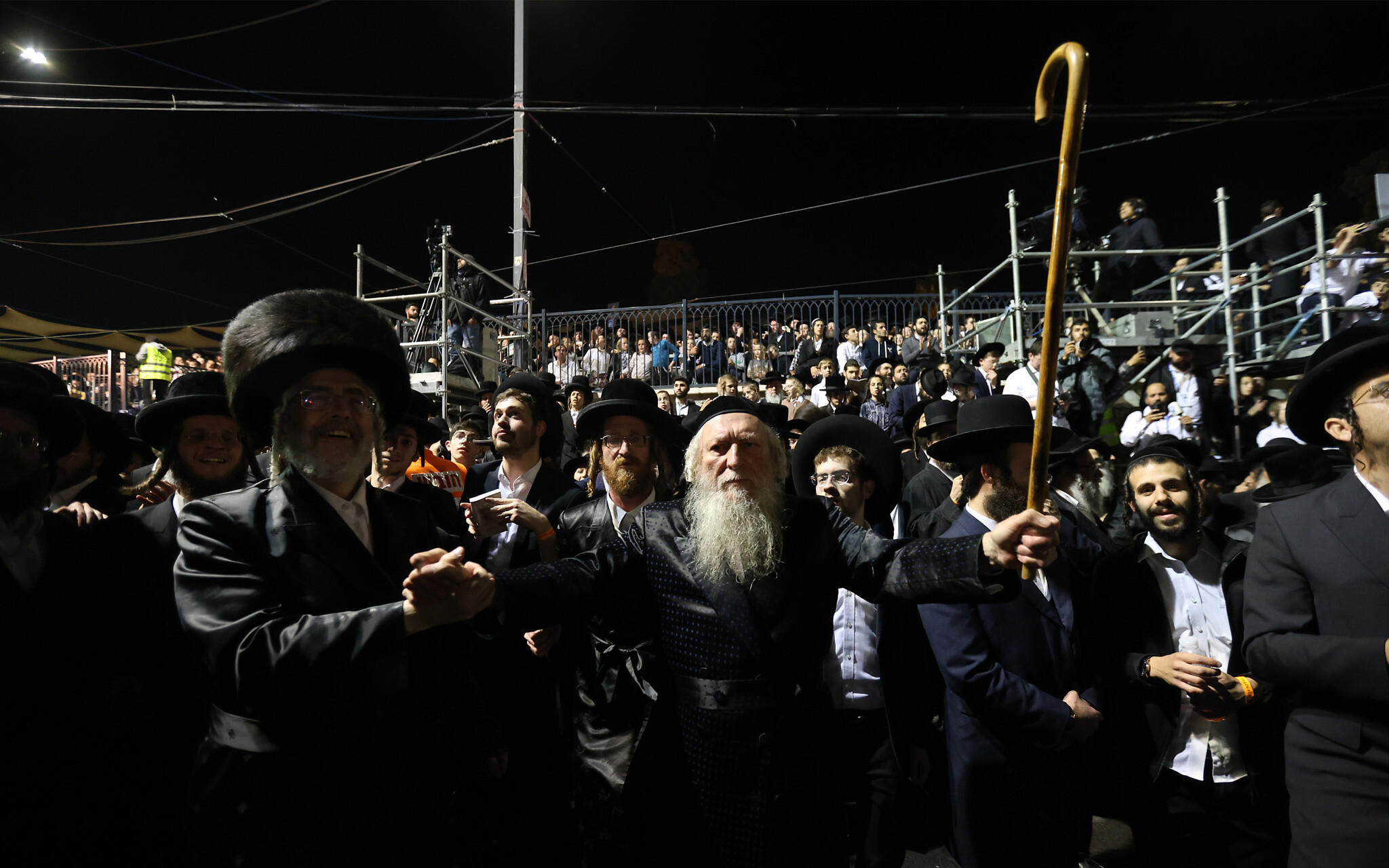
Authorities are gearing up for the Lag B’Omer holiday celebration at Mount Meron starting Thursday evening, when masses of Haredi pilgrims will throng the Galilee holy site in a move expected to cause widespread disruptions to public transportation amid security measures put in place following a deadly crowd crush at the site in 2021.
In a first, the Transportation Ministry reshuffled bus and train routes ahead of the festival — canceling some and setting aside others for the exclusive use of the pilgrims — sparking frustration among the general public as many were stripped of their usual transportation options.
Police blocked roads in and around the Galilee mountain and are restricting entry into nearby towns, also causing locals to bristle.
“[Residents’] daily routine will be damaged, there is no escape from this,” acknowledged Northern Police District commander Meir Eliyahu, who added that officers were trying their best to ensure disruptions to everyday life are kept to a minimum.
The Lag B’Omer revelry at the tomb of Rabbi Shimon Bar Yochai is one of the country’s largest annual religious celebrations. The festival typically draws over 100,000 celebrants for dancing, singing and the lighting of bonfires through the night and into the next day.
The massive crowds that tightly pack the Mount Meron complex have posed a major challenge to authorities year after year, particularly after a 2021 crowd crush killed 45 people and injured over 100 as they traversed a slippery walkway at the shrine, causing Israel’s deadliest peacetime disaster.
A state commission of inquiry into the incident released a report three years later addressing authorities’ failings. It found, among other conclusions, that police had been aware of severe overcrowding in prior years but failed to act on it.
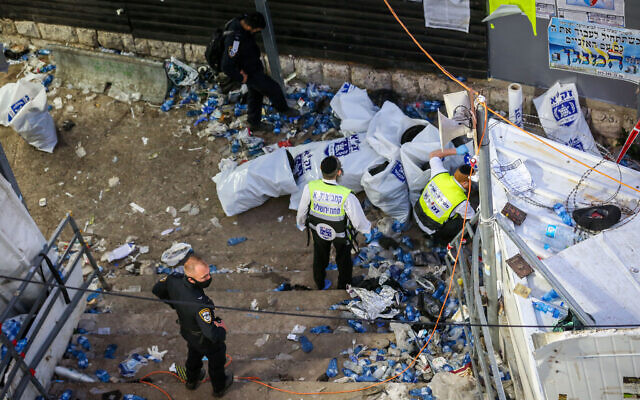
“There was awareness of both the danger of overcrowding and its severity,” read the report. Although the issue “came up repeatedly over the years,” police treated the danger like “an unchangeable reality, as if it were fate.”
This year, however, police plan to limit attendance on Mount Meron to 63,000 people at any given moment, Yehuda Hershler, a spokesman for the event, told The Times of Israel Wednesday.
Hershler added that the event organizers, who produce it in cooperation with the Jerusalem Affairs and Heritage Ministry, renovated the site and expanded several areas in the complex — including walkways, prayer areas and the spaces for bonfire lighting — in hopes of preventing another disaster.
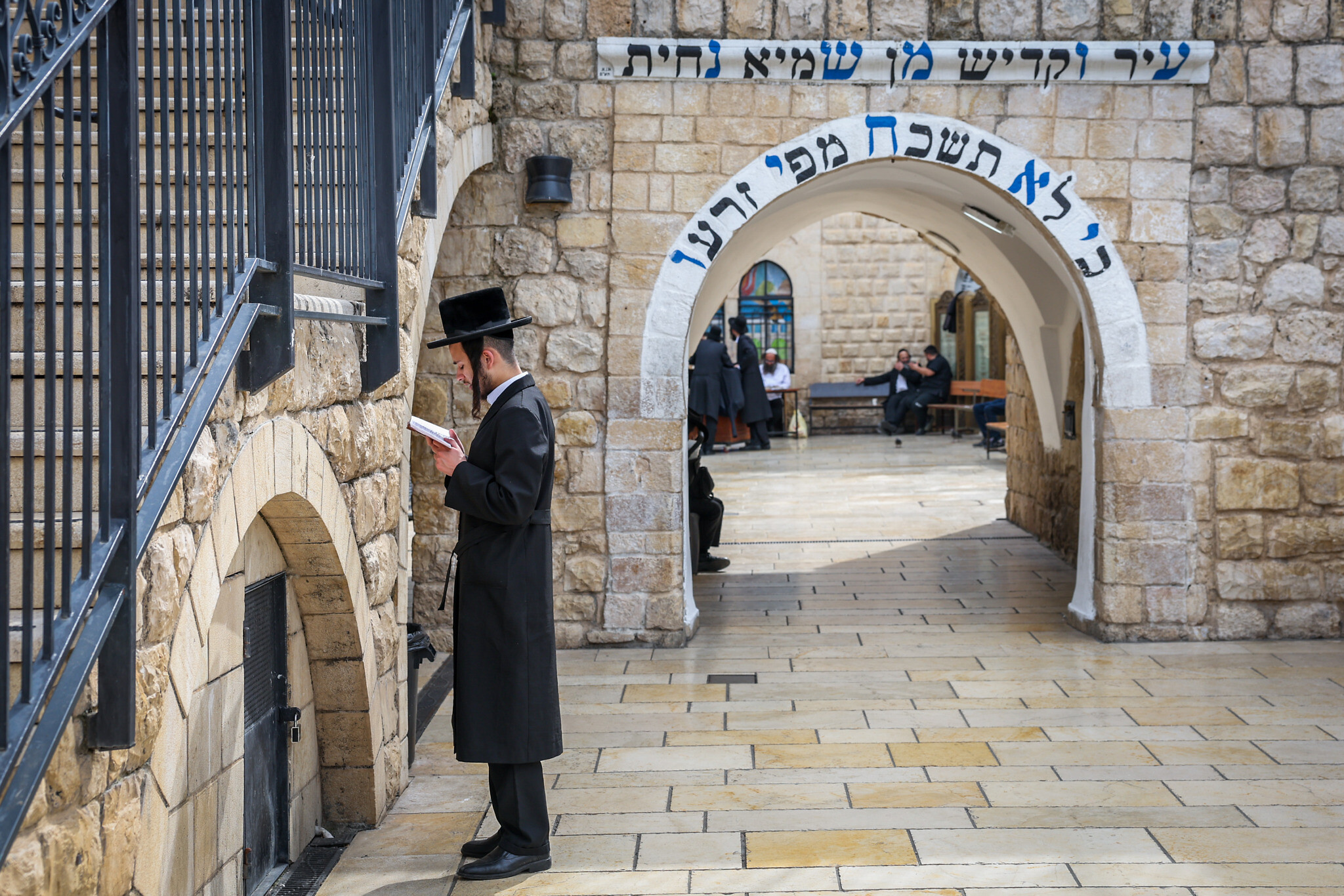
Attendees will enter and exit the compound according to specific time slots, and are barred from arriving directly in private vehicles. The only way to get to the mountain tomb will be by bus, train or shuttle from a nearby parking lot.
Though the event, known as Yom Hillula, usually lasts for 30 hours, this year’s festivities will be cut short as participants travel home early Friday evening in preparation for Shabbat.
Barred from driving straight to the shrine, most attendees will take buses dedicated specifically for the event, amid transit authorities’ unprecedented reshuffling of buses to the north.
Israel Railways also diverted trains from the center and south for the exclusive use of those returning from the pilgrimage site from Thursday to Friday, leading to gaps in service in southern and central Israel.
A major train route between Tel Aviv and Beersheba will not operate between 9 a.m. and 1 p.m. Thursday, and the northern Karmiel station will be closed from Thursday to Friday to all passengers except returnees from Mount Meron.
The special arrangements cost the ministry some NIS 12.5 million ($3.5 million), reported Channel 12 News.
Advocacy group Israel Hofsheet railed against the adjustments in a formal warning letter to the Transportation Ministry, calling the station closure and direction of trains on the Tel Aviv-Beersheba line an act of “discrimination against the general public.”
The group noted that Thursday is considered a peak day for train activity, as many soldiers return home for the weekend.
“The right of Meron attendees to access public transportation cannot come at the expense of IDF soldiers, residents of the north and south, or any other citizen. Active-duty soldiers have the right to return home for the weekend,” said the organization’s director Uri Keidar in a statement Monday.
At a press conference Monday, Jerusalem Affairs and Jewish Heritage Minister Meir Porush, whose ministry is overseeing the event, largely dismissed residents’ concerns.
“I am a seventh-generation Jerusalem resident. It’s been almost 70 years that I have seen the city close for all sorts of events, and I never dreamed for a second of leaving it,” he said. “In this instance, you have the great privilege of suffering a tiny bit so that many Jews can rejoice.”

Lag B’Omer, which marks the 33rd day of the quasi-mourning period between the holidays of Passover and Shavuot, commemorates Bar Yochai, a rabbi believed to have died on the holiday, who instructed his followers to hold festivities on the anniversary of his death.
Last year, Mount Meron was closed to most celebrants for fear of rocket fire from Hezbollah. Only 30 people at a time were allowed at the tomb, leading many to gather in Beit Shemesh or at the tomb of Shimon HaTzadik in the East Jerusalem neighborhood of Sheikh Jarrah.
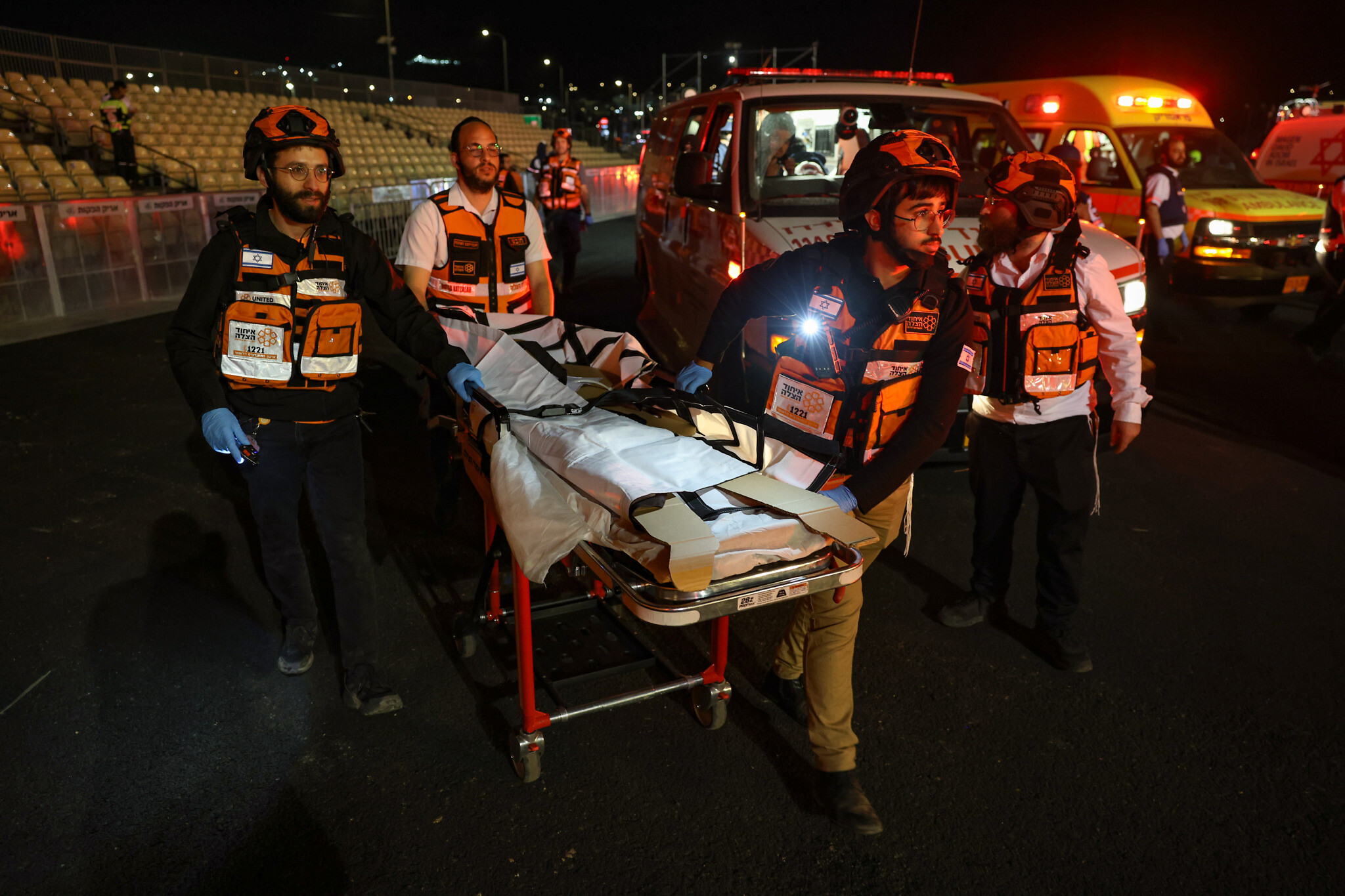
Police, firefighters and MDA paramedics ran drills at Meron earlier this week in preparation for potential disaster scenarios ahead of the holiday, including a terror attack, rocket fire from Lebanon, a crowd crush, and road blockages.
In light of the massive wildfires that tore through the Jerusalem hills earlier in May, fire buffer zones were added around the mountain to slow the spread of a potential fire, said Uri Cohen, the Northern District fire service spokesman.
According to Cohen, over 160 Fire and Rescue Service personnel will deploy in the mountain area. Firefighters in the KKL and Nature and Parks Authority will also be at the scene.








The Times of Israel Community.