

Merz vows perpetrators of attempted drone attack on German airport ‘will pay’
Chancellor says Berlin will soon reveal those responsible for plot targeting NATO and Ukrainian military logistics hub; Russian intelligence suspected, Moscow denies involvement
 Add ToI as a Preferred Source on Google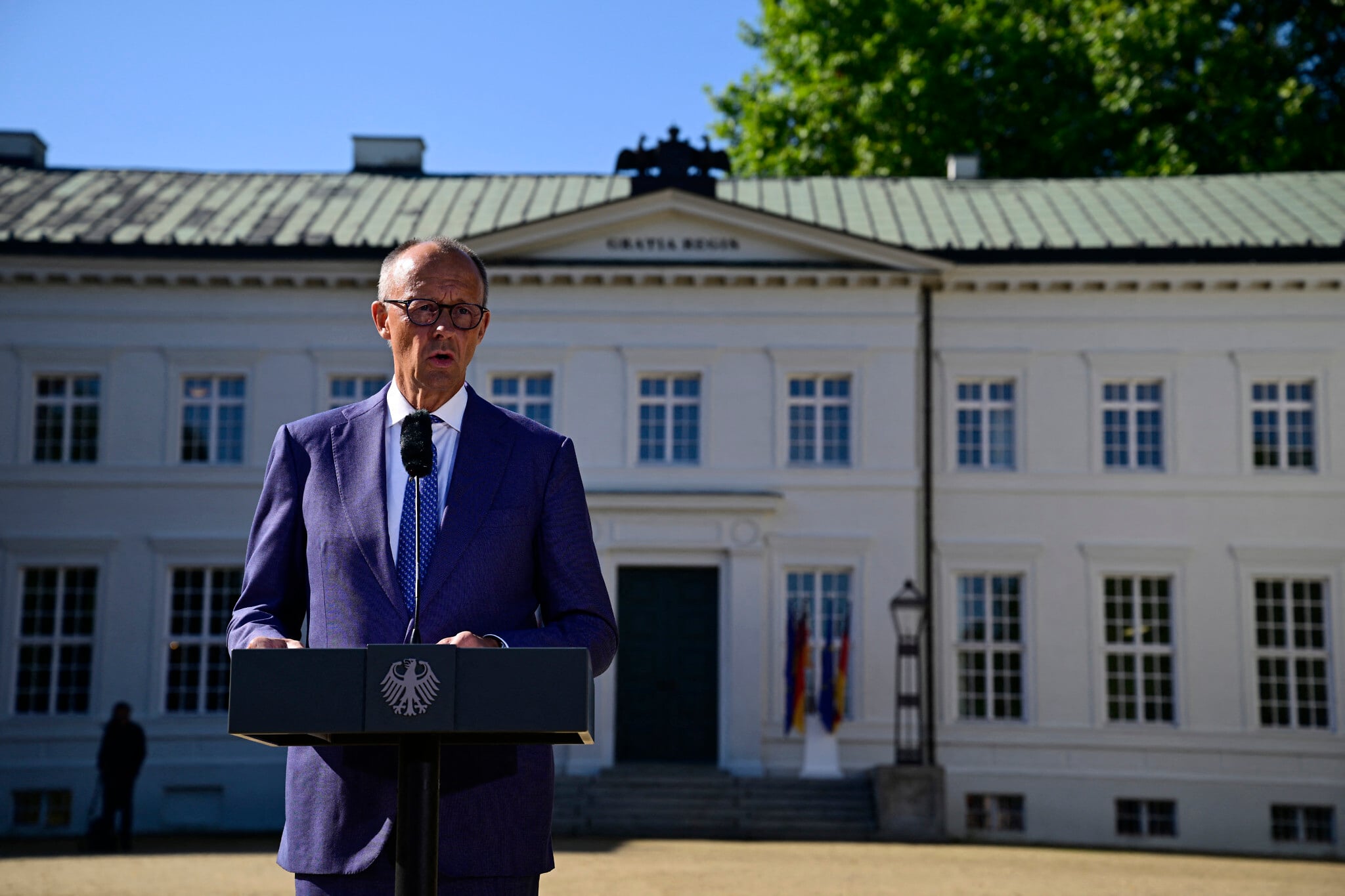
German Chancellor Friedrich Merz said Tuesday that people and groups behind hybrid attacks against Germany, such as an explosive drone found at an airport, “will pay for them,” without naming a suspected perpetrator.
Germany had increasingly “found itself in the crosshairs of hybrid attackers,” Merz said, referring to an incident at Leipzig airport earlier this month where police defused a drone found near a Ukrainian airplane.
German Defense Minister Boris Pistorius similarly warned in January of “the increasing number of hybrid attacks in many European countries, with critical infrastructure being targeted at the click of a mouse, data cables being cut in the Baltic Sea, drone-based espionage and media disinformation campaigns.”
Merz also said that the German government would soon announce who was responsible for the attempted drone attack.
Speaking at a coalition summit, Merz said his government was “working closely with the security authorities on this, and we will set this out and comment on it shortly.”
Security sources cited by local media suspect the involvement of Russian intelligence in the attempted attack, but Berlin has not made any direct accusations.
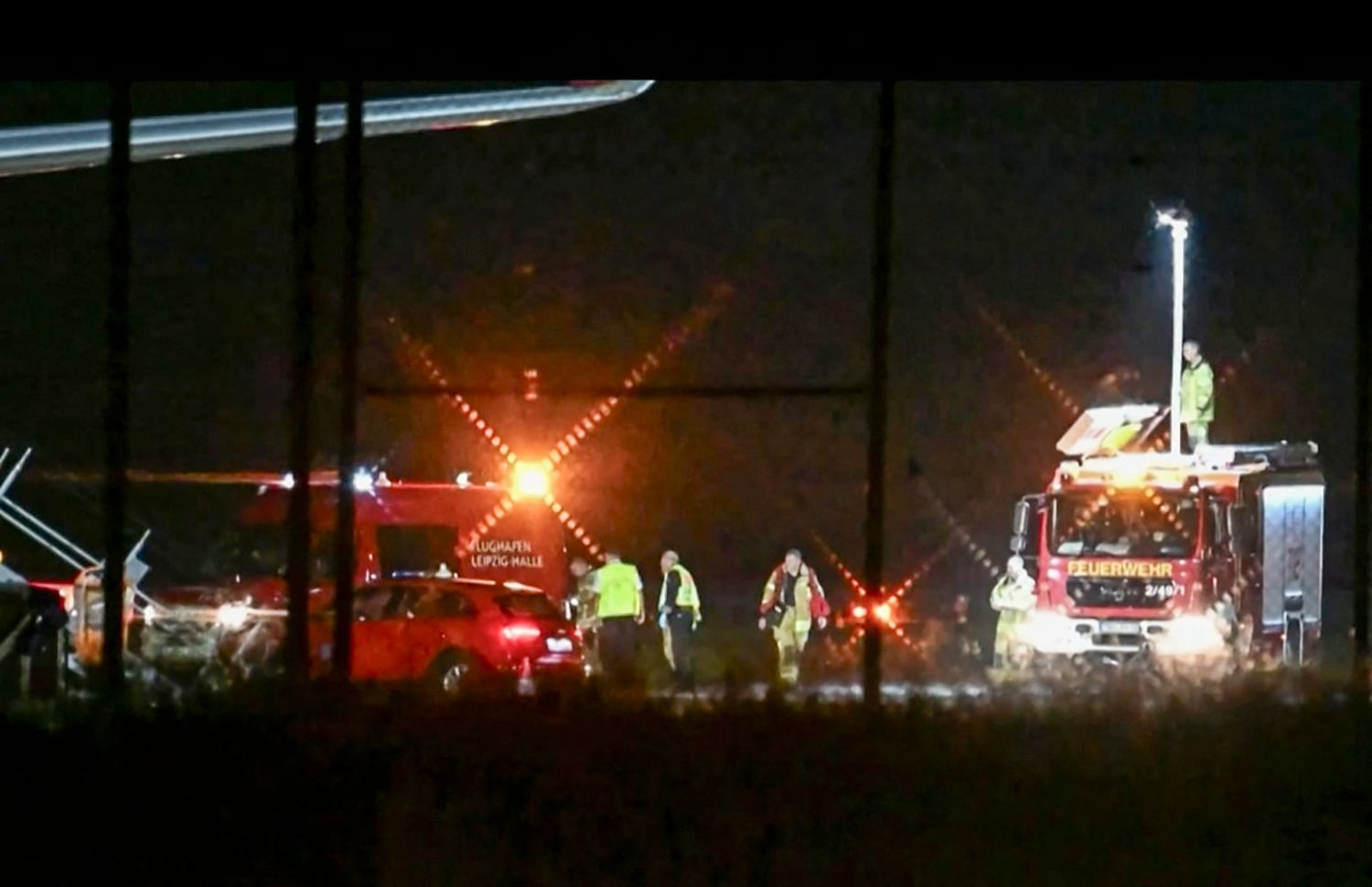
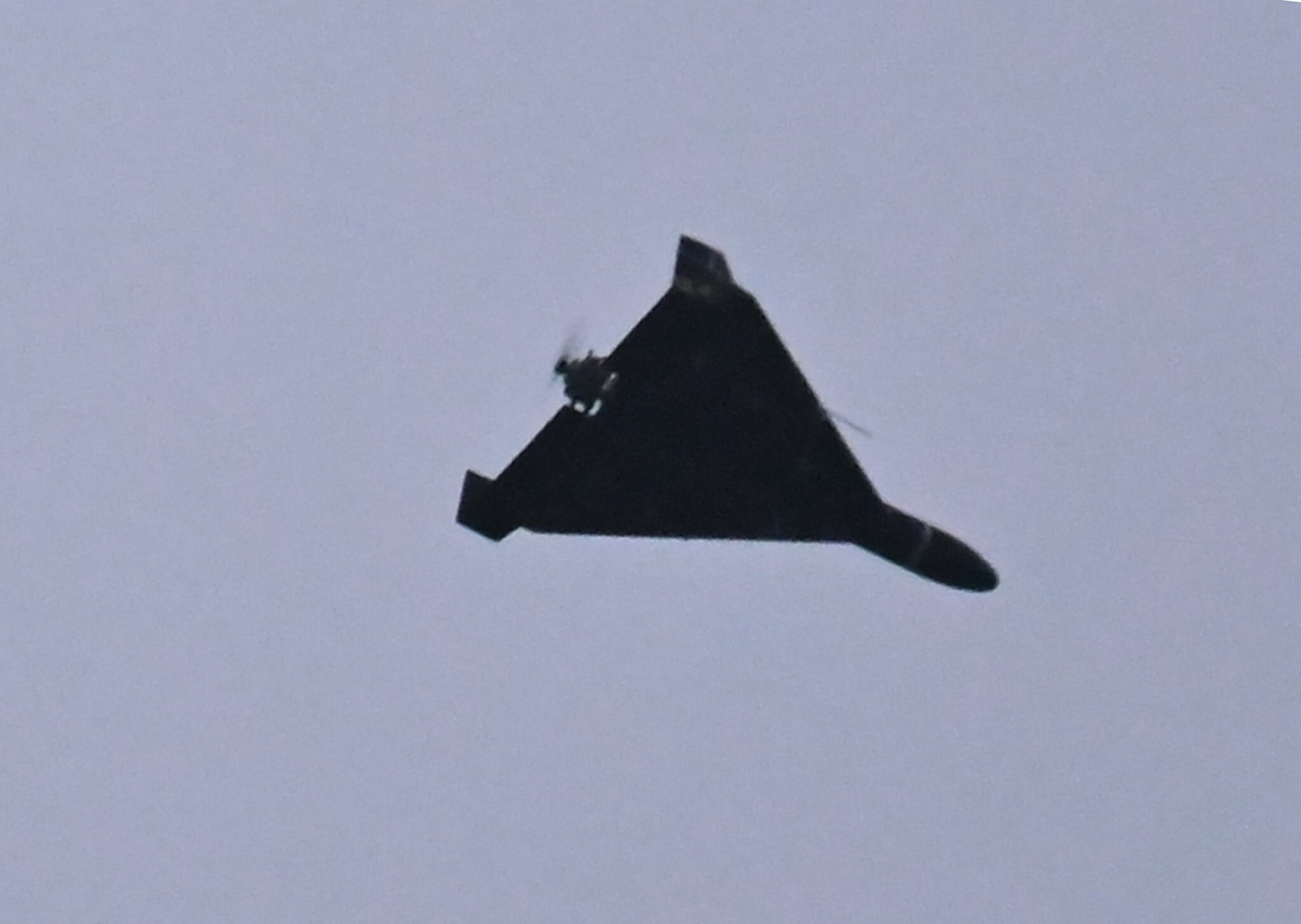
On August 4, an explosives-laden drone was discovered near a Ukrainian Antonov cargo aircraft used for military supplies. Investigators suspect a second drone collided with a DHL cargo plane soon after the airport’s temporary shutdown.
The airport is a cargo and military logistics hub used by NATO and Ukraine’s Antonov Airlines for military supplies.
German investigators discovered a third drone and suspected explosives linked to the attempted attack 10 days later, broadcasters NDR and WDR and the Sueddeutsche Zeitung newspaper reported on Tuesday.
The drone was found to the west of the airport, where investigators also discovered about 50 grams (1.8 oz) of a substance they suspected to be the military explosive hexogen, the media reports said.
The office of the prosecutor general declined to comment on the report. Moscow has denied any involvement in the incident.
Germany, Europe’s top economy and home to more than 83 million people, is a strong military supporter of Ukraine in its war against Russia and a central hub for NATO forces on the continent.
After decades of stability following the end of the Cold War, it is now scrambling to rebuild its military to deter Russia — but also to improve resilience on the home front.





The Times of Israel Community.