

Muslims in Jerusalem hold Ramadan prayers outdoors amid virus lockdown
In normal years, tens of thousands attend Friday prayers at the Al-Aqsa Mosque during the holy month of Ramadan, but coronavirus restrictions are limiting them to small groups
 Add ToI as a Preferred Source on Google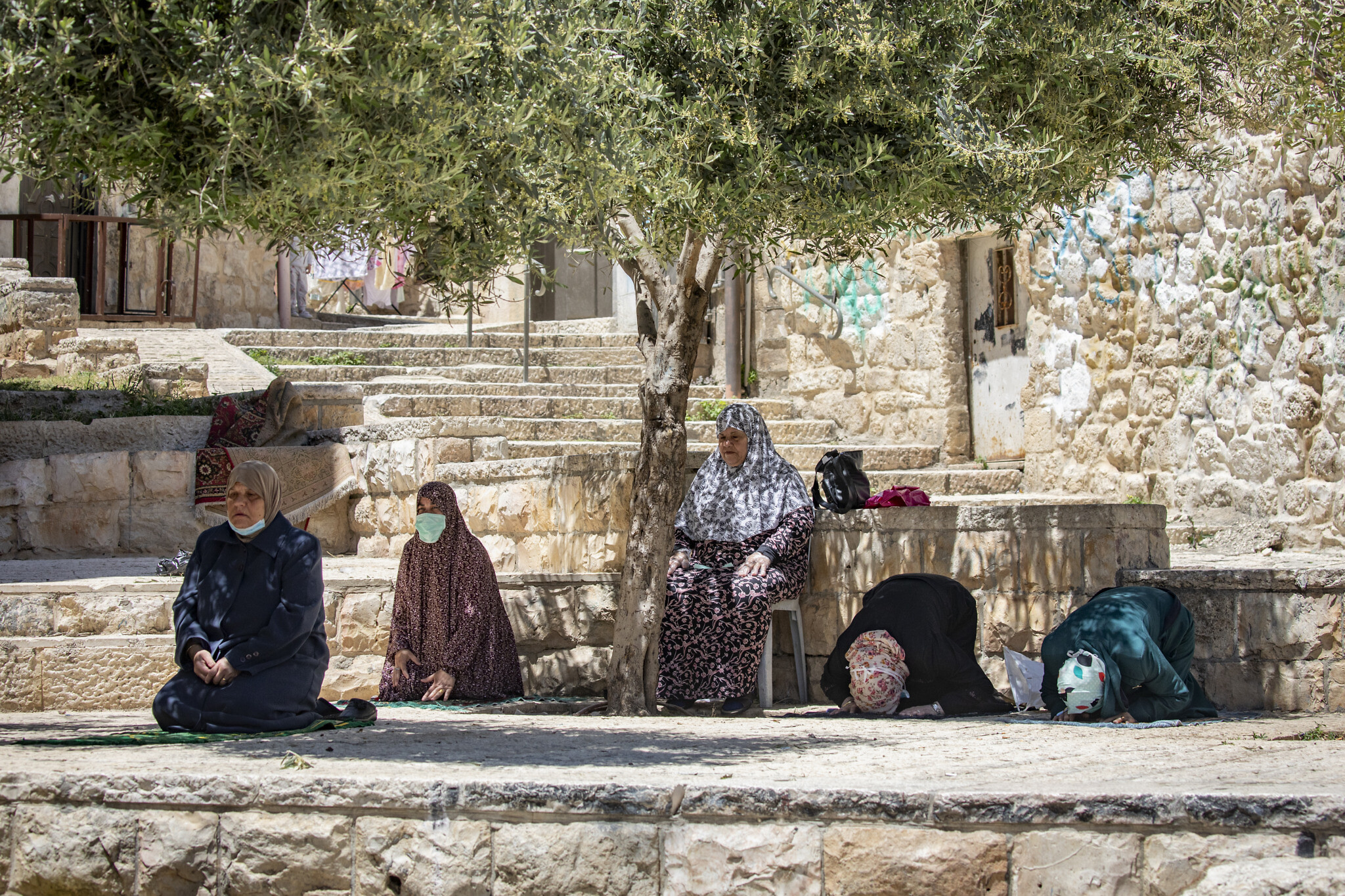
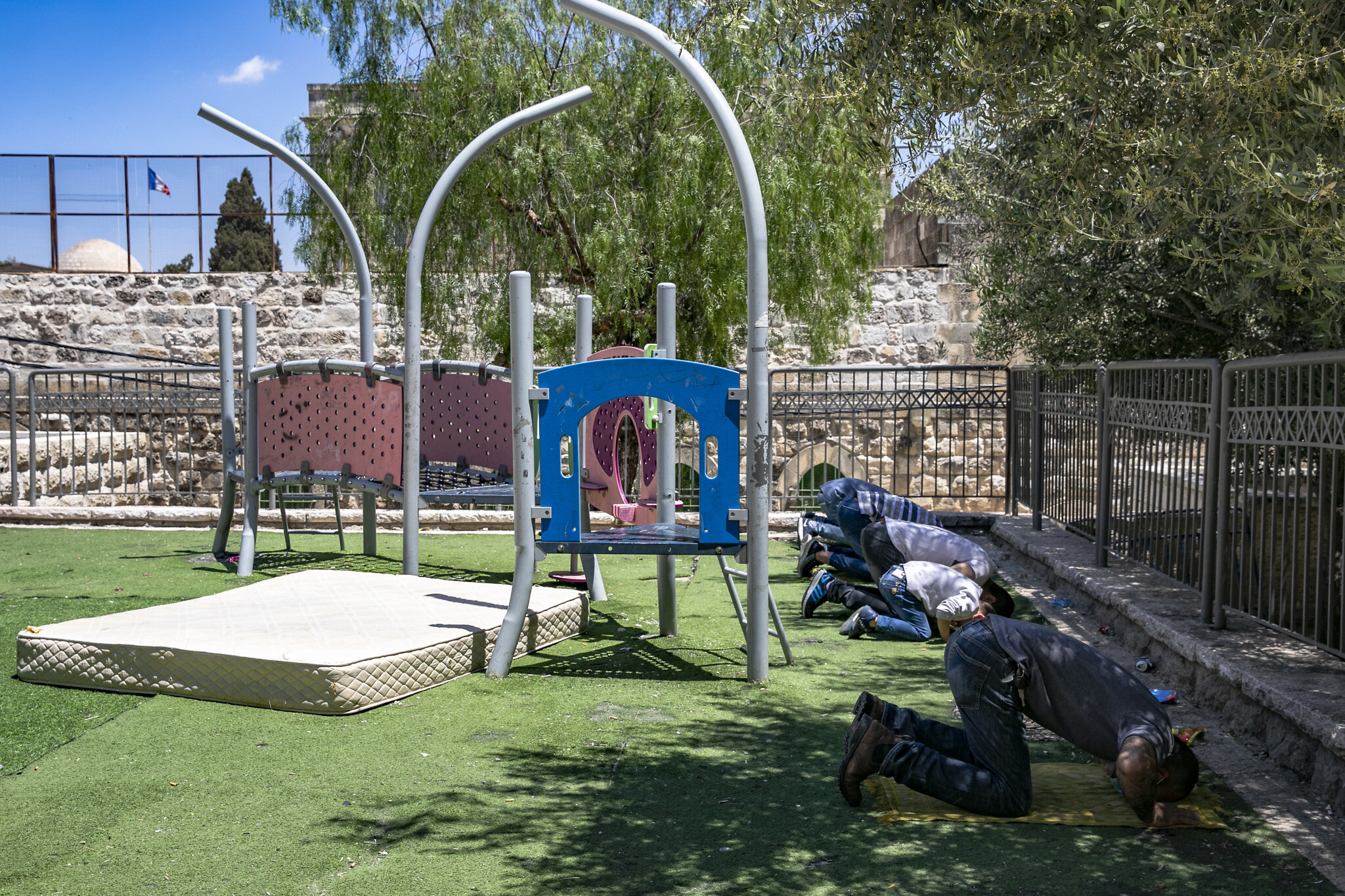
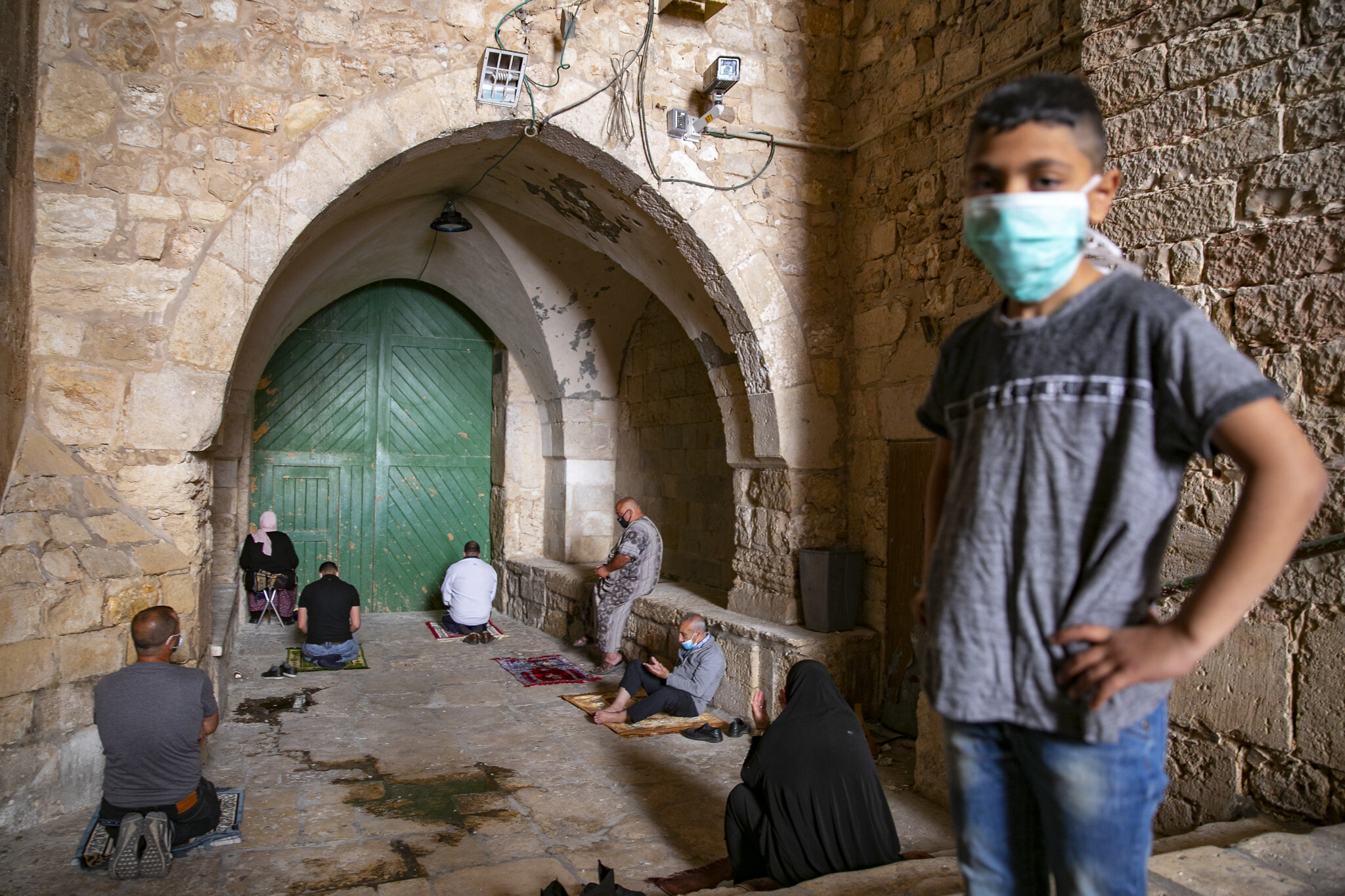
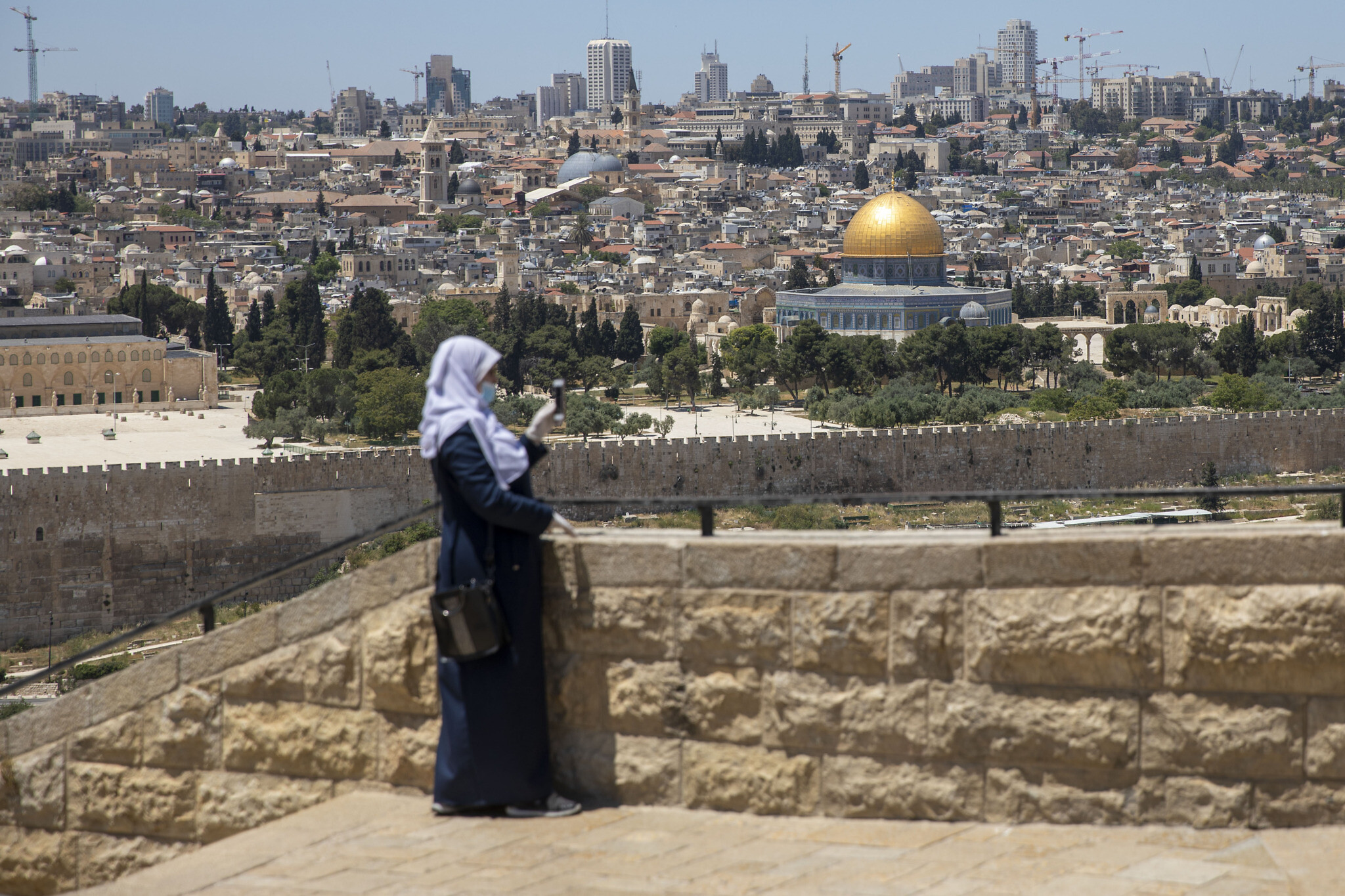
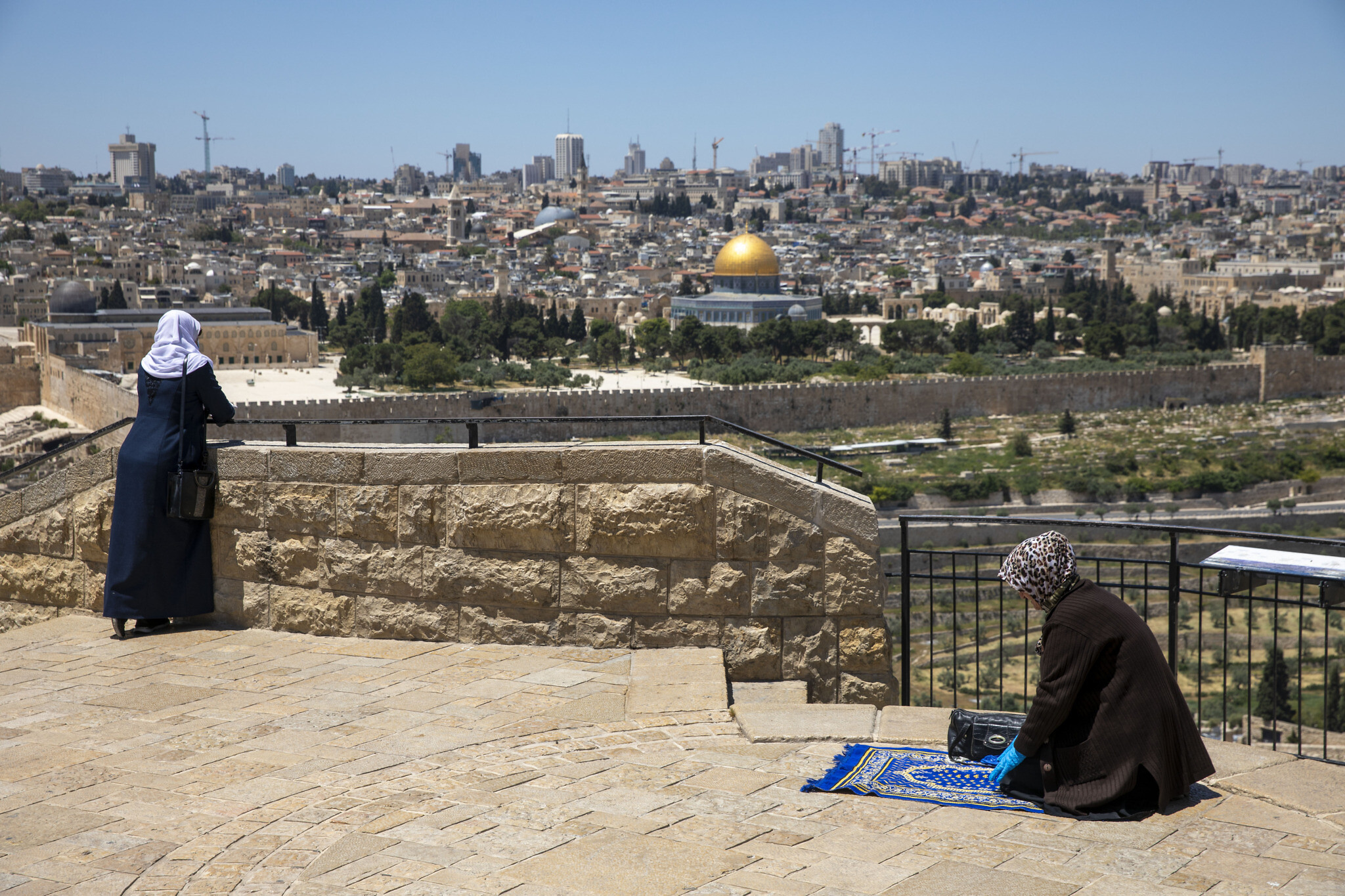
Muslims in Jerusalem are praying outside in small groups during the holy month of Ramadan as measures aimed at curbing the coronavirus pandemic remain in place, including a halt to prayers at the Al-Aqsa Mosque compound on the Temple Mount, the third holiest site in Islam.
Prayers at Jerusalem’s world-famous religious sites, sacred to Jews, Muslims and Christians were halted or heavily restricted last month as Israel and the Palestinian Authority imposed sweeping lockdowns to prevent the spread of the virus.
Some regulations have been lifted in recent days, allowing many non-essential businesses to reopen. But the ban on large gatherings remains in place. Group prayers can only be held outside by up to 19 people standing at least two meters (yards) apart.
Ramadan usually brings tens of thousands of worshippers to the Al-Aqsa Mosque and the adjacent Dome of the Rock for evening prayers known as “taraweeh.” The site is administered by an Islamic endowment, which halted prayers there several weeks ago.
Al-Aqsa is the third holiest site in Islam, after Mecca and Medina. The sprawling esplanade is the location of the ancient Jewish temples and is the holiest site for Jews.
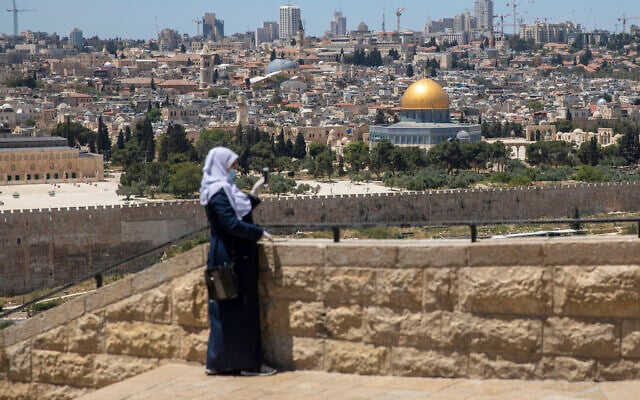
Shops in Muslim-majority areas are required to close at 6 p.m. every night but can make deliveries. The measure is aimed at preventing people from gathering after the daily dawn-to-dusk fast. After nightfall, Muslims traditionally feast with family and friends.
Israel imposed similar measures to prevent gatherings during recent Jewish and national holidays. The Palestinian Authority, which governs parts of the West Bank, has also heavily restricted movement over the last six weeks.
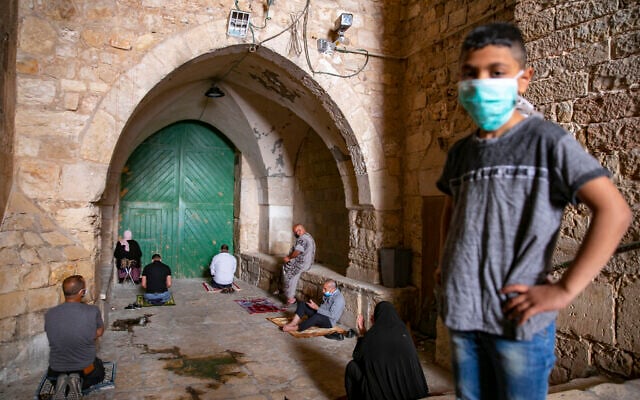
(Olivier Fitoussi/Flash90)
The virus causes mild to moderate symptoms in most patients, who recover within a few weeks, but it can cause severe illness or death, particularly older people and those with underlying health problems.
Israel has reported more than 16,000 cases and 223 deaths. More than half of those infected in Israel have recovered. The Palestinian Authority has reported nearly 330 cases and two fatalities.







The Times of Israel Community.