

Nasrallah threatens revenge for Israeli raids, but how and where can he deliver?
Hezbollah leader specified that response will come from Lebanese territory, but even the Shi’ites there want to avoid dragging the country into war

 Add ToI as a Preferred Source on Google
Avi Issacharoff, The Times of Israel's Middle East analyst, fills the same role for Walla, the leading portal in Israel. He is also a guest commentator on many different radio shows and current affairs programs on television. Until 2012, he was a reporter and commentator on Arab affairs for the Haaretz newspaper. He also lectures on modern Palestinian history at Tel Aviv University, and is currently writing a script for an action-drama series for the Israeli satellite Television "YES." Born in Jerusalem, he graduated cum laude from Ben Gurion University with a B.A. in Middle Eastern studies and then earned his M.A. from Tel Aviv University on the same subject, also cum laude. A fluent Arabic speaker, Avi was the Middle East Affairs correspondent for Israeli Public Radio covering the Israeli-Palestinian conflict, the war in Iraq and the Arab countries between the years 2003-2006. Avi directed and edited short documentary films on Israeli television programs dealing with the Middle East. In 2002 he won the "best reporter" award for the "Israel Radio” for his coverage of the second intifada. In 2004, together with Amos Harel, he wrote "The Seventh War - How we won and why we lost the war with the Palestinians." A year later the book won an award from the Institute for Strategic Studies for containing the best research on security affairs in Israel. In 2008, Issacharoff and Harel published their second book, entitled "34 Days - The Story of the Second Lebanon War," which won the same prize.
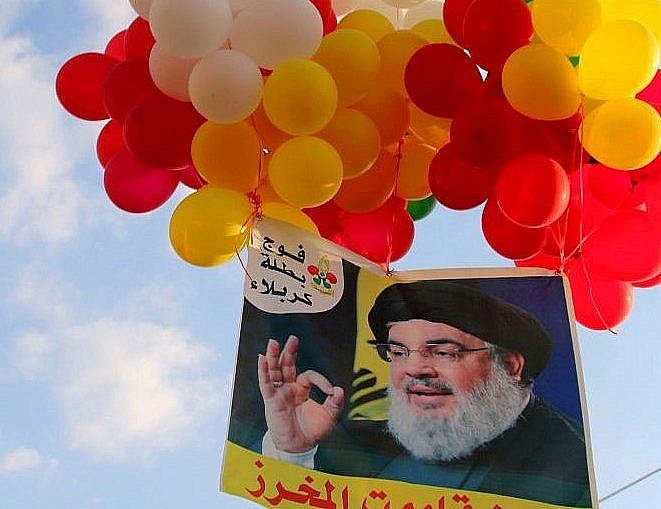
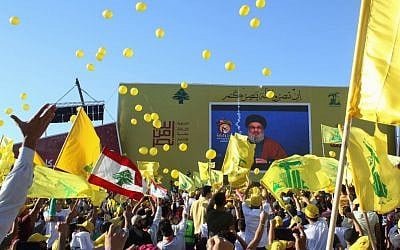
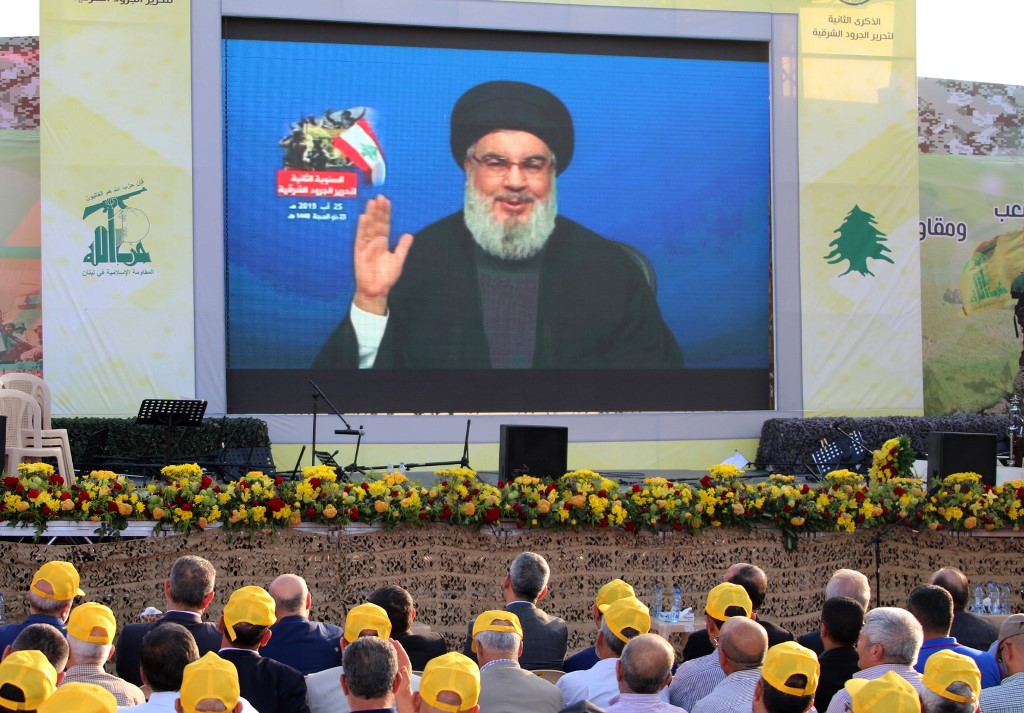
Hassan Nasrallah’s speech on Sunday evening began in relatively moderate tones. The Hezbollah leader opened by praising his audience, at what was a preplanned event marking two years since a major Hezbollah victory over Islamic State, and described the gathering as a first response to Zionist aggression. From Nasrallah’s initial remarks, one might have thought that he had changed his spots, and intended to focus on internal Lebanese issues: He talked about corruption in Lebanon, and on Hezbollah’s achievements in the battles against IS.
But toward the end of his speech, the more familiar Nasrallah appeared — the Nasrallah who has made a profession out of threatening Israel.
Nasrallah swore before all who heard him, and especially before the Shi’ite community, that a Hezbollah response to that latest Zionist aggression would most surely come. He said that two Hezbollah fighters had been killed in the Israeli strikes south of Damascus late Saturday night — when Israel preempted what it says was an Iranian-orchestrated attack on Israeli civilian and military targets by “killer drones” — and specified that his organization would respond from Lebanese territory and not from Syria.
He also referred to the drones that fell in the Dahiya neighborhood of Beirut and claimed this was an Israeli attack on a Hezbollah target — the first attack of its kind, he claimed, since 2006. The era in which Israel bombs Lebanon with impunity was over, he declared.
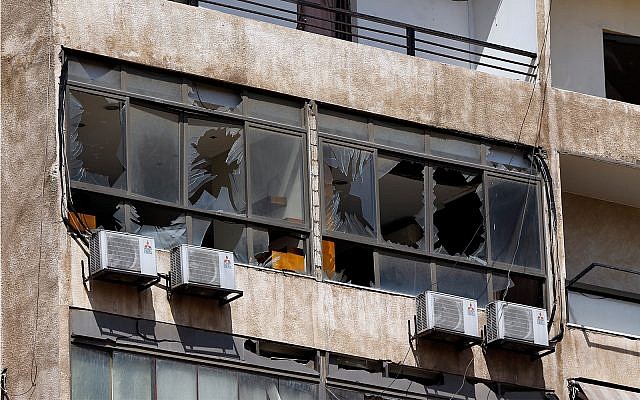
The fact that Nasrallah went into such specifics leaves no room for doubt that Hezbollah intends to respond to the series of recent strikes in Syria, Lebanon, and possibly even Iraq; a fresh drone strike on Shi’ite militiamen in Iraq was being reported even as he spoke. The question is when, where and how exactly will Hezbollah respond?
It is reasonable to assume that neither Hezbollah nor Iran wishes to prompt all-out war with Israel, but rather to bolster their deterrent capability and require Israel to weigh afresh its policy of attacking targets in Syria and Iraq.
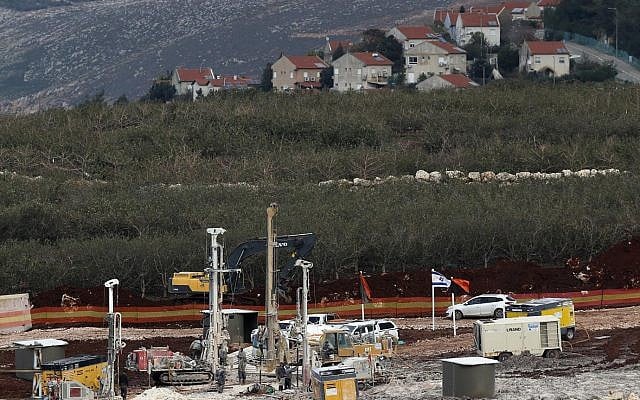
Does that mean Israel can now expect rocket fire from across the northern border. Probably not. It may be that Hezbollah will try to strike an Israeli target via a drone, or open fire at IDF forces as it did after the assassination of the Hezbollah commander Jihad Mughniyeh in January 2015. Another possibility is a “classic” Hezbollah response: the bombing of an Israeli or Jewish target somewhere overseas. Except that Nasrallah specified that the response against Israel would come from Lebanon.
Can he really carry out his threats? It’s hard to say. There is certainly profound motivation to prove to the Shi’ite public, the Lebanese public, and indeed, the Israeli public that his threats are credible.
Yet the situation is not simple for the Hezbollah secretary-general. He well knows that he needs to take particular care right now because nobody in Lebanon wants a war, and that even goes for the Shi’ite community.
This reality was clear on Sunday, which saw criticism within Lebanon of Hezbollah. There is nothing new about this: Many key bodies and communities that are active in the state are unhappy, to put it mildly, with the activities of the Shi’ite organization. Nonetheless, the fact that Hezbollah was criticized within hours of its claims that Israel had attacked its media headquarters in Beirut is significant.
Less than 12 hours after Hezbollah began wailing about the attack and accusing Israel of responsibility, various forces in Lebanon clearly recognized that a Hezbollah response risks pushing the two sides to war. Among those taking aim at Hezbollah was the Lebanese Forces political party, established from the remnants of the famous militia that Bashar Gemayal established in Lebanon in the 1970s during the Lebanese civil war.
Lebanese Forces is affiliated with the country’s Christians and is considered one of the prime opponents of Hezbollah. In a statement Sunday, the party warned against the repercussions of security and military decisions that were being taken against the interests of the state — in other words that Lebanon should not let Hezbollah and Iran determine its future. The party even called on the government of Prime Minister Saad Hariri to discuss the significance of decisions taken outside Lebanon’s borders.
Hariri hurried in the immediate aftermath of the latest Israeli and alleged Israeli strikes to adopt Hezbollah’s narrative and condemned the Israeli aggression and the ostensible breach of UN Security Council Resolutions 1701. But several hours later, Hariri telephoned US Secretary of State Mike Pompeo and the two discussed “ways to calm the situation.”
That is to say that Hariri, and possibly even Lebanese President Michel Aoun, an ally of Hezbollah, would not wish to see a major escalation right now. They certainly would not wish to see Iranian-backed efforts to attack Israel from Lebanese territory.





The Times of Israel Community.