

Netanyahu: An attack on Israel would be ‘most serious mistake’ in Iranian history
If war with Iran comes, internal conflicts ‘will be put into deep freeze,’ Opposition Leader Yair Lapid tells Knesset during 40-signatures debate
 Add ToI as a Preferred Source on Google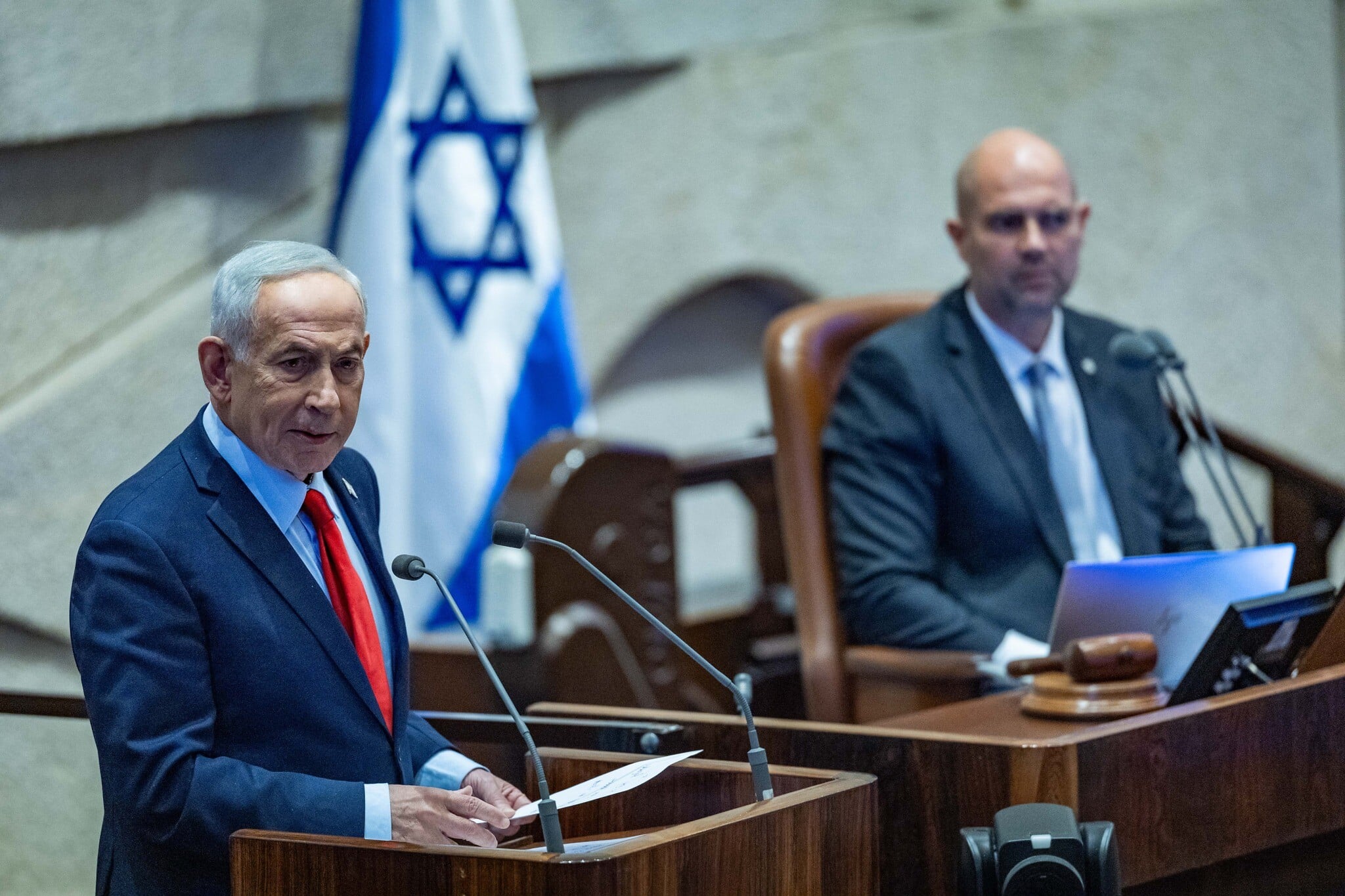
If Iran attacks Israel, it will be “perhaps the most serious mistake in their history,” warned Prime Minister Benjamin Netanyahu on Monday evening, threatening an overwhelming response to any aggression.
Speaking during a so-called 40-signatures debate in the Knesset, Netanyahu asserted that Israel has never been stronger than it is now and that Jerusalem’s “pact with the United States has never been closer.”
A 40-signatures debate is a monthly opportunity for lawmakers to compel the prime minister to speak and answer his opponents after they garner the requisite number of signatories on a petition. Monday’s debate was called to criticize Netanyahu’s security policies.
The prime minister asserted in his speech that his personal ties with US President Donald Trump, as well as those between the Israel Defense Forces and the US military, have never been better, while also warning that “we are in very complex and challenging times.”
“We are keeping an eye open and prepared for any scenario. I made it clear to the Ayatollah regime that if they make perhaps the most serious mistake in their history and attack Israel, we will respond with a force they cannot imagine,” he said.
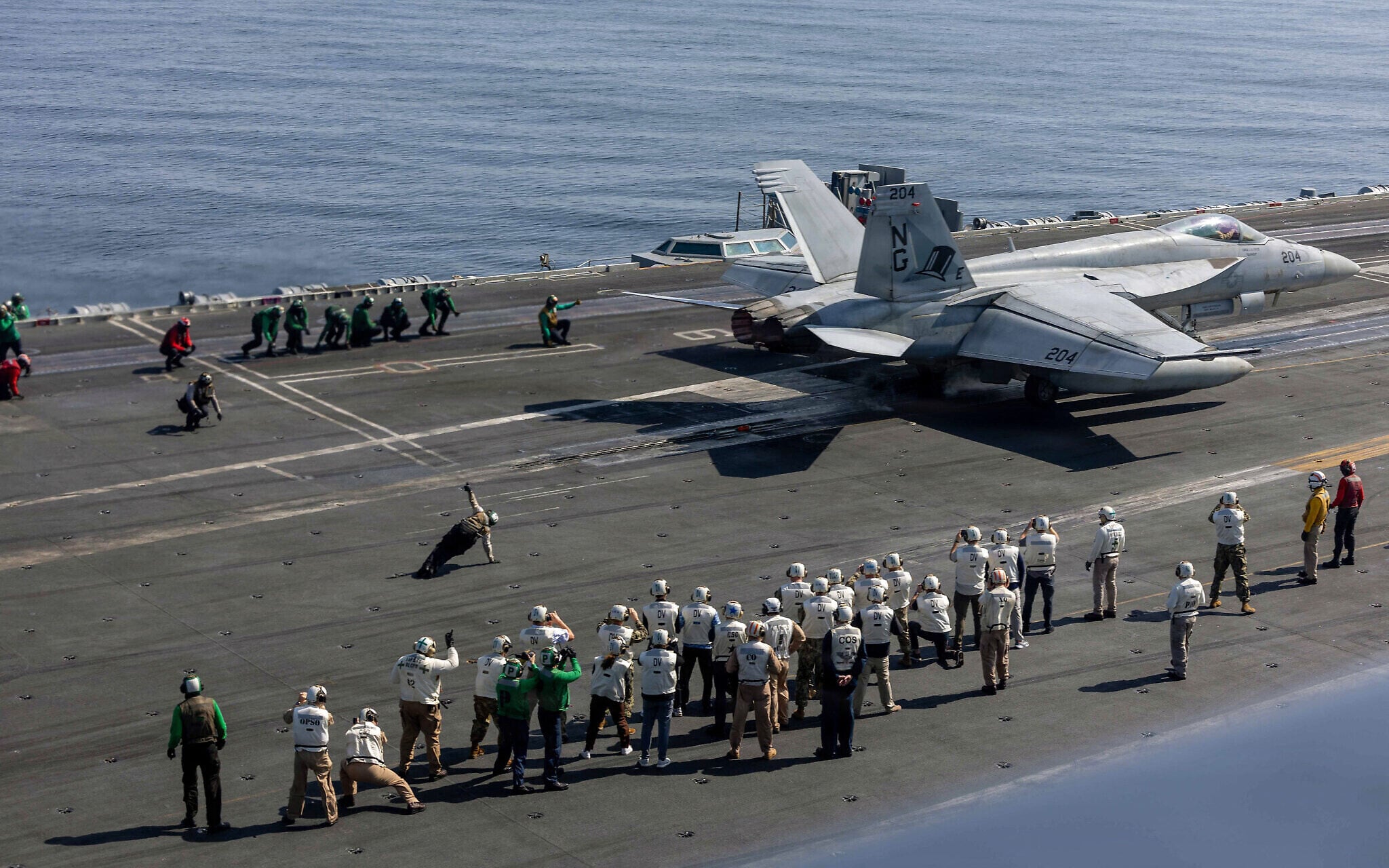
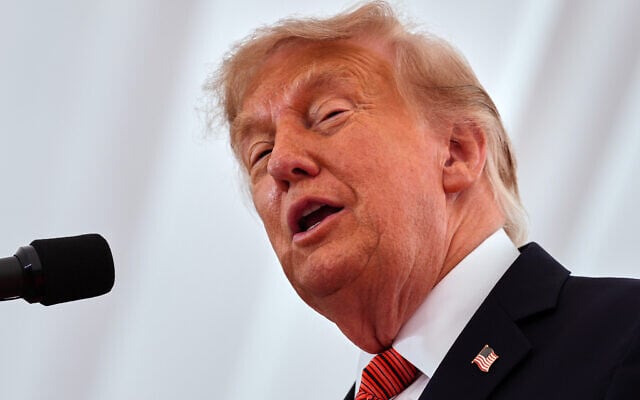
Netanyahu’s comments came four days after Trump warned Iran that it must reach a deal over its nuclear program or “bad things” will happen, and appeared to set a 10-15 day deadline before the US might take action.

Amid a massive US military buildup in the Middle East that has fueled fears of a wider war, Trump said negotiations with Iran were going well but insisted Tehran has to reach a “meaningful” agreement.
Trump has repeatedly threatened military action against Iran, at first over a deadly crackdown on anti-regime protesters last month that killed thousands, then more recently over its nuclear program. But he has refrained from setting a hard deadline for taking action.
The New York Times reported on Sunday that Trump is considering launching a limited strike on Iran in the immediate future to pressure Tehran to agree to his nuclear demands. If the Islamic Republic continues to hold out, that strike could be followed by a far larger campaign later this year targeting regime change, the report said.
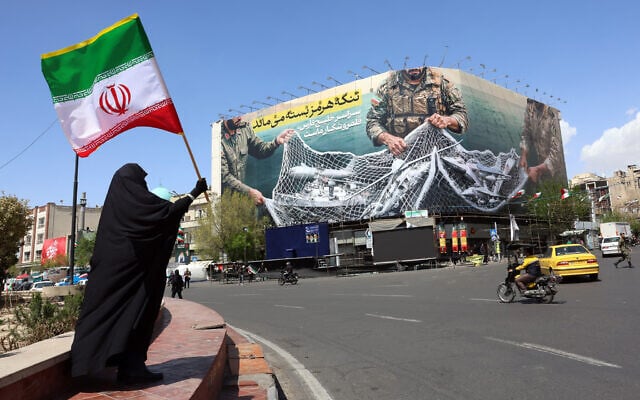
The saber-rattling has put the entire region on edge, sparking concerns that a clash between the US and Iran would rapidly spread. Iran has warned that even a limited US strike would draw a strong military response, with strikes on US military interests in the region and on Israel.
Netanyahu kept his Knesset speech uncharacteristically short, eschewing the attacks on his political rivals that are traditionally the hallmark of such debates, and choosing instead to focus almost entirely on Iran.
Now was not the time for lengthy debate, he told lawmakers, instead issuing a call for unity ahead of next week’s Purim holiday, which celebrates an ancient victory of the Jews of the Persian empire over those who sought to destroy them.
“On the eve of the festival of Purim,” he said, “we will stand together and, with God’s help, we will ensure the eternity of Israel.”
Opening Monday evening’s debate, Yisrael Beytenu chairman Avigdor Liberman lashed out at Netanyahu, declaring him “the main guilty party” responsible for October 7, “the largest and most terrible massacre in the history of the Jewish people after the Holocaust.”
Liberman accused Netanyahu of trying to obscure his failures as prime minister, asking him, “Where is the ‘total victory’? You promised us total victory, but you brought total disgrace.”
Opposition Leader Yair Lapid was also highly critical of Netanyahu, declaring that his historical legacy will be defined “only” by October 7.
“I understand the attempt to write a different history. You know the truth. That’s what scares you so much. History will only remember you for October 7,” Lapid said, referring to Netanyahu’s efforts to deflect blame for the devastating Hamas attack. “How you didn’t see where the suitcases of money from Qatar were leading. How you didn’t see where the wrong, destructive policy of strengthening Hamas was leading.”
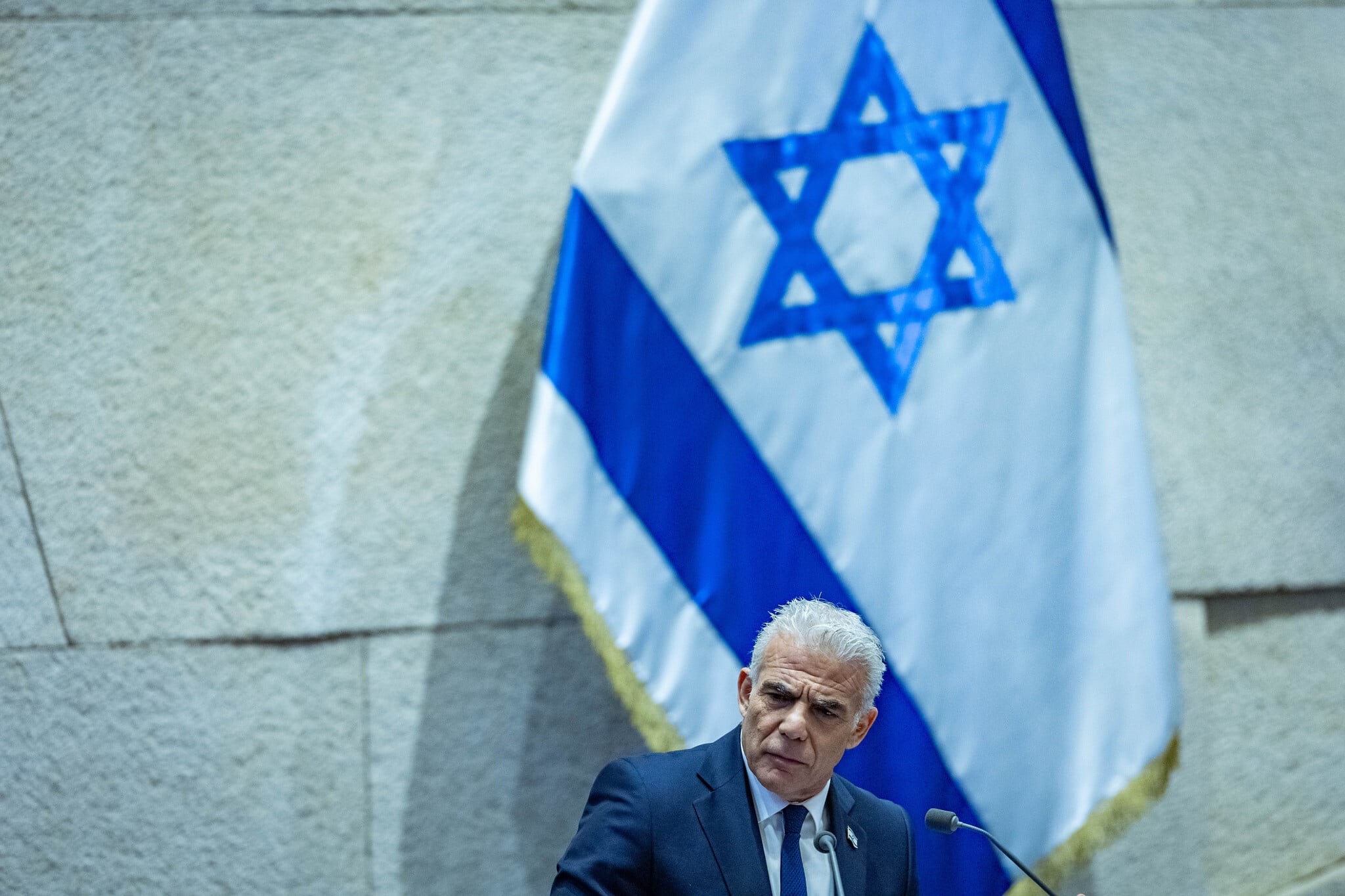
Lapid also took aim at the Prime Minister’s Office’s effort to remove the word “massacre” from a bill commemorating October 7, stating that “when babies are burned, when entire families are murdered in a mass murder, it’s not an event, it’s a massacre. There will be no stronger or more significant association, nothing else that will define your term as prime minister, other than the October 7 massacre.”
However, after excoriating Netanyahu, Lapid also pledged that Israel will stand as one in the face of any escalation with Iran, telling the Knesset that “all differences of opinion will be put into deep freeze” until the conflict is over.
“As in the past, I will mobilize for Israeli public diplomacy and strengthening Israel’s international status,” he declared. “As in the previous attack, I will go wherever necessary, from CNN to the British parliament, and tell them: ‘You know that I am the head of the opposition, you know that Netanyahu and I are rivals, but Iran must be attacked with full force, the rule of the ayatollahs must be overthrown.’”
Jacob Magid and agencies contributed to this report.






The Times of Israel Community.