

Trump mulling limited Iran strike, could try for regime change later – report
US president said considering initial attack to pressure Tehran into deal; Iran warns any action will be met with ‘ferocious’ response; US evacuates non-essential staff from Beirut embassy
 Add ToI as a Preferred Source on Google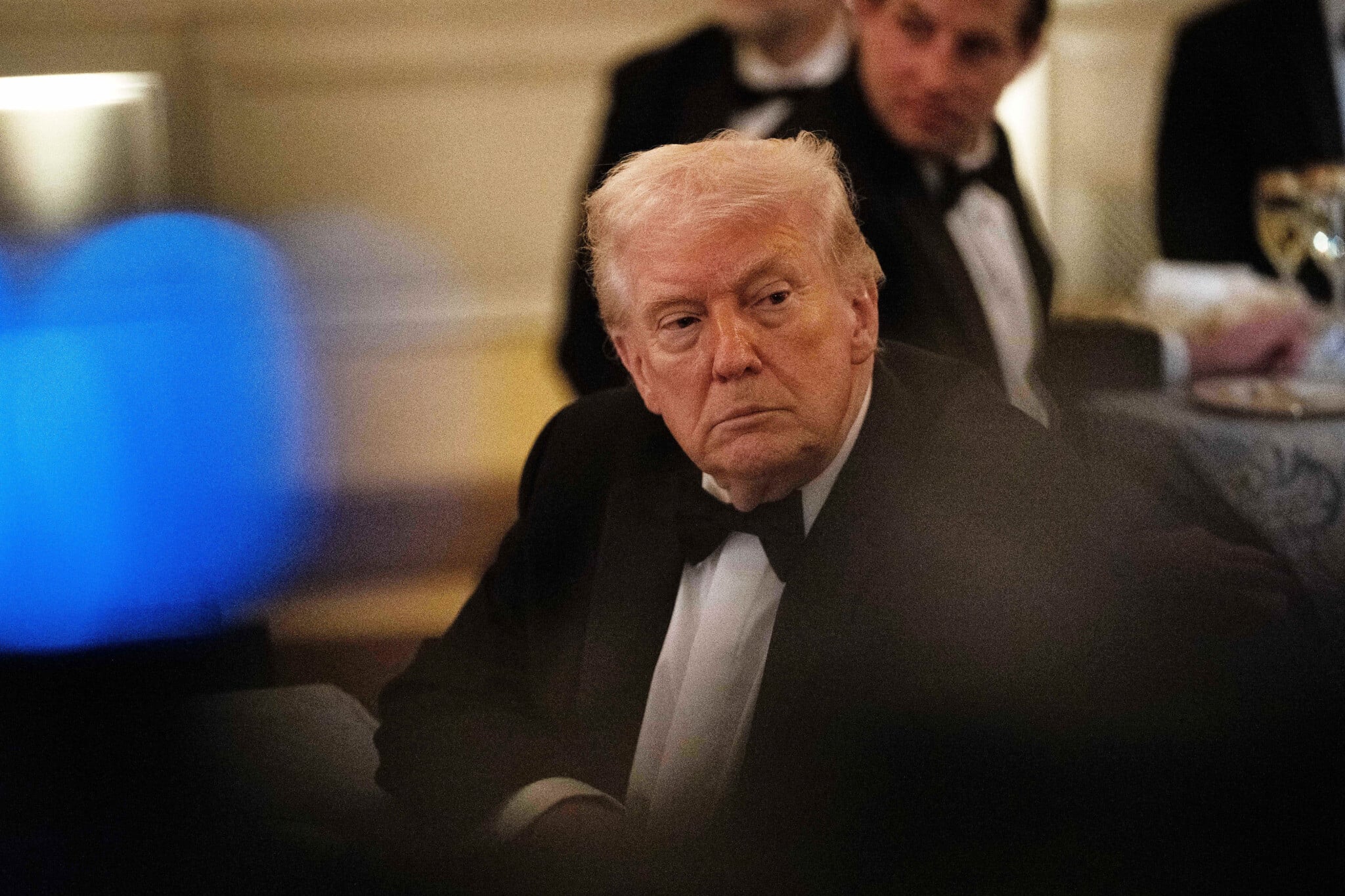
US President Donald Trump is considering launching a limited strike on Iran in the immediate future to pressure Tehran to agree to his nuclear demands, The New York Times reported Sunday. If the Islamic Republic continues to hold out, that strike could be followed by a far larger campaign later this year targeting regime change, the report said.
The report came as the two sides are expected to meet again in Geneva on Thursday, and as the US continues to amass forces in the Middle East for a possible strike.
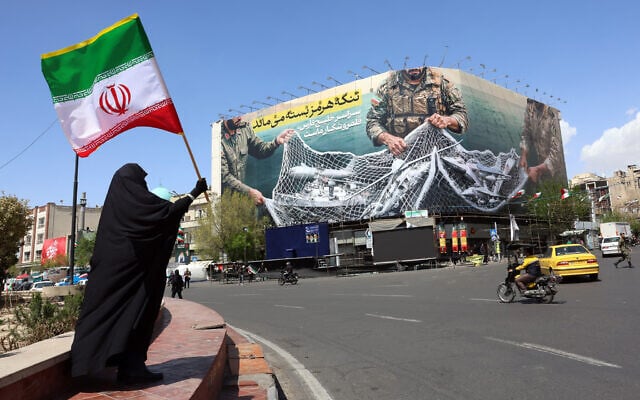
Iran warned that even a limited US strike would draw a strong military response.
The Times cited officials and other sources familiar with Trump administration discussions, who all spoke on condition of anonymity. It said the initial strike could target command centers of the Islamic Revolutionary Guard Corps, ballistic missile sites, or nuclear infrastructure.
It said that if these strikes do not yield results, a much larger offensive could come later this year with the goal of toppling the regime, though some in the administration doubt whether airstrikes would be enough.
The report said that Trump has not yet made a decision on a strike, but is favoring a limited attack option in the coming days as a warning shot to the Iranians that they must abandon their efforts to make a nuclear weapon.
The Wall Street Journal reported similar thinking in the White House on Thursday.
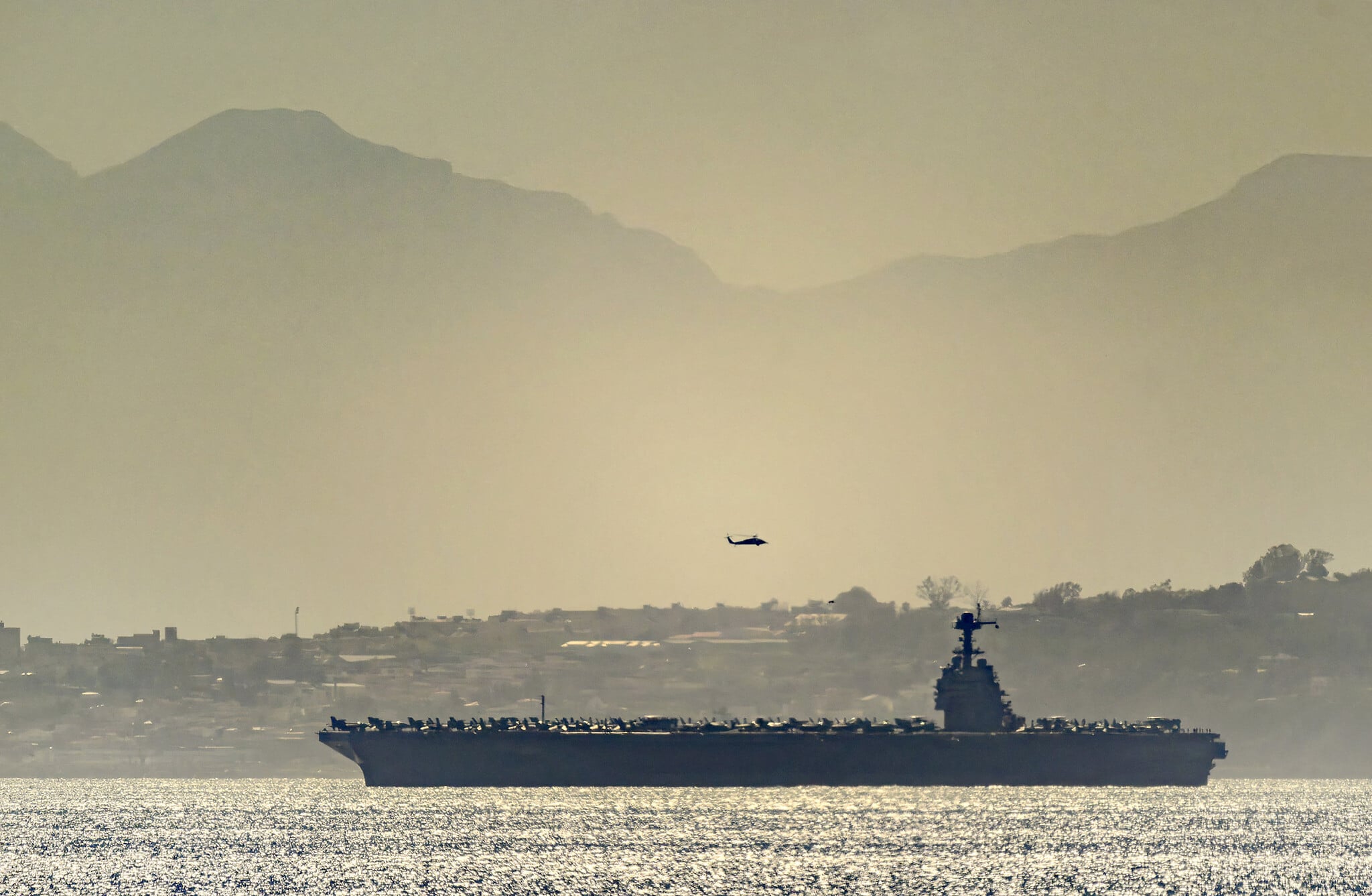
Amid speculation that Trump could order a limited attack, Iran said Monday that a US strike of any scale would spur the Islamic Republic to respond “ferociously.”
Iran has said that if the US attacks, it will respond with strikes on US military interests in the region and on Israel.
Trump had initially threatened military action over the violent Iranian crackdown on the protests that rights groups say saw thousands of people killed by security forces, but his attention soon shifted to Iran’s nuclear program.
Scattered anti-government protests have picked up again in recent days in the country, despite the threat of suppression and arrests, with students rallying to commemorate the dead.
The US has also been maintaining a diplomatic track in an effort to reach an agreement with Iran. The US and Iran concluded a second round of indirect talks in Switzerland on Tuesday under Omani mediation, and further talks, confirmed by Iran and Oman but not by the US, are scheduled for Thursday.
Both the US and the Iranians are looking at a new proposal that would allow Tehran to maintain its nuclear program — which it considers a source of national pride — but only to produce low-level enriched uranium for medical purposes.
Iran, which frequently threatens to destroy Israel and urges “death to America,” has consistently denied seeking to acquire nuclear weapons. However, it has enriched uranium to levels that have no peaceful application, obstructed international inspectors from checking its nuclear facilities, and expanded its ballistic missile capabilities.

Iran has insisted that only discussions on its nuclear program are on the table at mediated talks. The US — backed by Israel — wants any agreement to also include limits on Iran’s ballistic missile program and its military support for regional proxies.
Iranian Foreign Minister Abbas Araghchi is leading the negotiations for Iran, while the United States is represented by envoy Steve Witkoff and Trump’s son-in-law Jared Kushner.
Witkoff said in an interview with Fox News broadcast over the weekend that Trump has been wondering why Iran has not “capitulated” in the face of Washington’s military deployment.
Iranian Foreign Ministry spokesperson Esmaeil Baqaei responded Monday by saying that Iranians had never capitulated at any point in their history.
The European Union, which has been sidelined in mediation on Iran, called for a diplomatic solution ahead of the talks.
“We don’t need another war in this region. We already have a lot,” EU foreign policy chief Kaja Kallas said ahead of a meeting of EU foreign ministers. “It is true that Iran is at its weakest point that they have been. We should be really using this time to find a diplomatic solution.”
Israeli ministers said told of a deal in stages
Meanwhile, Israel’s security cabinet was reportedly told that Trump is pushing for an Iran deal in stages.
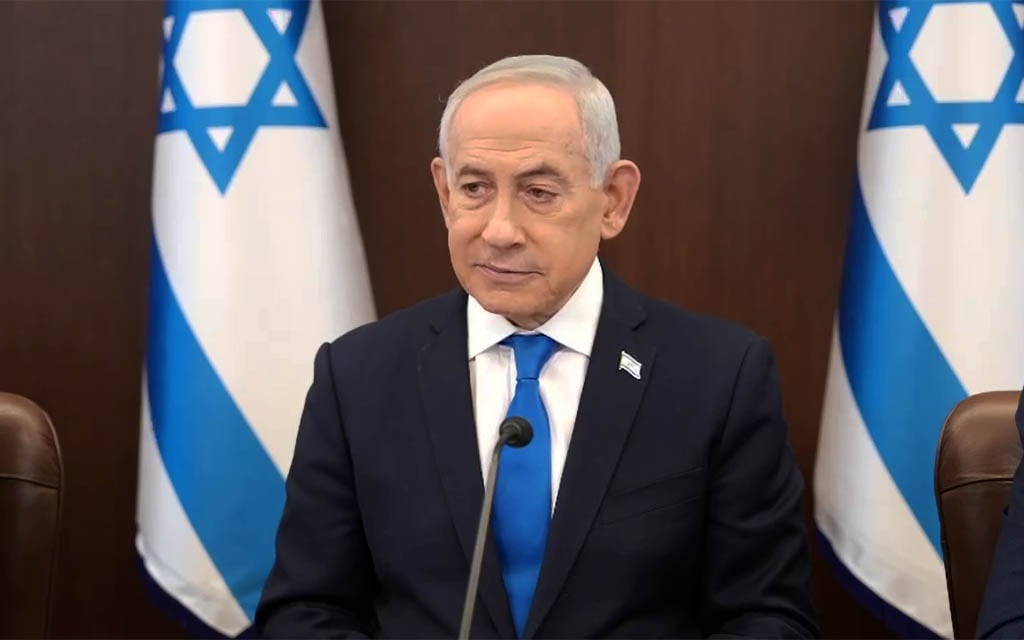
Sunday night’s security cabinet meeting in Jerusalem dealt at length with the direction of ongoing talks between Iran and the US, according to the Maariv daily.
Ministers were told that Trump is pursuing a staged deal, as he has done in Gaza and elsewhere, with the most pressing issue — Iran’s nuclear program — being handled in the first stage. The issues of Iran’s ballistic missiles and support for armed terror groups will be handled in subsequent stages according to the Trump vision, the report said.
Prime Minister Benjamin Netanyahu was convening another security discussion with close aides and top ministers on Monday in Jerusalem, according to the offices of one of the attendees.
The saber-rattling has put the entire region on edge, sparking concerns that a clash between the US and Iran would rapidly spread.
US Embassy in Beirut evacuates non-essential personnel
On monday, the US ordered the evacuation of non-emergency personnel from its embassy in Beirut, Lebanon.
“The Department of State has ordered the departure of non-emergency US government personnel and eligible family members from US Embassy Beirut,” the State Department said. “We continuously assess the security environment, and based on our latest review, we determined it prudent to reduce our footprint to essential personnel.”
The statement stressed that the Embassy “remains operational with core staff in place. This is a temporary measure intended to ensure the safety of our personnel while maintaining our ability to operate and assist US citizens.”
Lebanese broadcaster LBCI said dozens of staffers had evacuated via the city’s Rafik Hariri International Airport “as a precautionary measure amid anticipated regional developments.”

The evacuations came amid growing speculation that Hezbollah will intervene against Israel in case of a war sparked by a US strike on Iran, the Lebanese terror group’s benefactor.
India orders citizens out of Iran
India on Monday joined Sweden, Serbia, Poland, and Australia in calling for its citizens — estimated at 10,000 in the country by the foreign ministry — to leave Iran.
“In view of the evolving situation in Iran, Indian nationals who are currently in Iran… are advised to leave Iran by available means of transport, including commercial flights,” the Indian Embassy in Tehran said in a post on social media.
The warning came ahead of a planned visit by Indian Prime Minister Narendra Modi to Israel on Wednesday.
Netanyahu on Sunday said Modi’s visit would help forge a new alliance to counter what he described as “radical” adversaries.







The Times of Israel Community.