

Nuclear issue key as Iran readies for Rouhani replacement
Several conservative candidates are vying for presidency, including former defense minister and head of judiciary; run by moderate FM Zarif also said to be a possibility
 Add ToI as a Preferred Source on Google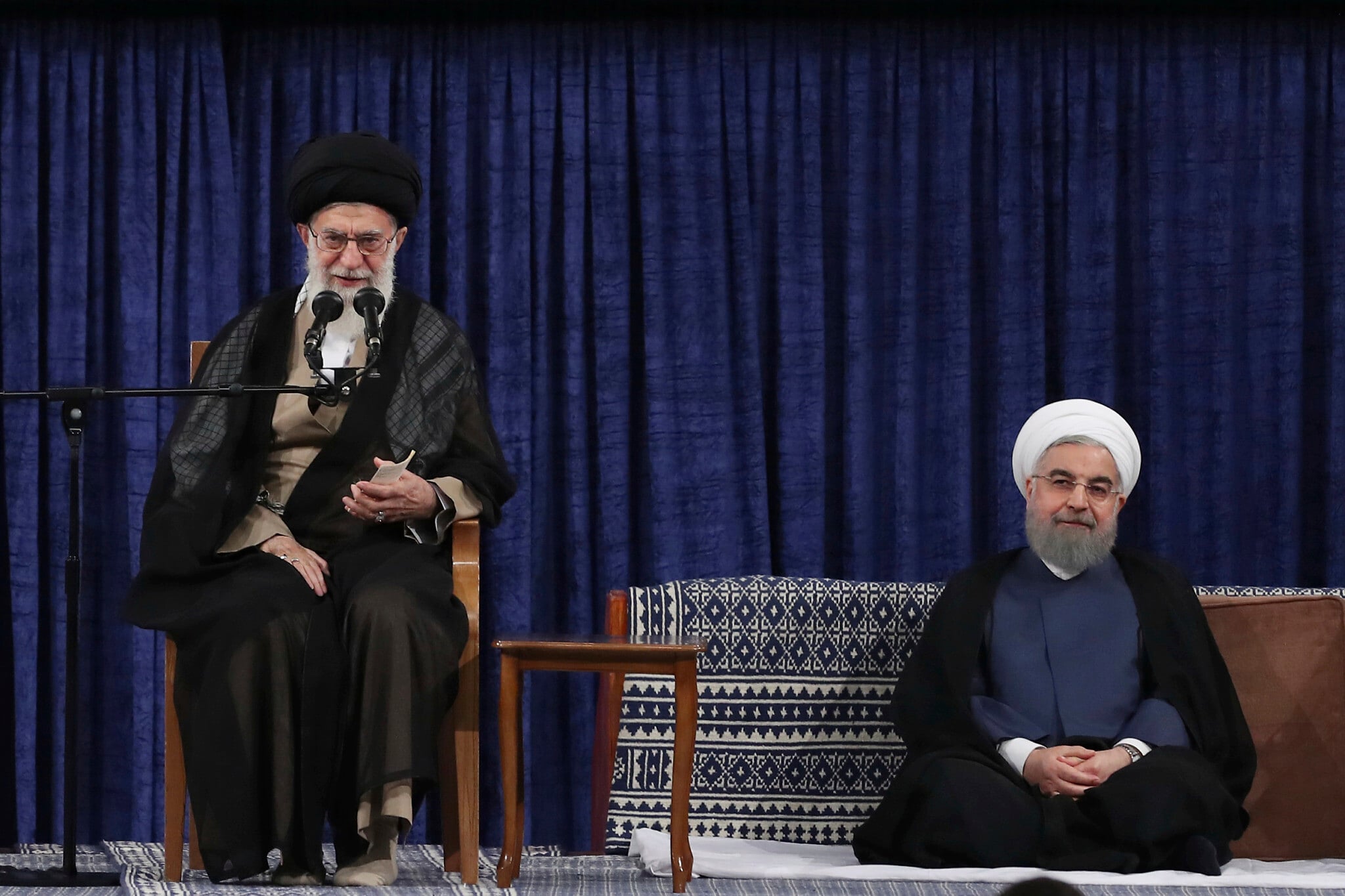
Iran will vote in June for a successor to President Hassan Rouhani and his moderate-reformist government, but politics in the country is dominated by the nuclear issue and no frontrunner has emerged.
Several conservative heavyweights are thought to be considering running in the key June 18 race, with the winner to help set the direction of the Islamic republic.
“For the moment, the electoral atmosphere remains cold,” political analyst Amir Mohebian told AFP, adding that when politicians “try to warm it up, people are not paying attention.”
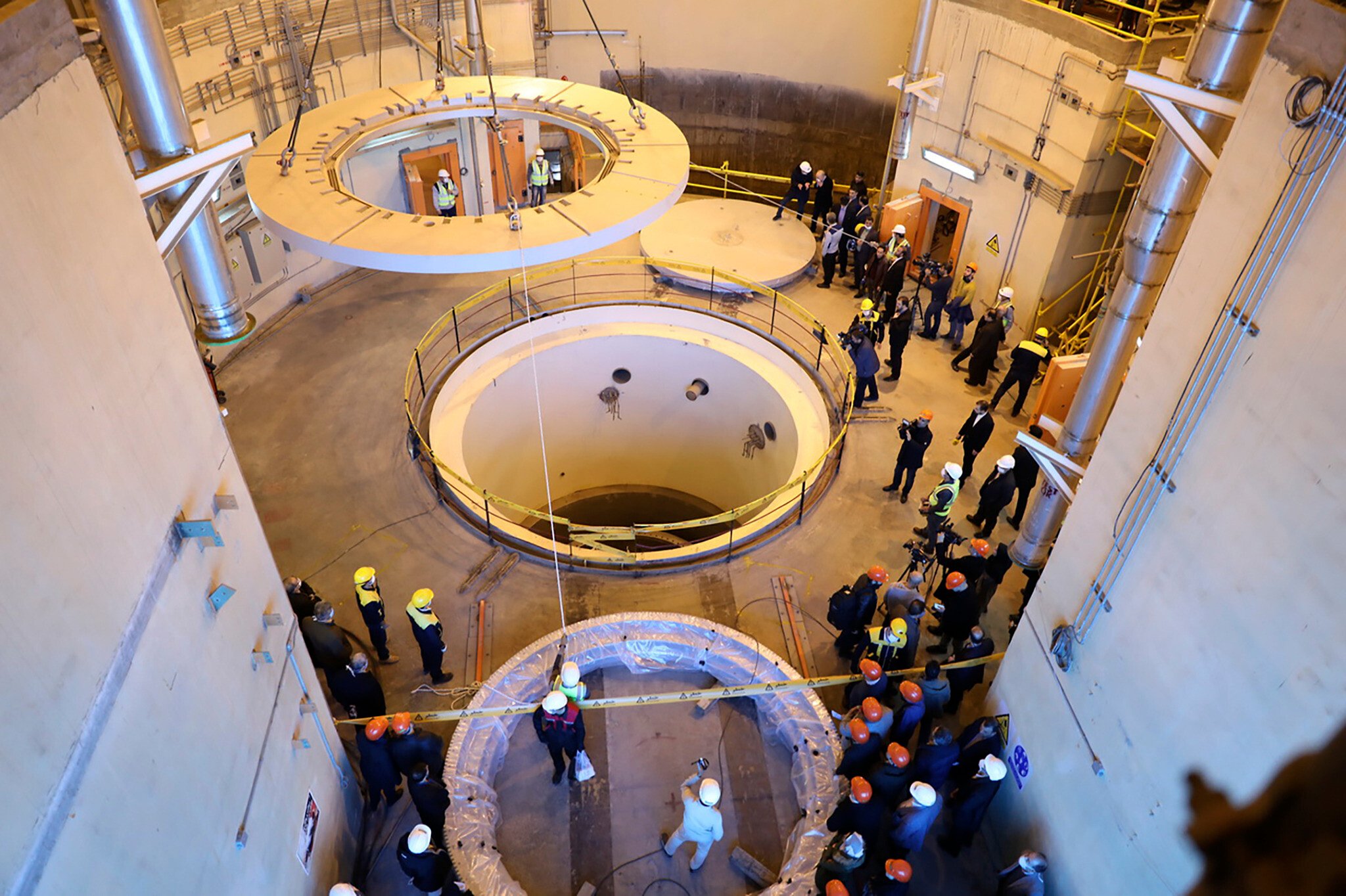
Following the election of US President Joe Biden, Washington, European powers and Tehran are trying to salvage the troubled 2015 nuclear accord, which granted Iran international sanctions relief in return for restrictions on its nuclear program.
The accord has been nearing collapse since Donald Trump unilaterally withdrew in 2018 and reimposed crippling sanctions as part of a “maximum pressure” campaign against Tehran.
Rouhani, who bet on engagement with the West when Barack Obama was president only to see tensions soar under Trump, has shown a willingness to engage with the incoming Biden administration.
But Rouhani will step down after completing the second of his two consecutive four-year terms allowed under the constitution, and, while Iran’s supreme leader Ayatollah Ali Khamenei remains in charge, the new president will direct his own policy course.
Single conservative candidate?
After a record 57 percent of Iranians stayed away from the February 2020 legislative elections, Khamenei recently called for “enthusiastic and revolutionary” participation to elect an “effective” president.
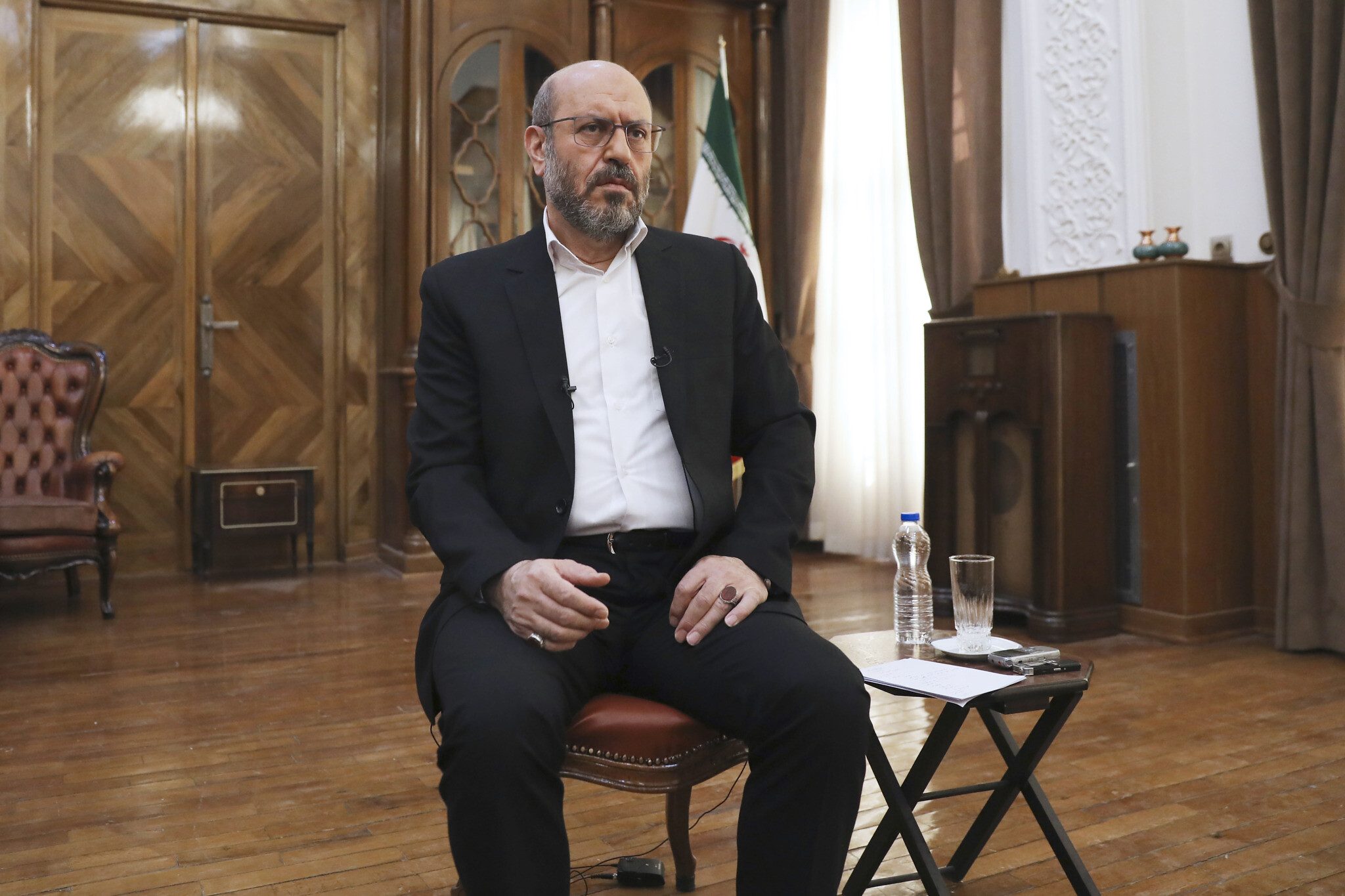
The candidate nomination period runs from May 11 to 15, but so far just one has announced his intention to run, the conservative former defense minister Hossein Dehghan.
In mid-February, the Combatant Clergy Association, a powerful conservative group, said it would back the candidacy of Ebrahim Raisi, Iran’s judiciary chief, although he himself has not yet officially declared he is running.
A prominent conservative, Raisi took more than 38% of votes in the 2017 presidential election won by Rouhani.

Another potential candidate is conservative heavyweight and parliament speaker Mohammad-Bagher Ghalibaf.
He was recently accused of starting campaigning early, under the cover of numerous official trips across Iran.
“The conservatives’ plan is to agree on a single candidate,” said Hamidreza Taraqi, a top official in the Islamic Coalition Party, part of the conservative alliance that won the legislative elections last year.
But Mehdi Rahmanian, from the reformist Shargh daily newspaper, argues that the conservatives “will certainly not reach” such a deal.
Multiple conservatives could split the vote, giving a helping hand to a moderate candidate, such as former parliament speaker Ali Larijani, who some say seems likely to be keen to run.
Foreign Minister Mohammad Javad Zarif, who has yet to make a clear signal of his intentions, has also been mentioned as a possible moderate contender.
Ending sanctions key
But it is uncertain that the reformists will manage to put forward a candidate at all.
And even if they do, their pick will still have to be run by the powerful conservative Guardian Council.
Ultra-conservative ex-president Mahmoud Ahmadinejad, who held power from 2005 to 2013, is regularly present in the media, potentially preparing the ground to try to return.
Several analysts believe that the Guardians would be unlikely to accept Ahmadinejad as a candidate, having already rejected him in 2017.
The conservatives are dreaming of a double victory after their parliamentary win last year, when they trounced an alliance between Rouhani and the reformists.
But they are careful not to express this out loud, and with candidates yet to declare themselves, politics at the moment boils down to sniping attacks between parliament and the government.
Conservatives “put the government under a continuous barrage of criticism to nip in the bud” the emergence of a moderate candidate, political analyst Mohebian said.
In turn, Rouhani’s cabinet accuses the deputies of doing everything possible to hinder its diplomatic efforts.
Those efforts aim to rescue the keystone of Rouhani’s presidency — the nuclear deal.
For Tehran, the lifting of US sanctions is critical.
“Rouhani has every interest in a diplomatic victory to polish the end of his mandate,” said Francois Nicoullaud, a former French ambassador to Iran.
If the outgoing president manages that, and can end or ease sanctions, the moderates and centrists may be able to “regain their strength,” he said.



The Times of Israel Community.