

Nvidia unveils next-generation AI superchip architecture partly developed in Israel
US tech giant says four out of the six new chips that make up the new Rubin computing platform were developed by engineers at its R&D centers in the Jewish state
 Add ToI as a Preferred Source on Google
Sharon Wrobel is a tech reporter for The Times of Israel
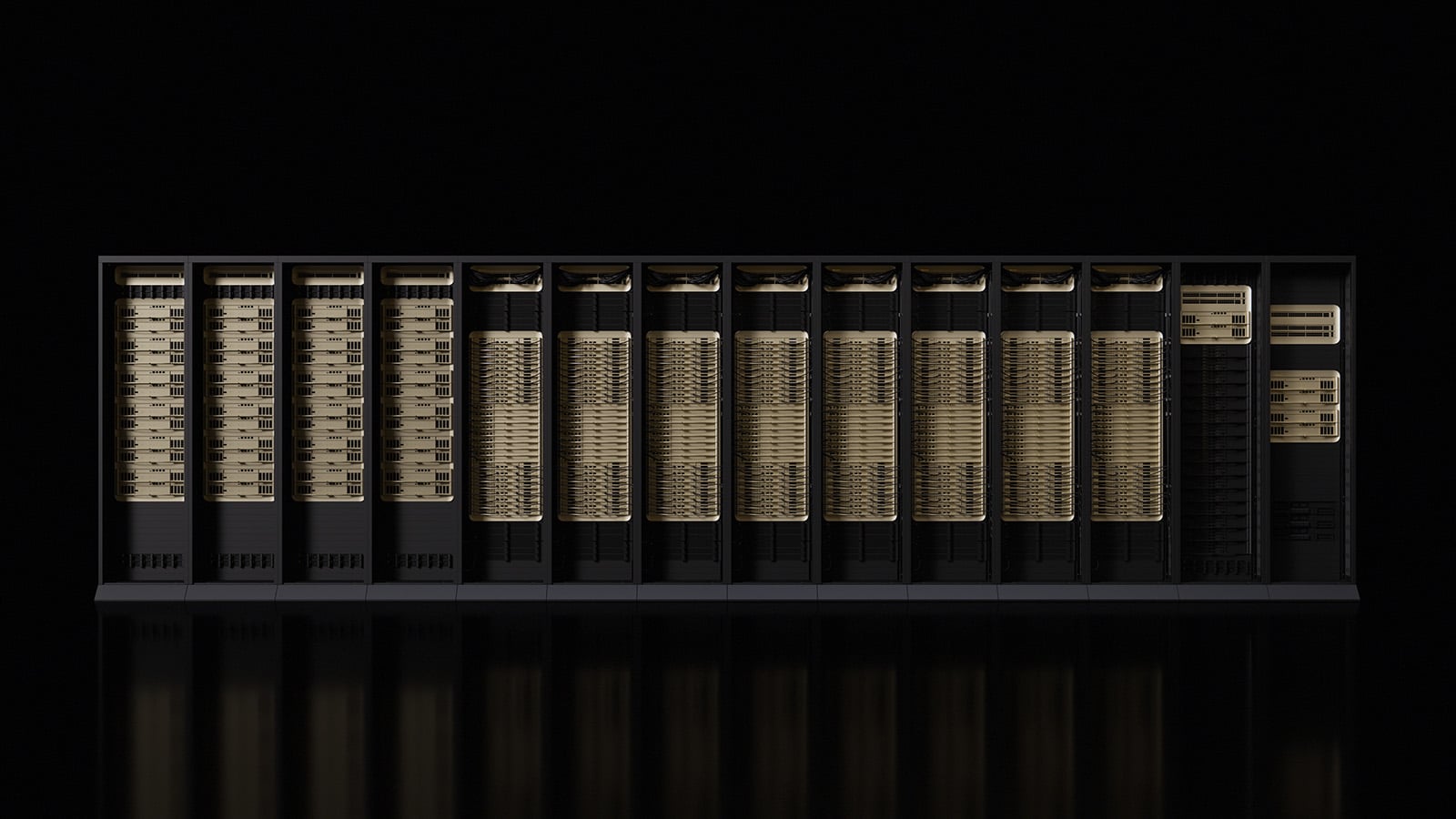
US chip giant Nvidia late on Monday introduced its next-generation computing platform, made of six new chips that were partly developed in Israel, promising advances in speed and efficiency for training complex artificial intelligence models and AI agents.
Each of the Rubin chips is engineered for a specific role, including processing, memory and networking. The platform is designed to operate in concert as part of an integrated computing platform akin to an AI supercomputer.
Engineers at Nvidia’s R&D centers in Israel developed four key networking and connectivity components of the Rubin platform. Many of the company’s most advanced processors and networking chips — critical to training the largest AI models — are also developed there.
Nvidia’s R&D activities in Israel are the firm’s largest outside of the United States. The chipmaker employs over 5,000 workers in Israel in seven R&D centers, from Yokne’am in the north — the headquarters of Mellanox, which was acquired by Nvidia in 2020 — to Tel Aviv, Jerusalem, Ra’anana and Beersheba in the south.
“The amount of computation necessary for AI is skyrocketing… Rubin arrives at exactly the right moment, as AI computing demand for both training and inference is going through the roof,” said Nvidia founder and CEO Jensen Huang. “With our annual cadence of delivering a new generation of AI supercomputers — and extreme codesign across six new chips — Rubin takes a giant leap toward the next frontier of AI.”
Speaking at the annual Consumer Electronics Show (CES), Huang announced that the Rubin platform, named for Jewish astronomer Vera Rubin, is in full production and will be available from the second half of 2026.
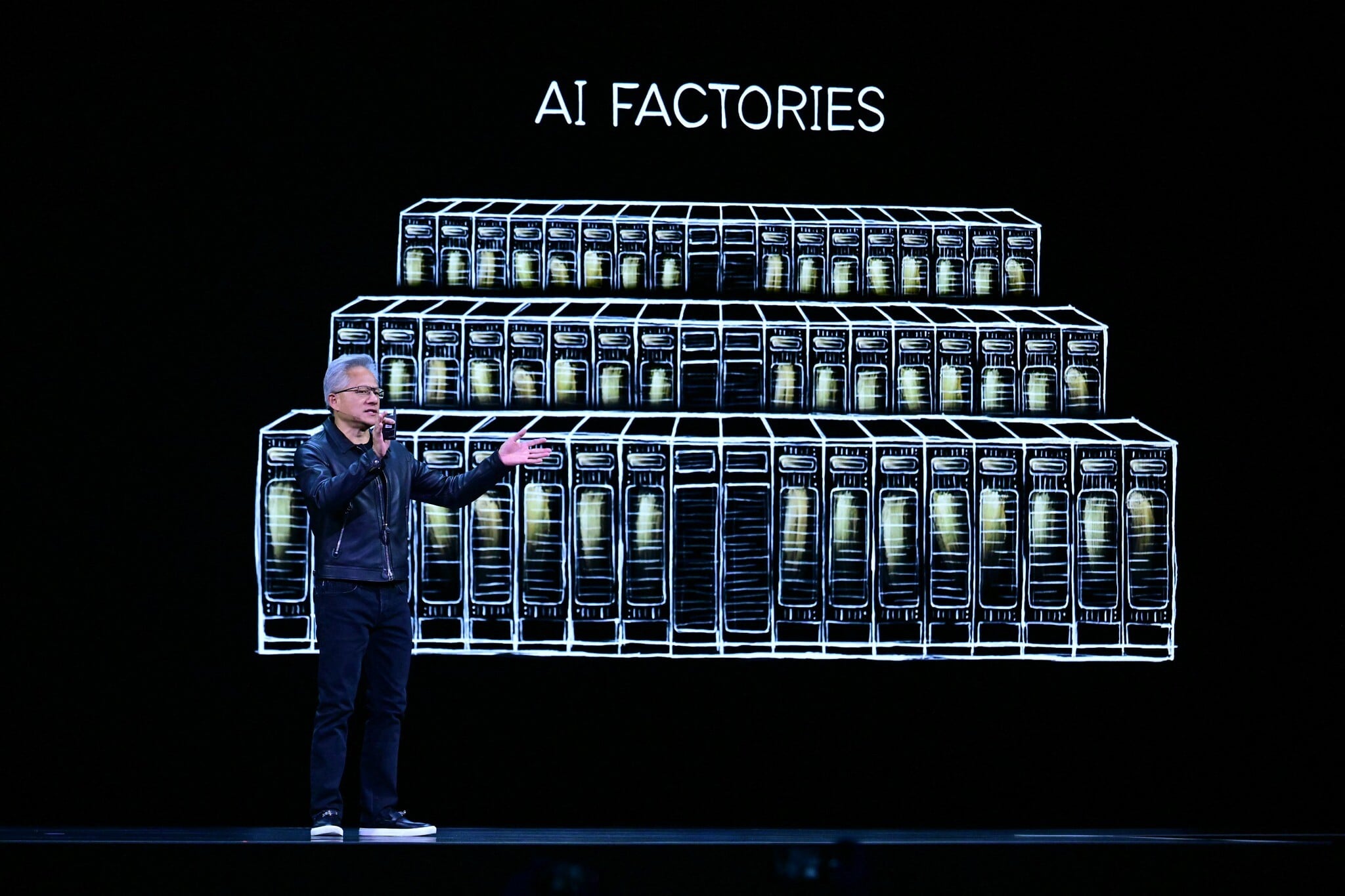
AI processes analyze enormous datasets and require both ultra-fast computing performance and massive memory. The rise of generative AI applications and workloads like OpenAI’s ChatGPT presents new challenges for networks inside data centers. As a result of the major changes, AI cloud systems need to be trained using huge amounts of data.
Nvidia said the launch of the next-generation computing platform comes amid a shift in the AI industry, in which businesses are moving from training AI models to getting reasoned answers from them. Modern AI workloads increasingly rely on agentic AI and reasoning models, which are challenging the limits of computation.
The Rubin platform marks Nvidia’s third-generation chip architecture, and will succeed the Blackwell.

Among the first cloud service providers to deploy the Rubin chip infrastructure in 2026 will be Nvidia partners Amazon Web Services, Google Cloud and Microsoft, as well as computer makers, including Dell Technologies.
“Nvidia’s Rubin platform promises to deliver the step-change in performance and efficiency required to deploy the most advanced models to billions of people,” said Meta founder and CEO Mark Zuckerberg.
Nvidia said it expects AI labs, including Meta, Anthropic, OpenAI and Elon Musk’s xAI to adopt the Rubin platform as they are training larger and more powerful and complex AI models.
“Nvidia Rubin will be a rocket engine for AI,” said Musk. “If you want to train and deploy frontier models at scale, this is the infrastructure you use — and Rubin will remind the world that Nvidia is the gold standard.”










The Times of Israel Community.