

Palestinian elections are looking likely, and may be spectacularly bad for Abbas
In contrast to years past, officials are optimistic that vote actually could be held in February; if so, there could be major gains for Hamas as Fatah support dwindles

 Add ToI as a Preferred Source on Google
Avi Issacharoff, The Times of Israel's Middle East analyst, fills the same role for Walla, the leading portal in Israel. He is also a guest commentator on many different radio shows and current affairs programs on television. Until 2012, he was a reporter and commentator on Arab affairs for the Haaretz newspaper. He also lectures on modern Palestinian history at Tel Aviv University, and is currently writing a script for an action-drama series for the Israeli satellite Television "YES." Born in Jerusalem, he graduated cum laude from Ben Gurion University with a B.A. in Middle Eastern studies and then earned his M.A. from Tel Aviv University on the same subject, also cum laude. A fluent Arabic speaker, Avi was the Middle East Affairs correspondent for Israeli Public Radio covering the Israeli-Palestinian conflict, the war in Iraq and the Arab countries between the years 2003-2006. Avi directed and edited short documentary films on Israeli television programs dealing with the Middle East. In 2002 he won the "best reporter" award for the "Israel Radio” for his coverage of the second intifada. In 2004, together with Amos Harel, he wrote "The Seventh War - How we won and why we lost the war with the Palestinians." A year later the book won an award from the Institute for Strategic Studies for containing the best research on security affairs in Israel. In 2008, Issacharoff and Harel published their second book, entitled "34 Days - The Story of the Second Lebanon War," which won the same prize.
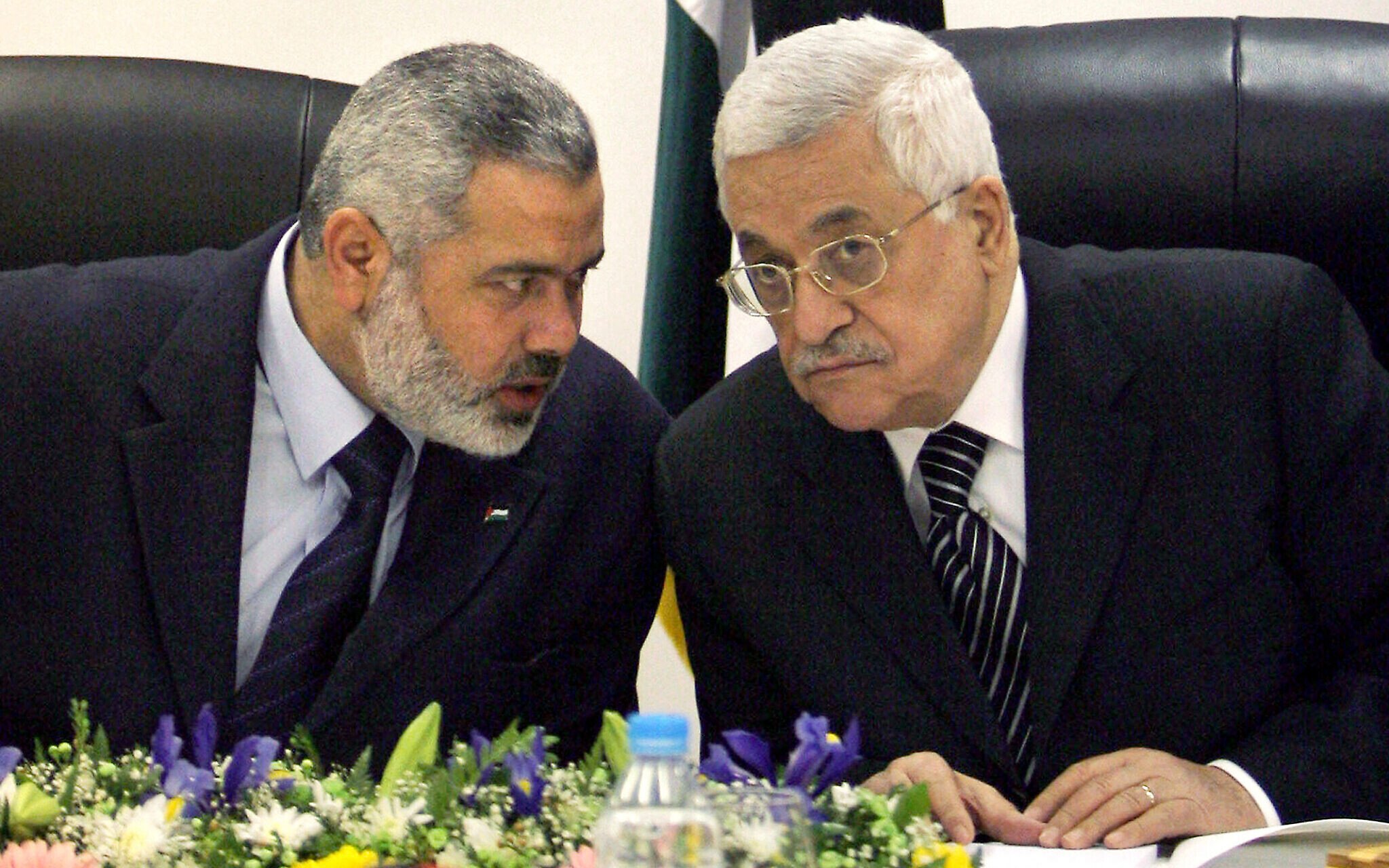
The Palestinian Authority could be heading toward its first parliamentary and presidential elections in 14 years, something that until recently was not seen even as a remote possibility, certainly not during Palestinian Authority President Mahmoud Abbas’s lifetime.
Since the 2005 Palestinian presidential elections and parliamentary elections a year later, talk of another vote that has popped up now and again has proved to be nothing but hollow slogans used by rival Palestinian factions Fatah and Hamas to posture against each other.
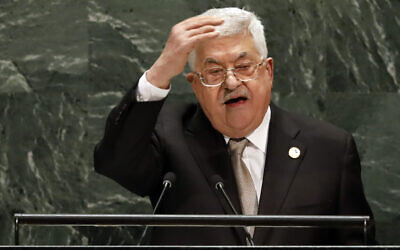
This time, though, sources in the West Bank and Gaza say that all signs indicate that Palestinian elections — first for parliament and then for the presidency — may actually take place as early as February 2020, after Abbas announced plans for a vote at the UN General Assembly in September.
Tuesday saw Palestinian Authority Central Elections Commission chief Hanna Nasser visit Gaza for the third time in as many weeks, for a meeting with Hamas leader Ismail Haniyeh. Nasser reportedly presented top Hamas officials with a memo by Abbas detailing various clarifications regarding the elections.
Fatah and Hamas officials sound increasingly optimistic that the vote will take place, though there are still quite a few hurdles to clear before Palestinians head to the polls, including one posed by Israel itself.
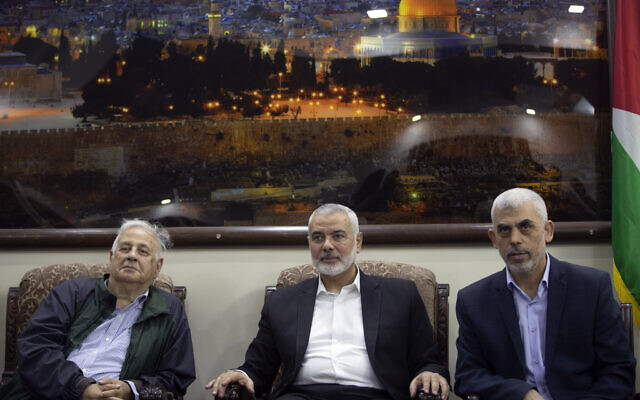
When Hamas ousted Fatah from Gaza in a military coup in 2006, it essentially split the Palestinian Authority in two. Gaza and Ramallah are two completely separate political entities and one of the most immediate issues that must be addressed is the question of who will head a joint body to adjudicate the election in both Palestinian territories.
Other pressing issues include the elections to the Palestinian National Council — the legislative body of the Palestine Liberation Organization; who will supervise the integrity of the elections; and the timeline of the presidential election once the parliamentary one has concluded.
Hamas had originally demanded that both elections be held on the same day but it later relented, agreeing to Fatah’s suggestion that the presidential elections be set for three months after the parliamentary one, providing that an actual date be set.
Hamas, it seems, is willing to take quite a few risks and make more than a few concessions to make sure elections take place.
Hamas’s relatively conciliatory position on the elections has taken Fatah and Abbas by surprise. According to Palestinian sources, the plan to promote elections came from Abbas’s office but was designed to embarrass Hamas.
Abbas and his advisers believed that once he issued a call for parliamentary elections in the West Bank and Gaza Hamas would refuse, thus allowing Abbas to state that elections will be held only in the West Bank — where Fatah believes it has an actual chance of winning.
After Haniyeh’s announced that he welcomed the initiative, Fatah upped the stakes and Abbas demanded that the parliamentary elections be based on party slates and not geographical representation.
Hamas again surprised Fatah and agreed, for one main reason: The Islamic terrorist group believes that it can win in the West Bank, potentially by a landslide, given the dwindling support Fatah has among Palestinians there. The terror group also points to the fact that it managed to get Qatari aid funds into Gaza and secure infrastructure improvements without needing to agree to an actual ceasefire with Israel.
Moreover, Hamas knows that even if it doesn’t trounce Fatah in the West Bank, Abbas will face tough challenges from rivals within his party, plus those he ousted from the movement.
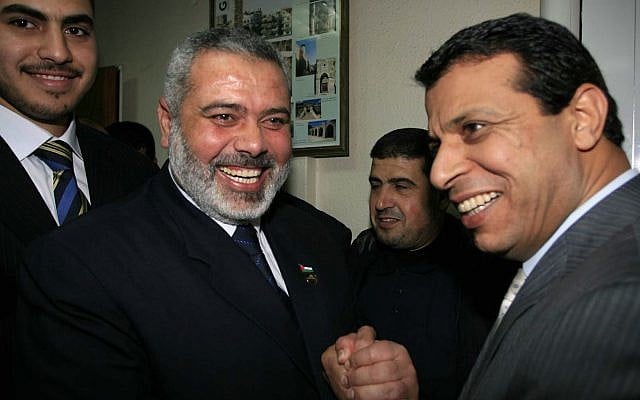
Two prominent Palestinian figures who are sure to challenge Abbas by presenting their own slates are deposed Fatah strongman Mohammed Dahlan, who was expelled from the Palestinian Authority in 2011 after falling out with Abbas, and former Tanzim armed wing commander Marwan Barghouti, a convicted murderer currently serving five life sentences in Israel.
According to Palestinian sources, a combination of Hamas and slates presented by Dahlan’s and Barghouti’s supporters could bring about Fatah’s collapse in the West Bank.
Barghouti has made it no secret that he plans to challenge Abbas for the presidency. The identity of Hamas’s candidate, however, remains unknown.
When Qatari envoy Mohammed Al-Emadi last visited Gaza and met with Hamas MPs, he reportedly advised them to adopt the “Tunisian model,” whereby any candidate they endorse should not be a Hamas official but rather a senior Palestinian official who will prove amiable to the organization and its needs.
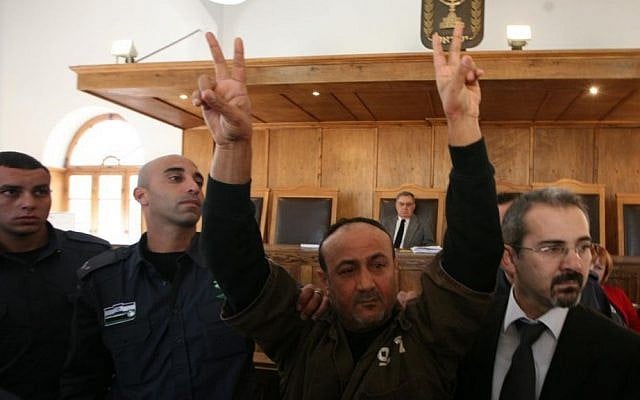
Several potential candidates were discussed at the meeting, including Barghouti. A scenario in which Hamas endorses the jailed Fatah strongman for president is not far-fetched, especially if it becomes clear that Barghouti is the one most likely to defeat Abbas.
As for Abbas, the aging Palestinian president has repeatedly said he would not run in the next presidential elections. The 84-year-old is in no hurry to exit politics, but if his chances of winning prove slim, he will likely announce his retirement or, alternatively, move to cancel the vote.
Israel’s East Jerusalem dilemma
A scenario in which the Palestinian elections are canceled at the last minute — or even earlier — is also possible, especially in light of the uncertainty surrounding Israel’s position on the issue.
In 2006 Israel sought to block the Palestinian parliamentary elections and it was only after the White House pressured then-prime minister Ariel Sharon that he agreed to allow them to take place, in East Jerusalem as well. At the time, senior Palestinian officials implored Israel to oppose allowing the PA to hold elections in East Jerusalem to prevent a potential Hamas victory, as was eventually the case.
It is unclear what the current Israeli government or a future one will do if it has to decide whether to allow Palestinian elections in East Jerusalem.
Agreeing to a vote in East Jerusalem may be perceived as Israel waiving its sovereignty over that part of the city. On the other hand, the international community will undoubtedly pressure Israel on the matter and will find a technical mechanism to prevent any sign of Palestinian sovereignty in East Jerusalem, so as to secure Israel’s consent.
The result could be Hamas in control of the parliament, and a Hamas-backed radical in the PA president’s office.







The Times of Israel Community.