

‘Pessimistic’ Europeans scramble to prepare for US exit from Iran deal
Hours before Trump announcement, officials from European signatories meet with Iranian counterpart in bid to bolster support for pact
 Add ToI as a Preferred Source on Google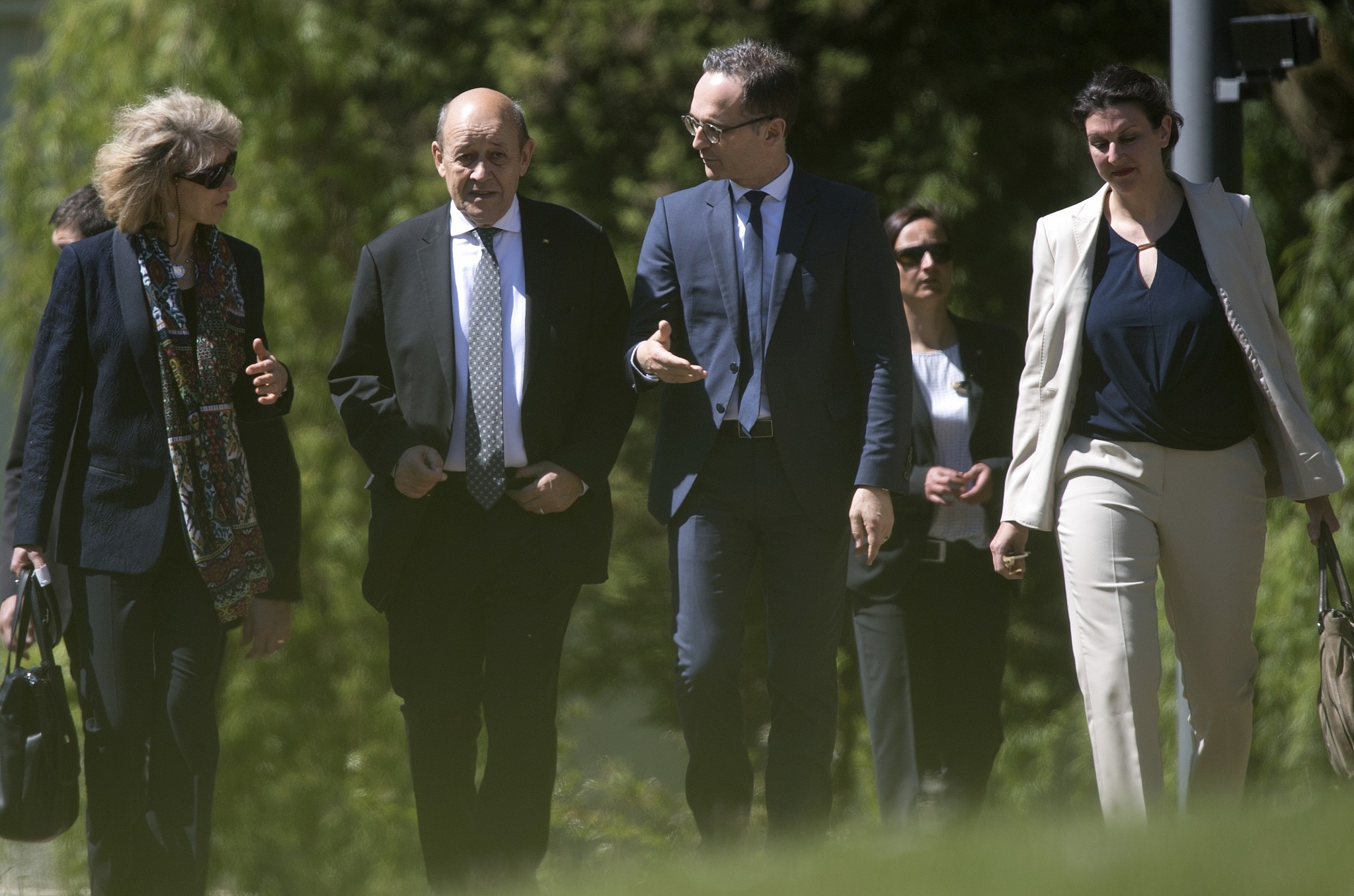
The European Union is “aggressively” preparing for US President Donald Trump to withdraw from the Iran nuclear deal Tuesday, removing key sanctions relief for Tehran and casting the accord’s future into serious doubt.
EU officials expect the US leader to ignore last-ditch European pleas and withdraw US support for what he has repeatedly slammed as a “very badly negotiated” agreement.
One EU official told the Reuters news agency it was “quite clear” in Washington that Trump “is heading to a negative decision so we have been preparing more aggressively the hypotheses of a partial or total pullout.”
Two other European officials also told Reuters they expected Trump to pull out of the accord.
A British diplomat told the agency London was “deeply pessimistic ahead of President Trump’s announcement later today.”
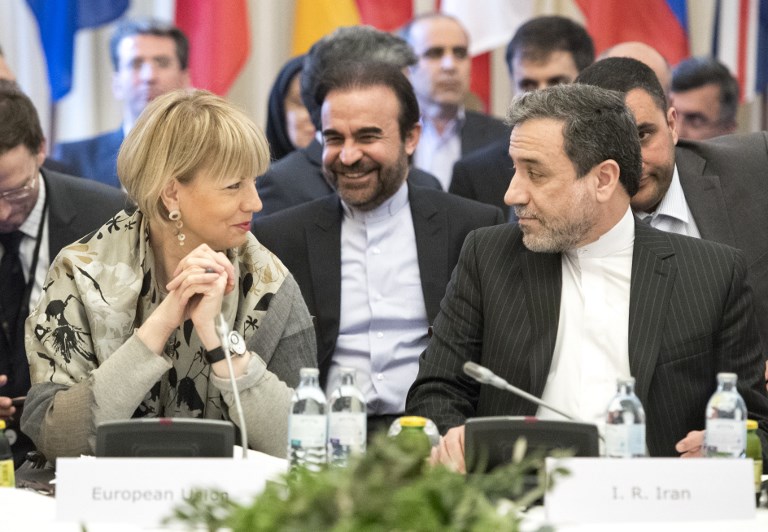
In the meantime, senior officials from Britain, France and Germany met in Brussels with Iran’s Deputy Foreign Minister for Political Affairs, Abbas Araghchi as they sought to bolster support for the deal ahead of Trump’s announcement.
In a statement, the Europeans said they “used this opportunity to reiterate their support to the continued full and effective implementation of the (agreement) by all sides.”
For months, Trump has unsuccessfully demanded changes to the Obama-era nuclear deal, which saw Iran commit to stop military-scale uranium enrichment and open up to inspections in return for massive sanctions relief.
Months of intensive talks between the US and its European allies ultimately stalled when the European signatories of the deal refused Trump’s demand to rewrite key provisions of the accord.
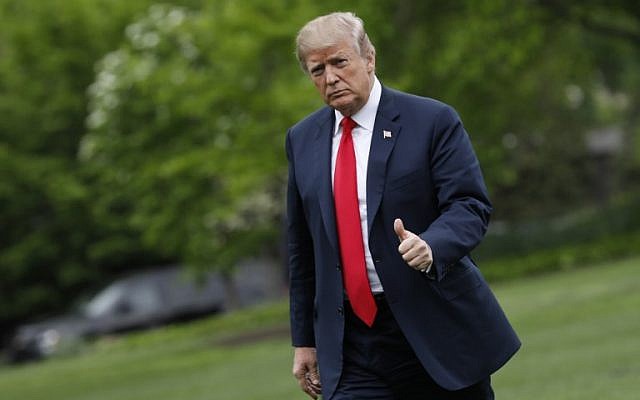
At 2 p.m. Washington time (9 p.m. Israel time) on Tuesday, Trump is expected to announce that he is pulling out of the multi-national deal with Tehran and possibly reimpose economic sanctions.
Critics have warned that ending the sanction waivers would unravel the carefully constructed deal, plunge Iran’s already struggling economy into crisis, spur a Middle East arms race and expose the biggest transatlantic rift since the Iraq War.
Hours before Trump’s announcement, the EU reiterated its support for the agreement, saying Tehran was in compliance with its terms.
European Commission spokeswoman Maja Kocijancic said that “the agreement is working and our commitment to continue with implementation remains.”
She said the UN’s International Atomic Energy Agency has certified 10 times that Iran is complying with its obligations.
“This is not an agreement based on trust, but an agreement based on facts,” Kocijancic said.
French Defense Minister Florence Parly also made a last-minute plea to preserve the deal on Tuesday, saying Paris would continue to monitor Iranian compliance with the deal, “whether the United States participates or not.”
Parly said that while the 2015 agreement was “not the best one in the world,” the Iranian government was “respecting it.”
She noted that Iran was “looking to exercise its influence across the region” and pointed to Tehran’s involvement in Syria, where it is supporting President Bashar Assad against opposition rebel groups.
But the Iranian presence in Syria has increased tensions with neighboring Israel, which has carried out several strikes on targets in Syria in recent weeks, according to non-Israeli media sources.
“We can see that any escalation… that could lead Iran not to respect the deal that was signed, including by the United States, would only aggravate what is already a very tense situation,” Parly concluded.
Tehran has sent mixed signals about its potential response, hinting it could leave a fatally undermined deal and resume military-scale uranium enrichment.
An unnamed Iranian official told Reuters Tuesday that Tehran would would “never accept any demand beyond the deal.”
“Trump should know that he is responsible for all the consequences of the deal’s collapse,” he said. “Iran has always been committed to its international obligations.”






The Times of Israel Community.