

Pinned by ISIL, Assad may let Israeli reprisal pass quietly
Facing a reinvigorated Islamist insurrection, Syria could choose not to respond to a series of deadly air raids on its military

 Add ToI as a Preferred Source on Google
Avi Issacharoff, The Times of Israel's Middle East analyst, fills the same role for Walla, the leading portal in Israel. He is also a guest commentator on many different radio shows and current affairs programs on television. Until 2012, he was a reporter and commentator on Arab affairs for the Haaretz newspaper. He also lectures on modern Palestinian history at Tel Aviv University, and is currently writing a script for an action-drama series for the Israeli satellite Television "YES." Born in Jerusalem, he graduated cum laude from Ben Gurion University with a B.A. in Middle Eastern studies and then earned his M.A. from Tel Aviv University on the same subject, also cum laude. A fluent Arabic speaker, Avi was the Middle East Affairs correspondent for Israeli Public Radio covering the Israeli-Palestinian conflict, the war in Iraq and the Arab countries between the years 2003-2006. Avi directed and edited short documentary films on Israeli television programs dealing with the Middle East. In 2002 he won the "best reporter" award for the "Israel Radio” for his coverage of the second intifada. In 2004, together with Amos Harel, he wrote "The Seventh War - How we won and why we lost the war with the Palestinians." A year later the book won an award from the Institute for Strategic Studies for containing the best research on security affairs in Israel. In 2008, Issacharoff and Harel published their second book, entitled "34 Days - The Story of the Second Lebanon War," which won the same prize.
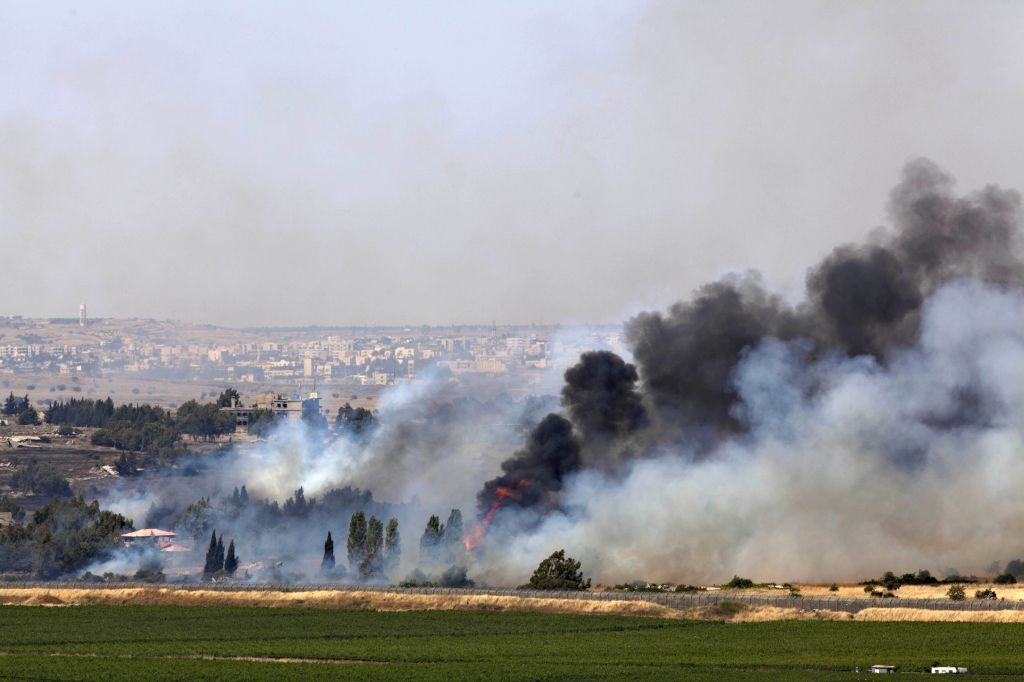
By Monday afternoon, Syria’s tanks, planes and missiles had yet to turn against Israel in revenge for an air raid against a number of miitary targets the night before that left 10 soldiers dead, according to an activist report.
Syria doesn’t have many options right now. Bashar Assad’s regime has no immediate interest in an escalation after the Israeli strike.
But the question remains as to why the confrontation was touched off in the first place, when someone in the Syrian army apparently fired an anti-tank missile at a vehicle in Israel, killing a teenager and injuring three more?
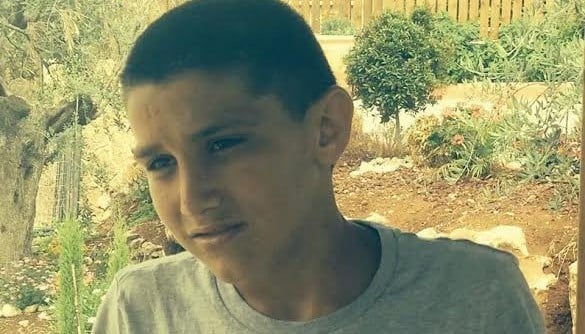
The Israeli strike on nine Syrian military installations and positions overnight came after the IDF concluded that the missile that killed 15-year-old Mohammad Karkara was fired by a Syrian soldier. The possibility that it was an Hezbollah operation is seemingly considered less likely, as is the idea that it was fired by a member of the Syrian opposition.
The area in the Syrian Golan opposite Tel Hazeka is under the control of Assad’s army. Still, it is often a battleground between regime and opposition forces, and there is a significant rebel presence there. But according to the IDF, the missile came from the north, an area where Assad’s control is firmer.
The missile was partly blocked by the new, strong border fence, and while it was still fatal, it could have caused more deaths.
Could the missile have been fired by a renegade Syrian soldier? Or perhaps a soldier who was paid by the opposition to fire into Israel? In the chaos that is Syria, anything is possible.
What is known, though, is that with fighting in Syria continuing, Assad may not have the option of striking back at Israel.
On Monday morning the official Syrian news agency SANA reported that the military killed 40 terror operatives from a variety of nationalities in fighting in the Quneitra area, close to where Sunday’s incident occurred.
Extremist Islamist groups have a presence there, including the Al-Nusra Front, affiliated with al-Qaeda, and a rival of the burgeoning Islamic State of Iraq and the Levant, better known as ISIL or ISIS.
ISIL continues its conquest in Iraq, and it is now using captured Iraqi army vehicles and arms in fighting in Syria. This is how US military Humvees, which were sold to Iraq, are now being used in fighting near Aleppo, according to Arab media reports.
What a small world.





The Times of Israel Community.