

Pittsburgh victim’s family asks Diaspora to invite two non-Jews to Passover meal
After mother-in-law Joyce Fienberg was killed in the October synagogue shooting, Marnie Fienberg started 2 for Seder, which combats anti-Semitism through education — and food
 Add ToI as a Preferred Source on Google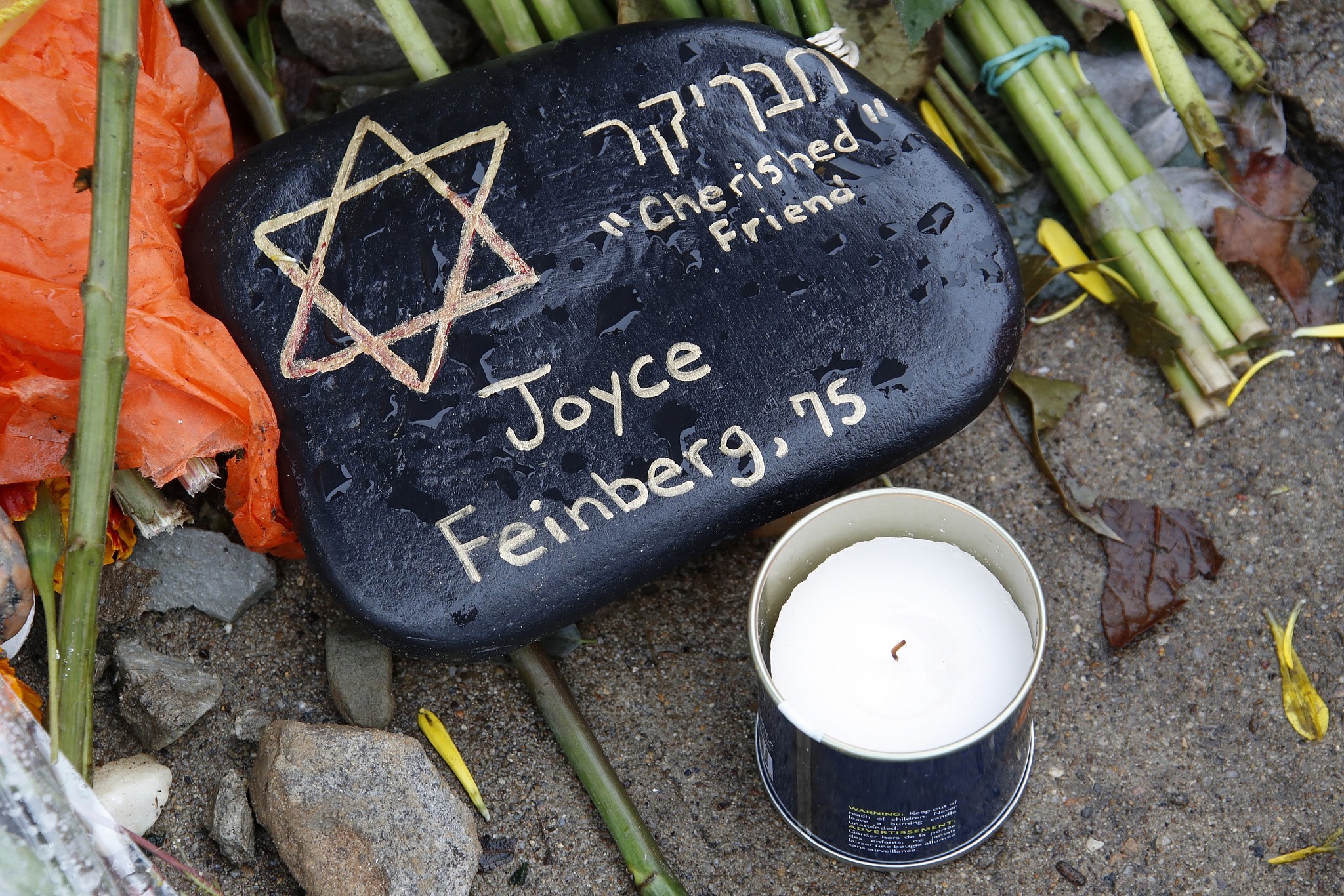
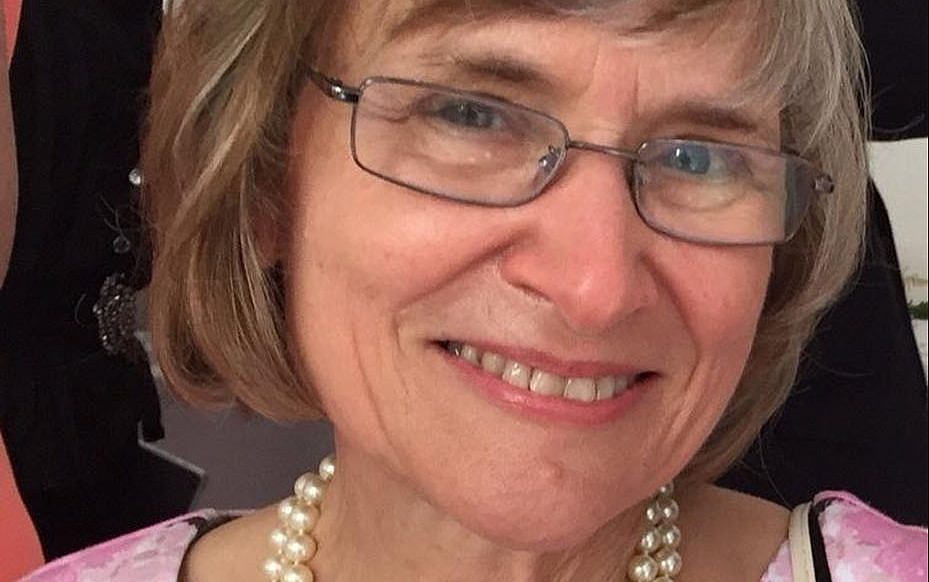
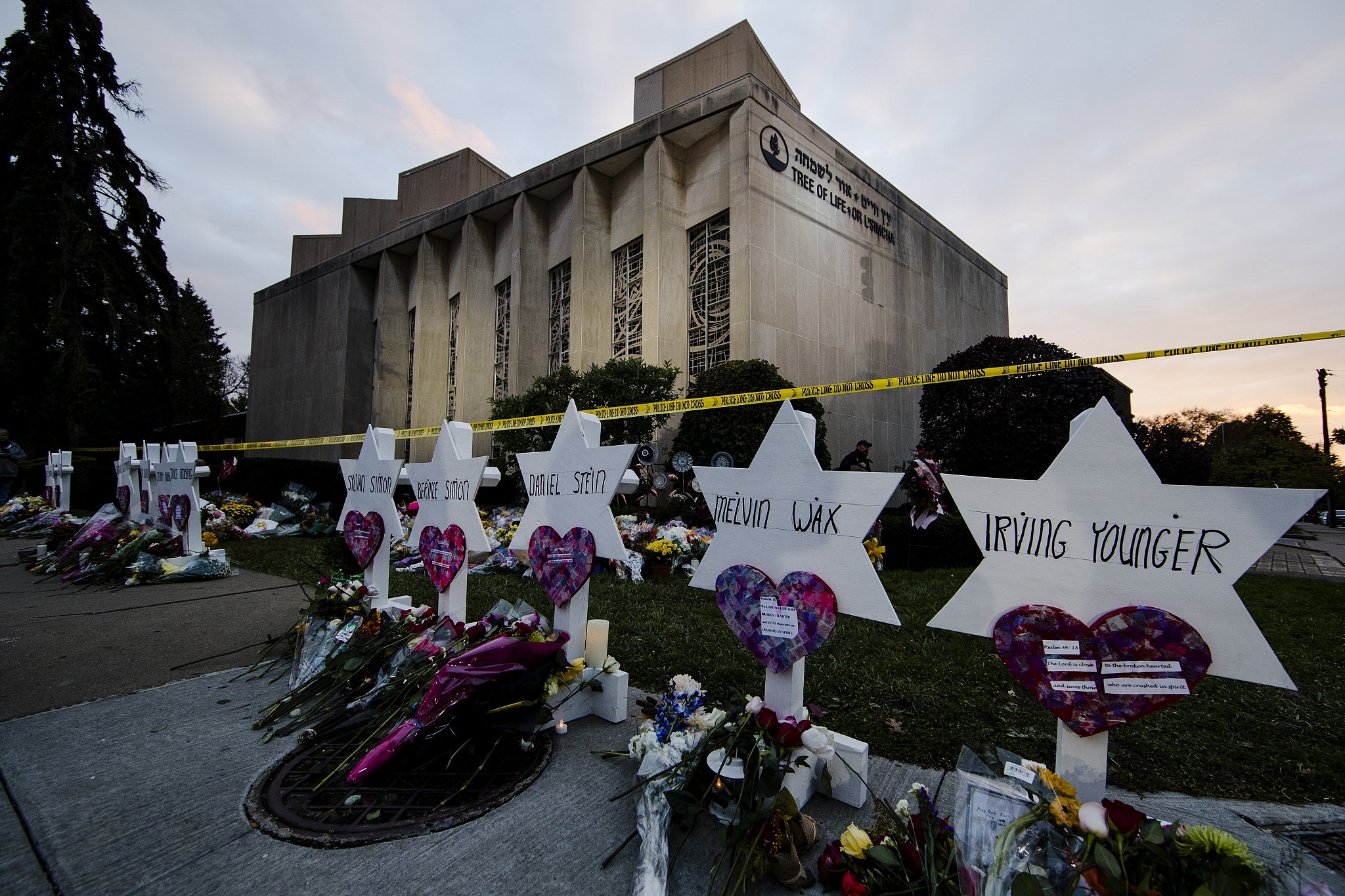
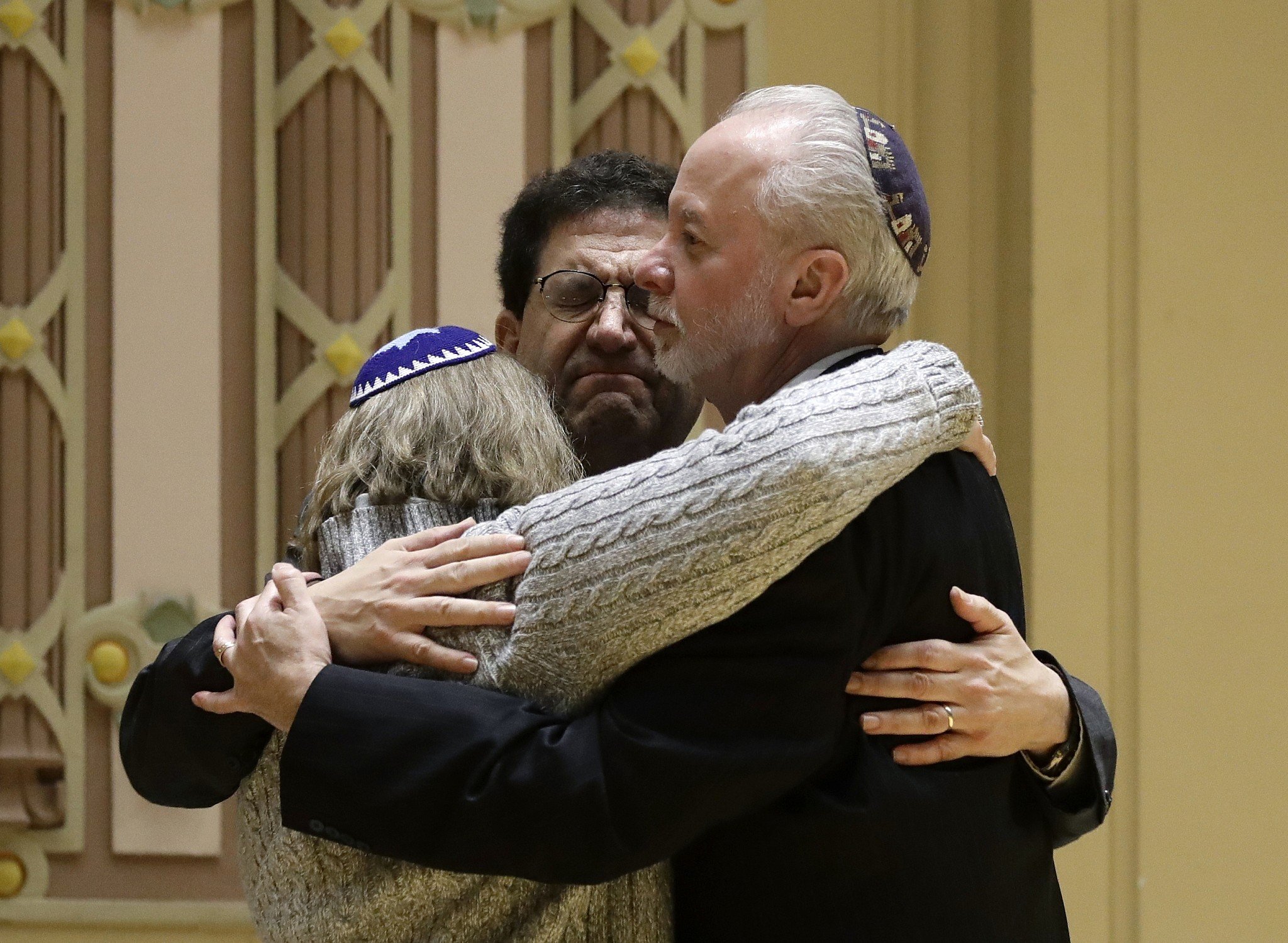
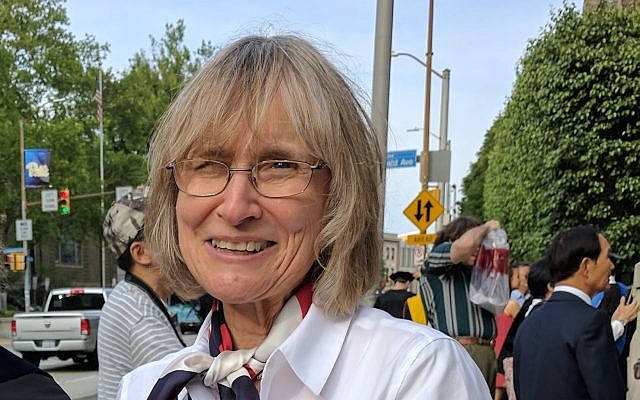
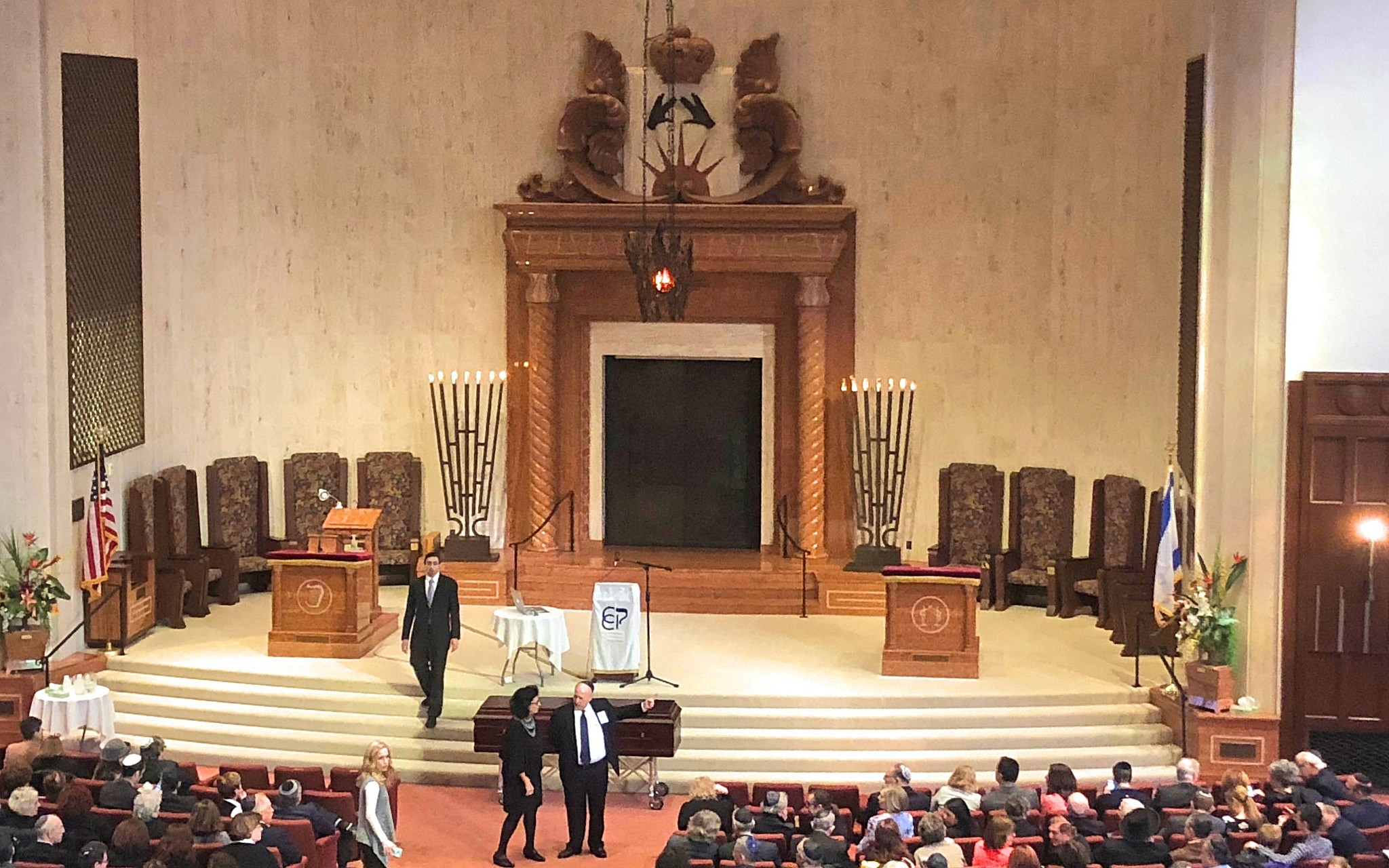
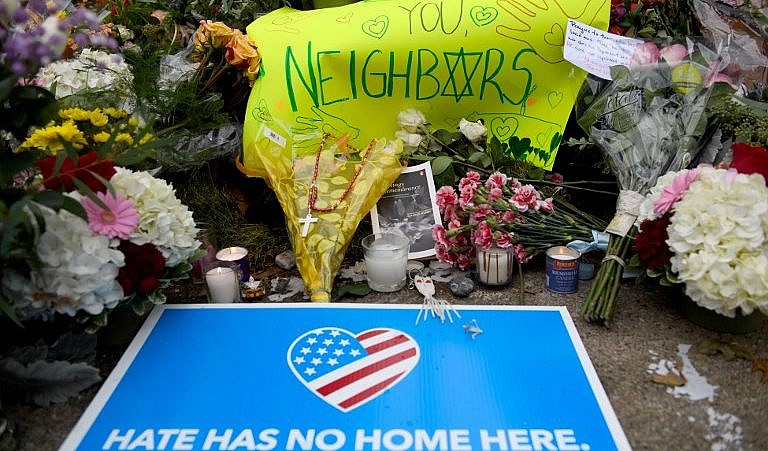
For the first time in more than a decade, Marnie Fienberg won’t be hosting her own seder. She says it’s “too painful” without her mother-in-law, Joyce Fienberg, one of 11 worshipers killed by a gunman last October in the Tree of Life synagogue during Shabbat services in Pittsburgh.
“I’ve made seders every year for the past 12 years with Joyce,” Fienberg told The Times of Israel. “We were partners, and I just can’t do it this year. I miss her too much. Everything reminds me of her, so I’ll be going to cousins and we’ll be raising a cup to Joyce.”
But the memory of Joyce has spurred Fienberg into action in the fight against anti-Semitism. Thanks to her efforts, 1,000 non-Jews will be attending Passover seders for the first time this year.
In the aftermath of the tragedy, Fienberg worked with an emerging non-profit called the Pittsburgh Idea Evolution (PIE) to launch 2 for Seder, a grassroots initiative asking American and Canadian Jews to invite two non-Jews to their seder in an effort to deepen the bonds between the Jewish community and their neighbors.
To date, more than 520 people have signed up for 2 for Seder and dozens of North American organizations are joining the effort, including Jewish fraternities and sororities, the Anti-Defamation League (ADL), and Jewish community centers and synagogues across the US and Canada.
“During our shiva [week of mourning], we were held up by thousands of people, both family and strangers, Jews and non-Jews,” said Fienberg. “The outpouring of love and support still gets me through each day.
“What I heard over and over was, ‘How can I help?’ At first, I thought they meant, ‘How can I help you get through this sorrow?’ — something you typically say to a mourner. After a while, though, I realized they were also saying, ‘How can I help prevent this agony from happening again?’” she said.
That’s how Fienberg settled on the idea of encouraging Jews to open their homes on Passover.
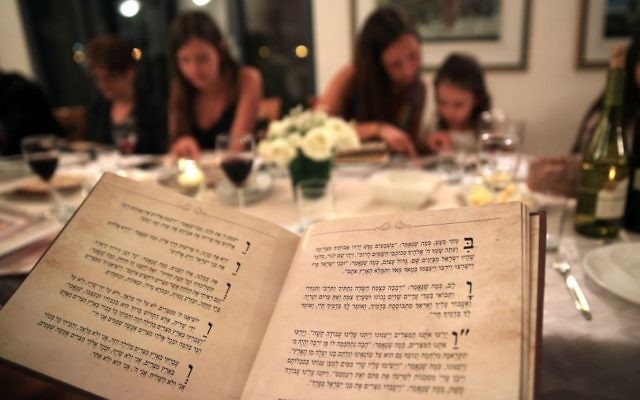
“For me, seder is the heart of who we are as Jews. It’s replete with a miracle-filled, structured journey; the chaos of people questioning and debating, and topped off with so much delicious food that you wish you were wearing sweatpants,” Fienberg said.
“Opening your seder to newcomers directly addresses biased attitudes and general ignorance — the seed of all anti-Semitism. Start a dialogue and create a ripple-effect to enrich our shared American and Canadian experience,” she said.
Participants who sign up for 2 for Seder receive a digital toolkit with suggestions on ways to make the seder meaningful for first-timers. It includes a brief history of anti-Semitism in the US and Canada, an essay from the rabbi of Pittsburgh’s Tree of Life synagogue, and suggested seder questions by Rabbi Evan Ravski, the spiritual leader of Fienberg’s Conservative synagogue in Northern Virginia.
Ravski told The Times of Israel he eagerly embraced the opportunity when Fienberg approached him.
“I loved it. The 2 for Seder initiative lets us engage with the moment in terms of dealing with the aftermath of Pittsburgh and the current climate of anti-Semitism which is noticeable and prevalent again. I also loved that what she was asking us at the seder isn’t anything more than we already do, which is have discussions around the table. We discuss freedom, anti-Semitism, and the persecutions that cause us to require freedom,” he said.
Ravski noted that this year is an especially good opportunity to make an impact with non-Jews as the first days of Passover overlap with Easter weekend.
“To know that at least 1,000 non-Jews are sitting down for their first seder is powerful. The experience won’t just stay with them, because the next night many of them will likely be sitting around the Easter table with their relatives talking about what they saw. The reach becomes exponential,” Ravski said.
“I hope it’s comforting to the Jewish community to know that something like this is happening, to know that we’re building on the Pittsburgh tragedy in positive ways to address the scourge of anti-Semitism,” he said.
A very special weekend. Even though we've all been through an unspeakable tragedy, the Parkland families are staying focused and helping to change America. Their strength is our strength. #2forseder #Parkland #strongerthanhate pic.twitter.com/GDhOJcFpow
— 2 For Seder – Welcome Back! (@2forSeder) April 6, 2019
In a poignant coincidence, the 400th participant to sign up for 2 for Seder was a previous guest at Joyce Fienberg’s Passover table. On the group’s Facebook page, Jen Kushner from Columbus, Ohio wrote:
“I was one of the many guests that Joyce invited into her home for Seder. I attended in 2008 and 2009 [I believe] while I was dating a PhD statistics student of Joyce’s husband. My date attended a few Seders with the Fienbergs while at Carnegie Mellon (CMU). The one in 2008 was my very first Seder.
“My date and I married in 2012 and now live in Columbus, OH. I have never forgotten Joyce’s hospitality and kindness. This is a wonderful program and our family will be happy to participate,” wrote Kushner.
Fienberg isn’t surprised by the sentiment. She said Joyce was “an amazing person who always went out of her way to make anybody feel comfortable in her home.”
“I remember meals in Joyce’s home with people ranging from very observant to not at all. But everyone always felt special and taken care of, even though we had very different outlooks. We always felt like we were one family at her table and I’m honored to be her daughter in law,” she said.
Fienberg knows that some in the Orthodox community may be reluctant to participate in 2 for Seder because of a possible halachic objection to cooking extra food for non-Jews during the holiday, when stringent rules apply when it comes to food and cooking.
But she encourages them to participate in the program in other ways.
“If you’re not comfortable with this part of the program, that’s okay. Don’t do it,” Fienberg said. “The spirit of 2 for Seder is about fighting back against anti-Semitism in a gentle, loving, and peaceful way. That’s the key. You could educate two people by inviting them to something else that exposes them to Judaism. The purpose is to build a bridge to a person with another faith and background.”
Ravski agrees that one can participate in many ways, but also adds that it’s a “misunderstanding” of the Torah law to believe it bars non-Jews from holiday meals.
“When we talk about letting all those hungry come and eat, we’re not just talking about Jews. There are laws that Jews must be part of a seder, but it’s not exclusive of non-Jews — and we’ve had people from as far away as Benny Lau from Israel and Maimonides who have contradicted that ruling,” he said.
“Plus, to the extent that there are any issues, it’s about cooking for non-Jews [during the holiday itself]… Nevertheless, for those uncomfortable because of a personal hashkafic [worldview] reason, there are still ways to participate in 2 for Seder, to have those conversations and mark this important moment for Jews in North America,” Ravski said.
As for what to expect at Ravski’s seder, he told The Times of Israel he will be spending the holiday with his parents in Connecticut.
“I got them involved in 2 for Seder early on. My mother has 40 people coming the first night, at least two of whom are not Jewish,” he said. And regarding the issue of cooking, he jokes, “I can guarantee you that my mother isn’t making any extra food — even if there were 38 people, she will still cook way too much!”
Fienberg says her cousin’s seder will include more than 30 people, many of whom are not Jewish. And at the end of Passover, she will be heading to Pittsburgh to join an interfaith Jewish Center of Pittsburgh community seder.
“So I’ll be doing multiple 2 for Seders,” she said.










The Times of Israel Community.