

After interrogation, police remand 3 suspects in submarine probe
Ex-senior officials questioned on string of suspicions relating to $480 million purchase; PM reportedly to be summoned for testimony
 Add ToI as a Preferred Source on Google
Raoul Wootliff is a former Times of Israel political correspondent and Daily Briefing podcast producer.
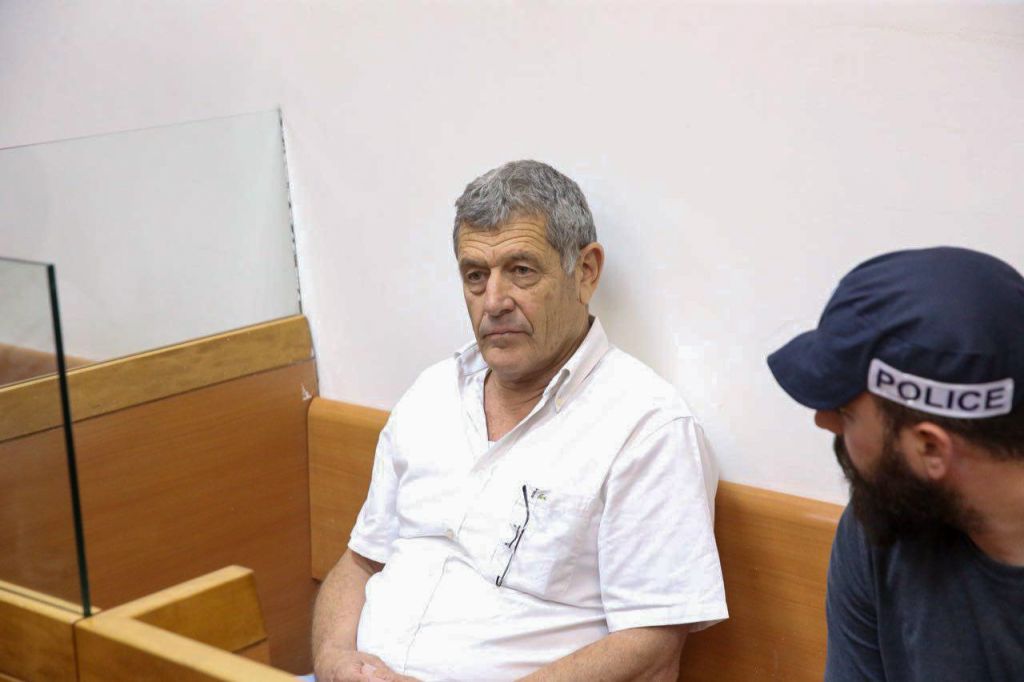
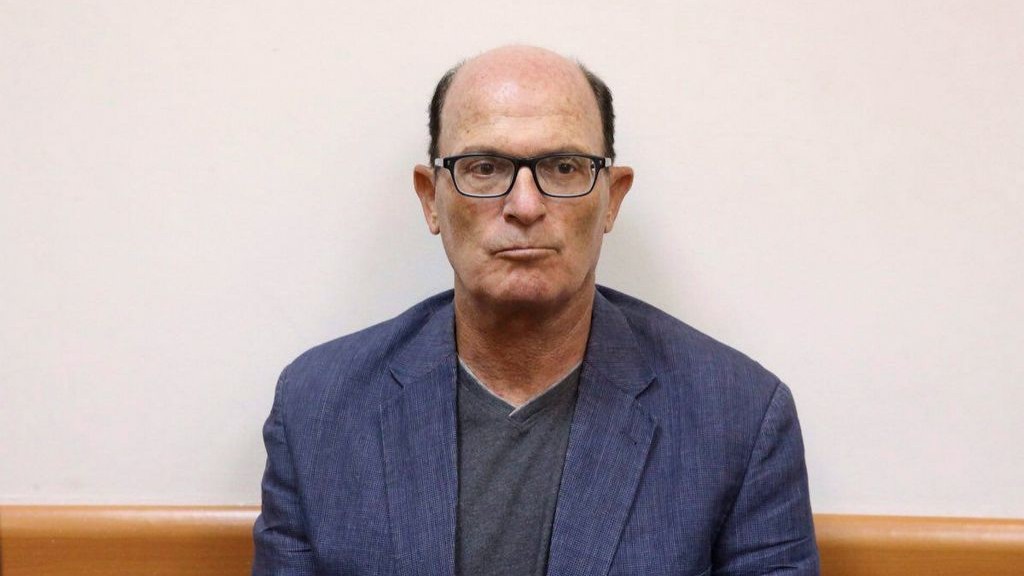
Following a day of interrogation at the anti-fraud unit’s headquarters in Lod, police extended the remand Monday night of three prominent officials suspected of corruption in a multi-million dollar purchase of naval vessels from Germany. A fourth suspect, a close confidant and lawyer of Prime Minister Benjamin Netanyahu, was sent to house arrest.
Six suspects were brought in for questioning Monday morning as part of an ongoing investigation into the so-called “Case 3000,” or the “submarine affair.” They are suspected of attempting to sway the deals in favor of the German shipbuilder ThyssenKryupp.
Police initially withheld the names of the suspects. However, later Monday, it was revealed that two of the suspects are former deputy head of the National Security Council Avriel Bar-Yosef and ThyssenKryupp’s Israeli agent Miki Ganor. The names of the other four still cannot be reported.
The suspects were questioned under caution for more than 12 hours, over suspicions of fraud, bribery, tax evasion and money laundering, the Israel Police and the Tax Authority said in a joint statement. “At the time of the events under question, some of the suspects were public servants and some worked in the private sector,” the statement said.
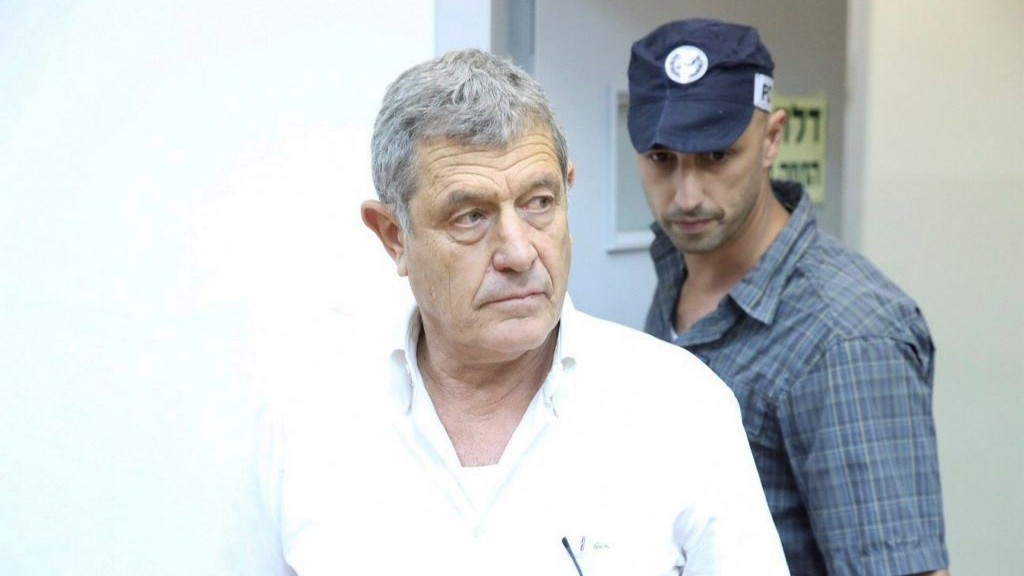
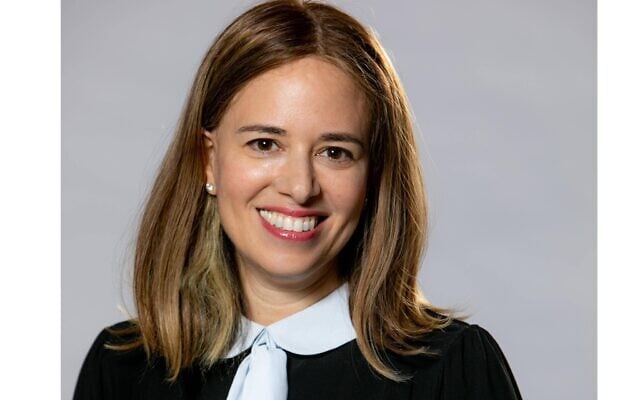
Following the interrogations, three of the suspects were brought to the Rishon Lezion Magistrate’s court where Chief Justice Einat Ron agreed with the police request to hold two — Bar-Yosef and Ganor — for a further four days, and send another, an attorney who is a very close associate of Netanyahu to three days of house arrest.
Netanyahu is not a suspect in the case. However, police are planning to summon him to testify on what he knows about the entire issue and specifically as to whether he knew of the corruption allegations against Avirel Bar-Yosef when he named him deputy head of the National Security Council in 2016, Channel 2 news reported.
Bar-Yosef’s candidacy was later withdrawn when it emerged that he was suspected of accepting bribes in exchange for promoting the interests of German businessmen involved in the development of Israel’s offshore gas fields.
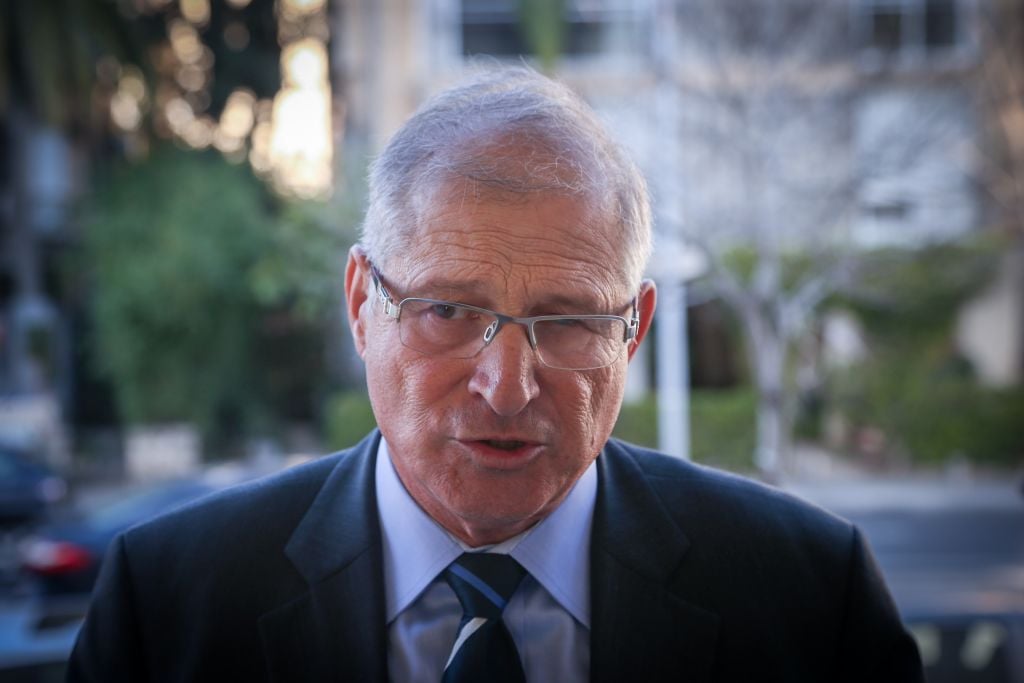
Attorney General Avichai Mandelblit ordered Israel Police to formally look into the submarine affair in November 2016, after accusations surfaced that Netanyahu may have been swayed to purchase vessels by business ties one of his lawyers, David Shimron had with ThyssenKrupp. The deals for patrol boats and submarines came under intense scrutiny late last year, after it was revealed by Channel 10 news that Shimron also served in an advisory capacity for ThyssenKrupp, which was awarded the contracts for building Israel’s submarines and naval attack boats.
In December, officers from the Lahav 433 police anti-corruption unit entered the office of legal adviser Ahaz Ben-Ari at the Defense Ministry building in Tel Aviv and removed information from computers there. The data concerned the cancellation of an international tender to build four new warships to protect Israel’s offshore natural gas rigs in the Mediterranean Sea.
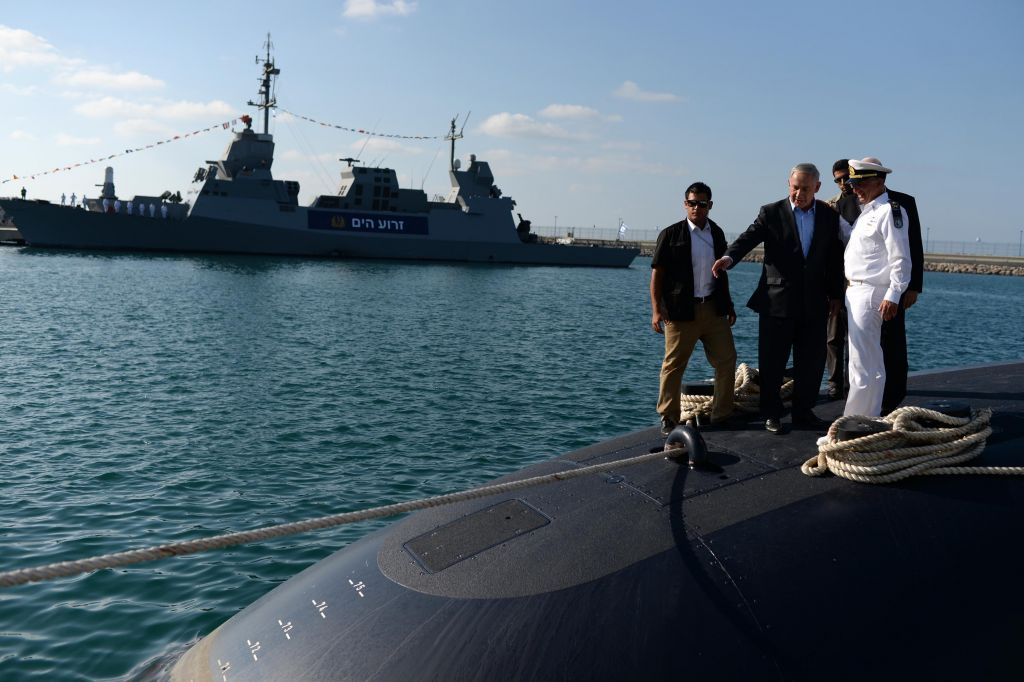
The contract was awarded instead to ThyssenKrupp. Under the 2015 deal, worth €430 million ($480 million), ThyssenKrupp is to supply Israel with four “Sa’ar 6 corvette” ships over a period of five years.
The purchase was opposed by parts of the defense establishment, including then-defense minister Moshe Ya’alon, who has since threatened to “tell all” on Netanyahu’s involvement, if the prime minister is not indicted as part of the probe.
Shimron claimed at the time that he “wasn’t in touch with any state official over the issue of Israel’s purchase of naval vessels” and said that his work for the German company while also serving as the prime minister’s lawyer did not constitute a conflict of interest.
However, after Israel issued the initial tender in 2014 for the purchase of the ships, Shimron called Ben-Ari, the defense minister’s legal adviser, to inquire why the tender was issued, allegedly saying he wanted the contract to be given to ThyssenKrupp directly.
In August of that year, the chairman of the Histadrut labor federation, Avi Nissenkorn, met with Shimron and Ganor, who was reportedly poised to earn 30 million euros from the deal should it go ahead. A proposal was reportedly presented in that meeting for the German firm to take over the maintenance work, in Israel, from the navy.
In January, police opened a full criminal investigation into the affair, but stressed that the prime minister was not a suspect.
Responding to the decision, the Prime Minister’s Office published what it said was the full timeline of the process by which the state decided to purchase submarines from a German shipbuilding company, in an effort to demonstrate that Netanyahu did not attempt to influence the deliberations in any way.







The Times of Israel Community.